

Best Hot And Cold Therapy For Migraines That Actually Works
I still remember one Sunday morning when I felt a migraine creeping in while making breakfast. I instinctively reached for an ice pack from the freezer—pressed it gently against my temple—and for a moment, the pain didn’t just ease, it shifted. That simple act led me down a path of exploring the real benefits of hot and cold therapy for migraine relief. Turns out, I wasn’t alone. Many migraine sufferers swear by this approach. But what’s the science behind it, and how do you use it correctly?
Understanding How Temperature Therapy Works for Migraines

Migraines are not your average headaches. They’re complex neurological events that often involve hypersensitivity to light, sound, and even touch. Because migraines affect blood vessels and nerves, using heat or cold can help influence the body’s response to pain. Cold therapy (cryotherapy) works by constricting blood vessels and numbing pain signals. On the other hand, heat therapy (thermotherapy) soothes muscle tension and improves blood circulation, which can be helpful depending on your migraine type.
The trick is knowing when to use each—and how. Misapplying temperature therapy can make things worse. Let’s break it down.
Cold Therapy: Why an Ice Pack Can Sometimes Feel Like Magic

When Cold Is Best
Cold therapy is most effective during the early stages of a migraine attack or during the peak of pain. Applying an ice pack to the forehead, temples, or neck can reduce inflammation and slow the transmission of pain signals to the brain.
- Use a soft, flexible ice pack or a cold gel wrap
- Apply for 10–15 minutes at a time
- Wrap the ice in a towel to avoid direct skin contact
Some patients also report relief from aura symptoms by cooling the back of the neck or base of the skull. The sudden cold can interrupt sensory confusion that often precedes a migraine.
My Personal Trick: Cold Water Foot Bath
Believe it or not, one trick I stumbled upon late one night was soaking my feet in cold water. It pulls blood away from the head and can create a grounding effect. A small foot basin and ice cubes became my go-to rescue kit. It’s weird—but effective.
Heat Therapy: The Comfort Migraine Sufferers Often Overlook

When Heat Works Better
While cold is best during acute pain, heat works wonders before the storm hits—especially if your migraines are tension-triggered or associated with stiff neck and shoulder muscles. Applying heat to the back of the neck can encourage blood flow and relax tight areas that might otherwise contribute to an onset.
- Use a microwaveable heating pad or warm towel
- Focus on the neck, shoulders, or upper back
- Limit sessions to 15–20 minutes
Some users alternate between cold and heat, a technique known as contrast therapy. This approach stimulates blood flow and helps break the cycle of pain and muscle tightness.
According to research summarized by NIH, contrast therapy might reduce the frequency of migraines by improving autonomic regulation and relaxing vascular tension. It’s a subtle way of “retraining” how your body handles pain and stress.
Pairing Temperature Therapy with Migraine Triggers and Symptoms
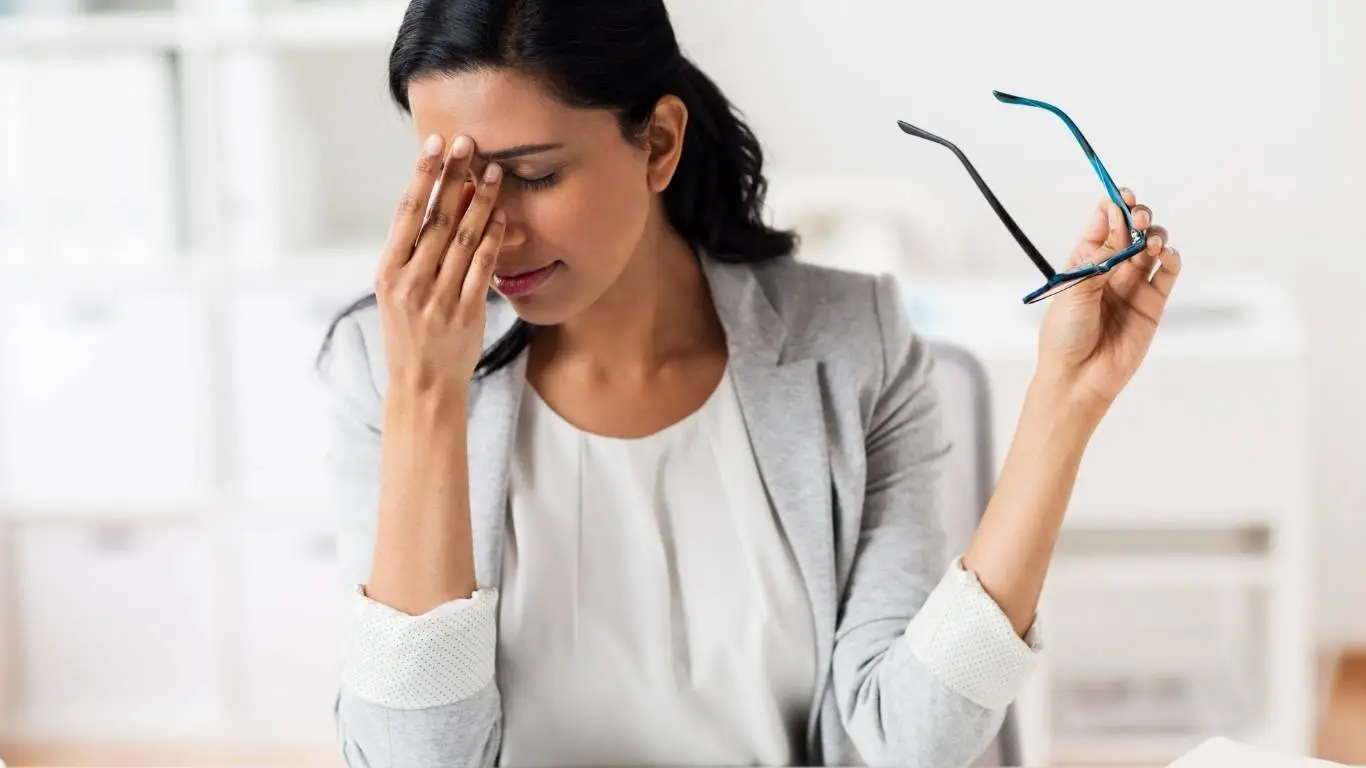
Temperature therapy should never be used in isolation. You’ll want to first consider the underlying cause or trigger of your migraine:
- Weather changes: Cold therapy often helps reduce sensory overload
- Stress-induced migraines: Heat therapy can reduce tension buildup
- Sleep disorders: A warm compress before bed promotes better sleep hygiene
For those managing multiple triggers, keeping a migraine diary can help you track what kind of therapy works best under specific conditions. Some even use apps or smartwatches to monitor warning signs ahead of time.
Best Practices for Safe Use

It’s essential to use common sense. While temperature therapy is generally safe, improper use can lead to frostbite, burns, or worsened pain.
Safety Checklist:
- Never apply heat or cold directly to bare skin
- Don’t fall asleep with a heating pad on
- Stay hydrated, especially when alternating between hot and cold
- If pain worsens, stop immediately and consult a specialist
And speaking of specialists, I always recommend working with a neurologist familiar with migraines. They can help you integrate temperature therapy into a broader, personalized treatment plan.
Also, don’t overlook the foundational knowledge available in the main migraine guide—it’s where you’ll find deeper insight into triggers, diagnosis, and long-term strategies for prevention.
Tools and Accessories to Enhance Your Therapy Routine

These days, temperature therapy goes beyond ice cubes and hot towels. There are specialized products that take the guesswork out of migraine management. Here are some of my personal favorites and patient-recommended essentials:
- Gel Ice Head Wraps: Wraps that contour around the temples and forehead provide hands-free relief during attacks.
- Heated Neck Wraps: Microwaveable wraps with lavender or herbs offer tension relief for neck-related migraines.
- Reusable Contrast Packs: Some packs can be heated or chilled, giving flexibility based on your migraine phase.
If you’re exploring devices, consider reading our review of the Cefaly device or the Nerivio wearable. While not hot/cold-based, they complement therapy strategies well.
Combining Heat and Cold Therapy with Other Approaches

While hot and cold treatments are effective, they’re rarely a complete solution on their own. Combining them with complementary therapies often provides better outcomes.
Popular Combinations
- Yoga before bedtime paired with a warm compress
- Acupuncture and cold therapy post-session
- Contrast therapy alongside Cognitive Behavioral Therapy
For me, integrating light stretches, lavender oil, and a soft eye mask with a cooling pad was a breakthrough. It’s about building a routine that’s realistic, not just clinical.
Patients dealing with hormonal migraines or stress-induced episodes might benefit even more from multi-therapy routines tailored to their triggers.
When to Avoid Temperature Therapy

Not every migraine type responds well to temperature shifts. In fact, in certain cases, applying heat or cold can backfire. Avoid temperature therapy if:
- You have vestibular migraines with dizziness—temperature changes can worsen disorientation.
- You’ve experienced hemiplegic migraine symptoms, which mimic strokes—cooling or heating may confuse symptoms.
- Your skin has sensitivity or poor circulation.
If unsure, consult a migraine neurologist before introducing any home therapy technique.
Tracking Your Results: What Works and What Doesn’t

Not all cold packs or heat wraps will yield the same outcome every time. One of the most effective things I did for long-term relief was start a migraine diary dedicated solely to temperature therapy.
What to Track:
- Time of therapy use (before, during, or after attack)
- Location of application (temple, neck, shoulders)
- Duration and comfort level
- Outcome (did it shorten the attack or just ease discomfort?)
You can also use tech tools like a migraine-friendly smartwatch to log pain levels and sync with temperature exposure. This kind of self-monitoring brings incredible clarity on what helps and what doesn’t over time.
Building Your Personal Therapy Kit

If you’re just starting out, here’s a simple setup to get you going:
- One flexible ice pack with a cloth cover
- One microwaveable neck wrap
- A bucket or basin for foot soaks
- Essential oil roll-on (like peppermint or lavender)
- Optional: Migraine-friendly pillow for bedtime relief
Place everything in one drawer or a small bin. That way, when an attack starts, you’re not scrambling around the house. I’ve even taken mine on road trips—it’s that essential.
Next Steps: Aligning Your Strategy

If you’ve made it this far, it’s clear you’re ready to take control of your migraine therapy. Don’t stop here. Dive deeper into comprehensive treatment options on our Migraine Treatment Cluster and discover natural options under Natural Remedies.
And remember—everything loops back to your personal patterns. Keep exploring, adjusting, and documenting. With time, what seems like a minor habit—an ice pack, a warm wrap—can become your most dependable tool.
For a complete overview, strategies, and condition education, revisit our main hub at the Migraine & Headache Guide.