
Surprising Migraine Aura Signs You Should Never Ignore
Last spring, I was at a café when my vision suddenly turned into a kaleidoscope of zigzag lights. At first, I thought I was just dehydrated or maybe over-caffeinated. But within 20 minutes, a throbbing pain settled over my right eye. That episode was my first real introduction to a migraine aura. And as it turns out, I’m not alone—many migraine sufferers experience aura without even realizing it has a name.
What Is a Migraine Aura?
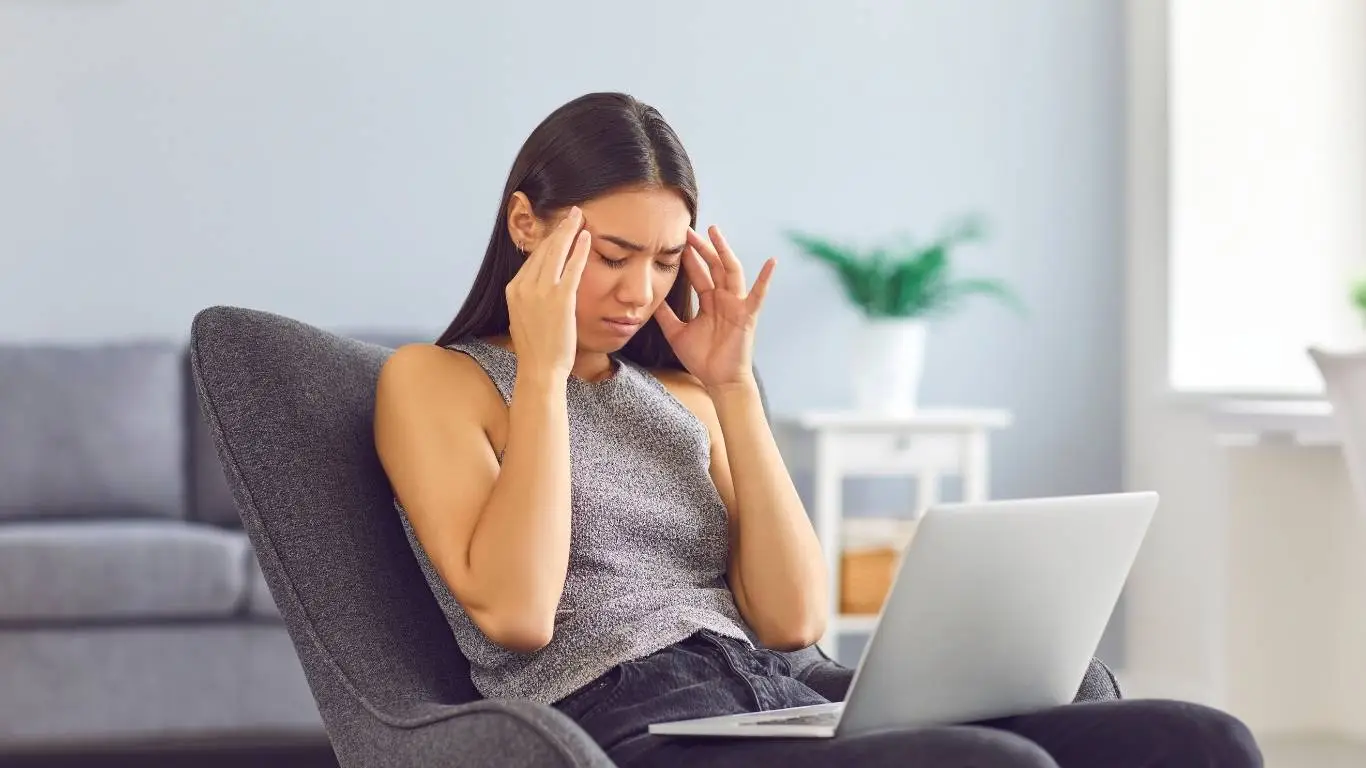
A migraine aura is a collection of sensory disturbances that typically occur before the headache phase of a migraine. These symptoms can affect vision, speech, motor skills, and even your sense of touch. Not everyone with migraines experiences aura, but for those who do, it can be confusing or even frightening.
According to Mayo Clinic, aura symptoms usually develop gradually over several minutes and last for less than an hour. The most commonly reported type of aura involves visual disruptions, although many people also report auditory or sensory changes.
Visual Symptoms: The Most Recognized Aura

When people think of migraine aura, visual disturbances are often what come to mind first. These can vary widely between individuals, but common visual aura symptoms include:
- Scintillating scotomas – shimmering, zigzagging lights
- Blind spots – areas of vision loss that move slowly
- Tunnel vision – loss of peripheral sight
- Visual snow – a grainy or static-like overlay across vision
What makes these symptoms more complex is that they often precede the headache pain by up to an hour. That means you might be sitting in a meeting, seeing flashing lights or blurred patterns, wondering what’s happening—and then the headache kicks in. My first experience involved those zigzagging lights, and I now use it as an early warning system to take action quickly.
Link Between Aura and Migraine Pain
The visual disturbances are believed to be caused by a phenomenon called cortical spreading depression—a wave of electrical activity across the brain that temporarily affects certain regions. While not fully understood, this process is a key piece in the puzzle that separates migraine aura from other types of headaches like tension headaches.
Other Types of Aura: It’s Not Just Vision

While visual auras are most common, they’re just one piece of the spectrum. Auras can also affect speech, movement, and sensation. Some lesser-known types of aura symptoms include:
- Speech disturbances – trouble finding words or speaking clearly
- Sensory changes – numbness or tingling in the hands, face, or arms
- Motor symptoms – weakness on one side of the body (as seen in hemiplegic migraine)
These symptoms can mimic more serious neurological conditions like strokes, which is why it’s essential to speak with a neurologist if you’re experiencing them for the first time. In my own case, I once had an episode where I couldn’t feel my left hand for several minutes. That experience drove me to seek a proper diagnosis—which eventually led to identifying my migraine pattern.
How Long Does a Migraine Aura Last?

Most aura symptoms last between 5 and 60 minutes. Some individuals experience multiple symptoms in succession, so their aura phase could extend a bit longer. If symptoms persist beyond an hour or new symptoms appear, it’s recommended to seek medical attention, as that may point to a different underlying issue altogether.
Timeline of a Typical Aura Episode
- 0–10 min: Subtle visual changes begin (blurred edges, sparkles)
- 10–30 min: Symptoms intensify; speech or sensation changes may emerge
- 30–60 min: Most aura symptoms peak or fade
- Post-aura: Headache, nausea, or sensitivity to light/sound may begin
If your migraine tends to skip the pain phase—what’s known as a silent migraine—then the aura is the entire episode. This makes tracking your aura all the more crucial in managing the condition effectively.
Keeping Track of Aura Patterns

One of the most effective strategies I’ve personally adopted is maintaining a migraine diary. It helps track when aura symptoms appear, what precedes them, and how long they last. Over time, I noticed that my auras often appeared after poor sleep and high screen exposure—patterns I hadn’t connected before journaling them.
Experts at Cleveland Clinic also advocate for this method, as it can reveal critical triggers or help differentiate aura symptoms from other medical conditions.
You can also explore modern tools like migraine tracking apps or wearables that monitor early warning signs, providing helpful feedback for managing your day before a migraine even fully sets in.
Who’s More Likely to Experience Aura?
Migraine with aura affects about 25–30% of migraine sufferers, and certain groups may be more prone than others. Those with a family history of migraines, especially genetic links, are more likely to experience auras. Hormonal shifts, such as those during menstrual migraines or pregnancy, can also influence aura frequency.
Interestingly, children and teens can also experience migraine auras, though they’re often misdiagnosed. Articles like childhood migraines and teen migraine triggers offer further insight into how this condition can evolve at different life stages.
To explore the broader context of migraine types, triggers, and treatments, visit our Migraines & Headaches hub page or learn more from the Understanding Migraines cluster article.
Managing Migraine Aura: What You Can Do
One of the most reassuring discoveries for me after getting diagnosed was realizing that while migraine aura can’t be cured, it can absolutely be managed. With the right approach, aura doesn’t have to derail your entire day.
The first step is awareness. As soon as I notice the shimmering lights or that odd numbness creeping into my fingers, I know it’s time to pause. I’ve learned to step away from screens, reduce exposure to bright lights, and sip cold water. Sometimes I apply a cold compress to the back of my neck or sit quietly in a dark room.
For others, more structured strategies can be just as effective:
- Lie down immediately and reduce visual or auditory stimuli
- Track timing and symptoms in a migraine diary
- Limit caffeine, sugar, and screen time during high-risk times
- Hydrate — even mild dehydration can intensify aura symptoms
And when in doubt, it’s always safe to reach out to your neurologist, especially if your aura starts showing up more frequently or with new symptoms.
Treatment Options for Migraine Aura
Treating aura often involves treating the underlying migraine itself. Over-the-counter medications can sometimes help if taken early enough. Personally, I keep a small travel pack of ibuprofen and ginger chews on hand just in case. Timing is everything—getting ahead of the pain can reduce the severity significantly.
Medication Categories
- OTC medications like ibuprofen, naproxen, or acetaminophen
- Triptans — effective for stopping migraines when taken at the aura onset
- CGRP inhibitors — newer treatments that help prevent migraine frequency
While these are effective for many, others may respond better to non-pharmacological treatments. I’ve found that a holistic approach works best—especially when I combine it with lifestyle adjustments.
Natural and Alternative Therapies

There’s been growing interest in alternative treatments for migraine aura. Some people swear by acupuncture, and while I was skeptical at first, a few sessions actually helped lessen the frequency of my episodes. It’s not a cure-all, but it’s worth exploring.
- Acupuncture for reducing frequency and intensity
- Biofeedback to regulate stress and tension
- Cognitive Behavioral Therapy (CBT) for mental wellness and pain response
- Magnesium and B2/B6 supplements for neurological support
Harvard Health Publishing notes that magnesium supplements have shown promise in reducing migraine frequency, especially for those with aura. Just make sure to talk to your doctor before starting any supplement regimen.
Daily Lifestyle Tweaks That Help
Small changes in your daily routine can significantly affect aura frequency. When I started sticking to regular sleep and meal schedules, my aura episodes dropped dramatically. Even switching to a different pillow helped relieve my neck tension, which often preceded my migraines.
Here are some changes worth trying:
- Stick to a consistent sleep routine
- Reduce screen exposure with blue-light glasses
- Support posture with the right pillow
- Exercise moderately — see how movement impacts migraines
I also try to avoid skipping meals and carry a small protein bar just in case. Fasting or irregular eating used to trigger my aura more than I realized. You can read more in this guide on migraines and fasting.
When to Worry and When to Get Help
While most aura symptoms are harmless (though unpleasant), there are times when seeking help becomes urgent. It’s important to differentiate a typical migraine aura from something more serious like a stroke or seizure. I had one episode where my speech slurred and the numbness didn’t go away for an hour—I went straight to the ER, and thankfully it was “just” a longer-than-usual migraine. But that visit ruled out anything life-threatening.
Seek medical attention if:
- Your aura lasts longer than 60 minutes
- You experience numbness or weakness for extended periods
- Your aura is significantly different than usual
- You have difficulty speaking or understanding speech
It’s also worth exploring more advanced tools. Devices like Cefaly or Nerivio offer neurostimulation that may reduce migraine episodes, especially when combined with lifestyle changes.
Connecting the Dots

Understanding your unique migraine aura is key to taking back control. Whether your triggers are hormonal, neurological, environmental, or emotional, the resources are out there—and you’re not alone. You can explore more about common migraine triggers or dive deeper into the full range of symptoms.
To navigate everything from types of migraine to lifestyle solutions, our main hub page Migraines & Headaches brings together research, lived experiences, and actionable advice.