

Silent Migraine Can Be Scary but Manageable With the Right Help
It started with a strange flickering in my vision while I was in a meeting—no pain, no throbbing. Just a weird sensation and an overwhelming sense that something was about to go wrong. I excused myself, sat quietly for a while, and the moment passed. No headache ever came, but the experience stayed with me. Weeks later, a neurologist confirmed it was a silent migraine. I hadn’t even realized migraines could exist without the pain. Turns out, I’m not alone.
What Exactly Is a Silent Migraine?

A silent migraine—sometimes called an acephalgic migraine—is a type of migraine that skips the headache phase entirely. Instead of throbbing pain, you might experience visual disturbances, nausea, confusion, or even temporary vision loss.
While they may sound “milder,” these episodes can be unsettling and disruptive, especially since many people, like myself, never know what’s happening the first time it occurs. The absence of pain can lead to delays in diagnosis or even misdiagnosis.
Common Symptoms of Silent Migraines
- Visual aura: flashing lights, zigzag lines, or blind spots
- Dizziness or vertigo
- Temporary vision changes
- Confusion or trouble concentrating
- Neck stiffness or light sensitivity
These symptoms often mimic neurological events like a transient ischemic attack (TIA), which makes medical consultation crucial. You can read more about the symptom spectrum of migraines in our full breakdown.
Understanding the Aura Without the Ache

Most silent migraines fall under the category of migraine with aura, but without the pain stage. Aura itself is a fascinating neurological phenomenon. According to ninds.nih.gov, these auras result from a wave of electrical activity that moves across the brain’s surface, temporarily affecting vision, speech, or sensory function.
For many, visual symptoms are the most dramatic—waves, shimmering lights, or even complete “blackouts” in one part of the visual field. But not all auras are visual. Some people experience sudden numbness, difficulty speaking, or tingling sensations in the limbs. You can explore other types of aura in our article on migraine aura signs.
Duration and Pattern
Silent migraines typically last between 15 to 60 minutes. For some, like me, the aftermath feels like a fog—mentally sluggish and off-balance for hours. They can happen just once or recur with unpredictable timing.
What Causes a Silent Migraine?

The root causes of silent migraines often align with those of classic migraines. Genetics play a huge role. If migraines run in your family, your risk increases significantly. I discovered later that my mother experienced similar episodes in her 40s but never sought a diagnosis. According to ncbi.nlm.nih.gov, genetic predisposition affects the way certain neurons communicate, making the brain more susceptible to triggers.
Potential Triggers Include:
- Hormonal shifts: menstruation, birth control, or menopause
- Dietary choices: aged cheese, red wine, or artificial sweeteners
- Stress and anxiety
- Sleep disruption
- Bright or flickering lights
To identify your personal triggers, a migraine diary can be a game-changer. I began tracking mine and noticed patterns that helped me make lifestyle changes.
Is It Dangerous?

While silent migraines don’t cause permanent damage, they can be alarming. In rare cases, if symptoms closely mimic a stroke or seizure, they may warrant imaging or further evaluation. Always consult a healthcare professional, especially during the first few episodes.
In my case, an MRI ruled out more serious conditions and gave me peace of mind. If you’re unsure whether you’re experiencing a silent migraine or something more serious, check out our guide on migraine diagnosis methods.
How Silent Migraines Are Diagnosed

Diagnosis is primarily clinical. A neurologist will review your symptoms, rule out other conditions, and determine whether your episodes match migraine patterns. Brain imaging such as MRI or CT scans is used to rule out other neurological conditions but usually shows nothing abnormal in migraine cases.
Some professionals also recommend cognitive testing if symptoms involve confusion or memory lapses. You can learn more about what to expect in our overview of consulting a neurologist for migraine care.
For a broader view of the different ways migraines present, visit our main Migraines & Headaches hub which links to all our resources on symptoms, treatment, and daily life tips.
Living with Silent Migraines: Day-to-Day Realities

One of the most challenging aspects of silent migraines is how unpredictable they are. I’ve had episodes during work presentations, while driving, and even while grocery shopping. There’s no warning, no pain to alert you—just a sudden disruption in vision or cognition that makes it hard to function.
This unpredictability often causes anxiety, especially in public or high-stakes environments. I’ve learned to carry sunglasses, stay hydrated, and explain my condition discreetly to close colleagues. For others, small lifestyle adaptations like avoiding fluorescent lighting or cutting back on screen time can significantly reduce the frequency of attacks.
If your migraines tend to occur during high-stress moments, explore our article on stress-induced migraine triggers to identify root causes and calming strategies.
Treatment Options: What Works for Silent Migraines?

Since silent migraines lack the headache phase, treatment often focuses on aura prevention and trigger management. My neurologist recommended a combination of magnesium supplements and lifestyle tracking, which made a noticeable difference in the frequency of episodes.
Common Treatments Include:
- Preventive medications: beta-blockers, antiepileptics, or antidepressants
- Supplements: magnesium, CoQ10, or vitamin B2
- Mind-body techniques: cognitive behavioral therapy (CBT), biofeedback, and meditation
More advanced treatments such as CGRP inhibitors or even Botox injections are used for severe or chronic migraine cases. Although silent migraines may not be as physically painful, they can still benefit from similar protocols used for migraine with pain.
Curious about non-pharmaceutical approaches? Our guide on natural migraine remedies breaks down herbal, dietary, and lifestyle-based options backed by evidence.
Can Silent Migraines Be Prevented?

Prevention is often more effective than treatment when it comes to migraines. What worked for me was consistency—consistent sleep, eating on time, limiting caffeine, and managing stress. Identifying and avoiding triggers, even subtle ones, can make a world of difference.
Daily Prevention Checklist:
- Track meals, stress, and sleep in a migraine diary
- Practice gentle exercise like walking or yoga
- Establish a calming bedtime routine
- Limit blue light exposure before bed
- Drink plenty of water
Interested in integrating more movement into your day without overexertion? Read about the link between exercise and migraines and how to do it safely.
How It Affects Work and Relationships
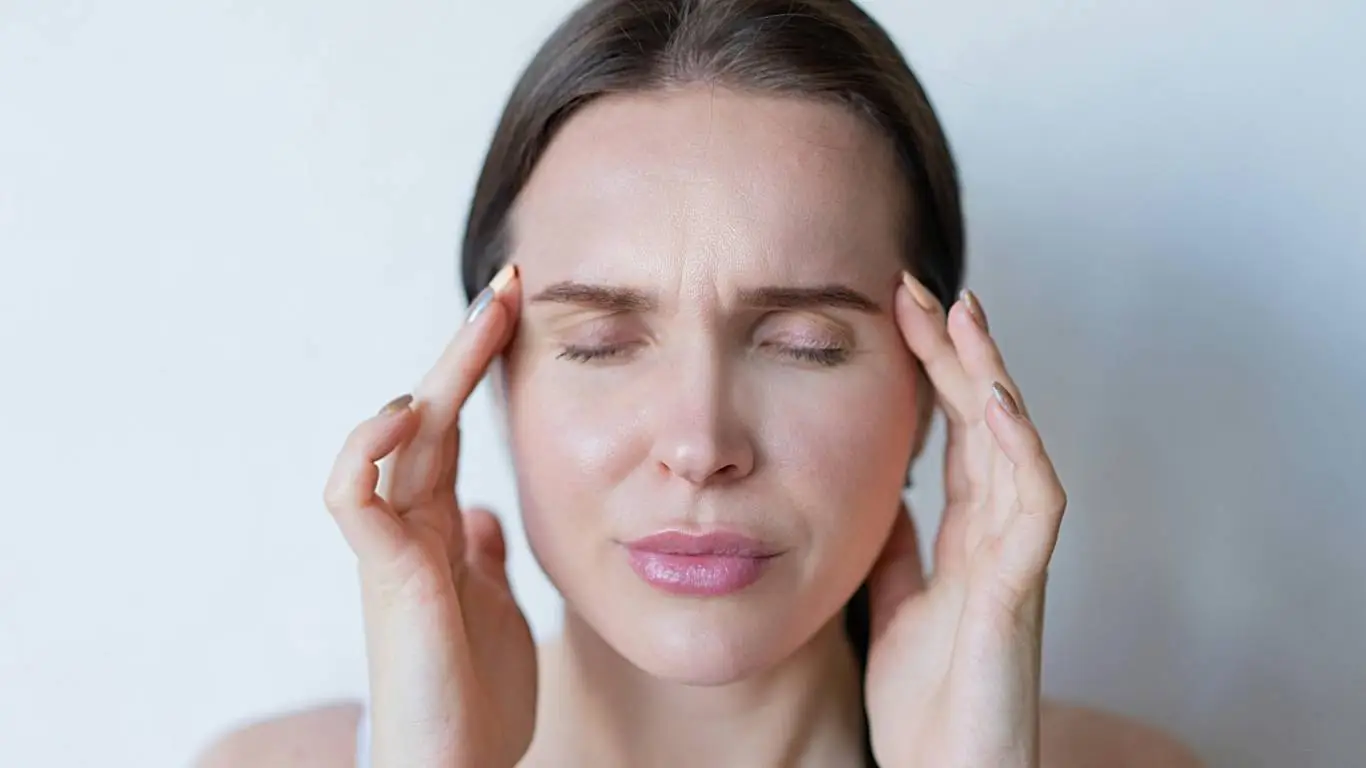
Living with silent migraines can be isolating. Because there’s no visible symptom like clutching your head or needing a dark room, people often misunderstand the condition. I’ve had to explain many times that it’s not “just stress” or that I’m not zoning out. These moments can impact productivity, trust, and even friendships if not communicated properly.
Tools like migraine tracking apps and wearable devices also help log and visualize patterns, which has helped me advocate better for myself in professional environments.
For those navigating career demands while managing symptoms, our guide on working with migraines offers practical advice and real-world coping techniques.
When to See a Specialist

If you’re unsure whether your episodes qualify as migraines or something else, it’s worth seeing a specialist. Silent migraines can be mistaken for seizures, stroke warnings, or even mental health issues. That uncertainty alone can be emotionally exhausting.
Neurologists trained in headache medicine can help rule out serious conditions and start a tailored treatment plan. Visit our resource on finding the right neurologist for migraine care to understand what questions to ask and what to expect.
Building a Support System

Joining a support group was one of the most grounding steps I took. Hearing others describe symptoms so eerily similar to mine—yet previously unspoken—was both validating and comforting. Online forums, local meetups, and social media groups all offer safe spaces to talk about silent migraines without judgment.
You’ll also find tips from health influencers and patient advocates on platforms like Instagram or YouTube. We’ve compiled a list of migraine influencers worth following for daily insights and empowerment.
And don’t forget, the best starting point is always our main migraine and headache hub, where you’ll find everything from root causes to prevention strategies, curated and organized for real-world use.