

Stages of a Migraine That Warn You Before Pain Strikes
It started like any other afternoon—I was sipping my second cup of coffee when a strange visual distortion crept in. Flickering lights in the corner of my vision, a hint of nausea, and this creeping pressure on one side of my head. Within the hour, I was curled up in a dark room, battling what I now know was a full-blown migraine attack. Understanding the stages of a migraine was a game changer for managing these episodes better—and possibly even preventing them.
Understanding the Four Stages of a Migraine

Migraines aren’t just “bad headaches”—they’re a complex neurological condition that unfolds in distinct phases. Not everyone experiences every stage, but recognizing them can help tailor treatment or lifestyle adjustments to minimize their impact. For those exploring the bigger picture of migraines, this overview of migraine mechanisms is a helpful starting point.
1. Prodrome: The Early Warning
The prodrome phase is subtle but telling. I’ve noticed this stage shows up about 24 to 48 hours before the main headache hits. Some signs I’ve experienced include:
- Unusual food cravings
- Increased yawning
- Neck stiffness and mood swings
- Difficulty concentrating
This phase can feel deceptively normal. But with experience, I’ve learned to spot it—and sometimes even slow the progression. Experts at Mayo Clinic note that early intervention during this stage can reduce migraine severity or stop it altogether.
2. Aura: When the Senses Misfire

Not everyone gets auras, but I do—about 30% of the time. Auras typically occur shortly before or during the headache phase and can last up to an hour. They’re usually visual, but can also be sensory or even verbal. Common aura symptoms include:
- Flashing or zigzag lights
- Blurred or lost vision in parts of the field
- Tingling in arms or face
- Speech disturbances
If you’ve had symptoms like this, this article on migraine aura signs offers more clarity. Some people also report “silent migraines” where aura occurs without pain—something I’ve had once, and it was surprisingly disorienting. If that sounds familiar, explore silent migraine types.
3. Headache Phase: More Than Just Pain

This is the stage most people associate with migraines—the pounding, throbbing pain usually localized to one side. For me, it feels like a jackhammer behind my eye, often accompanied by nausea and intense light sensitivity. Depending on the severity, this phase can last from 4 to 72 hours.
Some common characteristics include:
- Moderate to severe head pain
- Nausea and vomiting
- Sensitivity to light, sound, and smell
- Neck pain or tension
One thing I’ve learned is that timing matters. OTC treatments like over-the-counter migraine meds work best if taken early in this phase. If the pain escalates, prescription options or alternative therapies—such as CGRP inhibitors—may be more effective.
4. Postdrome: The “Migraine Hangover”

Once the pain lifts, I wish it were over—but there’s often a lingering fog, like a hangover without the party. This postdrome phase can last a day or more. I usually feel drained, foggy, and hypersensitive.
During this stage, people often report:
- Fatigue or exhaustion
- Brain fog or confusion
- Difficulty concentrating
- Body aches
It’s tempting to jump right back into normal routines, but I’ve learned to respect this recovery phase. Pushing through too fast can sometimes trigger a rebound attack. More insights on how migraines and poor sleep quality interact are worth reading if you’re stuck in this cycle.
Why Knowing These Stages Matters

Identifying the stage you’re in can significantly affect how you manage your migraine. Over the years, tracking my own episodes has helped me discover patterns—like hormonal shifts or certain food triggers—that align with specific phases. If you haven’t already, keeping a migraine diary like the guide outlined here can reveal surprising patterns.
I’ve also noticed that combining lifestyle tweaks—like hydration and regular sleep—with professional tools from the American Migraine Foundation improves my recovery and reduces episode frequency.
For those exploring triggers, there’s a dedicated cluster on migraine triggers that breaks down common culprits like stress, hormones, and weather patterns.
And of course, don’t miss the main migraines & headaches hub for a deeper dive into treatments, prevention, and how migraines affect different populations.
Managing Each Stage of a Migraine

Once I learned to recognize the phases of a migraine, I realized each stage needed its own kind of support. A “one-size-fits-all” migraine remedy just didn’t work for me. Whether I’m prepping for a storm of symptoms or recovering from the aftermath, the tools and routines I use depend heavily on what phase I’m in.
Handling the Prodrome Phase
This is when I try to intercept the migraine before it escalates. My go-to strategy includes hydration, cutting back on screen time, and gentle movement like stretching or yoga. Avoiding known triggers also becomes a priority. If you’re still figuring out what sets your migraines off, consider exploring common dietary triggers or reviewing weather-based migraine patterns.
Supplements like magnesium have helped me reduce the frequency of episodes when used consistently. Learn more about their role in prevention at magnesium and migraine.
What to Do During Aura
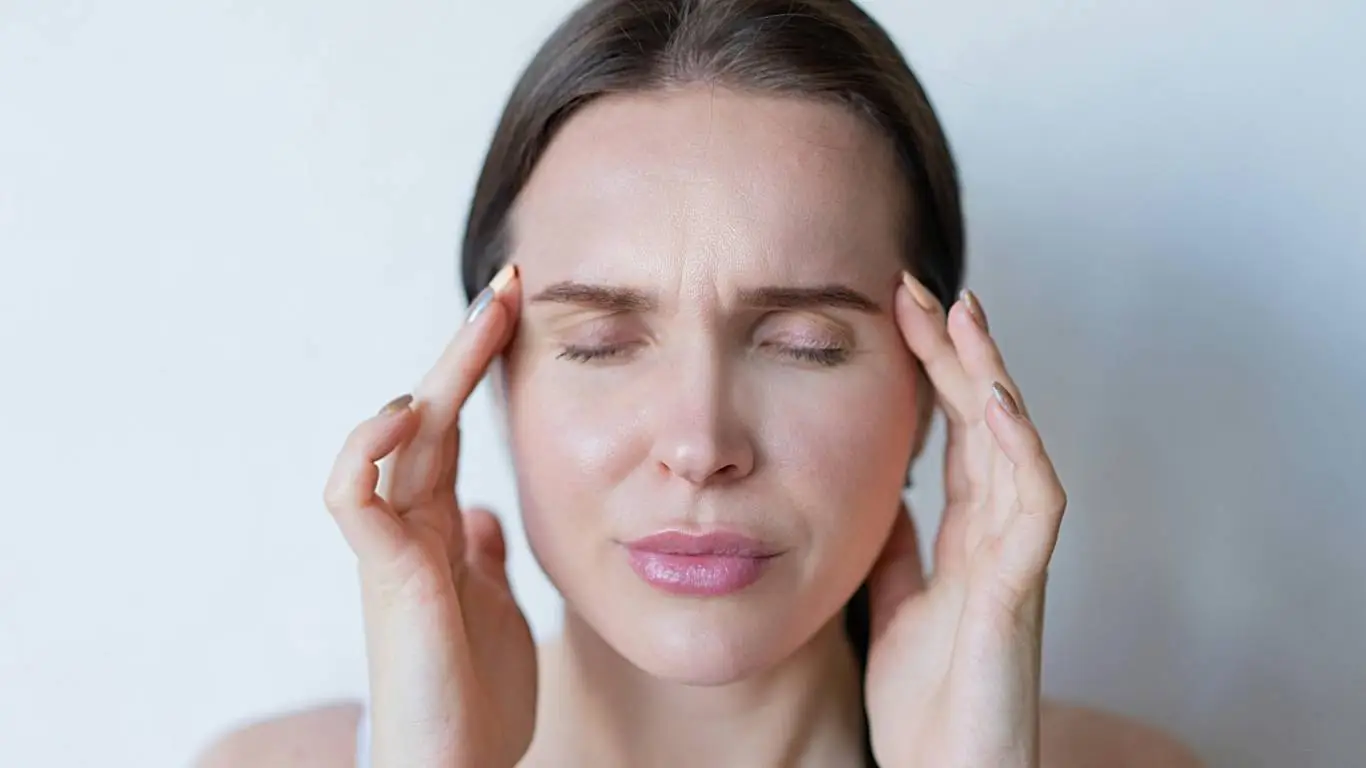
When I start seeing those shimmering lights or feel tingling in my arms, I know I have about 20–60 minutes to act. Lying down in a quiet, dark place and focusing on breathing helps reduce my stress response. I’ll often apply cold packs to my temples or back of my neck, a method also recommended in hot and cold migraine therapy.
This is also the best window to take fast-acting treatments. I personally rely on my prescribed triptan during this phase, but those exploring alternatives might want to read up on Botox for chronic migraine or newer options like wearable devices.
Navigating the Headache Phase
This is survival mode. The room goes dark, noise is off-limits, and my priorities shift to comfort and containment. Over-the-counter meds like NSAIDs help if taken early, but when the pain’s in full swing, I often rely on a combination of medication, aromatherapy, and earplugs. If you’re sensitive to sound like I am, these migraine-friendly earplugs are worth looking into.
Some days, I’ll wear my blue light glasses even indoors to help reduce visual triggers. I used to think these were gimmicky, but after trying a few from migraine-specific brands, I’ve been converted. Here’s an in-depth look at how they actually help.
Recovering from the Postdrome

Recovery deserves as much care as the attack itself. I’ve found that light nutrition, hydration, and sleep hygiene make a big difference. Drinking an electrolyte-based beverage, stretching gently, or just resting with a cool compress helps speed up my return to normalcy.
If I push through this phase too quickly, I’ve noticed symptoms creep back. And I’m not alone—research shared by the National Institutes of Health suggests that migraine postdrome fatigue can last as long as the headache itself. It’s important to allow your body the space to reset.
Prevention and Long-Term Migraine Care

Once I started documenting my migraines consistently using a diary app, I began seeing patterns. For instance, I noticed that poor sleep quality or skipping meals often led to episodes. Making small but intentional changes made a huge difference. If you’re just starting out, this migraine diary guide is a practical resource.
In addition to lifestyle shifts, I’ve found a lot of value in combining modern treatments with complementary care. Practicing gentle yoga flows for migraine, using essential oils, and even trying cognitive behavioral therapy (CBT) have all made a difference in how I manage chronic episodes.
Staying Informed and Connected
One underrated aspect of managing migraines is staying informed and feeling less alone. I follow a few neurologists and patient advocates on social media who share helpful, evidence-based tips. You can find some great recommendations in this curated list of migraine influencers to follow.
Also, the migraines and headaches hub connects all the major topics—from symptoms and treatments to lifestyle strategies and population-specific insights—so it’s a good page to bookmark or revisit.