

How Teen School Migraine Triggers Disrupt Learning and Focus
Back when I was in high school, I remember how migraine attacks would derail my entire day. One moment I’d be focused in math class, the next, I’d feel a throbbing pressure behind my eyes, sensitive to every flicker of fluorescent lighting or loud hallway noise. If you’re a parent, teen, or educator, understanding what triggers migraines in a school environment is more than just helpful—it’s essential.
Common School-Related Migraine Triggers in Teens

1. Inconsistent Sleep Schedules
Teenagers often juggle late-night study sessions with early school start times. The result? Irregular sleep patterns that can spark migraines. Sleep deprivation and oversleeping both disturb the brain’s pain-regulating mechanisms. Schools starting before 8 a.m. are especially problematic for teens whose natural circadian rhythms lean toward later wake times.
Encouraging better sleep hygiene—consistent bedtimes, limiting screen exposure at night, and even evaluating migraine-friendly sleep habits—can make a big difference.
2. Bright Lights and Screen Exposure
Fluorescent lighting in classrooms, combined with extended screen use, can trigger visual sensitivities. I used to dread computer labs for this very reason. The glare and flicker could bring on a migraine in under 30 minutes. Teens today spend hours on digital devices, both at school and at home.
Using anti-glare screens or blue light glasses can help filter harmful wavelengths. Teachers can also consider reducing overhead light intensity when possible.
Emotional and Cognitive Stress in Academic Settings

3. Academic Pressure and Test Anxiety
It’s no secret that teens face immense pressure to perform academically. From standardized tests to college prep, this high-stress environment can significantly contribute to migraine frequency. Emotional stress acts as both a trigger and a migraine intensifier, affecting the brain’s hypothalamic and limbic systems.
Schools can help by integrating mindfulness programs, while families might explore practices like CBT for migraine management or biofeedback therapy.
4. Peer Conflicts and Social Tension
Another underestimated trigger is emotional distress caused by social dynamics—bullying, peer pressure, or isolation. I still recall missing school dances not because I didn’t want to go, but because my migraines got worse around emotionally tense moments. Emotional volatility can spark cortical spreading depression, a brainwave event linked to migraine aura onset.
Environmental Factors Within the School
5. Noise Levels and Sensory Overload
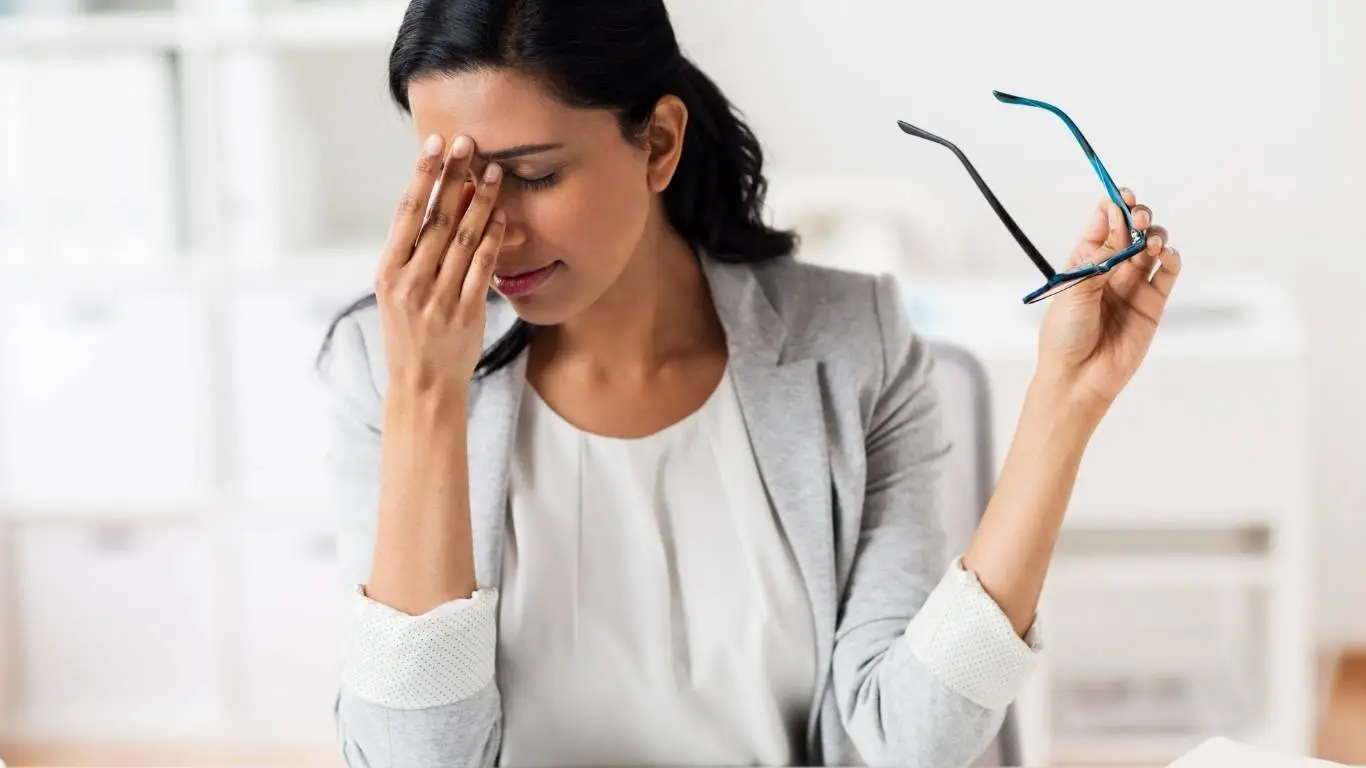
Hallway bells, crowded cafeterias, sports whistles—these aren’t just distractions for migraine-prone teens; they’re potential triggers. Migraineurs often exhibit heightened sensory sensitivity. Loud environments can rapidly escalate a mild headache into a full-blown migraine.
For some teens, earplugs for migraine sensitivity offer a helpful buffer in chaotic settings.
6. Food Skipping and Inconsistent Nutrition
Skipping meals or relying on vending machine snacks can quickly destabilize blood sugar levels, leading to migraines. I remember going straight from early gym class to lunch without eating anything—and that’s usually when the migraine would hit.
Providing teens with access to migraine-friendly foods or teaching them about hydration and nutrition can reduce episodes. A well-balanced breakfast before school is not just good advice—it’s preventative care.
Gender-Specific Triggers During Teenage Years

7. Hormonal Fluctuations in Adolescent Girls
For many teen girls, hormonal shifts related to menstruation can be a major trigger. Estrogen drops, in particular, are associated with increased migraine frequency. This is common during early puberty and can continue into young adulthood.
It’s worth discussing whether these migraines correlate with the menstrual cycle. For those affected, menstrual migraine strategies or exploring options like magnesium supplementation (per NIH research) may help.
8. Birth Control and Migraine Interaction
Some teens are prescribed hormonal birth control to regulate cycles or for other health reasons. However, not all contraceptives are migraine-safe—especially those with high estrogen content, which could increase stroke risk in migraine with aura cases.
Consulting a medical provider and reviewing resources like the birth control and migraines guide is crucial before starting hormonal treatments.
Underlying Health Conditions That May Go Unnoticed
9. Undiagnosed Neurological Issues
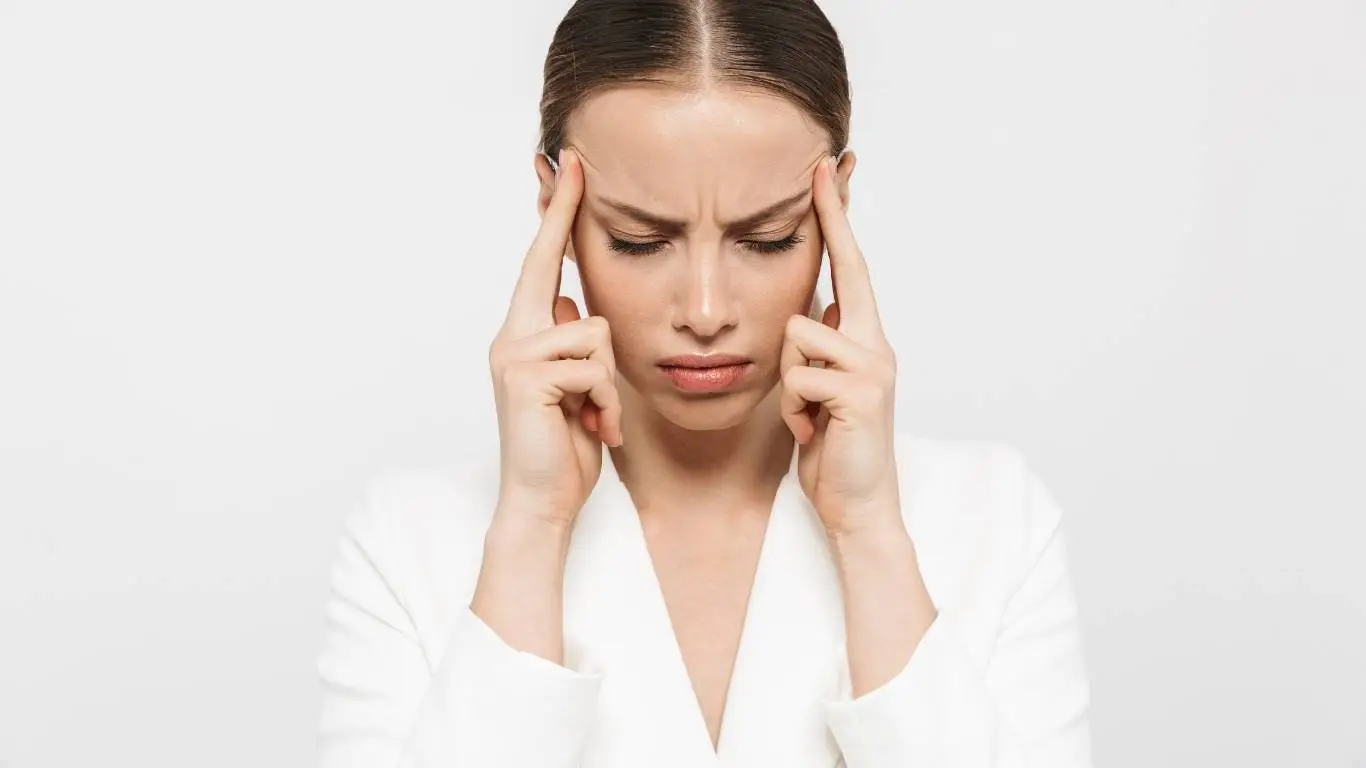
Sometimes, frequent migraines in teens might not be just school-triggered—they may indicate underlying neurological sensitivities. If symptoms persist despite lifestyle changes, seeing a neurologist for migraines can provide diagnostic clarity.
10. Comorbid Mental Health Conditions
Anxiety and depression—common among teens—can make migraines more frequent and harder to manage. According to data from CDC, rates of mental health challenges among adolescents have been rising steadily. Addressing both migraine and mental well-being in tandem is crucial.
Articles like anxiety migraines and depression and migraine provide insights on handling these overlaps effectively.
For a more comprehensive understanding of migraine mechanisms and causes, explore our Understanding Migraines hub, or return to the main migraines and headaches page as your central guide.
Lifestyle Adjustments to Reduce Teen Migraine Triggers

1. Keeping a Migraine Diary
One of the most helpful tools we used at home was a simple migraine diary. It helped identify patterns and triggers—like which school days led to attacks or which foods were suspect. For teens, journaling can reveal connections between migraines and specific classes, social situations, or activities.
To get started, see our migraine diary guide for templates and tips tailored to student life.
2. Nutrition Planning with a Professional
Skipping breakfast used to be my personal migraine nemesis. It wasn’t until we consulted a nutritionist for migraine diet plans that I understood how food timing and hydration were impacting me.
Balanced meals with slow-burning carbs, hydration breaks between classes, and avoiding known triggers like processed meats or MSG made school days more manageable.
Classroom Modifications and Accommodations
3. Personalized Learning Accommodations
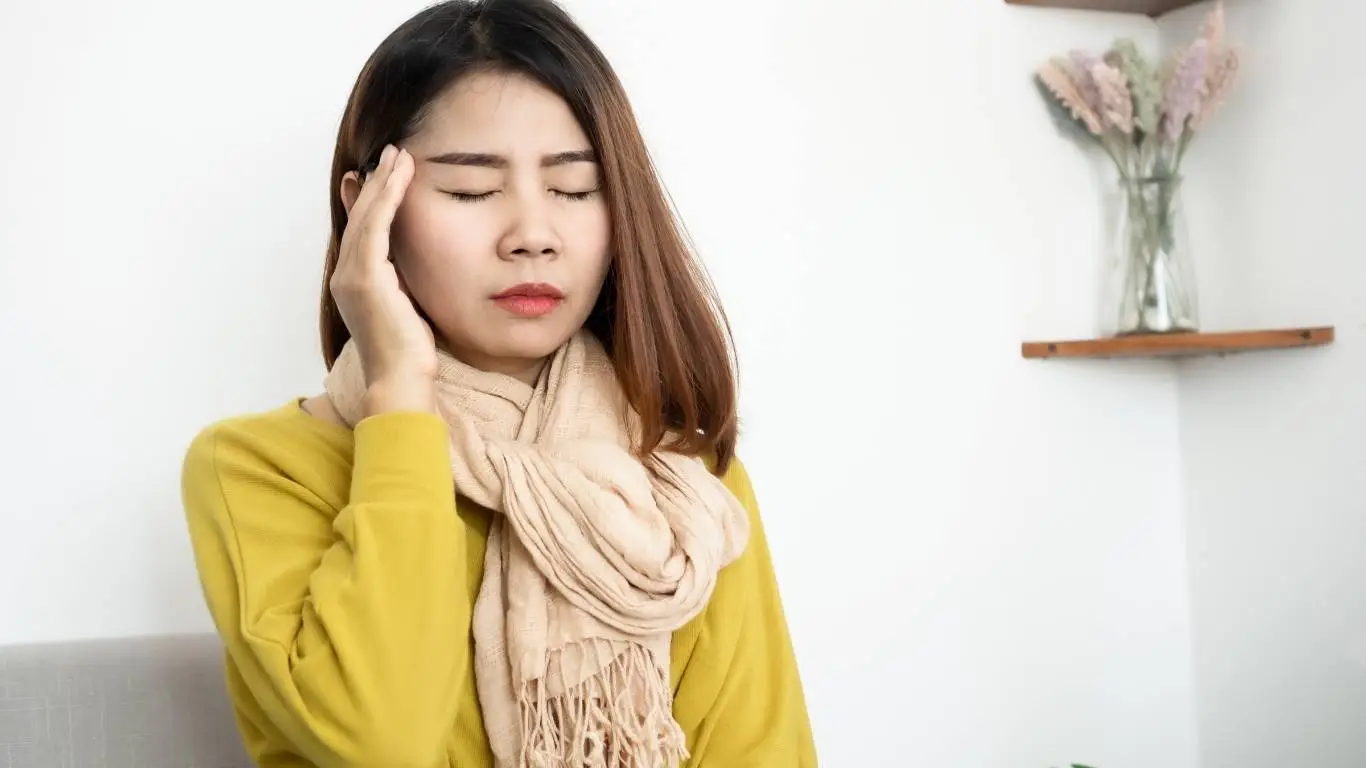
Many schools are open to making accommodations under a 504 plan or Individualized Education Program (IEP) for teens with chronic migraine. That might include extended test time, permission to wear sunglasses, or access to rest areas during flare-ups.
Sharing resources like the tips for professionals working with migraines can help educators better understand what support looks like in practice.
4. Adjusting Physical Education Requirements
Intense PE activities can be a trigger—especially in outdoor heat or noisy gymnasiums. Teens sensitive to this can work with their school counselor to create alternatives or participate in modified activities. For others, light physical activity under the right conditions might actually help prevent migraines, as explored in our article on the exercise–migraine connection.
Natural and Alternative Migraine Relief Options

5. Mind-Body Practices for Teens
Teens often respond well to integrative methods that reduce tension and promote balance. Practices like yoga for migraine, mindfulness meditation, and progressive muscle relaxation can be introduced gradually at home or in school wellness programs.
6. Magnesium and Vitamin Supplements
According to studies on NIH, magnesium and riboflavin (vitamin B2) may reduce migraine frequency in adolescents. These are generally safe, but always consult with a pediatrician first. Articles like magnesium for migraine and B2 and B6 migraine relief go deeper into evidence and dosage.
7. Herbal and Essential Oil Support
Teens may also find relief using essential oils like peppermint or lavender. A roller blend kept in a backpack or locker can help during early symptoms. For those curious about plant-based options, our guide to herbal migraine remedies offers insights based on both traditional and emerging science.
Technology and Tools to Manage School-Day Migraines

8. Wearable Devices for On-the-Go Relief
Wearables like Cefaly or Nerivio have gained popularity as non-drug options for migraine prevention or acute relief. Some teens use them at home before school or during early onset symptoms. See our reviews of Cefaly and Nerivio for more info on how these FDA-cleared devices work in real-world settings.
9. Smart Apps and Digital Tools
Teens are already glued to their phones—why not make it useful? Migraine tracking apps, reminders for hydration, or mindfulness sessions can be integrated into their digital habits. Our top migraine tracking apps list includes teen-friendly options with gamified features that increase usage and accountability.
Parent and Teacher Collaboration for Long-Term Support
10. Communication and Education Are Key
One of the biggest breakthroughs for us was consistent, transparent communication with teachers. Once they understood that migraines weren’t just “bad headaches,” they were much more supportive. Sharing articles from the migraine symptoms cluster can build empathy and awareness.
11. Planning for School Events and Field Trips
From loud assemblies to long bus rides, field trips and extracurriculars can throw off routines. With a little advance planning—hydration, snacks, shaded seating—it’s possible to participate without triggering a migraine. Some schools even allow students to bring essential oil kits or wear assistive glasses discreetly.
When Migraines Persist Despite All Efforts
12. Exploring Advanced Medical Options
When basic strategies aren’t enough, teens with chronic migraines may be candidates for medical treatments like Botox injections or CGRP inhibitors. These aren’t typically first-line treatments for young people, but in stubborn cases, they can offer meaningful relief under specialist guidance.
13. The Role of Neurologists and Specialists
Getting in touch with a pediatric neurologist can be life-changing. They can pinpoint rarer migraine types (like hemiplegic migraine), recommend advanced treatments, and help coordinate care across school and home environments.
If you’re just starting to explore how migraines work, don’t miss our Understanding Migraines guide, or return anytime to the Migraines & Headaches hub for more strategies, research, and teen-friendly insights.