

Smart Travel Tips For Migraine Sufferers Who Want Stress-Free Trips
Traveling is exciting, but if you’re prone to migraines, it can be a double-edged sword. I’ve had my share of last-minute hotel room migraines after long-haul flights—and believe me, nothing ruins a getaway faster than the pounding pain behind your eyes just when you’re supposed to be relaxing. Fortunately, with the right strategies, traveling with migraines doesn’t have to be a nightmare.
Understanding Travel-Related Migraine Triggers

Most people assume migraines strike randomly, but frequent sufferers know better. Travel comes with a unique set of challenges: disrupted sleep schedules, altitude changes, different foods, and even just the stress of navigating new environments. For many of us, those are all migraine landmines.
Common Migraine Triggers While Traveling
- Jet lag and irregular sleep
- Dehydration from air travel
- Unfamiliar foods and skipped meals
- Bright lights, noise, or strong scents in public spaces
- Stress from delays or itinerary changes
As someone who once tried to survive a red-eye flight with nothing but sunglasses and wishful thinking, I’ve learned the hard way that proactive planning is non-negotiable.
Essential Travel Preparation for Migraine Sufferers
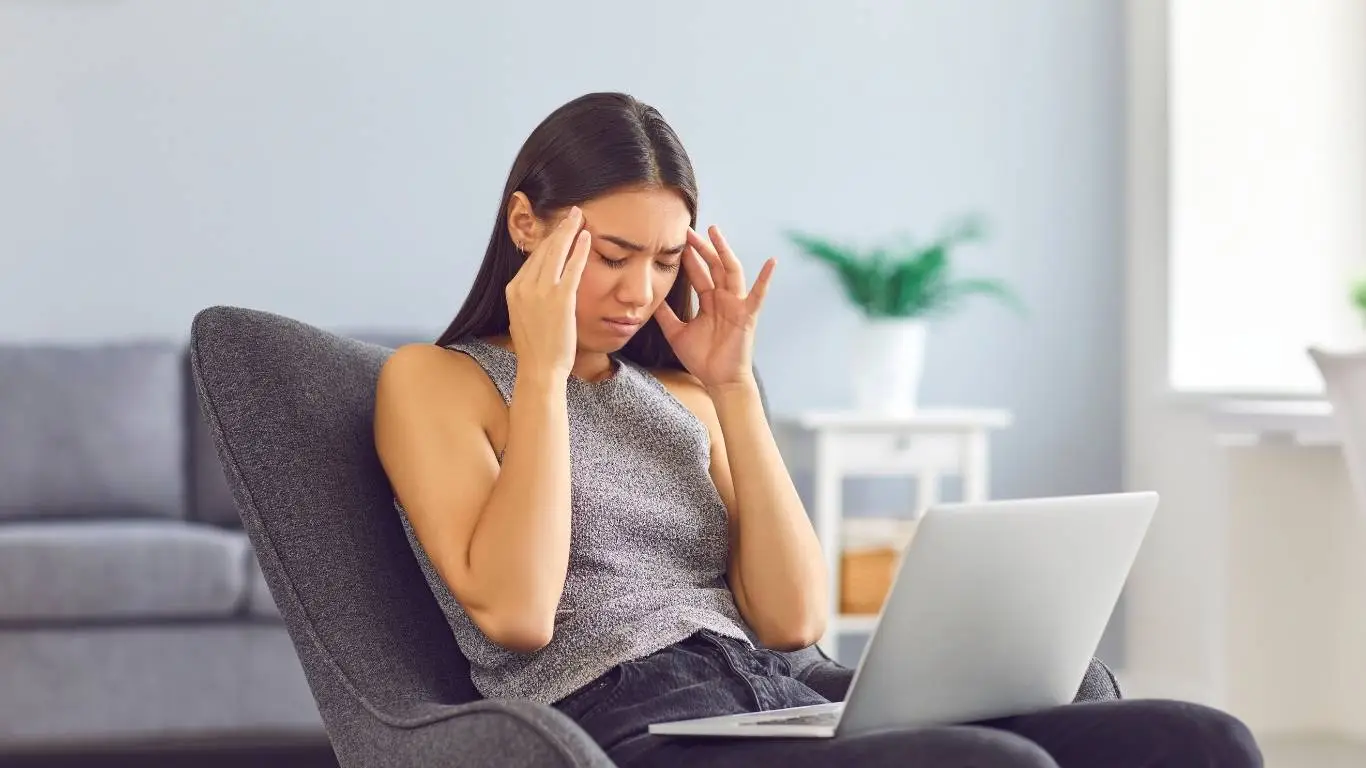
When planning a trip, I don’t just check flight times—I build a migraine-safe itinerary. Start with the basics:
Pack Smart with a Migraine Travel Kit
- Prescription medication (tripled-up, in case of delays)
- OTC pain relievers and anti-nausea aids
- Essential oils like peppermint or lavender
- Blue light-blocking glasses for screens and airports
- Neck pillow and blackout sleep mask
- Snacks and electrolyte packets
Even if you’re not using essential oils for migraine on a daily basis, they can be game-changers when navigating unfamiliar cities or crowded airplanes.
Pre-Trip Diet and Hydration
The week before flying, I start drinking more water than usual and cutting back on migraine-trigger foods. If you’re sensitive to processed meats, alcohol, or aged cheese, you might want to skip those pre-vacation indulgences.
Also, consider reviewing best foods for migraine to build your snack pack.
Choosing Migraine-Friendly Travel Options

Not all travel methods are created equal. I’ve found train travel to be much gentler on my migraine-prone system than airplanes. But when air travel is necessary, a few tweaks make all the difference.
Flight Booking Tips
- Choose early morning flights—less turbulence, fewer delays.
- Request a window seat on the wing for less motion.
- Bring noise-canceling headphones or earplugs for migraine sensitivity.
- Limit screen time or use blue-light glasses.
Accommodation Tips
Always ask about blackout curtains and quiet rooms when booking hotels. In my experience, even a good location can become a migraine trap if it’s next to a nightclub or under renovation. I once learned this the hard way in Rome—never again.
Managing In-Transit Migraine Symptoms

Despite best efforts, sometimes migraines still strike mid-journey. Don’t panic—having a reliable response plan helps reduce the severity.
On-the-Go Coping Tools
- Apply cold packs or menthol rubs on your neck or temples
- Practice deep breathing or guided meditation
- Use travel-size hot-cold therapy tools
- Excuse yourself to a dark corner or rest area
During one transatlantic trip, I had to spend a layover curled up behind a vending machine in Munich Airport with a lavender roller on my temples. Glamorous? No. Effective? Surprisingly, yes.
Consider Helpful Devices
If you haven’t already explored wearable devices, tools like Cefaly or Nerivio can provide relief in transit. They’re compact, TSA-friendly, and many travelers (myself included) swear by them.
Building a Migraine-Resilient Travel Routine

When migraines are part of your life, travel becomes a science—and a little art. I always track how I feel in different environments and log them in a migraine diary. It might sound obsessive, but it’s how I learned that certain regions’ humidity levels mess with my sinuses and increase my migraine risk.
Doctors now emphasize the importance of lifestyle management, and resources like migraine prevention strategies reinforce how individualized travel preparation can improve long-term outcomes.
For a deeper understanding of migraine physiology and triggers, I often refer back to Understanding Migraines—our comprehensive guide that explains what’s happening in the brain during these episodes. Everything connects when you start digging into patterns.
And don’t forget, the main migraines and headaches page has links to all clusters and specialized guides that can help you stay ahead of your next trip—without leaving your brain behind.
Adjusting Your Routine at the Destination

One of the most overlooked triggers is the shift that happens after arrival. Your body is still adapting to a new time zone, new sleep cycle, and possibly new altitude. I’ve learned not to jam-pack my first 24 hours—it’s about adapting, not achieving.
Maintain Core Routines
Even if you’re halfway across the world, your brain still wants consistency. That includes:
- Regular meal times (never skip breakfast—even if it’s just fruit)
- Bedtime and wake-up windows within 1 hour of your usual schedule
- Short walks or light exercise to stay balanced
I also bring my favorite pillow spray and a supportive travel pillow. These little comforts help signal to my body: it’s okay, we’re still us—even in a new place.
What to Avoid While Exploring

It’s tempting to try everything in a new destination. But if you’re a migraine warrior, a little moderation goes a long way. I once had a debilitating attack after spending the afternoon under strobe lights at a museum opening. Not ideal.
Environmental Triggers to Dodge
- Overstimulating attractions – flashing lights, loud performances
- Dehydrating beverages – alcohol, excessive caffeine
- New fragrances – hotel products, local incense, or perfume counters
- Excessive sun exposure – wear a hat and polarized sunglasses
If you’re exploring tropical or high-altitude places, prepare for temperature shifts. Check the weather-related migraine triggers in advance—some locations can be sneakily harsh.
Watch What You Eat (But Still Enjoy)
Yes, enjoy the local cuisine—but don’t dive into everything at once. I follow the “one-new-thing-a-day” rule and avoid common food triggers like aged cheese or cured meats unless I’ve had good sleep and zero stress.
If your migraine patterns tie into hormonal shifts, definitely read about hormonal migraine triggers before vacation timing—especially for longer trips or during menstruation cycles.
Making Your Hotel Room Migraine-Safe

Where you sleep matters. One thing I do the moment I check in? Block every tiny LED light. Alarm clocks, mini fridges, even glowing power switches—all taped over. Sound extreme? Maybe. But it’s saved me more than once.
Simple Adjustments That Help
- Use a sleep mask and noise machine app
- Unplug unnecessary electronics
- Keep electrolyte drinks in the mini-fridge
- Adjust air conditioning to avoid cold-induced migraines
Also consider your sleep position for migraine relief—especially if neck tension is one of your triggers. A supportive pillow setup makes a world of difference.
How to Handle Travel Emergencies

Sometimes, despite all the planning, a migraine catches you off guard. When that happens, don’t panic. There are always ways to regain control—even abroad.
Find Local Help Fast
Save these before you go:
- Nearest hospital or clinic with English-speaking staff
- 24/7 pharmacy location and emergency hotline
- Neurologist for migraine locator tools
Keep scanned copies of your prescriptions and doctor’s note in your email or phone just in case. I’ve had to use mine once in Bangkok—pharmacists appreciate the clarity, and I was back on my feet the next day.
Post-Travel Recovery Matters Too

After the trip ends, recovery begins. I always give myself a buffer day before going back to work—no meetings, no errands, just rest. It’s not laziness, it’s damage control.
Reset Your Internal Balance
- Sleep and wake up at your usual home schedule
- Stick to migraine-safe meals and hydration for 2–3 days
- Use migraine tracking apps to spot post-travel symptoms
If your symptoms linger or seem worse than usual, that’s the time to check in with your healthcare provider. Travel can unearth new triggers—and your next trip could benefit from a slightly different prep plan.
Build Experience, Not Just Itineraries

Every trip teaches me something new—not just about the world, but about how my body reacts to it. I’ve learned when to push forward and when to pause. Over time, this kind of body-mind awareness becomes second nature.
For more practical advice, check out how others manage migraines in everyday environments or explore our main guide on effective migraine treatments.
And if you’re just beginning this journey, start from the source: the Migraines and Headaches hub—it’s where your roadmap begins.