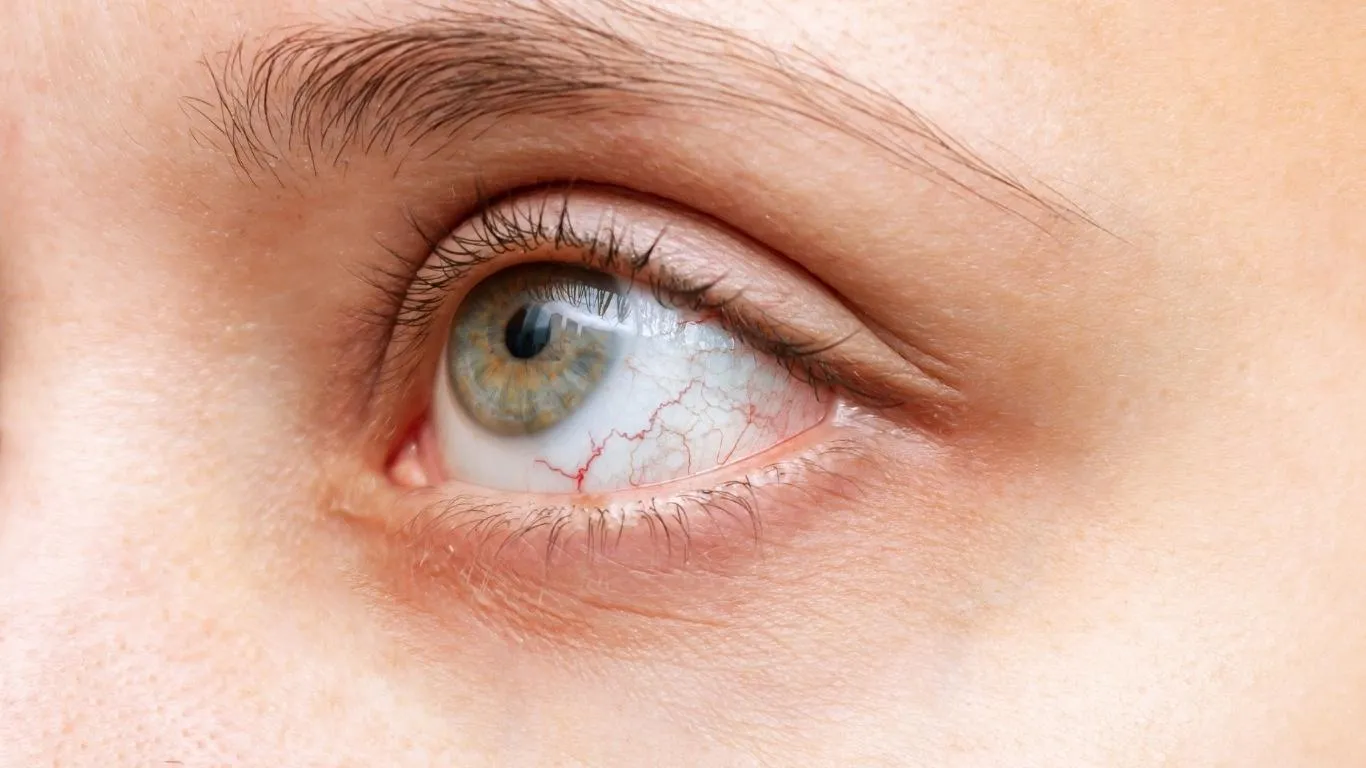
Parasitic Eye Infections Floaters May Be Harming Your Vision
If you’ve ever noticed strange little specks, threads, or cobweb-like shapes drifting across your vision, you’re not alone. For me, it started with a few annoying floaters that I chalked up to too much screen time. But things took a turn when they suddenly multiplied—and came with a weird itchy discomfort I couldn’t shake. That’s when my eye doctor mentioned something I’d never even considered: parasitic eye infections. Yep, real-life eye parasites, and they might just be the culprit behind some types of floaters. Creepy? For sure. But let’s talk about what’s really going on.
What Are Parasitic Eye Infections?
Parasitic eye infections are far from common, but when they hit, they can be seriously alarming. These infections occur when parasites—like worms, protozoa, or other organisms—invade structures in or around the eye. The result? Inflammation, tissue damage, and often the sudden onset of floaters that don’t behave like the typical age-related ones.
The most known offenders? Toxocara canis (from roundworms), Acanthamoeba (common in contaminated water), and Onchocerca volvulus (responsible for river blindness). These aren’t just tropical horror stories—they can happen anywhere, especially if you have pets, swim in untreated water, or wear contact lenses carelessly.
How Parasitic Infections Lead to Eye Floaters
When parasites enter the eye, they often invade the vitreous humor—the clear, gel-like substance filling your eyeball. Their movement, excretion, and eventual death can cause inflammation or create debris. That debris can manifest visually as floaters. Unlike normal floaters that stay still or move slowly, these can dart around or behave erratically.
Sometimes, it’s not the parasite directly but the immune system’s reaction that leads to floaters. White blood cells, necrotic tissue, and other inflammatory byproducts cloud the vitreous and appear as shifting shadows in your field of vision. In advanced cases, scarring or retinal detachment may follow.
Symptoms You Shouldn’t Ignore
- Sudden appearance or rapid increase in floaters
- Redness or persistent eye irritation
- Blurred or distorted vision
- Flashes of light (phosphene)
- Foreign body sensation
- History of contact with animals, contaminated water, or poor contact hygiene
If you’re seeing unusual floaters along with any of these symptoms, don’t wait. Parasitic infections can escalate quickly, and some floaters are genuine warning signs.
Real Cases: What the Data Says
In a study published by the CDC, ocular toxocariasis was reported in both children and adults who had been exposed to pets or soil containing contaminated feces. These patients often experienced visual disturbances, and in more than half the cases, floaters were one of the initial symptoms.
Other sources, like the National Library of Medicine, have documented floaters as early indicators of onchocerciasis, especially in endemic areas. Though rare in North America and Europe, travel-related cases have increased with global mobility.
My own experience? I had no idea my floaters were tied to the time I spent hiking in Southeast Asia. It wasn’t until I saw an ophthalmologist that the connection to a parasite-induced uveitis became clear. Luckily, early detection kept things manageable.
Diagnosis: What to Expect at the Doctor’s Office
If you suspect something more than typical floaters, here’s what an eye doctor might do:
- Slit-lamp exam: To inspect the front part of the eye in detail
- Funduscopy: A close look at the back of the eye, including the retina and vitreous
- OCT (Optical Coherence Tomography): To detect any inflammation or fluid buildup
- Blood tests or stool samples: Depending on suspected parasitic cause
- Ultrasound B-scan: Especially useful if the eye is too cloudy to view directly
In some cases, they may refer you to an infectious disease specialist. It’s all about ruling out—and treating—the cause quickly.
Common Parasites Behind Eye Floaters
1. Toxocara (from dogs and cats)
This roundworm is commonly found in pet feces. If you’ve ever cleaned a litter box or gardened without gloves, you’ve likely come into contact. In rare cases, it makes its way to the eye and causes ocular toxocariasis.
2. Acanthamoeba
This nasty organism thrives in tap water and soil. It’s a serious risk for contact lens wearers who rinse with tap water. Floaters from this infection are often paired with excruciating pain and blurred vision. Acanthamoeba keratitis isn’t just unpleasant—it can be vision-threatening if not caught early.
3. Loa Loa (African Eye Worm)
Travel to West or Central Africa recently? Loa loa is transmitted by deer flies and may migrate through the eye. Floaters may appear as the worm dies or damages internal tissues. It’s extremely rare but unforgettable.
Need more information about the different causes of floaters? This pillar article on eye floater causes breaks it down in detail.
And if you’re just getting started with understanding what floaters are and how they behave in the eye, check out this comprehensive eye floaters overview to get the full picture.
Treatment Options for Parasitic Eye Floaters
Getting rid of floaters caused by parasites is not just about waiting them out. Once your doctor identifies the culprit, treatment usually kicks off fast. For many, antiparasitic drugs are the first line of defense. I was prescribed albendazole after toxocariasis was suspected—two weeks later, my floaters had faded significantly.
Depending on the parasite and severity, you might need:
- Antiparasitic medications: Albendazole, ivermectin, or diethylcarbamazine are commonly used
- Steroids: To reduce inflammation, especially if floaters stem from immune response
- Topical or oral antibiotics: If a secondary bacterial infection is suspected
- Vitrectomy: In rare cases where floaters persist or threaten vision, this surgical option removes the vitreous gel
Floaters linked to parasite-induced uveitis may require long-term monitoring. Steroid drops helped me during flare-ups. It’s important to follow your ophthalmologist’s regimen to the letter—no skipping meds or assuming you’re fine once symptoms ease.
What Recovery Really Looks Like
One of the most frustrating things about these floaters is that they don’t always disappear right away. Some people see immediate relief after treatment, while others notice gradual improvement over weeks or months. In my case, the smaller floaters resolved fast, but a few stubborn ones lingered like party guests who missed the hint to leave.
What helped me most:
- Hydration and balanced nutrition (yes, even floaters benefit from better blood flow and healing)
- Limiting screen time when symptoms flared
- Wearing sunglasses outdoors to reduce eye strain and photophobia
- Regular follow-ups to check for retinal scarring or detachment
If you’re dealing with a recent infection, keep expectations realistic. Sometimes, the floaters fade into the background. Your brain can “tune them out” over time. If not, options like vitreolysis or vitrectomy are on the table, but those come with their own risks.
How to Prevent Parasitic Eye Infections (and Floaters)
The good news? Most parasitic infections are preventable with a few smart habits. I used to rinse my contact lenses with tap water—big mistake. Since changing that (and being more cautious around pets), my eyes have thanked me.
Simple but effective prevention tips:
- Always wash hands before touching your eyes or contact lenses
- Use sterile solution for lenses—never tap water or saliva
- Wear swim goggles in lakes, pools, or hot tubs
- Keep pets dewormed and avoid letting them lick your face
- Wear gloves when gardening or cleaning litter boxes
- Be cautious when traveling—especially in tropical or high-risk areas
Also, if you’re experiencing a sudden increase in floaters, don’t brush it off. Your eyes are telling you something—and sometimes that “something” is a parasitic invasion waiting to be caught early.
What If Floaters Don’t Go Away?
Floaters that stick around after treatment aren’t always dangerous, but they can be annoying. If they’re interfering with your daily life, talk to a retina specialist. Depending on your case, they might suggest:
- Laser vitreolysis: Breaks floaters into smaller, less noticeable particles
- Vitrectomy: A more invasive but highly effective procedure where the vitreous gel is removed and replaced
But here’s the deal—surgeries always carry risks. We’re talking cataracts, retinal tears, infections. In most cases, doctors prefer a conservative approach, especially when floaters are stable and not affecting your vision significantly. The goal is vision clarity without unnecessary trauma.
Before considering surgical options, read this breakdown on how floaters differ from other vision problems. It might help you determine whether you’re dealing with something benign or a bigger issue.
When It’s Something More Serious
Some floaters are red flags, especially if they appear suddenly or come with other symptoms like light flashes, shadows, or eye pain. In rare cases, parasitic floaters signal a retinal tear or detachment. That’s a medical emergency, no exaggeration.
Signs to watch for include:
- A curtain-like shadow across your vision
- Sudden vision loss
- Flashes of light not related to migraines
- Floaters shaped like black threads or rings
If anything feels “off,” get checked. Even if it’s nothing, peace of mind is worth it. I went in once thinking I had another parasitic flare—it turned out to be just dry eye and old floaters shifting around. Still, no regrets playing it safe.
To stay informed about causes beyond parasites, this full guide on posterior vitreous detachment is worth your time—it’s the most common reason floaters show up in adults and may overlap symptoms.
Want to understand how all types of floaters—from age to injury to infection—connect? This foundational article gives you the whole picture: What Are Eye Floaters: Causes, Symptoms, and Treatment Options.

Camellia Wulansari is a dedicated Medical Assistant at a local clinic and a passionate health writer at Healthusias.com. With years of hands-on experience in patient care and a deep interest in preventive medicine, she bridges the gap between clinical knowledge and accessible health information. Camellia specializes in writing about digestive health, chronic conditions like GERD and hypertension, respiratory issues, and autoimmune diseases, aiming to empower readers with practical, easy-to-understand insights. When she’s not assisting patients or writing, you’ll find her enjoying quiet mornings with coffee and a medical journal in hand—or jamming to her favorite metal band, Lamb of God.