Pros and Cons of Antidepressants for Anxiety Relief
Let’s talk about something most of us have silently Googled at 2 a.m.—antidepressants for anxiety. I remember sitting on my couch after a panic attack that felt like a heart attack, scrolling through forums and reading article after article, wondering if medication was my last resort or my first real step toward stability. I wasn’t even sure if what I was feeling was “bad enough” to consider antidepressants. Maybe you’re in the same boat—unsure, overwhelmed, and desperately needing answers that don’t sound like they were written by a robot or someone who’s never had a racing heartbeat at a red light. So let’s get real, human-to-human, and dive into the honest pros and cons of using antidepressants for anxiety.
How Antidepressants Actually Work for Anxiety

First off, antidepressants aren’t just for depression. That surprised me too. They’re often prescribed for anxiety disorders like generalized anxiety disorder, panic disorder, and social anxiety. The idea is to balance the brain’s neurotransmitters—like serotonin, norepinephrine, and dopamine—so your nervous system isn’t always screaming “threat!” when it’s just Tuesday.
SSRIs (Selective Serotonin Reuptake Inhibitors) are usually the go-to. Think medications like sertraline (Zoloft) or escitalopram (Lexapro). SNRIs (Serotonin-Norepinephrine Reuptake Inhibitors), like venlafaxine, are also common.
What Happens in Your Brain?
- SSRIs block the reabsorption of serotonin, increasing its availability
- More serotonin means better mood regulation and lower reactivity to stress
- They don’t numb your feelings—they help keep emotional waves manageable
There’s a science-backed reason they’re so widely prescribed. According to the National Institute of Mental Health, medication can help rewire the anxious brain over time. And you don’t even need to take them forever (more on that below).
The Real Pros of Antidepressants for Anxiety

Let’s cut through the fluff. These are the upsides I—and many others—have genuinely experienced or witnessed:
- They work for a lot of people. Studies show SSRIs can significantly reduce anxiety symptoms in 60–80% of users after several weeks.
- No constant panic baseline. For me, they quieted that ever-present hum of dread that made even brunch feel scary.
- Improved sleep and focus. When your anxiety is under control, your mind doesn’t jump to worst-case scenarios at 3 a.m.
- They’re often safer long-term than benzos. Benzodiazepines work fast but can become addictive; SSRIs are non-habit forming.
- Used alongside therapy, they’re powerful. I finally had the emotional bandwidth to benefit from CBT when the constant mental noise got dialed down.
The Cons You Should Honestly Know About

This isn’t a one-size-fits-all scenario. And antidepressants aren’t magic pills. Here’s what’s often glossed over:
Side Effects—Sometimes Annoying, Sometimes Deal-Breaking
- Nausea, headaches, and dizziness are super common for the first couple of weeks
- Sexual dysfunction (reduced libido, difficulty orgasming) affects a lot more people than they admit to their doctor
- Weight changes—some gain, some lose, some stay the same, but it’s unpredictable
My first SSRI had me clenching my jaw and grinding my teeth so badly at night, I chipped a molar. I switched meds, and that side effect disappeared. But the trial-and-error phase can suck, and it’s not something doctors always warn you about upfront.
They Take Time
Most people don’t feel better overnight. It can take 4–6 weeks to notice a difference—and those first few weeks might actually feel worse. That’s because your brain is adjusting. Not everyone can power through that waiting period, especially when anxiety already feels unbearable.
They Don’t Address the Root Cause
Medication is a tool, not a cure. If your anxiety is rooted in past trauma or chronic stress, pills alone won’t fix it. They help you *function* better while you do the deeper work, often through therapy or lifestyle shifts.
Who Might Want to Think Twice
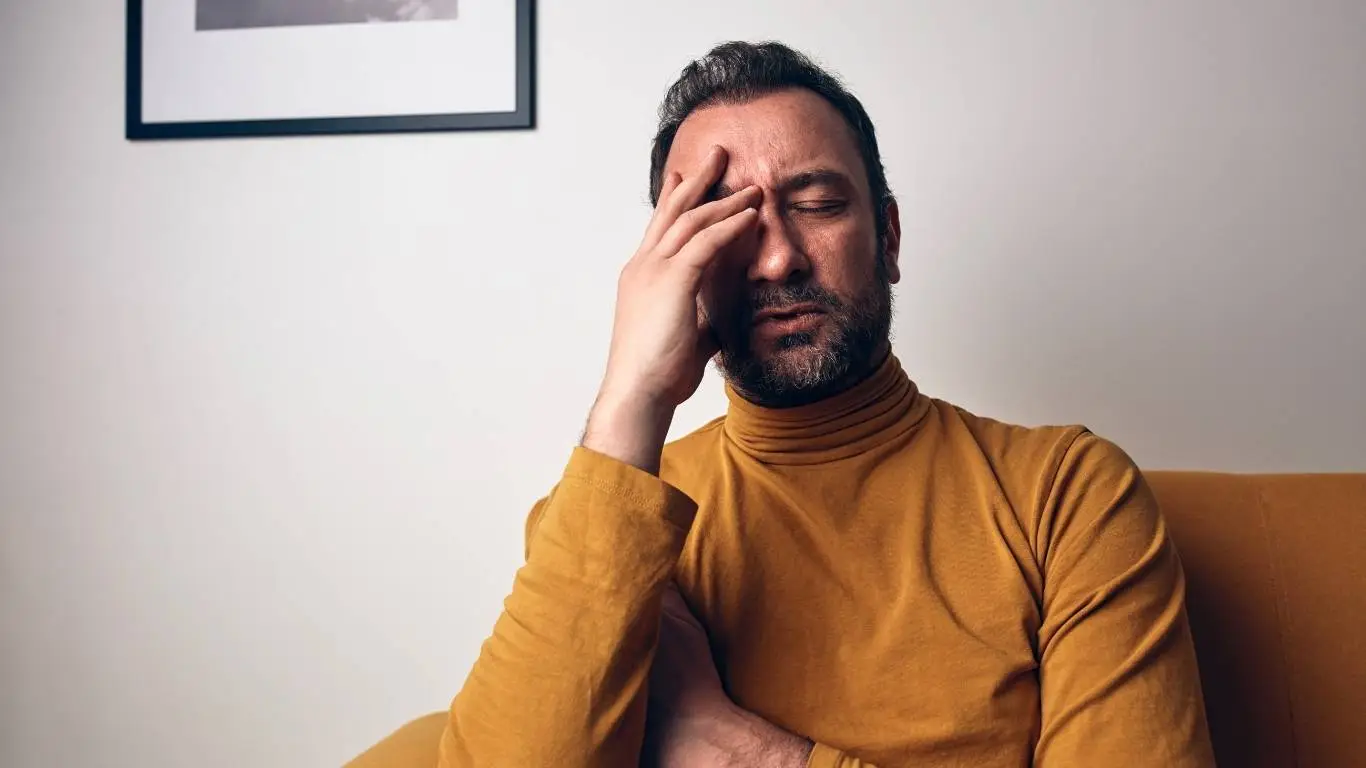
Some people genuinely don’t do well on antidepressants. If you have a history of bipolar disorder, for instance, SSRIs can trigger manic episodes. Others just hate the way they feel on meds and prefer lifestyle approaches like breathwork, nutrition, and exercise to manage their anxiety.
If you’re concerned about overmedication, it’s worth knowing that many people taper off after 6–12 months once their symptoms improve. But when used responsibly, they can offer a lifesaving level of relief.
Getting the Right Diagnosis and Support

You can’t treat what you don’t understand. That’s why a proper diagnosis is key. When I finally sat down with a professional instead of self-diagnosing with online quizzes, I felt seen. And that opened the door to real treatment, not just guesswork.
And if you’re wondering how anxiety quietly creeps into your everyday life, you might want to read this foundational article: Why Anxiety Disorders Can Secretly Control Your Daily Life. It’s eye-opening, especially if you’ve been high-functioning but constantly on edge.
Still undecided? Explore a broader breakdown of the best medical treatment options for anxiety to see where antidepressants fit into the bigger picture.
Combining Antidepressants with Non-Medication Strategies

Okay, so let’s say you’ve started antidepressants—or you’re still on the fence—but either way, you’re not looking for a “pop a pill and ignore everything else” solution. That’s smart. Because meds work best when paired with other anxiety management tools. I didn’t realize this at first, but once I layered in non-medication approaches, I started to feel like *me* again—not just “less anxious,” but actually grounded.
Therapy Isn’t Optional (At Least Not for Long)
You’ve probably heard this a dozen times, but cognitive behavioral therapy (CBT) really does help rewire your anxious thoughts. I resisted it at first—talking about my feelings with a stranger felt weird—but once the meds leveled me out, therapy finally started to stick.
Lifestyle Tweaks That Amplify the Effect
- Daily movement: I’m not a gym rat, but even 20-minute walks lowered my heart rate and cleared my head
- Better sleep habits: Cutting screen time before bed and having a wind-down routine changed everything
- Nutrition: Fewer energy drinks, more magnesium-rich foods—these made a bigger difference than I expected
The combo of meds and life shifts doesn’t have to be extreme. Small, consistent changes really do add up. And suddenly, you realize you’re not spiraling over texts left on “read” or feeling like you’re choking in line at the grocery store.
Long-Term Use: What Does the Journey Look Like?

This was a huge question for me: How long do I need to stay on this stuff? Some doctors say 6–12 months, others longer. It really depends on how deep your anxiety runs, how much support you have, and whether you’ve tackled the underlying patterns fueling it.
When I started, my goal wasn’t “forever,” it was “function.” And honestly, that shift in mindset helped. Once I wasn’t drowning every day, I could start making healthier decisions, setting boundaries, showing up for people again. Then, and only then, did I feel safe tapering off—with my doctor’s help, of course.
Coming Off Antidepressants
Some people experience discontinuation symptoms—dizziness, mood swings, zapping sensations. Tapering slowly is key. Don’t white-knuckle it. Your brain needs time to readjust. I took months to wean off, and I still kept my therapist on speed dial. No shame in that.
What Doctors Don’t Always Tell You

This one’s personal. I wish someone had told me it was okay to ask questions, to challenge my first prescription, to not settle for “just wait and see.” So here’s what I’ve learned:
- You don’t have to stay on the first med you try. Side effects are a valid reason to switch
- Your gut feeling matters. If something feels off—mentally, emotionally, physically—bring it up
- You’re not being “dramatic” by wanting help. Anxiety is real. And it’s treatable
Doctors mean well, but they’re not living in your brain. Don’t be afraid to advocate for yourself. I found more clarity when I read this honest breakdown of how anxiety diagnoses often get misunderstood. It’s validating, especially if your symptoms feel invisible from the outside.
Exploring Alternatives If Antidepressants Don’t Fit

Not every path leads through a prescription pad. If antidepressants feel wrong for you—or you’ve tried them and hated how they made you feel—there are solid alternatives worth considering:
- Herbal support: Some find real relief with herbal remedies like ashwagandha or passionflower
- Omega-3s: I started taking them alongside my meds, and the mood support felt legit
- Breathwork and meditation: Not just woo-woo stuff—these practices have measurable effects on your nervous system
- Yoga: Not just stretching—there’s solid science behind yoga for anxiety
I’m not here to say ditch meds and go full granola. But for some, blending these with or instead of medication creates a personalized toolkit that actually works.
The Judgment Factor (and How to Ignore It)

Let’s address the stigma elephant in the room. People will always have opinions—“Why are you taking pills?” or “Can’t you just meditate more?” Honestly, I’ve heard it all. But none of those people were there when I couldn’t leave my house because of irrational fear or when I cried in the bathroom before work meetings.
Taking antidepressants for anxiety doesn’t make you weak—it means you’re doing what you need to function, to heal, to live. That’s brave. That’s smart. And it’s your journey, not anyone else’s.
If you want a deeper look at how anxiety treatment can be multi-dimensional—covering medical, lifestyle, and alternative approaches—check out this comprehensive pillar: Anxiety Disorders Psychotherapy & Counseling. It’s packed with useful insights that complement or even substitute medication paths.
And of course, no matter what direction you’re heading, never forget the big picture: Anxiety can quietly take over your life—but with the right tools, it doesn’t have to stay that way.

Camellia Wulansari is a dedicated Medical Assistant at a local clinic and a passionate health writer at Healthusias.com. With years of hands-on experience in patient care and a deep interest in preventive medicine, she bridges the gap between clinical knowledge and accessible health information. Camellia specializes in writing about digestive health, chronic conditions like GERD and hypertension, respiratory issues, and autoimmune diseases, aiming to empower readers with practical, easy-to-understand insights. When she’s not assisting patients or writing, you’ll find her enjoying quiet mornings with coffee and a medical journal in hand—or jamming to her favorite metal band, Lamb of God.