Shortness of Breath Anxiety That Feels Scary But Isn’t Dangerous
It hit me in the middle of a grocery aisle. One second, I was reaching for a carton of almond milk, and the next, it felt like I couldn’t breathe. My chest tightened, my heart pounded, and the world felt like it was closing in. I wasn’t dying, although that’s exactly what it felt like—I was having an anxiety-induced shortness of breath episode. If you’ve been there, you know how terrifying it can be. And if you haven’t, it’s hard to grasp how real and physical anxiety symptoms can get.
Why Anxiety Makes It Hard to Breathe
Shortness of breath from anxiety isn’t just “in your head”—it’s a physiological reaction your body creates when it thinks you’re in danger. The moment your brain perceives a threat (real or imagined), your sympathetic nervous system kicks into high gear. This “fight or flight” response floods your body with adrenaline, increasing your heart rate and respiration. You start to breathe faster, but often more shallowly, which only fuels the sensation that you can’t get enough air.
It’s a vicious cycle: the more anxious you feel, the more you hyperventilate. The more you hyperventilate, the more anxious you become. Sound familiar?
Hyperventilation and the Anxiety Loop
Most people don’t realize they’re overbreathing during anxiety. Hyperventilation lowers carbon dioxide levels in your blood, which causes lightheadedness, tingling in the limbs, and—you guessed it—shortness of breath. You might feel like you need to “catch your breath,” but in reality, you’ve probably been breathing too much.
- Rapid, shallow breathing
- Tightness in the chest
- Feeling like you can’t take a deep breath
- Frequent yawning or sighing
It’s easy to mistake these symptoms for a heart or lung problem. I remember once Googling my symptoms and convincing myself I had a serious heart condition—turns out, that only added to the anxiety spiral. A lot of people end up in ERs this way. Understanding what’s happening is half the battle.
The Body’s Misinterpreted Signals

When your brain thinks you’re under attack, it doesn’t care if the “threat” is a deadline, a presentation, or a breakup—it prepares your body for war either way. The muscles around your chest may tense, your breathing changes, and your awareness of every physical sensation increases. That can amplify what’s called interoceptive sensitivity, meaning you become hyper-aware of internal bodily sensations and misread them as dangerous.
If you’ve ever panicked because you couldn’t draw a satisfying breath—even though your oxygen levels were fine—you’ve experienced this. It’s one reason anxiety-related shortness of breath often feels worse than it physically is.
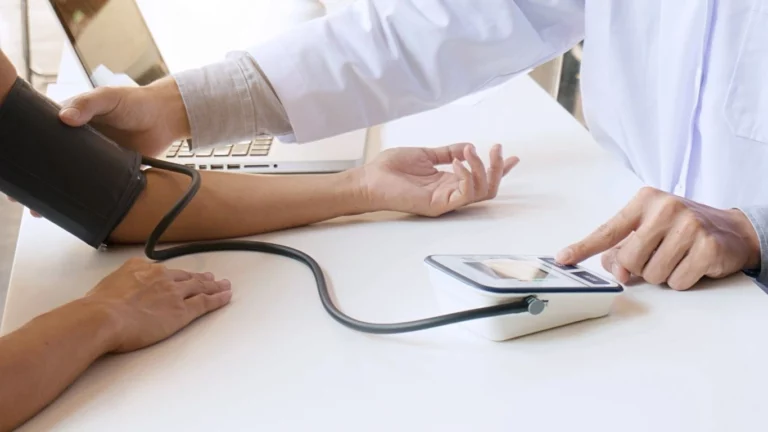
Doctors who understand anxiety disorders will often use tools like the GAD-7 questionnaire to screen for underlying anxiety. This kind of proactive assessment can help prevent misdiagnosis and unnecessary testing.
How to Know It’s Anxiety and Not Something Else
Of course, it’s always important to rule out real medical issues like asthma, COPD, or cardiac conditions. Once your doctor gives you the all-clear, though, and you’re still struggling with unexplained episodes of shortness of breath—there’s a high chance anxiety is playing a key role.
- Does it come on suddenly with no physical exertion?
- Does it coincide with stress, fear, or panic?
- Do breathing exercises help calm it down?
- Are you able to distract yourself and feel better over time?
If you answered yes to most of those, anxiety could be the culprit. For me, learning that my symptoms were valid but not dangerous was an emotional turning point. It didn’t make them go away instantly, but it removed the terror from the experience.
This article on panic attacks vs. heart attacks explains more about the blurred lines and how anxiety often mimics serious illness, even though the root is psychological.
What Helps When You Can’t Catch Your Breath

Okay, here’s where we get practical. I’ve tried a LOT of things to manage anxiety-related shortness of breath. Some didn’t stick—but others changed the game. What works will vary for each person, but here are some methods that have strong support:
1. Breathing Exercises That Actually Work
I used to scoff at breathing techniques until I tried the ones from this article: breathing exercises for anxiety relief. It’s not about taking deep breaths—it’s about slowing down and retraining your breath rhythm.
- Box breathing: Inhale for 4, hold for 4, exhale for 4, hold for 4.
- Diaphragmatic breathing: Focus on expanding your belly, not your chest.
2. Magnesium-Rich Foods
I didn’t expect food to help, but after reading this post on magnesium, I added more leafy greens and pumpkin seeds into my meals. It’s subtle but real—especially when you track your symptoms week to week.
3. Understanding the Triggers
My anxiety is usually tied to uncertainty and overcommitting. Knowing your personal stressors is key. This resource helped me dig into my own background: family history and anxiety. Turns out, anxiety sometimes runs deeper than daily habits—it can be baked into your upbringing.
Related Reading Worth Exploring
If shortness of breath is only one part of your struggle, you may want to check out this comprehensive breakdown on the symptoms of anxiety disorders. It paints a broader picture of how anxiety manifests beyond just the physical sensations.
Also, this central guide on how anxiety can quietly take over your daily routine is something I revisit often. It’s an eye-opener on how normalized we’ve made chronic anxiety without realizing it.
For those looking into more long-term strategies, I recommend diving into lifestyle and self-help approaches. Building anxiety resilience isn’t a one-and-done deal—it’s a daily process. But the relief, the clarity, and the control that comes with it? 100% worth it.
Long-Term Strategies to Breathe Easy Again

After enough cycles of panicking over shortness of breath, I realized I needed more than just quick fixes. I needed to work on my baseline anxiety levels. Not every strategy I tried worked, but some of them genuinely helped me regain control—not just over my breath, but my entire nervous system.
1. Cognitive Behavioral Therapy (CBT)
Honestly, CBT was a game-changer. It’s not about laying on a couch and talking forever—it’s about challenging the unhelpful thought loops that feed your anxiety. I used to go from “I can’t breathe” to “I’m dying” in two seconds flat. CBT taught me to pause and redirect those thoughts.
If you’re curious about how CBT actually works in real life (not just in theory), this article breaks it down perfectly: CBT steps for anxiety.
2. Exposure Therapy—Even for Breathing Fears
Sounds intense, right? But for those of us who’ve had anxiety episodes triggered by our own breath, avoiding situations that might cause it becomes second nature. I once avoided hiking because I was scared the exertion would trigger shortness of breath and spiral me into panic. Exposure therapy helped me stop avoiding life.
This approach is explained really clearly here: how exposure therapy rebuilds confidence.
Daily Habits That Calm the Nervous System
One big lesson I’ve learned is that your body craves stability. Your nervous system will chill out more when you give it regular cues that it’s safe. These tiny things made a massive impact on how often I experienced shortness of breath:
- Morning sunlight: A 10-minute walk outside first thing helps set your circadian rhythm and stabilizes cortisol levels.
- Limiting caffeine: I cut my coffee in half and swapped my afternoon brew for herbal tea. My breath stopped racing every afternoon.
- Regular meals: Skipping meals used to spike my anxiety like clockwork. Now I keep snacks around, just in case.
- Movement, not just exercise: I used to think I had to do an intense workout to “burn off” anxiety. Turns out, gentle movement—like yoga or stretching—is way more effective for my breath-related symptoms.
If you’re not sure where to start with habit changes, this guide to self-help lifestyle approaches for anxiety is a solid place to begin.
Nutrition That Supports a Calmer Body
I used to skip meals, eat whatever was around, and wonder why I felt so edgy. Once I cleaned up my diet just a little—less sugar, more protein and whole foods—I felt noticeably more even. Not perfect, but better.
Some foods, especially those rich in magnesium, B vitamins, and omega-3s, seem to reduce inflammation and promote steadier brain chemistry. Check out this breakdown of anxiety-focused nutrition tips. Super practical stuff. I’ve even noticed certain foods (looking at you, processed snacks) ramp my breathlessness up if I’m already feeling anxious.
Complementary Support That Makes a Difference

I’ll be real with you—when someone first suggested acupuncture to me, I rolled my eyes. But when traditional things weren’t enough, I gave it a shot. To my surprise, it helped more than expected. I didn’t walk out cured, but I felt grounded, and my breath was slower than it had been in weeks.
Herbal support also became part of my toolkit. I’m cautious about what I take, but chamomile, ashwagandha, and lemon balm became part of my bedtime ritual. This article dives into herbs that actually help, without pushing miracle cures.
Mind-Body Connection Practices
The more I paid attention to the link between my thoughts and breath, the more empowered I felt. Progressive muscle relaxation was another surprise win for me. I used to think “relaxing” meant watching Netflix, but there’s a huge difference between zoning out and actively releasing tension.
This breakdown of progressive muscle relaxation techniques is worth bookmarking if you’re not sure how to begin.
Stop Letting Breathlessness Rule Your Day
Here’s the thing—shortness of breath from anxiety isn’t something that disappears overnight. But it is something you can manage, understand, and eventually prevent. That episode in the grocery store? I haven’t had anything that intense in years. I still feel it sometimes—those first few fluttery breaths—but now I know what to do. And that has made all the difference.
For a more complete understanding of how shortness of breath is just one piece of a broader anxiety puzzle, explore the main article on how anxiety quietly controls everyday life. And if you’re just beginning this journey, this overview of anxiety disorder symptoms will help you see the bigger picture.

Camellia Wulansari is a dedicated Medical Assistant at a local clinic and a passionate health writer at Healthusias.com. With years of hands-on experience in patient care and a deep interest in preventive medicine, she bridges the gap between clinical knowledge and accessible health information. Camellia specializes in writing about digestive health, chronic conditions like GERD and hypertension, respiratory issues, and autoimmune diseases, aiming to empower readers with practical, easy-to-understand insights. When she’s not assisting patients or writing, you’ll find her enjoying quiet mornings with coffee and a medical journal in hand—or jamming to her favorite metal band, Lamb of God.