Spotting the Difference: Aging Eye Symptoms vs Floaters Issues
Not long ago, I was squinting at my phone screen, trying to figure out if those little squiggly lines in my vision were just normal signs of aging—or something else entirely. If you’ve ever wondered whether you’re experiencing typical aging eye symptoms or dealing with eye floaters, you’re not alone. It’s a surprisingly common concern, especially once we hit our 40s and beyond. The tricky part? They can look and feel quite similar. But understanding the differences matters—a lot. Let’s dive in and break it down clearly, without the medical mumbo jumbo.
What Happens to Our Eyes As We Age?
First off, aging eyes go through a series of changes that are entirely normal. Think of it like your eyes just needing to “zoom out” more often—kind of like when your camera starts focusing slower than usual. Most of us start noticing:
- Presbyopia – the need for reading glasses thanks to stiffening lenses
- Dry eyes – often from reduced tear production
- Decreased night vision
- Difficulty adjusting to light changes
- Minor blurriness when switching focus from near to far
These symptoms typically come on slowly, and while annoying, they’re expected. But what if what you’re seeing isn’t just a sign of aging?
So, What Exactly Are Floaters?
Here’s the thing I wish someone had told me sooner: eye floaters are a different animal altogether. Unlike dry eyes or blurry vision, floaters are visual disruptions—little shadows that move when your eye moves. They show up as:
- Gray or black specks
- Thread-like strands
- Wiggly lines or cobwebs
Most floaters come from tiny bits of collagen breaking loose inside the vitreous humor—the gel-like substance filling the eye. As we age, this gel shrinks and pulls away from the retina, leading to something called posterior vitreous detachment (PVD), which is the main cause of floaters in adults. It’s more common than people think, especially for those over 50.
Why the Confusion?
Because both conditions show up around the same time in life, they get lumped together. But the key is movement. Floaters drift across your field of vision, usually when you look at something bright like a computer screen or a blue sky. Aging eye symptoms, on the other hand, don’t move—they’re more about focus and clarity, not shapes.
When Are Floaters More Than Just a Nuisance?
I’ll be honest—my first real panic moment came when I saw a sudden shower of floaters in one eye. It felt like a snow globe had exploded. That’s when I found out not all floaters are harmless. Some can signal serious conditions like:
- Retinal tears or detachment
- Autoimmune-related inflammation (uveitis)
- Eye infections like endophthalmitis
If you suddenly notice a bunch of new floaters, flashes of light, or feel like a curtain is closing over your vision, don’t wait. That’s eye ER time. No exaggeration.
What Makes Floaters More Noticeable?
Even though floaters can be benign, they become more obvious when:
- You’re staring at a blank wall or clear sky
- You’re stressed or fatigued (yep, stress plays a role)
- You’ve had recent eye trauma or surgery
In fact, floaters can even increase after cataract surgery or LASIK. I had a friend who noticed floaters just days after her lens replacement. It threw her off, and understandably so.
Can You Have Both at the Same Time?
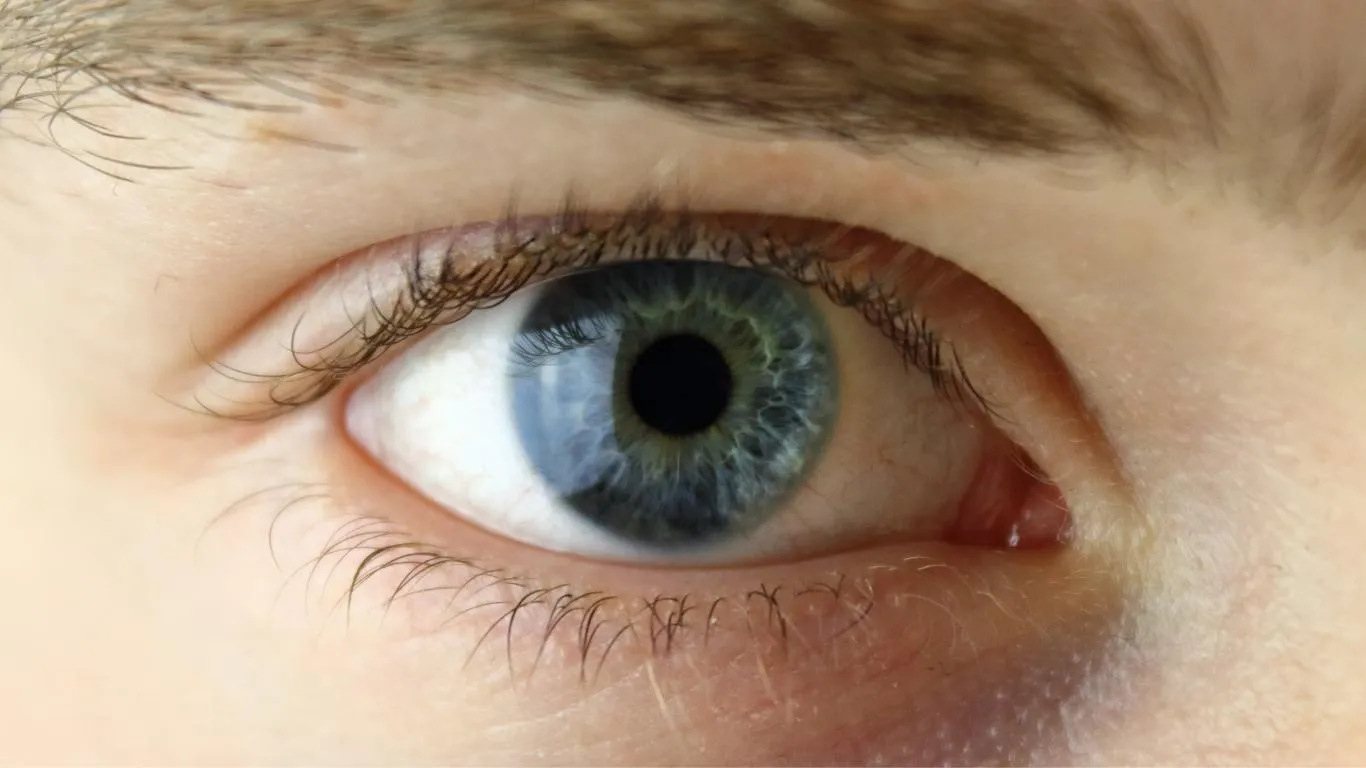
Absolutely. That’s what makes it tricky. I personally juggle presbyopia (hello, reading glasses) and a couple of floaters that show up when I’m working under bright lights. And here’s the kicker—floaters aren’t always constant. Some fade. Some stay forever. But aging symptoms usually only get worse over time without corrective measures.
It’s that mix that can make people misdiagnose themselves—or worse, ignore early warning signs of something more serious. Knowing what’s typical and what’s not makes all the difference.
Who’s at Higher Risk?
If you check off any of these, pay extra attention:
- Over 50 years old
- Highly nearsighted
- Have diabetes (especially uncontrolled)
- Past eye surgeries
- Autoimmune conditions like lupus or rheumatoid arthritis
It’s not just about getting older—it’s how your body handles aging internally. Genetic predispositions, inflammation, trauma, even certain medications can stir up vitreous changes. Genetics actually plays a bigger role than people give it credit for.
Digging Deeper into the Differences
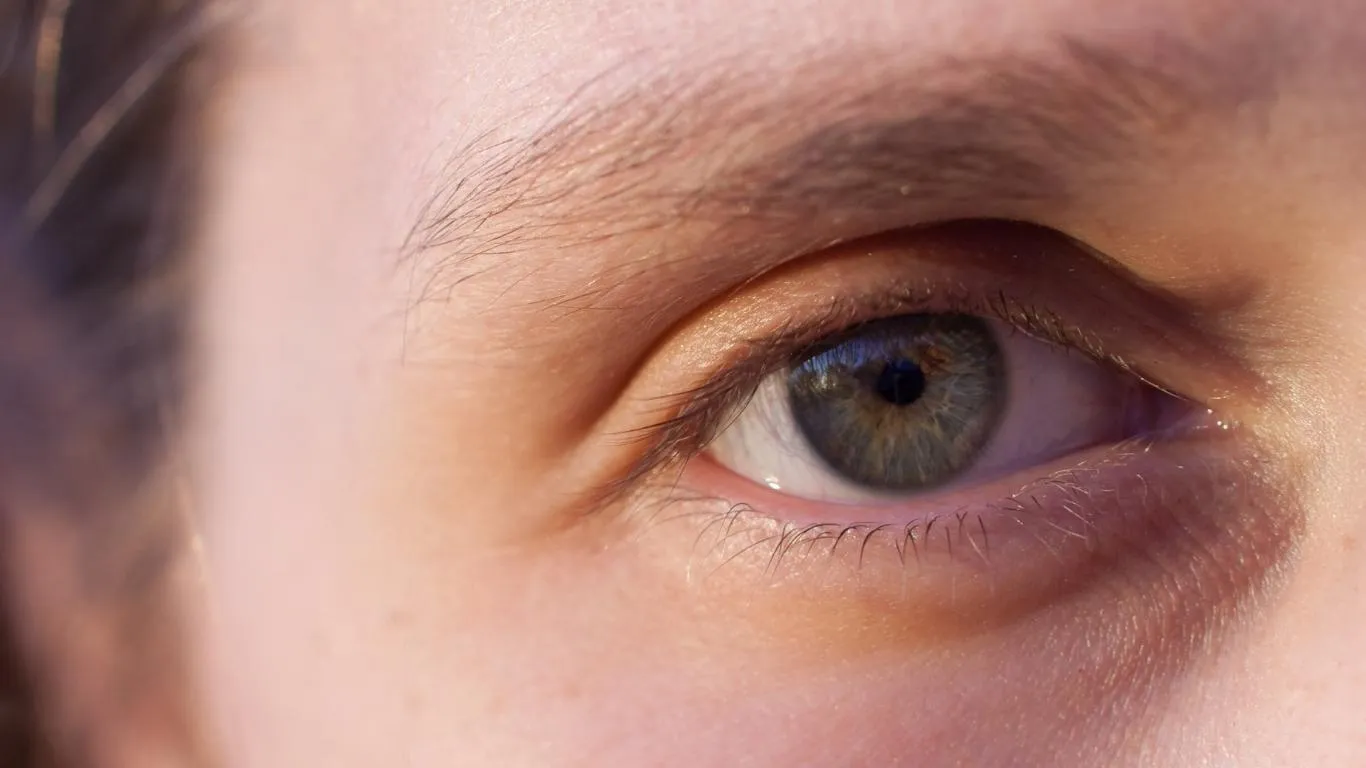
If you’re still wondering how to tell them apart day to day, here’s a quick visual-based breakdown:
| Symptom | Aging Eye | Floaters |
|---|---|---|
| Blurred vision | Yes, especially up close | No |
| Moving spots | No | Yes |
| Dryness or gritty feeling | Common | Unrelated |
| Sensitivity to light | Sometimes | Only with flashes (can be urgent) |
Still in doubt? A quick trip to an optometrist with a dilated eye exam can usually clear things up. That’s how I got peace of mind. And if you’re serious about staying informed on floaters and everything surrounding them, I highly recommend checking out this in-depth guide that lays out the symptoms and treatment options clearly. It pairs really well with this article on what treatments are actually worth considering.
Living with Floaters: What’s Normal and What’s Not
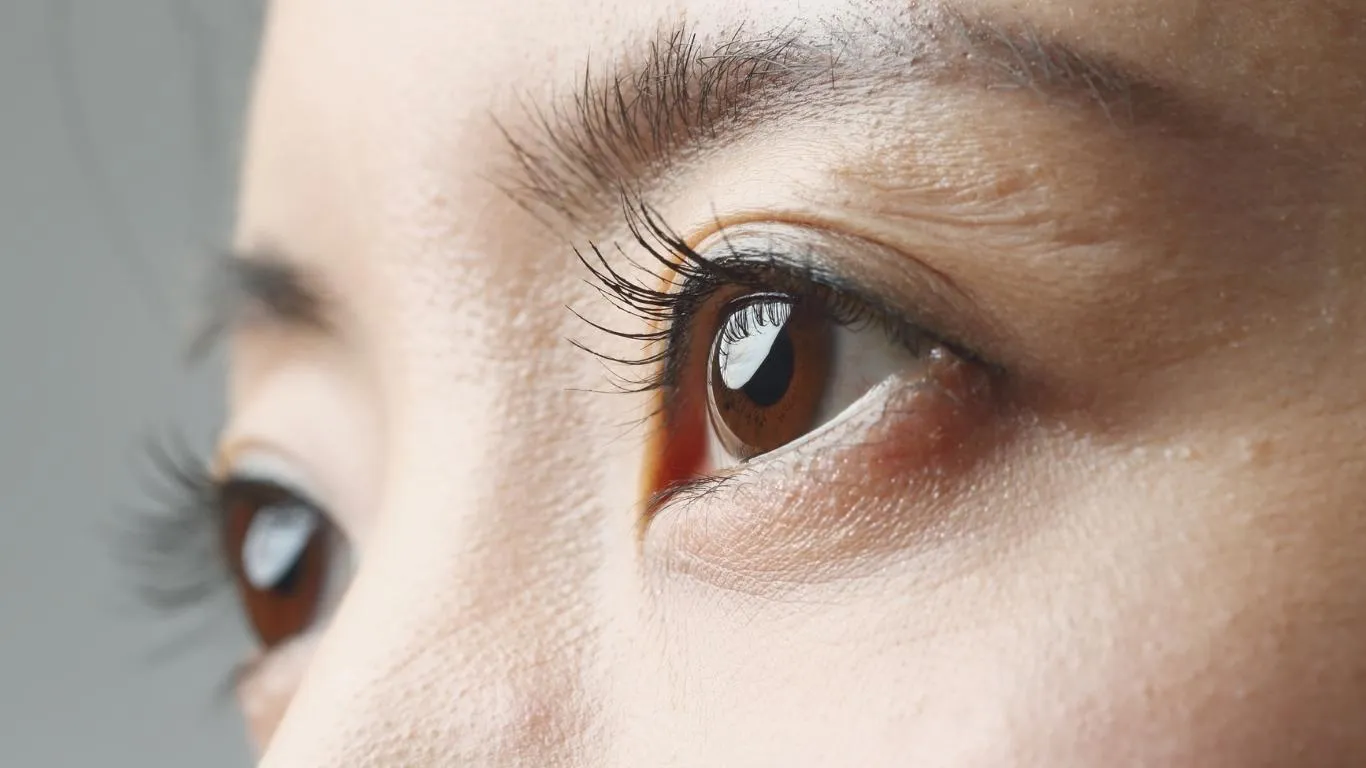
Once I knew those weird shadows in my vision were floaters and not some creeping blindness, I felt better. But here’s the reality check—it doesn’t mean they go away. In fact, many people (including me) just learn to live with them. Floaters are usually harmless, but when they start to impact your daily life—like driving, reading, or working on screens—they stop being just an annoyance.
Here’s what you’ll probably experience:
- They become less noticeable over time (your brain learns to ignore them—true story!)
- They shift around with eye movement, especially when switching focus
- They’re most obvious in bright, plain environments (white walls, blue sky)
If that sounds familiar, you’re likely dealing with the typical “aging floaters.” But if they suddenly increase or start appearing alongside light flashes or vision loss, get checked immediately.
What Can You Do About Eye Floaters?
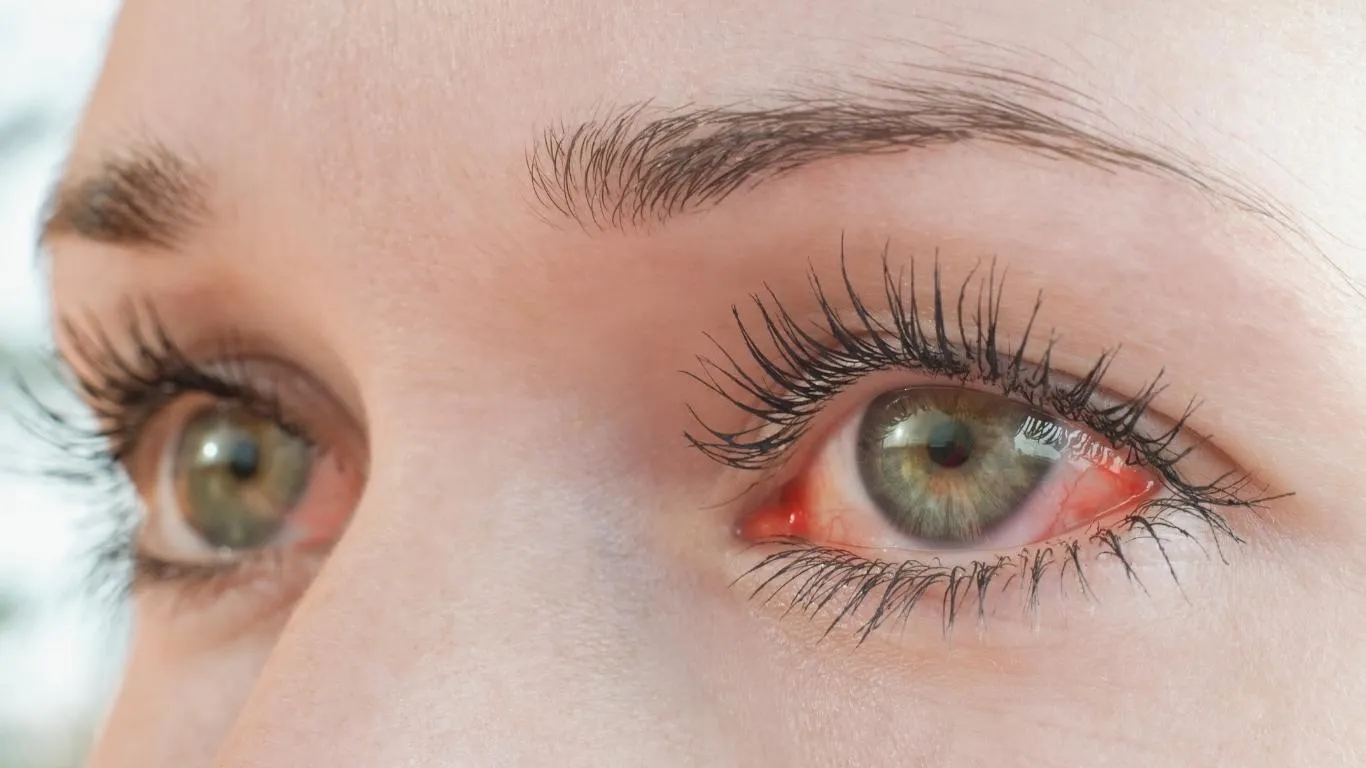
I used to think floaters were untouchable. Something you just had to accept. But that’s not entirely true. While most don’t require treatment, there are a few approaches if your floaters are disrupting your vision or your sanity:
- Observation – the default advice for most cases. Doctors monitor floaters to ensure no underlying issue like retinal tear.
- Vitrectomy – this surgical procedure removes the vitreous gel and replaces it with saline. It’s effective, but not without risks like infection or retinal detachment.
- Laser therapy (YAG) – some ophthalmologists use focused lasers to break floaters apart. Not widely practiced, and results vary.
There’s also the rise of natural remedies—some people swear by dietary changes, antioxidants, and hydration. I added more omega-3s and leafy greens to my diet, not expecting much, but I do think it helped reduce the frequency and intensity. Could be placebo, but I’ll take it.
Can Eye Floaters Be Prevented?
Honestly? Not entirely. If you’re genetically prone or aging naturally, it’s part of the process. But you can reduce your risk of complications by:
- Wearing UV-protective sunglasses
- Staying hydrated
- Maintaining a nutrient-rich diet
- Managing chronic conditions like high blood pressure or diabetes
- Limiting screen strain—floaters love a bright digital canvas
How to Talk to Your Eye Doctor (Without Sounding Paranoid)
I used to feel a little silly bringing up floaters during my annual exam. But now? I always bring it up. If you’re not sure how to frame the convo, here are a few questions you can ask:
- “Are these floaters normal for my age?”
- “Is there any sign of retinal damage or detachment?”
- “Should I be tracking any changes over time?”
- “Is there anything I can do to minimize or prevent more from forming?”
Also worth mentioning if you’ve recently started new meds, had a head injury, or are going through hormonal changes—because all of those can affect the eyes. For example, I learned during a visit that some antibiotics and even steroid drops could trigger floaters in certain people. Who knew?
Why It’s Worth Getting a Professional Look
A comprehensive dilated eye exam is still the gold standard. No DIY diagnosis here. The eye doctor can check your retina, assess the vitreous, and even take scans if needed. It’s fast, painless, and so worth it—especially if you’re in that “Is this normal aging or something more?” stage.
Key Differences You’ll Notice Between Aging Symptoms and Floaters
Still unsure? Here’s a more human-centered way to tell what you’re dealing with:
| What You Notice | Likely Aging | Likely Floaters |
|---|---|---|
| Vision blurs when reading small print | ✅ | ❌ |
| Objects move when eyes move | ❌ | ✅ |
| Light sensitivity without flashes | ✅ | ❌ |
| Sudden shower of new specks | ❌ | ✅ |
| Need for brighter lighting to read | ✅ | ❌ |
The older I get, the more I realize eye care isn’t just about clear vision—it’s about staying ahead of what might sneak up on you. If your eyes are trying to tell you something, don’t brush it off as “just age.” You can always dive deeper into how floaters compare to other eye issues here too—it’s surprisingly enlightening.
And if you’re looking for a well-rounded breakdown of floaters—what causes them, how to manage them, and when to act—bookmark this must-read: What Are Eye Floaters?. It really helped me separate myths from facts when I first started researching all this.

Camellia Wulansari is a dedicated Medical Assistant at a local clinic and a passionate health writer at Healthusias.com. With years of hands-on experience in patient care and a deep interest in preventive medicine, she bridges the gap between clinical knowledge and accessible health information. Camellia specializes in writing about digestive health, chronic conditions like GERD and hypertension, respiratory issues, and autoimmune diseases, aiming to empower readers with practical, easy-to-understand insights. When she’s not assisting patients or writing, you’ll find her enjoying quiet mornings with coffee and a medical journal in hand—or jamming to her favorite metal band, Lamb of God.