
Types of Anxiety Disorders That May Be Affecting You Silently
I used to think anxiety was just nervous energy—like being a little tense before a presentation or jittery during turbulence on a flight. But over time, I realized that what I was experiencing wasn’t just nerves. It was anxiety on a deeper level, the kind that starts to interfere with daily life, relationships, even decisions as simple as whether or not to go to the grocery store. That’s when I began looking into the different types of anxiety disorders, and honestly, understanding the differences helped me stop blaming myself for feeling “off” all the time.
Understanding the Main Types of Anxiety Disorders

Anxiety disorders aren’t one single diagnosis. They’re a group of related conditions, each with its own triggers and symptoms. The common thread? They all involve excessive fear or worry, often out of proportion to the situation. But the way that shows up can be completely different from one person to another.
The National Institute of Mental Health outlines several major anxiety disorders that affect millions of people around the world. Knowing which one you’re dealing with is key to finding the right kind of support and treatment.
1. Generalized Anxiety Disorder (GAD)
If your brain feels like a browser with 37 tabs open all the time—most of them about things that haven’t even happened yet—you might relate to this one. GAD is characterized by persistent, excessive worry about various aspects of life: work, health, family, money… even when there’s no immediate threat or clear cause.
- Chronic tension, especially in the shoulders, jaw, and neck
- Restlessness or feeling “on edge”
- Difficulty concentrating or feeling mentally drained
- Sleep problems—either trouble falling asleep or waking up too early
I once spent three days obsessively checking my bank app over a $22 charge I didn’t recognize—only to find out it was a subscription I had actually signed up for. That’s how sneaky GAD can be—it turns small things into huge emotional weights.
2. Panic Disorder
Panic disorder is more intense than GAD, and it usually shows up without warning. You might feel like you’re having a heart attack—shortness of breath, chest tightness, trembling, a sense of doom. And when it’s over, you’re left dreading the next one.

These panic attacks are often misunderstood. People assume it’s just “freaking out” under pressure. But real panic attacks can happen out of nowhere—even in completely calm situations. I had my first one while making dinner. There was no trigger, no stressor… just this sudden, overwhelming sense that something was terribly wrong.
According to the Mayo Clinic, recurrent panic attacks followed by a fear of more attacks is what distinguishes panic disorder from isolated events.
3. Social Anxiety Disorder
This one often gets dismissed as shyness, but it runs much deeper. Social anxiety isn’t just about feeling awkward in a group—it’s the fear of being judged, humiliated, or rejected in everyday social interactions. Even simple things like ordering at a restaurant or answering the phone can feel unbearable.
- Avoiding parties or group events
- Overthinking conversations for hours or days after
- Blushing, trembling, or sweating during social interactions
- Intense worry before any social event

I used to make up excuses to avoid team lunches at work. I wasn’t being rude—I just couldn’t handle the fear of saying something “weird” and then replaying it in my head for the next week. Social anxiety is exhausting, not because you dislike people, but because your brain turns every interaction into a potential threat.
Other Types You Might Not Realize Are Anxiety Disorders

Some anxiety-related conditions are often grouped separately but share many of the same roots. Understanding these helps paint a more complete picture of how anxiety works.
Obsessive-Compulsive Disorder (OCD)
OCD isn’t just about being neat or liking things “just so.” It’s about intrusive, unwanted thoughts (obsessions) and the compulsive behaviors used to neutralize them. For example, if you’re terrified of causing harm, you might check the stove 15 times before leaving the house.
- Repetitive behaviors like checking, cleaning, or counting
- Extreme discomfort if things aren’t done “just right”
- Persistent doubt or fear of doing harm unintentionally
While OCD isn’t classified strictly under anxiety disorders anymore, the anxiety-driven nature of it makes it closely related. The distress isn’t about the ritual—it’s about the fear behind it.
Specific Phobias
Terrified of flying? Heights? Needles? While lots of people dislike those things, phobias go way beyond fear—they cause intense, immediate panic and often lead to full avoidance.
- Fear is out of proportion to actual danger
- Triggers immediate anxiety or panic symptoms
- May interfere with daily life or decision-making
My friend has a phobia of elevators. She’ll walk up ten flights of stairs rather than step into one. To outsiders, it may seem dramatic, but for her, that fear is very real. And it’s not something you can just “get over.”
Agoraphobia
Often misunderstood, agoraphobia isn’t just fear of open spaces—it’s fear of being in situations where escape might be difficult. Think crowded malls, public transport, or even just leaving the house.
This disorder often develops alongside panic disorder, as people start to avoid places where they’ve had attacks before. Over time, their world gets smaller. I’ve seen it happen with someone close to me—they gradually stopped going to places they used to love, until even grocery runs were a challenge.
How to Tell Which Type You’re Dealing With

Identifying the type of anxiety you’re dealing with can make a big difference in your recovery. Each type responds differently to various treatments—what helps with social anxiety might not be enough for panic disorder, and vice versa. That’s why professional help matters. A licensed mental health provider can offer a proper diagnosis and guide you toward evidence-based options.
If you’re not sure where to start, begin with an honest look at your patterns and triggers. Journaling helped me. So did reading resources from the Anxiety & Depression Association of America. And of course, finding community helps too—you’ll be surprised how many people are navigating the same path quietly.
For a deeper look at how anxiety disorders impact daily life and how to manage them holistically, I also recommend reading our main resource: Why Anxiety Disorders Can Secretly Control Your Daily Life.
Once I learned about the different types of anxiety disorders, I started noticing patterns in my own life. The way I avoided group chats, overanalyzed emails, or felt like my heart was about to burst during a simple commute—it wasn’t random. It had names, explanations, and more importantly, solutions. That was the first time I felt like I wasn’t broken—just dealing with something real and treatable. But understanding *what* anxiety you’re experiencing is only half the story. The next step is learning *how* to manage it in a way that works for you.
What Anxiety Really Does to Your Brain and Body

Before we get into strategies, it’s important to understand what’s actually going on inside your brain. Anxiety isn’t just “worrying too much.” It’s a full-on physiological response involving your amygdala (the brain’s alarm system), your sympathetic nervous system (which kicks off the fight-or-flight mode), and your endocrine system (hello, cortisol).
When anxiety hits, your brain reacts like there’s a bear in the room—even if it’s just an unpaid bill or a text from your boss. Over time, repeated activation of this response can rewire your brain to stay in a hypervigilant state. That’s why anxiety feels automatic. And exhausting.
Physical Symptoms You Might Not Realize Are Anxiety
- Constant muscle tension, especially in the jaw, shoulders, and neck
- Stomach issues like bloating, cramps, or nausea
- Dizziness, lightheadedness, or feeling like the room is spinning
- Skin flare-ups or sudden breakouts from stress hormones
- Headaches or migraines with no clear medical cause
I used to wake up with clenched fists and sore shoulders without even realizing I was grinding my teeth all night. It wasn’t until a therapist pointed it out that I made the connection—my body was carrying anxiety 24/7, even in my sleep.
Evidence-Based Ways to Manage Anxiety Naturally
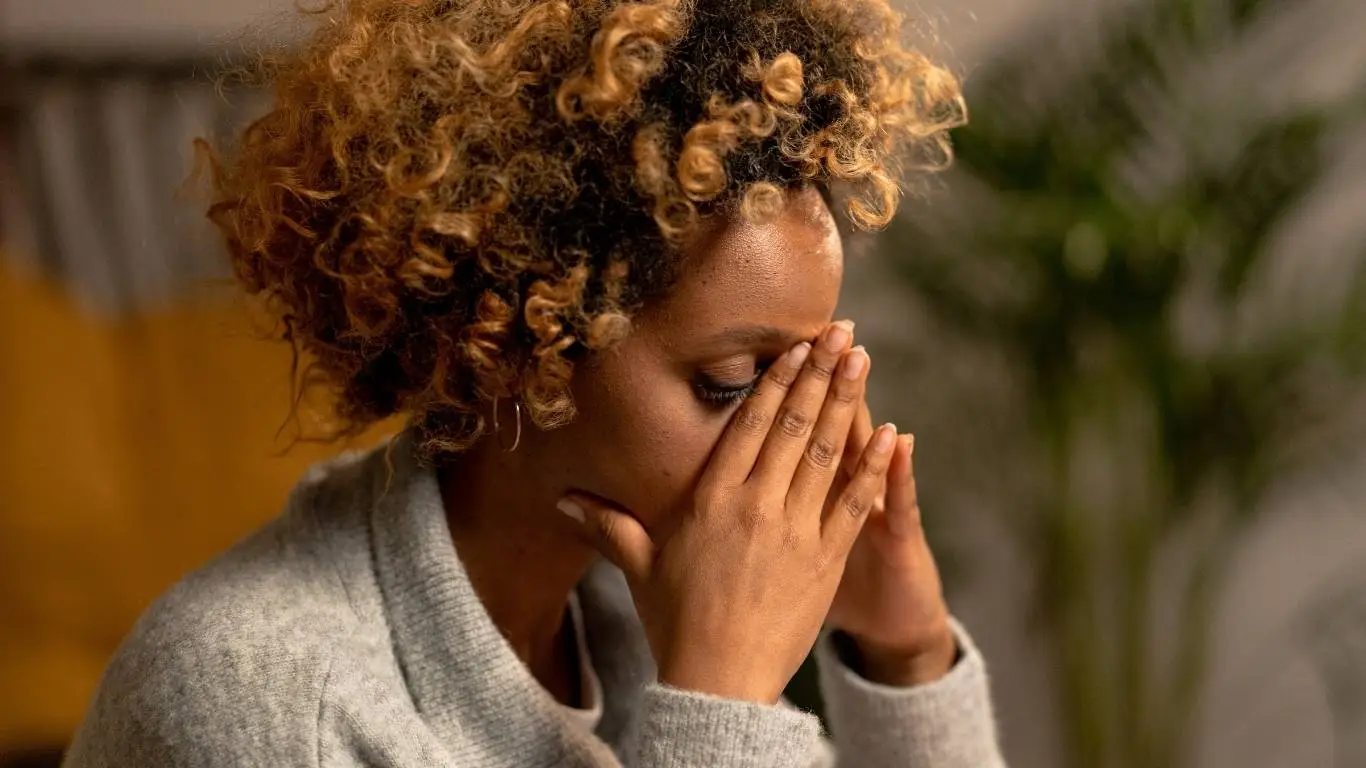
Not everyone wants to jump straight into medication, and that’s valid. While meds can be lifesaving for many (and I’ll touch on that soon), there are tons of research-backed ways to manage anxiety that don’t require a prescription. I tried a bunch—some worked, some didn’t. These are the ones that stuck.
1. Breathwork and Nervous System Regulation
This one surprised me with how simple but effective it is. Deep, conscious breathing sends signals to your nervous system that you’re safe. My go-to is 4-7-8 breathing: inhale for 4, hold for 7, exhale slowly for 8. It’s legit calming. You can feel your heart rate start to level out after just a couple minutes.
- Try breath-focused apps like Insight Timer or Breathwrk
- Practice before anxiety spikes, not just during panic
- Pair with grounding—touch something cold or feel the floor beneath your feet
2. Regular Movement (Not Just “Exercise”)
You don’t need a gym membership to use movement as an anxiety tool. Just getting outside and walking—no music, no phone—has been my go-to therapy. There’s real science here too: physical activity increases endorphins and reduces cortisol.
- Daily walks or bike rides, even 10 minutes, help regulate your mood
- Try yoga, tai chi, or gentle stretching to connect body and mind
- Dance around your house—no rules, just move

3. Nutrition and Gut Health
I didn’t realize my gut had so much influence over my mood until I cleaned up my diet. Turns out, the gut-brain axis is a real thing. What you eat affects your anxiety, big time.
- Minimize caffeine and alcohol—they amplify symptoms, even in small doses
- Eat more magnesium-rich foods (leafy greens, pumpkin seeds, dark chocolate)
- Try fermented foods or probiotics to support gut health
I swapped out my second coffee for herbal tea and added more real food to my meals—within a couple weeks, my baseline anxiety dipped noticeably. Nothing dramatic, just easier to handle daily stress.
4. Digital Boundaries
This one hit hard. My anxiety was through the roof, and I didn’t connect it to the 3+ hours a day I was spending doomscrolling news and social media. The overload was subtle but constant—and it kept my nervous system in panic mode.
- Set screen time limits (I use built-in app timers)
- Unfollow accounts that spike your anxiety or self-doubt
- Try screen-free mornings or evenings to reset
Digital noise is sneaky. A few days of intentional breaks made me feel like I could actually hear myself think again.
When to Consider Therapy (Even If You Think You’re “Not That Bad”)

You don’t have to wait until you’re in crisis to talk to someone. I wish I hadn’t. Therapy isn’t about being “sick enough”—it’s about learning better tools and having someone in your corner. Cognitive Behavioral Therapy (CBT) is one of the most effective forms of treatment for anxiety, and it helped me reframe a lot of distorted thoughts that were running my life in the background.
Therapy Options to Explore
- CBT (Cognitive Behavioral Therapy): Helps you challenge irrational thoughts and build healthier patterns
- ACT (Acceptance and Commitment Therapy): Focuses on living with anxiety without letting it stop you
- EMDR: Useful for trauma-linked anxiety, especially when it’s rooted in past experiences
If cost is an issue, many therapists offer sliding scale pricing. There are also growing options for online platforms like BetterHelp and Talkspace, though I always recommend checking for licensed, credentialed professionals. Anxiety deserves real care—not quick fixes.
Complementary Practices That Support Healing
- Journaling: A daily check-in can help you release and track patterns
- Mindfulness meditation: Start with 3 minutes a day—it adds up
- Nature therapy: Just being outside, touching grass or trees, helps reset your nervous system
None of these are instant cures. But they add up. They become your toolkit—your anchor. And over time, you notice something powerful: anxiety is still there, but it’s not running the show anymore.
To understand how these strategies fit into your daily life with anxiety, and how anxiety disorders can subtly take control of your routine, revisit the core foundation here: Why Anxiety Disorders Can Secretly Control Your Daily Life.
By the time I reached a place where anxiety didn’t rule every decision I made, I realized something important—this wasn’t about “fixing” myself. It was about learning to live alongside something that used to feel impossible to manage. And honestly, that’s the whole point. Managing anxiety long-term isn’t about perfection, or never feeling nervous again. It’s about building a life where anxiety doesn’t get to sit in the driver’s seat. That kind of resilience doesn’t come from hacks or quick wins. It comes from layering habits, mindset shifts, and support over time. Here’s what that can actually look like in real life.
Building a Lifestyle That Keeps Anxiety in Check

Living with anxiety doesn’t mean you have to constantly be in survival mode. I used to think I’d always be one step away from a breakdown. Now, I go entire weeks without that familiar tightness in my chest or that restless buzzing in my head. That didn’t happen overnight. It came from small, boring, daily choices that made my life feel safer and more stable.
Creating Safe Routines Without Over-Scheduling
- Waking up at the same time every day, even on weekends
- Eating balanced meals before I’m starving—no more skipping breakfast
- Scheduling breaks between tasks to breathe, reset, or just walk around
What surprised me the most? I didn’t need a “morning routine” with ten steps. I just needed a rhythm that supported me instead of overwhelming me. A calm morning sets the tone for the rest of the day. Even something as small as making my bed helped signal to my brain, “We’ve got this.”
Maintaining Connection (Even When You Want to Withdraw)
One of anxiety’s go-to moves is isolation. The more anxious I felt, the more I wanted to cancel plans or ghost group chats. But the longer I stayed disconnected, the worse it got. I had to learn how to stay in relationships—even on anxious days.
- Texting a friend instead of overthinking how to say the perfect thing
- Letting people know when I’m feeling off instead of pretending I’m fine
- Showing up to small, low-pressure gatherings just to feel human again
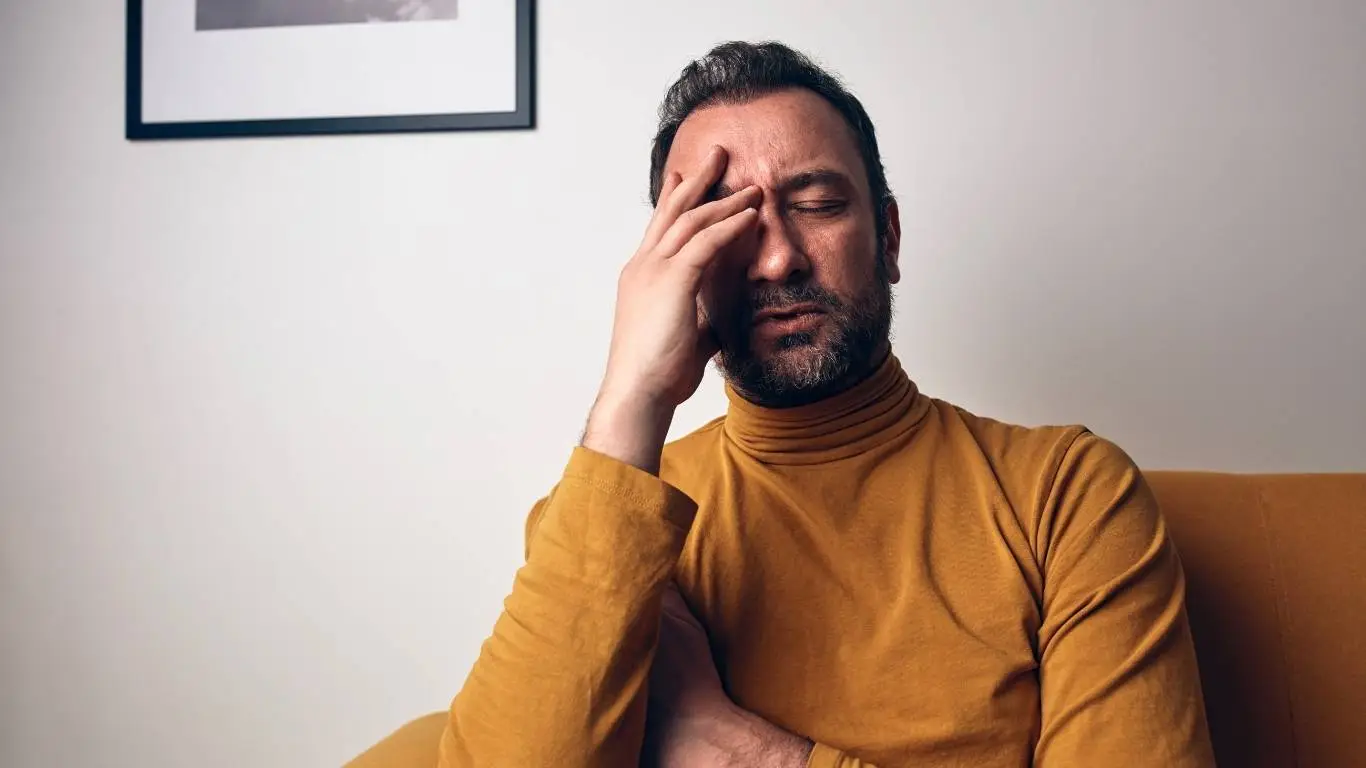
It wasn’t about being social for the sake of it. It was about being reminded I’m not alone in this. That anxiety lies to us, and sometimes the fastest way to break the spiral is to let someone in.
Mindset Shifts That Made Everything Lighter

I used to beat myself up every time I had a bad day. I thought I should’ve known better. That I’d “failed” recovery. But healing doesn’t work that way. One of the biggest lessons I’ve learned is how to speak to myself with kindness instead of criticism—even when anxiety is flaring up again.
Letting Go of Perfection (Seriously)
There’s no such thing as anxiety recovery that looks perfect. Some weeks you’ll journal, meditate, eat clean, and still feel like a wreck. Other times you’ll binge-watch shows and eat cereal for dinner but feel oddly okay. It’s not about the rituals. It’s about self-awareness, flexibility, and treating yourself like a human being, not a project to fix.
- It’s okay to rest without earning it
- You don’t need to be productive to be valuable
- Your worth isn’t measured by how calm you are today
These reminders weren’t easy at first. But I started writing them down. Saying them out loud. Repeating them until my brain began to believe them.
Understanding That Setbacks Aren’t Failures
Anxiety will creep back in. That’s part of the deal. But it’s not a sign you’re broken or that you’re back to square one. It’s just a signal. Your body is asking for attention, for rest, for some kind of support. And when I started treating those moments like messages instead of malfunctions, everything changed.
Now, when I have a tough day, I don’t spiral into shame. I pause. I ask: “What do I need right now?” That question has been more healing than any affirmation.
Support Systems That Actually Work
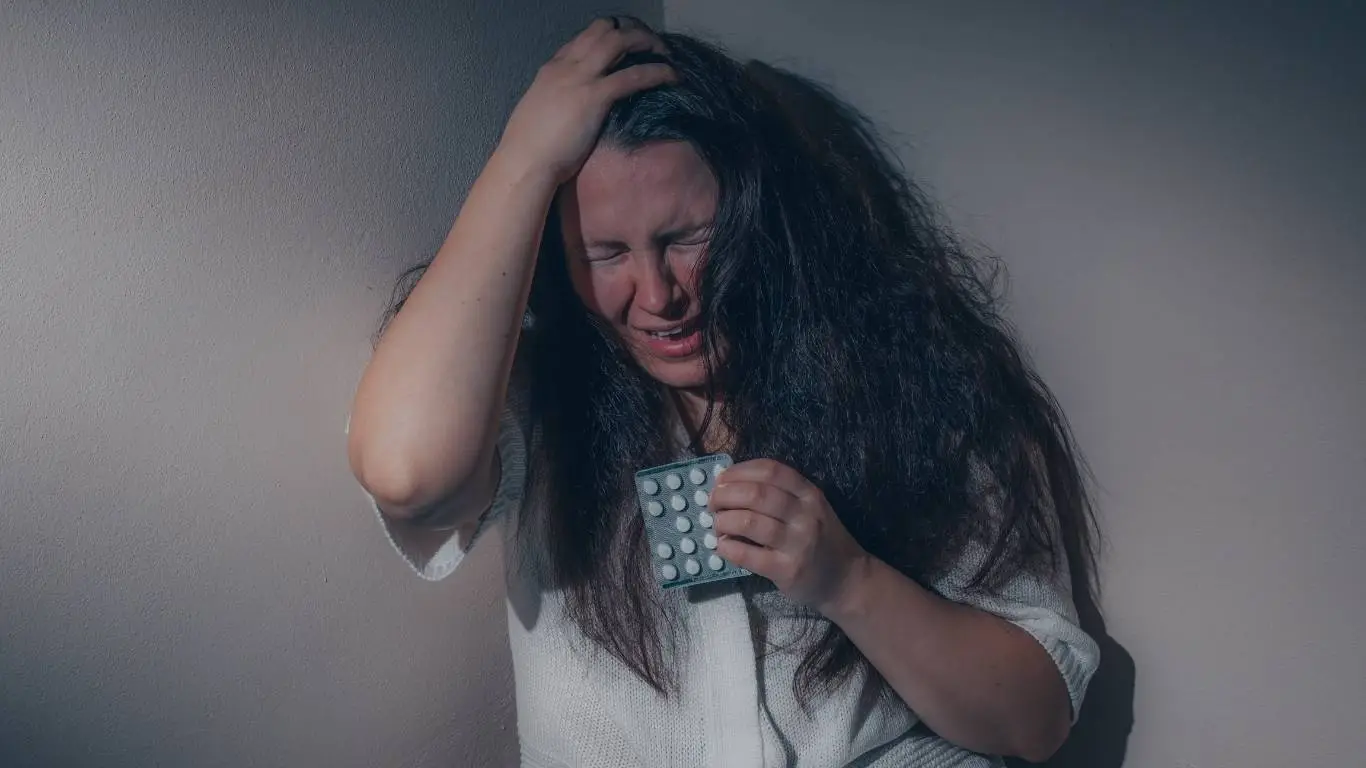
No one gets through this alone. Even if you’re super independent (like me), there’s a difference between solitude and isolation. One feels grounding. The other feeds anxiety. Over time, I built a network of people, tools, and practices I could turn to—not just in crisis, but for maintenance.
People Who Helped Me Stay Grounded
- A therapist I trust, who never minimized what I was feeling
- Two close friends who know when to talk and when just to listen
- My partner, who learned about anxiety *with* me and supported the process
But I also leaned into online communities, books, podcasts—anything that reminded me I wasn’t the only one dealing with this. It’s amazing what one honest voice can do when you’re having a tough day.
Tools I Still Use Weekly (If Not Daily)
- Calm or Headspace for guided meditation
- A notes app folder called “Calm Me Down” with grounding exercises
- Weekly therapy homework I actually enjoy doing (no really)
Over time, these became second nature. Not because I’m “disciplined,” but because I saw how much better I felt when I used them. And when I didn’t, I noticed the difference fast.
You Deserve a Life That Feels Calmer

Here’s what I wish someone had told me sooner: anxiety doesn’t have to be a life sentence. Yes, it may always be there in the background, like an old song you hear faintly now and then. But it doesn’t have to control your choices. Or your identity. Or your joy.
You can build a life around calm. Around peace. Around your own values, not your fears. It takes time. It takes practice. And sometimes it takes help. But it’s worth every moment. I’m living proof of that.
For a deeper understanding of how anxiety disorders affect everyday life and what to do about it, don’t miss our foundational post: Why Anxiety Disorders Can Secretly Control Your Daily Life.

Camellia Wulansari is a dedicated Medical Assistant at a local clinic and a passionate health writer at Healthusias.com. With years of hands-on experience in patient care and a deep interest in preventive medicine, she bridges the gap between clinical knowledge and accessible health information. Camellia specializes in writing about digestive health, chronic conditions like GERD and hypertension, respiratory issues, and autoimmune diseases, aiming to empower readers with practical, easy-to-understand insights. When she’s not assisting patients or writing, you’ll find her enjoying quiet mornings with coffee and a medical journal in hand—or jamming to her favorite metal band, Lamb of God.