Viral Eye Infection Floaters May Be a Serious Warning Sign
Not long ago, I woke up with blurry vision and an annoying swarm of tiny spots drifting across my eye. I chalked it up to lack of sleep or maybe too much screen time. But when the floaters didn’t fade—and my eye started feeling irritated—I knew it was more than just eye strain. A visit to my eye doctor revealed something surprising: a recent viral infection might be to blame.
How Viral Eye Infections Can Impact Vision
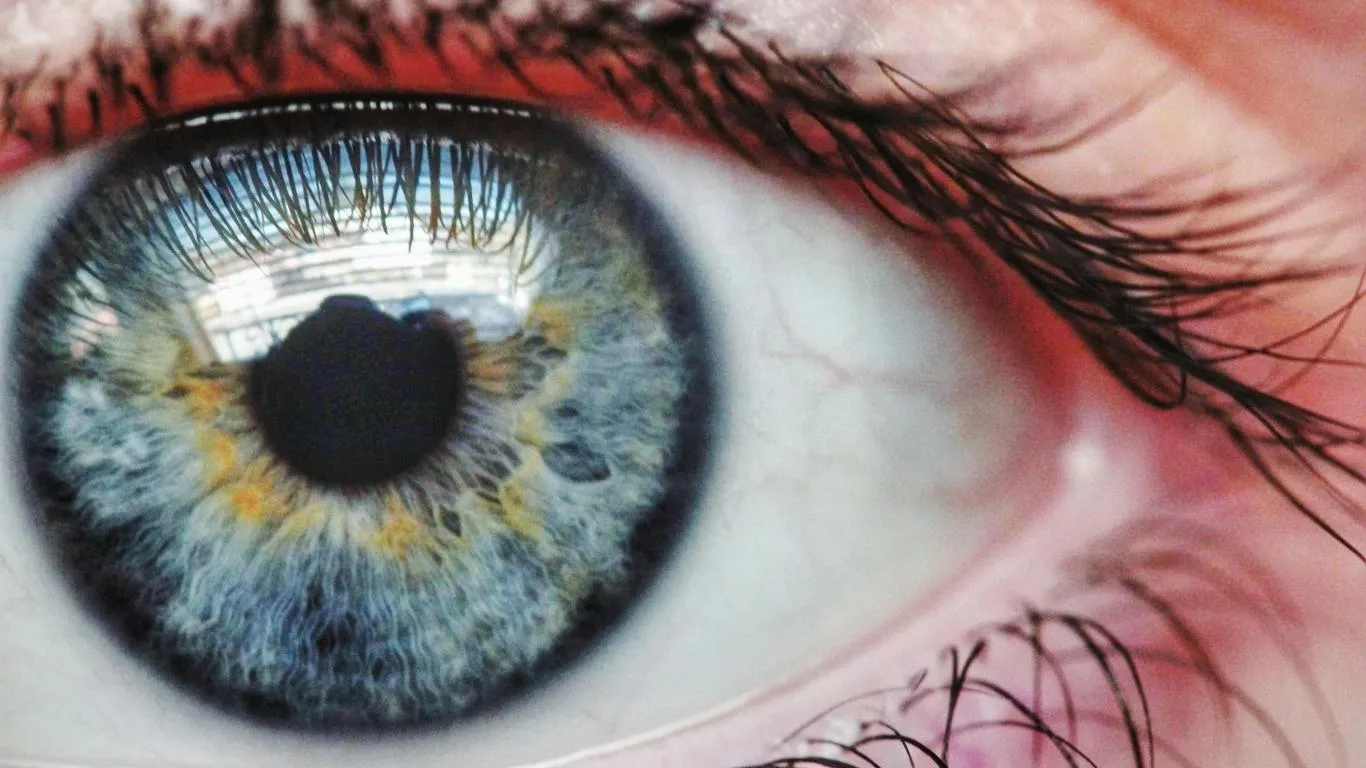
Viral eye infections can feel deceptively minor at first—some redness, maybe a little itch or light sensitivity. But behind the scenes, certain viruses can wreak havoc in the deeper parts of the eye, including the vitreous gel. And that’s where floaters come in.
Eye floaters are those drifting specks, cobwebs, or squiggly lines that seem to dart around your vision. They’re usually caused by small clumps forming in the vitreous humor—the gel-like substance filling the eye. While aging is the most common cause, inflammation or damage from viral infections can also stir up floaters in surprising ways.
Which Viruses Are Most Likely to Trigger Floaters?
Not all viral infections mess with your eyes, but some definitely do. The big culprits? Herpes simplex virus (HSV), varicella-zoster virus (the one behind chickenpox and shingles), and cytomegalovirus (CMV). These aren’t just skin or nerve troublemakers—they can also invade eye structures and cause serious issues like:
- Viral uveitis: Inflammation of the uvea, the eye’s middle layer, can stir up floaters by disturbing the vitreous.
- Retinitis: Infections like CMV retinitis can scar the retina, leading to visual floaters and blind spots.
- Acute retinal necrosis (ARN): Often tied to herpes viruses, ARN causes retinal damage and floaters due to the breakdown of tissue.
When floaters follow viral infections, they’re not just annoying—they could be warning signs of something deeper. That’s why understanding the viral connection is crucial, especially if symptoms hit suddenly or come with vision changes.
How to Tell If Floaters Are Related to an Infection
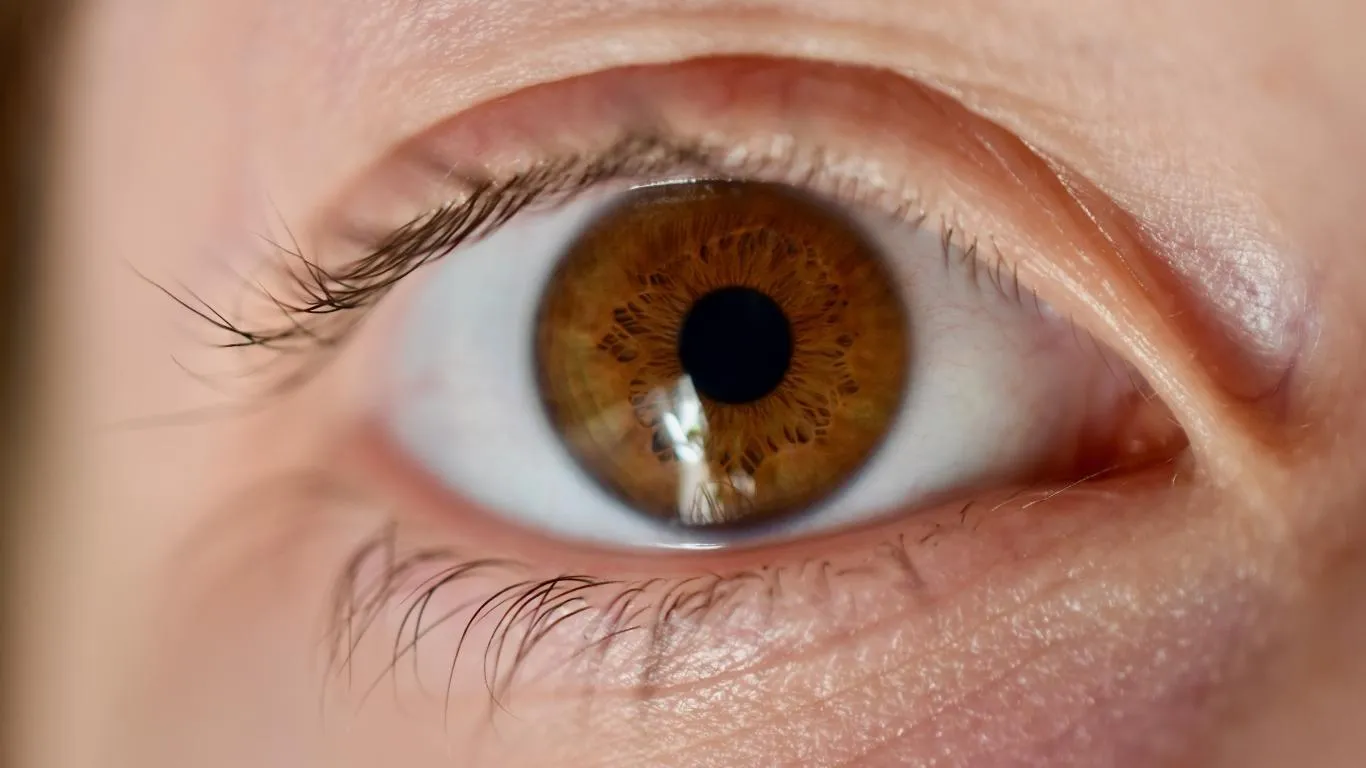
Let me be honest—it’s not always easy to pinpoint the cause of floaters. But if they show up after you’ve had a viral illness (even one as mild as conjunctivitis or the flu), and they’re paired with symptoms like:
- Redness or swelling in one eye
- Sensitivity to light
- Eye pain or blurred vision
- History of shingles near the eye
…then it’s worth talking to an eye specialist. Floaters caused by inflammation typically look the same as age-related ones, but they may appear more suddenly or feel more intense.
In my case, I had no idea that a cold sore virus lurking in my system could trigger an eye issue. But the dots connected after testing and a closer look at my ocular health.
The Science Behind Floaters from Inflammation
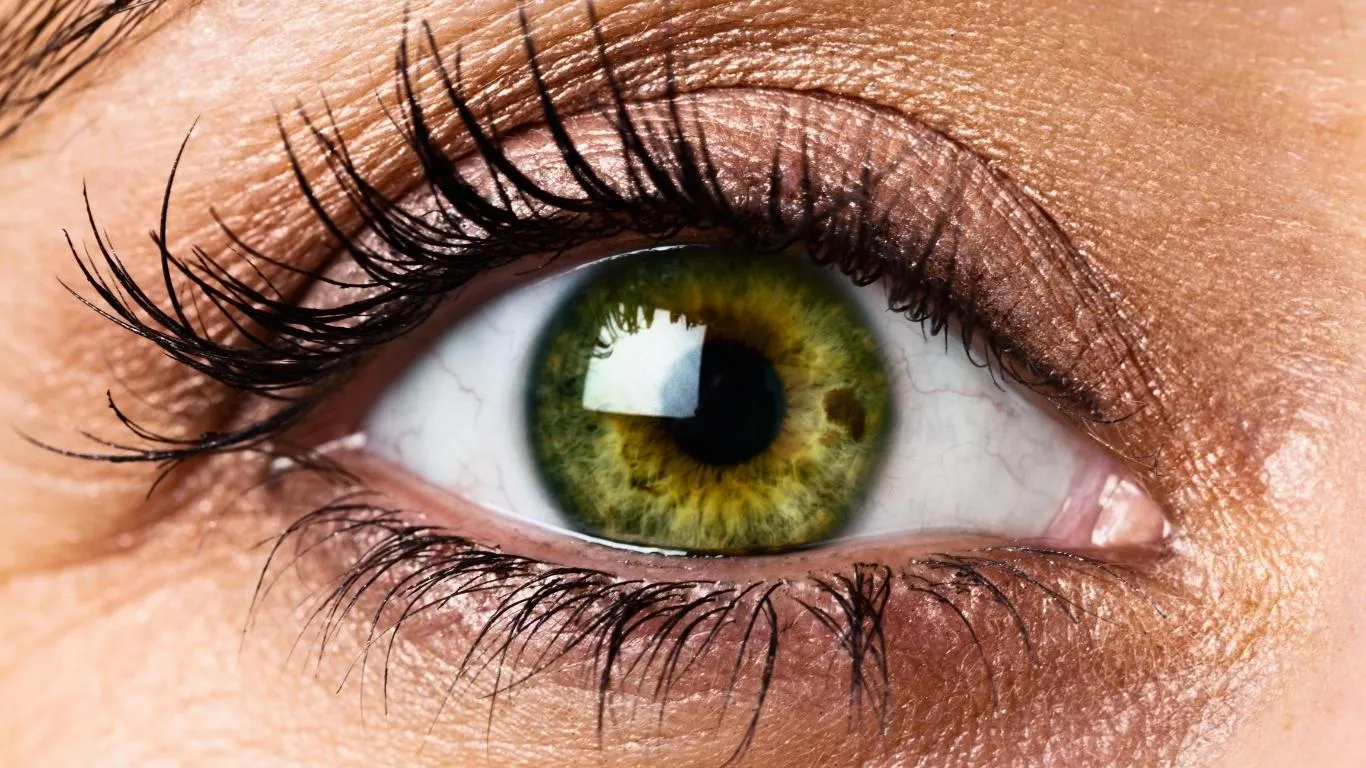
Viral infections cause inflammation, and in the eye, this can affect several structures at once. The immune system sends in white blood cells to fight off the infection, which can accumulate in the vitreous humor. These inflammatory cells, along with damaged tissue, show up as floaters drifting across your visual field.
Some viruses can even damage the retina directly or lead to bleeding inside the eye. Blood cells in the vitreous are another common cause of floaters. And when the infection scars retinal tissue, it can permanently alter the way you see.
More serious complications can arise if these viral infections are left untreated, especially in people with weakened immune systems. According to the American Academy of Ophthalmology, untreated uveitis can lead to glaucoma, cataracts, or even vision loss.
When to See a Doctor About Viral Eye Floaters

If you’ve had a recent viral infection and are suddenly seeing floaters—especially alongside flashes of light or partial vision loss—don’t wait. These can be signs of retinal detachment or viral retinitis, both of which require immediate attention.
- Act quickly: Any sudden onset of floaters, especially if combined with other symptoms, is a red flag.
- Get the right tests: Your doctor might recommend optical coherence tomography (OCT) or a dilated eye exam to assess retinal health.
- Discuss your history: Mention past viral infections, including herpes, shingles, or even mononucleosis.
Early detection can mean the difference between temporary floaters and long-term vision problems. That’s why being proactive about your eye health—especially when viruses are involved—is key.
Related: How Uveitis Triggers Eye Floaters and What You Should Know
More Than Just Annoying: When Floaters Signal Something Serious
Most floaters aren’t a big deal. But when they follow a viral eye infection, they shouldn’t be ignored. A handful of floaters after a cold is one thing. But a sudden shower of dark spots—especially paired with vision changes—can mean inflammation or retinal damage has taken hold.
For more detailed insights into causes, treatments, and when to worry, visit our comprehensive guide: What Are Eye Floaters? Causes, Symptoms, and Treatment Options.
Treatment Options If Viral Infections Cause Floaters
Let’s be clear—treating floaters caused by viral infections isn’t just about getting rid of the floaters. It starts by addressing the underlying infection and calming the inflammation. Once your eye is no longer under viral attack, those floaters may fade on their own—or at least stop getting worse.
If herpes simplex or varicella-zoster is to blame, oral antiviral drugs like acyclovir or valacyclovir are typically the go-to treatment. These meds reduce viral replication and help minimize long-term retinal damage. In some cases, eye drops or injections may be needed if the infection spreads inside the eye.
2. Corticosteroids
Inflammation is a big part of the floaters-from-viruses story. Doctors might prescribe corticosteroid drops or systemic steroids to calm inflammation. But here’s the kicker—if used too long or without monitoring, steroids themselves can sometimes cause secondary eye floaters. It’s a delicate balancing act.
3. Monitoring or Surgery
If the floaters persist long after the infection clears up, and they’re affecting your quality of life, more direct options might be considered:
- Vitrectomy: A surgical procedure where the vitreous gel (and the floaters in it) is removed and replaced with a saline solution.
- Laser vitreolysis: A less invasive technique that uses lasers to break up prominent floaters—but it’s not always recommended, especially if the floaters are infection-related.
But honestly, most eye doctors prefer a conservative route. Floaters that show up after infections often settle down over weeks or months. It can be frustrating, but the wait-and-watch method is safest in many cases.
My Experience Dealing with Infection-Linked Floaters

Dealing with floaters after a viral eye infection felt like having a tiny storm cloud follow my line of sight. At first, I panicked—were these permanent? Was I losing vision? But my ophthalmologist reassured me that the virus had triggered mild uveitis, and that inflammation was stirring up the floaters.
With some prescribed antivirals and anti-inflammatory drops, the redness and discomfort eased up within a week. The floaters stuck around for a while—faint shadows drifting like ghosts—but eventually, they faded into the background. I still get the occasional one, especially when staring at bright walls or the sky, but nothing like those first few days.
Are Some People More at Risk?
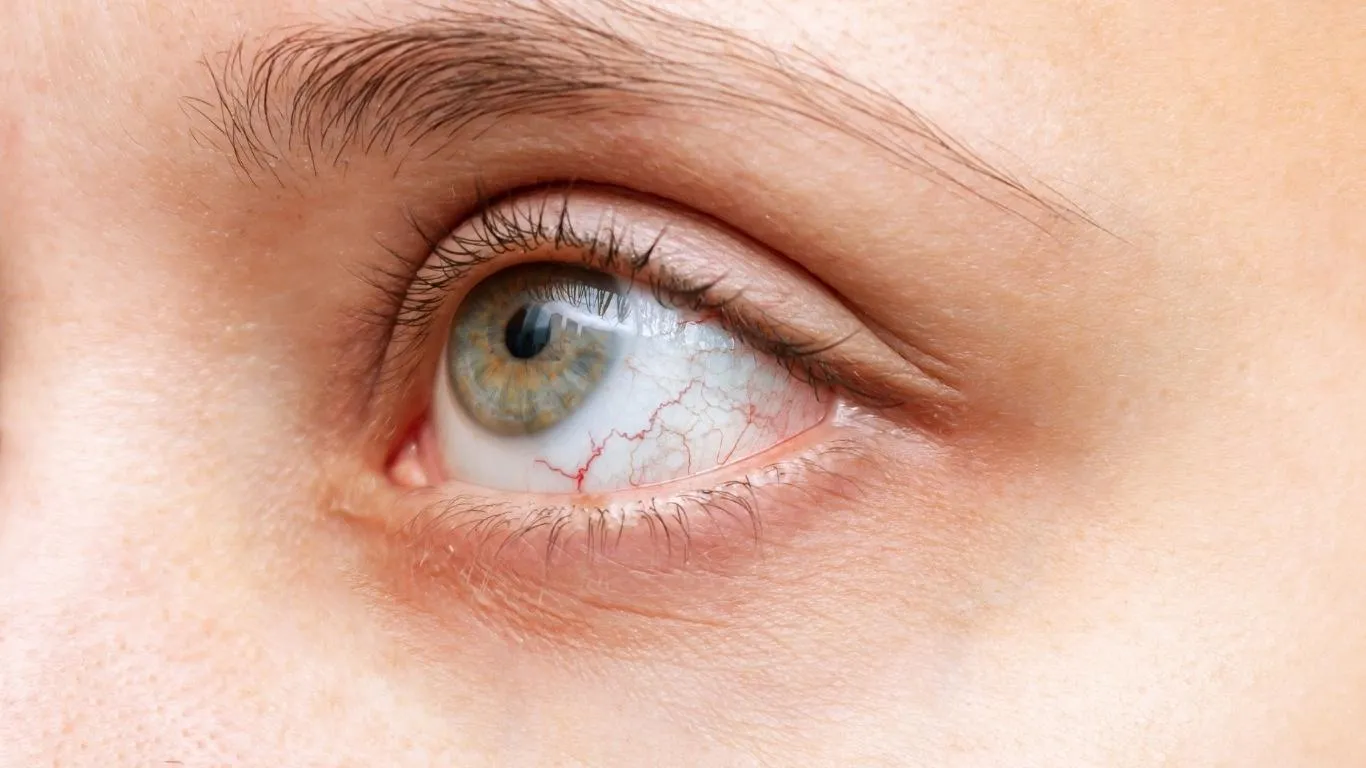
If you have a weakened immune system—due to medications, autoimmune conditions, or chronic illness—your risk of severe viral eye infections (and by extension, eye floaters) goes up. Diabetics, for example, can be more prone to retinal complications when a virus hits. Learn more about that connection in our guide: How Diabetes Leads to Eye Floaters and Vision Issues.
Other risk factors include:
- Previous viral infections like shingles near the eye
- Recent LASIK or cataract surgery that weakens eye tissue
- Ocular trauma or inflammation history
Pregnant women can also experience more floaters due to hormonal shifts and fluid changes. While not always infection-related, some floaters during pregnancy could be tied to mild viral or inflammatory responses. Here’s how to tell if it’s normal or not.
Tips to Protect Your Eyes from Viral Triggers
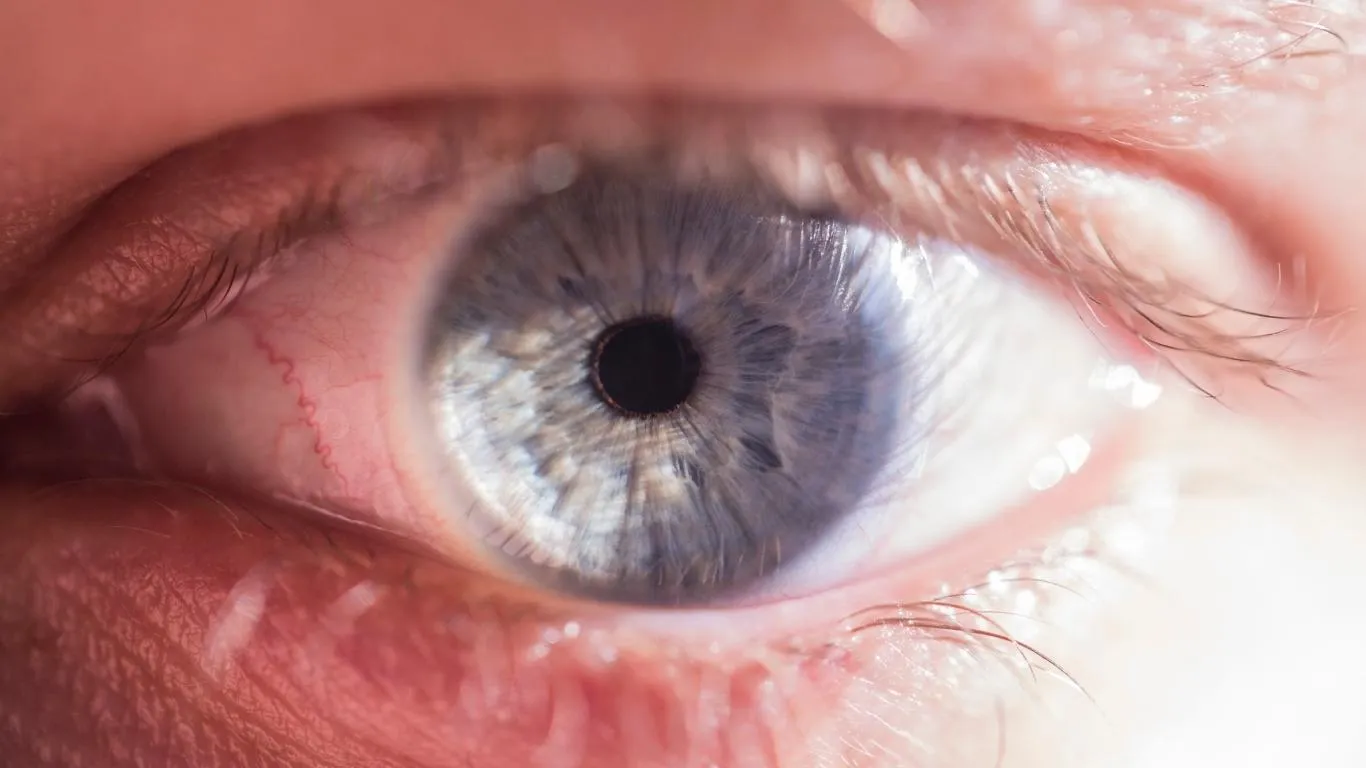
While you can’t bubble-wrap your immune system, there are simple things you can do to reduce the risk of viral infections turning into floaters:
- Wash your hands—constantly: Many eye viruses spread via contaminated fingers.
- Avoid touching or rubbing your eyes, especially during cold and flu season.
- Keep contact lenses clean: Poor hygiene is a fast track to infection.
- Stay up to date on vaccines, including shingles and flu shots.
- Manage stress and get sleep: It’s not just feel-good advice—your immune system depends on it.
Also, be cautious after any viral illness—even a mild cold. If you start noticing floaters, don’t assume it’s harmless. Check in with your optometrist or ophthalmologist, especially if you have underlying conditions.
When Eye Floaters Mean You Need Help
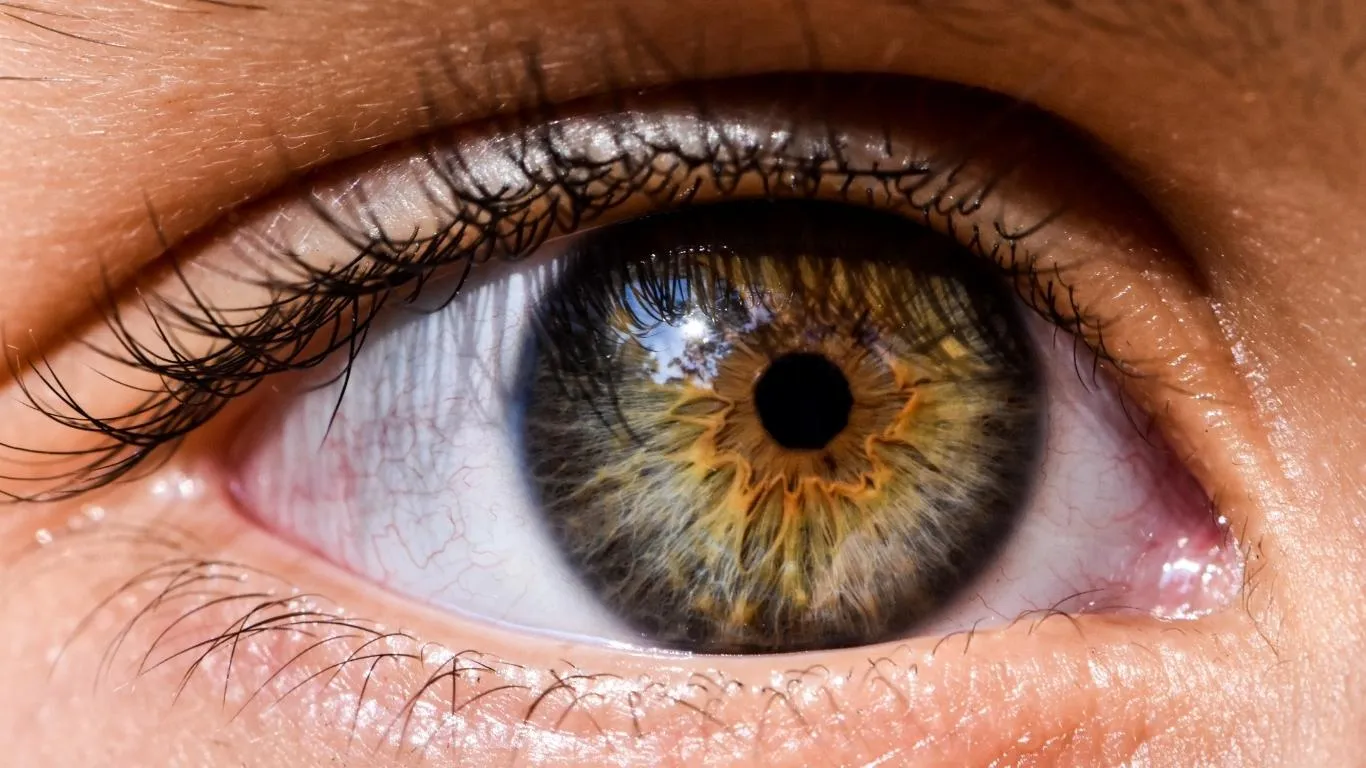
It’s easy to ignore a few floaters, but if they come on fast, multiply quickly, or come with light flashes, that’s your cue to act. This could signal a retinal tear, detachment, or viral retinitis—all of which need rapid intervention.
Even if it turns out to be a minor issue, it’s better to be cautious. Knowing when floaters are dangerous could literally save your sight.
Floaters caused by viral infections are more than a nuisance—they’re a glimpse into what’s happening deeper in the eye. And while they often fade, understanding the connection between infections and vision changes empowers you to take action early and protect what matters most—your sight.

Camellia Wulansari is a dedicated Medical Assistant at a local clinic and a passionate health writer at Healthusias.com. With years of hands-on experience in patient care and a deep interest in preventive medicine, she bridges the gap between clinical knowledge and accessible health information. Camellia specializes in writing about digestive health, chronic conditions like GERD and hypertension, respiratory issues, and autoimmune diseases, aiming to empower readers with practical, easy-to-understand insights. When she’s not assisting patients or writing, you’ll find her enjoying quiet mornings with coffee and a medical journal in hand—or jamming to her favorite metal band, Lamb of God.