When to Worry About Floaters with Eye Discharge
So, a few months ago, I noticed something weird happening with my eyes—those little floaters that danced across my vision weren’t new, but this time, there was a bit of eye discharge too. I thought it was just dry eyes or a bad night’s sleep. Turns out, it was something I shouldn’t have ignored. If you’re seeing floaters and dealing with eye discharge at the same time, don’t just brush it off like I did.
What Are Floaters and Why Are They Paired with Eye Discharge?
Floaters are those shadowy specks or threads that drift through your field of vision. They’re usually harmless and often come with age. But when they show up along with eye discharge—well, that’s when it’s time to pay attention.
Discharge might mean your eyes are fighting off something, like an infection or inflammation. When both floaters and discharge appear together, it could point to a deeper issue that involves not just your eye surface but the internal eye environment too.
Common Reasons You’re Seeing Floaters *and* Eye Discharge
1. Eye Infections (Bacterial or Viral)
This is probably the most common link. Pink eye (conjunctivitis), keratitis, or even viral eye infections can cause discharge—and sometimes floaters sneak in too. When the back of your eye is affected, like with viral floaters, you’re dealing with more than just surface irritation.
During a particularly bad sinus infection, I developed conjunctivitis. I didn’t think much of it until I began seeing floaters along with thick mucus-like discharge. My optometrist warned that ignoring this could lead to more serious inflammation like uveitis or even retinal complications.
2. Uveitis
Uveitis is inflammation of the uvea—the middle layer of your eye. It can cause floaters, redness, pain, light sensitivity, and yes, eye discharge too. Some cases are tied to autoimmune diseases, but it can also show up after infections or trauma.
If this sounds familiar, check out how uveitis and floaters are connected.
3. Allergic Reactions or Severe Dry Eye
Seasonal allergies or exposure to irritants like smoke or chemicals can lead to goopy eyes and mild floaters. While the discharge here tends to be watery or stringy, floaters may show up due to inflammation or irritation of the eye’s inner gel (vitreous).
4. Trauma or Injury
Ever rubbed your eyes way too hard after getting something in them? Yeah, don’t do that. Trauma—even minor—can lead to floaters and trigger protective discharge as your body tries to flush out irritants. More serious trauma can even lead to retinal tears.
Eye injuries should always be taken seriously. See how sports injuries and floaters are linked in more severe cases.
Are Floaters and Discharge Always a Red Flag?
Not necessarily. Sometimes it’s a short-term reaction to eye strain or an irritant. But if you’re seeing:
- Persistent or worsening floaters
- Thick yellow or green discharge
- Eye pain or redness
- Flashes of light or loss of peripheral vision
—then it’s time to act. You might be dealing with something that could damage your retina, like a retinal tear or detachment. These aren’t things to self-diagnose or wait out.
Underlying Health Conditions That Can Connect the Dots
Diabetes and Eye Floaters
Diabetic eye disease, especially when blood vessels leak into the vitreous, can cause floaters. Add to that a weakened immune system and you’re more prone to infections that trigger discharge too.
This combo might point toward diabetic retinopathy or early vitreous hemorrhaging. Learn how diabetes causes floaters and vision problems.
Autoimmune Issues
Conditions like lupus, rheumatoid arthritis, or sarcoidosis can cause inflammatory responses in the eyes. The result? Both floaters and eye discharge, often chronically.
If your immune system’s running on high alert, your eyes can be a major target. More on that here: Autoimmune-related floaters.
When It’s Not Just a Coincidence

Seeing floaters is one thing, but when discharge joins the party, it’s usually your eye trying to tell you something’s off. Don’t assume they’re unrelated—many conditions impact both the front and back of the eye simultaneously.
If you’re unsure what’s triggering both symptoms, take a look at the differences between floaters and other eye issues. It helped me understand what was going on before my next appointment.
What to Ask Your Eye Doctor
- Could this be an infection or internal inflammation?
- Are these floaters a symptom of something more serious?
- What tests do I need to check for retinal damage or uveitis?
- Do I need medication, or is this self-resolving?
My own eye doc ran a full dilated exam and optical coherence tomography (OCT)—which showed mild posterior vitreous detachment. It wasn’t serious, but it explained everything. She also directed me to this great overview on floaters to get a broader picture.
If you want to understand more about the root causes—especially if your symptoms persist—check out this article on common causes of floaters. It’s thorough, research-backed, and genuinely helped me connect the dots.
So, What Can You *Actually* Do About Floaters with Eye Discharge?
Alright—so you’ve got floaters, and there’s goop coming from your eye. Now what? The good news is, not every case needs surgery or hardcore meds. In my experience, most mild combos clear up with the right care. But—and it’s a big but—you’ve got to be proactive.
1. Treat the Underlying Cause First
Floaters usually don’t go away quickly, but the discharge often does once the root issue is handled. Got an infection? Your doc might prescribe antibiotic or antiviral drops. Dealing with inflammation? You’ll likely be put on steroid drops. I was once given antibiotic-steroid combos—worked wonders within 48 hours.
If you’re unsure whether medication could be causing the issue, check out this in-depth look at steroid drops and floaters.
2. Rinse and Rest
Warm compresses, saline rinses, and less screen time help more than you think. Sometimes, that goopy discharge is your body trying to flush things out. Support it—don’t fight it.
- Use preservative-free artificial tears (seriously, it makes a difference)
- Clean your eyelids daily, especially if you wear makeup or lenses
- Sleep more (I know, easier said than done)
Are There Situations When You *Should* Worry?
Floaters by themselves? Not always a big deal. But when mixed with discharge and any of these symptoms, you should absolutely call your eye doctor:
- Sudden increase in floaters, like a shower of them
- Flashes of light in your peripheral vision
- Dark curtain effect moving across your sight
- Pain, swelling, or sticky yellow-green discharge
I once saw floaters that looked like spider webs—turns out, that was a sign of posterior vitreous detachment. It wasn’t dangerous on its own, but it required monitoring to avoid retinal tears.
Can You Prevent It From Happening Again?
Here’s the real talk—some floaters are just part of life. Aging changes your vitreous (the gel in your eye), and floaters come with the territory. But floaters mixed with discharge? That’s often preventable if you know what to look for and what habits to keep in check.
Quick Prevention Wins
- Keep your hands away from your eyes. I used to rub my eyes all the time—no more.
- Don’t skip routine eye exams. Catch small issues before they become bigger problems.
- Manage allergies properly. Allergy drops help reduce discharge and minimize irritation.
- Stay hydrated and eat eye-friendly foods. Omega-3s and leafy greens aren’t just hype—they help.
On the topic of lifestyle, dehydration can actually make floaters seem worse. Sounds random, but here’s a deeper dive on dehydration and floaters that might surprise you.
When Surgery or Procedures Make Sense
Most people don’t need surgery for floaters, even if discharge was present at some point. But in cases where floaters interfere with vision or are linked to serious retinal issues, there are a couple of options:
Laser Therapy (Laser Vitreolysis)
Think of it like vaporizing floaters with pinpoint precision. It’s not widely available, and not everyone is a candidate—but some people swear by it. Talk to an ophthalmologist with actual hands-on experience.
Vitrectomy
This is more serious—it involves removing the vitreous gel completely and replacing it with a saline solution. The floaters go away, but the risks (like retinal detachment or cataracts) are real. I’d never consider this unless floaters became truly debilitating.
If you’re considering treatments, here’s a useful guide on floater treatment options from conservative to surgical.
Should You Worry About Long-Term Vision Problems?
Honestly, it depends. If floaters with discharge happen once due to a passing infection, you’re likely fine. But if this becomes a recurring thing, or your vision feels cloudy, dimmed, or disrupted, it’s time to dig deeper.
Conditions like endophthalmitis (a serious eye infection) can cause floaters and discharge—and they can cause permanent damage if untreated.
And remember, even subtle changes in vision matter. If your peripheral vision shifts, or your eyes suddenly become more sensitive to light, don’t write it off.
When It’s More Than Just Eyes: Systemic Conditions to Watch
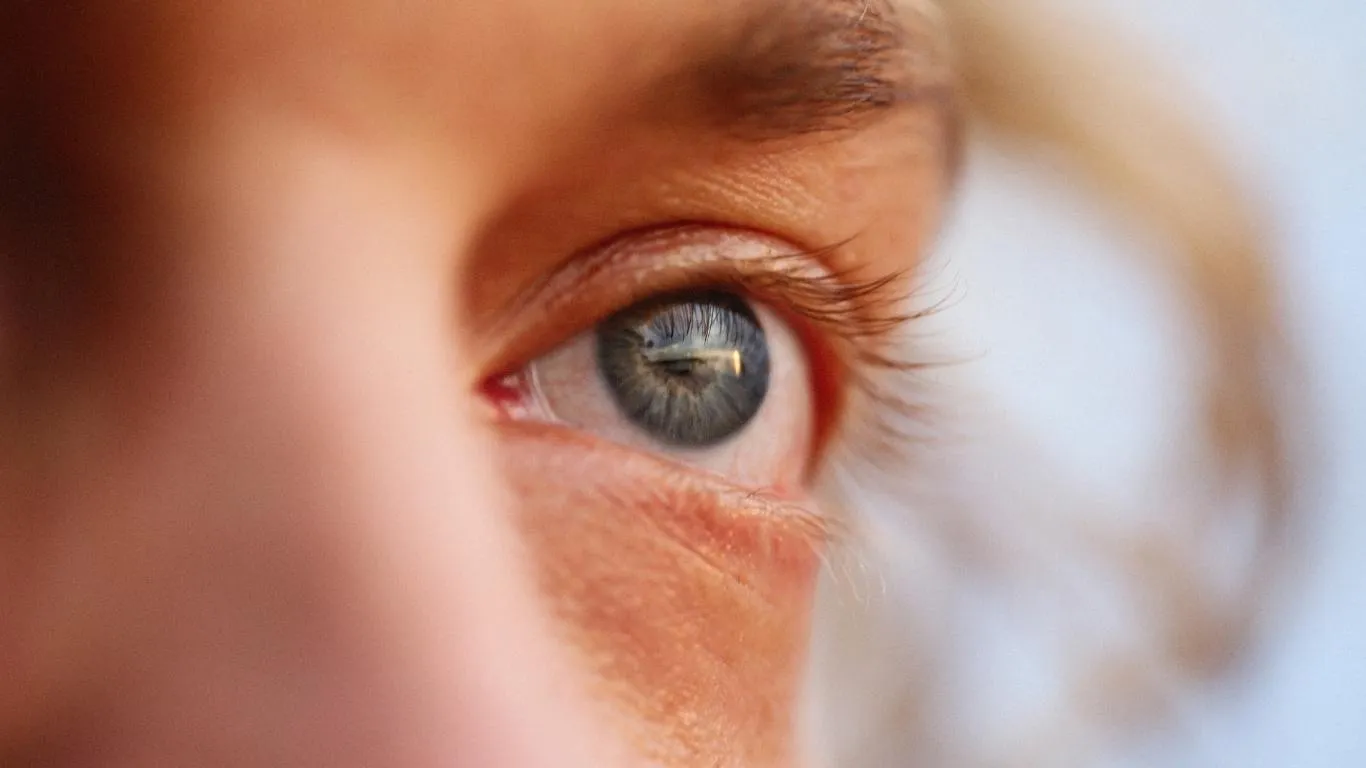
My eye doc once told me: “Eyes are the windows to your bloodstream.” And it’s true. If you’ve got autoimmune conditions, diabetes, or even just a history of migraines, floaters with discharge could be your first warning.
Check out how migraines and floaters sometimes share more than just bad timing.
On top of that, vitamin deficiencies and poor nutrition may also contribute. Curious how your habits may be playing a role? Take a look at floaters and nutrition.
Don’t Self-Diagnose — Be Proactive
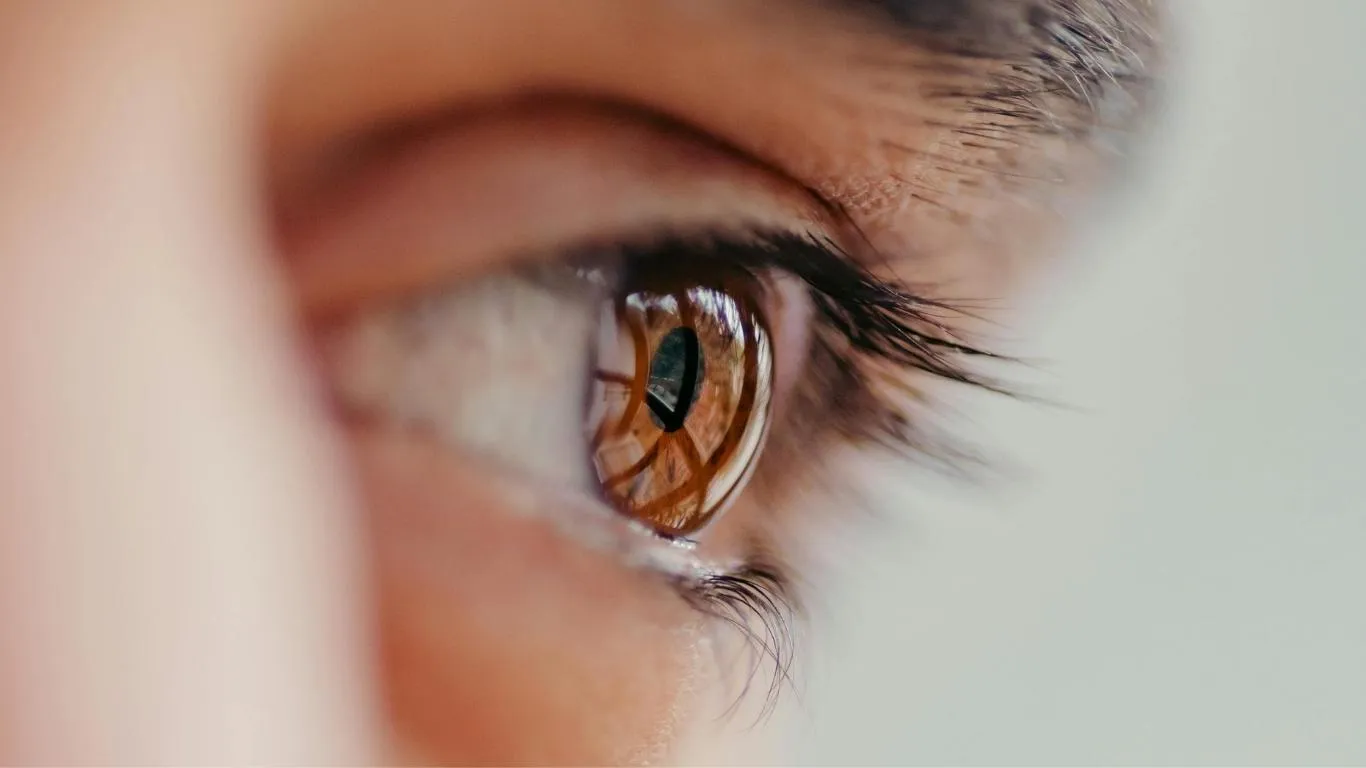
Floaters plus eye discharge isn’t something to panic over, but it’s also not something to ignore. The first time it happened to me, I almost convinced myself it was nothing. I’m glad I didn’t wait—because early attention meant a full recovery with no lingering damage.
Start with a full eye exam. Ask the right questions. If needed, get referred to a retina specialist. And hey, make sure you’re reading accurate info—not just forums. Here’s a trusted breakdown of the basics on eye floater causes and treatment.
Still wondering what else could be triggering your symptoms? Don’t miss this resource on how to spot early floater symptoms—especially when they appear with discharge.

Camellia Wulansari is a dedicated Medical Assistant at a local clinic and a passionate health writer at Healthusias.com. With years of hands-on experience in patient care and a deep interest in preventive medicine, she bridges the gap between clinical knowledge and accessible health information. Camellia specializes in writing about digestive health, chronic conditions like GERD and hypertension, respiratory issues, and autoimmune diseases, aiming to empower readers with practical, easy-to-understand insights. When she’s not assisting patients or writing, you’ll find her enjoying quiet mornings with coffee and a medical journal in hand—or jamming to her favorite metal band, Lamb of God.