Why Antihistamines Might Be Making Your Eye Floaters Worse
It started off as just another allergy season. I was popping antihistamines like clockwork—morning and night—to keep the sneezing, itchy eyes, and runny nose at bay. But then something unexpected crept into my vision: tiny specks, shadows, and squiggly shapes that danced when I shifted my gaze. I blinked, rubbed my eyes, and even swapped allergy meds, but those pesky floaters remained. Sound familiar?
Understanding Eye Floaters Before Pointing Fingers at Antihistamines
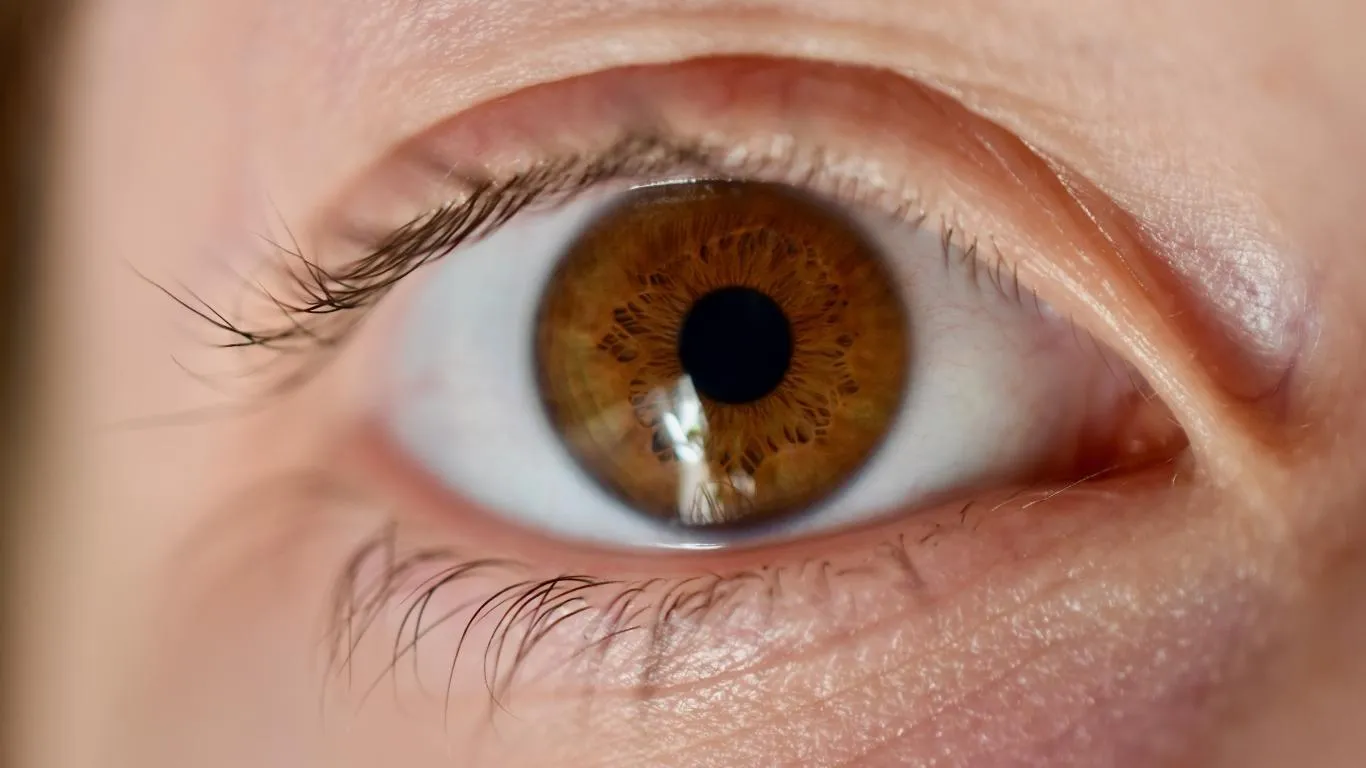
Before jumping straight to the allergy meds as the culprit, let’s break down what eye floaters really are. These odd little shapes in your vision—sometimes dots, cobwebs, or thread-like strands—are shadows cast by tiny clumps in the vitreous, the gel-like substance that fills your eye. When light passes through your eye, these clumps block it, casting shadows on your retina. That’s what you “see.”
Normal or Not? When Floaters Raise Eyebrows
Most of the time, floaters are harmless and part of the normal aging process. But sometimes, they’re a sign of something more serious, like retinal detachment or inflammation. If your floaters appear suddenly, or you see flashes of light along with them, that’s your cue to call the eye doc—stat.
- Sudden increase in floaters
- Accompanied by light flashes
- Loss of peripheral vision
These are considered red flags and could point to a retinal tear or other urgent eye issue. Floaters before a retinal tear aren’t something to ignore.
So… Can Antihistamines Cause Eye Floaters?
This is the million-dollar question. While there’s no mainstream study proving that antihistamines directly *cause* floaters, there are some pretty convincing reasons why they might contribute. And as someone who practically lived on allergy meds for a good chunk of spring and summer, I can tell you—my timing was suspicious.
Antihistamines and Eye Dryness
One of the most common side effects of antihistamines? Dry eyes. When your eyes don’t produce enough tears—or the tears evaporate too quickly—it can lead to irritation and inflammation, particularly on the eye’s surface. This dryness can put more strain on the eyes, potentially contributing to the perception of floaters.
Chronic eye dryness has also been linked with inflammation-driven floaters, where internal eye tissues become irritated, increasing your risk of visual disturbances.
Dehydration: A Sneaky Side Effect
Antihistamines often dehydrate the body—especially older, first-generation types like diphenhydramine (Benadryl). This dehydration can affect the vitreous humor, possibly altering its consistency. Some people speculate that a drier, shrinking vitreous might pull on the retina or clump more easily, increasing the number or visibility of floaters.
Curious about this link? We cover more in our guide on dehydration and floaters.
Can Allergy Medications Affect Eye Pressure or Circulation?
Another angle worth exploring is how antihistamines influence blood flow and eye pressure. Some meds—particularly those combined with decongestants—may impact intraocular pressure or circulation around the eye. While not directly proven to cause floaters, anything that affects the retina or vitreous blood supply could *theoretically* play a role.
If you’ve had eye surgeries or are predisposed to retinal issues, proceed with caution. Our deep dive on lifestyle factors and eye stress explores how seemingly minor habits and conditions might accelerate floater issues.
My Personal Floaters Journey With Antihistamines
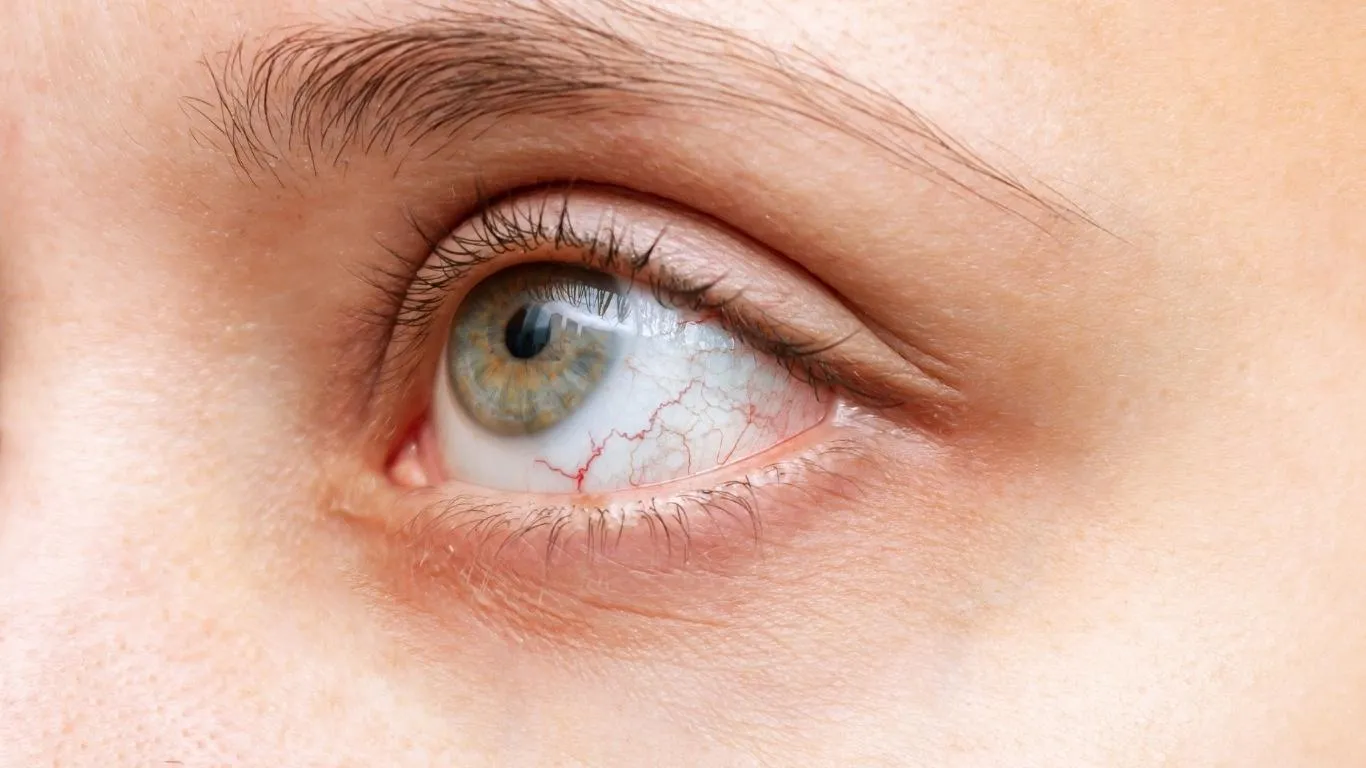
I never thought allergy pills could mess with my vision. But after a couple of weeks on high doses of over-the-counter antihistamines—plus a few late nights and very little water—I started noticing dots floating in my line of sight. I dismissed it at first, thinking it was just my screen time catching up with me. But it didn’t go away. Only after backing off the meds, drinking more water, and using artificial tears did the situation improve a bit.
I’m not saying antihistamines are evil. They work wonders when pollen counts skyrocket. But if you suddenly notice eye floaters after starting or increasing your allergy meds, don’t ignore it. The connection might be subtle, but it’s worth considering.
What Experts and Studies Suggest
Most ophthalmologists don’t list antihistamines as a primary cause of floaters—but they do acknowledge that anything affecting eye moisture or internal eye balance could potentially influence how floaters develop or are perceived. Some sources, including ncbi.nlm.nih.gov and aao.org, have suggested that systemic medications can occasionally alter ocular structures in sensitive individuals.
If you’re taking medications regularly and notice new visual disturbances, especially if you’re in your 30s or 40s, don’t brush it off. Learn more about eye floaters in your 40s and what could be normal—or not—for your age.
And for a broader understanding of what causes floaters and how to treat them, check out our full treatment guide and the main overview in our Eye Floaters Main Pillar article.
What to Do If You Suspect Antihistamines Are Behind Your Eye Floaters
If you’re like me and started noticing floaters after a change in your allergy meds, there are a few smart steps you can take without going into panic mode. Floaters don’t always mean something serious, but it doesn’t hurt to be proactive—especially when your vision is on the line.
- Hydrate like crazy: If you’ve been taking antihistamines for a while, especially the older types, they can dry you out. Not just your mouth—but your eyes too. Drinking plenty of water helps restore hydration to the vitreous gel and supports overall eye health.
- Switch to non-drowsy formulas: Not all antihistamines are created equal. Some of the newer, second-generation ones (like loratadine or cetirizine) are less likely to cause systemic dehydration or eye-related side effects.
- Try preservative-free artificial tears: These can help soothe irritated eyes and relieve that “dry scratchy” feeling that some allergy meds might cause. It’s a simple fix that might even make the floaters less noticeable.
- Talk to an ophthalmologist: If your floaters came on fast or have gotten worse, don’t just wait it out. Rule out serious conditions like posterior vitreous detachment or retinal issues with a proper eye exam.
Alternative Allergy Relief That’s Gentler on the Eyes
If you’re looking to manage seasonal allergies without putting your vision at risk, there are some gentler alternatives to consider. And no, I’m not talking about ditching meds altogether—just finding what works better for your body (and eyes).
Nasal Sprays & Eye Drops
Some folks do better with localized treatments. Antihistamine eye drops and nasal sprays can target symptoms right where they start—without flooding your entire system with medication. That means fewer side effects, including potential issues like dry eye and blurred vision.
Saline Rinses
I used to think neti pots were just for crunchy yoga types, but once I gave it a shot, I was hooked. Rinsing out allergens before they get absorbed can reduce the need for oral meds altogether.
Natural Supplements
Some supplements like quercetin, stinging nettle, and vitamin C have anti-inflammatory properties that might reduce histamine responses. Of course, talk to a professional first. There’s a helpful breakdown in our guide on supplements that support eye health and reduce floaters.
When Floaters Signal Something More Serious

Let’s be clear—not every new floater should trigger panic, but it’s important to stay alert. If your floaters increase suddenly, appear alongside flashes, or come with vision loss, don’t hesitate. That could mean more than a side effect—it could point to a condition that needs urgent care.
Floaters after medical treatments like anesthesia or surgery are another potential risk factor that’s worth looking into if you’ve had recent procedures.
For those with autoimmune conditions or chronic inflammation, eye floaters could be a symptom of something deeper. You’ll want to explore our piece on autoimmune disease and floaters if you’ve got other systemic symptoms going on.
So Are Antihistamines to Blame? Not Always—But They Might Be a Trigger
Here’s where I landed: antihistamines probably didn’t *cause* my floaters outright. But the combination of dry eyes, dehydration, screen time, and not enough sleep while taking them certainly didn’t help. And it’s that perfect storm that might push floaters to the surface—literally and figuratively.
There’s also the reality that as we age, our eyes change. Our vitreous gel becomes more liquified, and floaters naturally appear more often. Add in an external factor like meds or illness, and it’s a recipe for eye symptoms.
Understanding how seemingly minor things—like allergy pills—interact with your body helps build a more complete picture of your health. If you’re curious how other subtle risk factors might influence floaters, don’t miss our full breakdown on how blood pressure and circulation can also play a role.
Keeping Your Eyes Healthy During Allergy Season and Beyond
Whether you’re team antihistamine, team natural remedy, or somewhere in between, the key is awareness. Your eyes are one of the most sensitive parts of your body—and they often show signs of imbalance faster than you’d think.
- Get annual eye exams — even if your vision seems fine
- Stay hydrated — it helps everything from skin to retina health
- Limit screen time — or at least follow the 20-20-20 rule
- Use a humidifier — especially during allergy or heating seasons
For an even deeper dive into all the causes—from common to rare—check out our full exploration on what causes eye floaters and how to handle them effectively.
And if you’re just starting your journey or want a comprehensive guide from symptoms to solutions, don’t miss our main article: What Are Eye Floaters? Causes, Symptoms, and Treatment Options.

Camellia Wulansari is a dedicated Medical Assistant at a local clinic and a passionate health writer at Healthusias.com. With years of hands-on experience in patient care and a deep interest in preventive medicine, she bridges the gap between clinical knowledge and accessible health information. Camellia specializes in writing about digestive health, chronic conditions like GERD and hypertension, respiratory issues, and autoimmune diseases, aiming to empower readers with practical, easy-to-understand insights. When she’s not assisting patients or writing, you’ll find her enjoying quiet mornings with coffee and a medical journal in hand—or jamming to her favorite metal band, Lamb of God.