Why Anxiety in Romantic Relationships Feels So Draining
Anxiety doesn’t always scream. Sometimes, it whispers through late-night overthinking, over-texting, or that lingering doubt when everything seems perfectly fine. I remember in one of my earlier relationships, I’d analyze a delayed text reply like it was a cryptic puzzle. Rationally, I knew better. Emotionally? It felt like a personal storm. This is the reality for so many navigating anxiety in romantic relationships. It’s messy, confusing, and, honestly, a little exhausting — but totally normal. You’re not broken, and your relationship isn’t doomed. Let’s dive into the heart of it.
What Anxiety Looks Like in Romantic Relationships

Anxiety doesn’t always come with a warning sign or a panic attack. Sometimes, it hides under behaviors that seem normal — until they start affecting your connection with your partner. Common patterns include:
- Overanalyzing messages, tone, or gestures
- Seeking constant reassurance (“Do you still love me?”)
- Fear of abandonment or being cheated on, even without evidence
- Sabotaging happy moments because they feel too good to be true
- Struggling to trust even a genuinely loving partner
These aren’t red flags in you — they’re signs you might be carrying emotional baggage or unresolved experiences. This kind of anxiety isn’t about your partner doing something wrong. It’s about how your brain tries to protect you, even if it’s misfiring.
Where Relationship Anxiety Comes From

Past Trauma and Insecure Attachment Styles
I used to brush off my clinginess as “just being passionate.” But once I read about how childhood trauma and anxiety shape adult behavior, it hit me — those unhealed wounds were showing up in my love life. If you grew up with emotional neglect, unpredictability, or criticism, your nervous system learned to anticipate threat, not connection. This shows up as anxious attachment — you crave intimacy but fear losing it constantly.
Social Conditioning and Unrealistic Expectations
Rom-coms and social media don’t help. They show idealized love stories that rarely exist in real life. So when your relationship doesn’t match the fantasy, anxiety kicks in. “Maybe this isn’t love.” “Maybe we’re not compatible.” Those thoughts spiral fast.
Health-Related or Generalized Anxiety Disorders
Sometimes, the issue isn’t just the relationship — it’s anxiety in general. People with GAD often experience intrusive worries about every aspect of life, including love. The relationship simply becomes another target for your anxiety.
How It Affects Your Partner (Even If They Don’t Say It)
Your partner might feel confused or helpless, especially if they don’t fully understand what you’re going through. Here’s how anxiety can impact them:
- Feeling like they’re walking on eggshells — afraid one wrong move will cause distress.
- Emotional burnout — from trying to provide constant reassurance or clarity.
- Misinterpreting your anxiety as distrust or control — especially if they don’t realize it’s fear-based.
This is why open communication — scary as it might feel — matters. When I finally explained to a partner, “Hey, sometimes my anxiety makes me think worst-case scenarios even when you’ve done nothing wrong,” it changed everything. He didn’t take it personally anymore. He supported me instead of pulling away.
Ways to Manage Relationship Anxiety Without Losing Yourself

1. Anchor Yourself Before You React
Before sending that “Are you mad at me?” text, pause. Take a breath. Ask yourself: “Is this based on what I know, or what I fear?” Journaling or quick breathing exercises can ground you. This guide on breathing exercises for anxiety relief is gold. I keep one bookmarked for those emotional ambush moments.
2. Build Your Own Safety Net
You don’t want your partner to be your therapist. Your emotional stability should include:
- Talk therapy with someone who gets relationship dynamics
- Practices like journaling or progressive muscle relaxation (this technique helps you reconnect with your body)
- A support system that includes friends, not just your partner
3. Don’t Assume, Ask
Anxious minds love filling in blanks. But mind-reading leads to misunderstandings. Practice saying things like:
- “Can you clarify what you meant by that? I might be overthinking it.”
- “I know my anxiety’s flaring up — I’d love a little reassurance if you’re up for it.”
4. Create Boundaries With Your Own Thoughts
This one took me forever to learn. Not every anxious thought needs to be acted on. If something bothers you, give it time. Wait 24 hours. Most of the time, the storm calms without needing a big emotional conversation.
Want more help understanding how anxiety affects your daily life in subtle but disruptive ways? This main article explains it in depth.
5. Eat, Sleep, Move — Repeat
Yep, the basics matter. Nutritional support can help more than people realize. For instance, magnesium-rich foods can ease anxiety naturally. Combine that with regular movement and decent sleep, and you’ve got a solid foundation to regulate your emotions.
For a bigger picture on treating anxiety holistically, this guide on lifestyle & self-help for anxiety disorders ties it all together beautifully.
When Anxiety Turns Into Self-Sabotage

Here’s a hard truth I had to learn the rough way: sometimes, anxiety becomes the reason we ruin the very relationships we crave. Ever found yourself picking a fight right after an amazing date? Or suddenly going cold just when things feel good? That’s your brain saying, “This is too safe — danger must be coming!” It’s not logical. It’s survival mode on autopilot.
If you’ve noticed you tend to push people away, ghost, or pull back when things get close — you’re not alone. Many of us learned early on that vulnerability equals danger. But here’s the kicker: love needs risk. Emotional safety doesn’t mean zero anxiety; it means learning how to ride it without letting it take the wheel.
Supporting Your Partner When They Have Anxiety

Maybe you’re on the other side of this dynamic. You’re in love with someone who struggles with anxiety — and sometimes it feels like no matter what you do, it’s never enough. Supporting someone with anxiety isn’t about fixing them. It’s about learning how to show up without losing yourself. Here’s how:
1. Learn Their Triggers and Safety Language
Each person’s anxiety looks different. Some shut down, some spiral into verbal processing. Ask them what helps during flare-ups. Maybe it’s holding their hand silently. Maybe it’s reminding them, “You’re safe. I’m here.”
2. Encourage Healthy Independence
They need support, but not codependency. Cheer them on for seeking therapy or using tools like progressive muscle relaxation or exposure therapy. This article on exposure therapy is a helpful place to start.
3. Don’t Personalize Their Fear Responses
When someone lashes out or retreats during anxiety, it’s usually not about you. It’s about their inner fight-or-flight alarm system going off. I’ve seen relationships break simply because one person didn’t realize, “They’re not trying to hurt me — they’re hurting.”
Is It Anxiety… or Is It the Wrong Relationship?

This is a tricky one. Anxiety will make you question everything, even in good relationships. But sometimes, the anxiety is a signal, not a symptom. It might be your intuition speaking up — especially if:
- You feel unsafe emotionally, physically, or psychologically
- Your needs are constantly invalidated or ignored
- There’s chronic instability, manipulation, or gaslighting
Here’s the difference I’ve come to recognize: if you feel anxious in general and it shows up in every relationship — it’s probably anxiety. But if the anxiety disappears when you’re alone or with friends, and only activates around your partner? It might be more about the relationship dynamic.
Learning to tell the difference often requires support. Start with a mental health check-in — this GAD-7 questionnaire can be a powerful clarity tool.
Science-Backed Tools That Really Help

Managing anxiety in love isn’t about magic — it’s about strategy. These methods have worked for me (and clients I’ve coached) and have solid research behind them:
1. Cognitive Behavioral Therapy (CBT)
This therapy helps you identify distorted thinking patterns and reshape them. It’s one of the most proven methods for relationship-related anxiety. Learn the actual steps in this clear guide on CBT that works for anxiety.
2. Mindful Communication Practices
Tools like active listening, emotional mirroring, and timed check-ins reduce miscommunication. It helps partners feel heard instead of accused — which reduces defensive spirals.
3. Medication or Supplementation (If Needed)
Sometimes, anxiety is biochemical. There’s no shame in exploring medication like SSRIs (here’s why they’re more effective than you think) or trying calming supplements like omega-3s or herbal aids (natural remedies work surprisingly well for some).
This doesn’t mean your relationship is broken — it means you care enough to strengthen it. A skilled couples therapist can guide you both through anxiety spirals and create rituals of connection. It often bridges the gap that reassurance alone can’t fill.
Rebuilding Trust With Yourself
This part is personal for me. I used to think the solution to my relationship anxiety was to become less “needy.” But over time, I realized the real fix was learning to trust myself again. To stop outsourcing my sense of worth to someone else’s attention or validation.
When you start showing up for yourself — with compassion, honesty, and consistency — you stop demanding someone else rescue you from your fears. You become your own anchor. That’s when love feels less like a lifeboat and more like a shared adventure.
If this journey resonates with you, you might want to read more about proper anxiety assessment to understand what’s actually happening behind the scenes.
Closing Thoughts
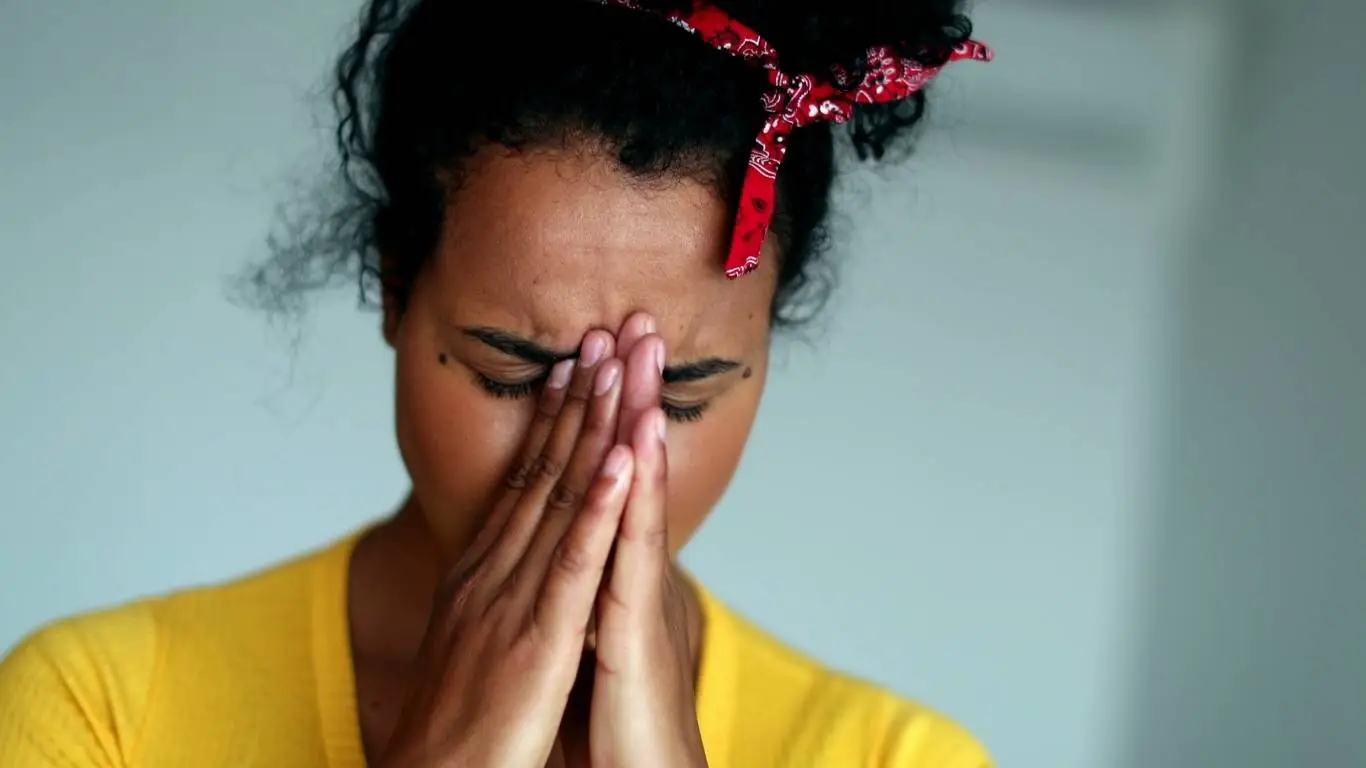
Love can be messy. Especially when anxiety shows up uninvited. But it doesn’t have to be the villain in your story. It can be the teacher — showing you where you need to heal, where you crave connection, and where your boundaries live. It’s okay to feel unsure sometimes. It’s okay to need reassurance. And it’s okay to grow out of survival-mode patterns. You deserve love that doesn’t come at the cost of your peace.
Want to go deeper into how lifestyle and emotional habits impact your anxiety patterns? Explore this deeper piece on lifestyle & self-help strategies — it ties everything together beautifully.
And if you haven’t yet, I also recommend checking out the main foundational article on why anxiety disorders secretly control daily life. It’ll help you understand the root system beneath what you’re feeling right now.

Camellia Wulansari is a dedicated Medical Assistant at a local clinic and a passionate health writer at Healthusias.com. With years of hands-on experience in patient care and a deep interest in preventive medicine, she bridges the gap between clinical knowledge and accessible health information. Camellia specializes in writing about digestive health, chronic conditions like GERD and hypertension, respiratory issues, and autoimmune diseases, aiming to empower readers with practical, easy-to-understand insights. When she’s not assisting patients or writing, you’ll find her enjoying quiet mornings with coffee and a medical journal in hand—or jamming to her favorite metal band, Lamb of God.