Why Are Eye Floaters Common in Older Adults?
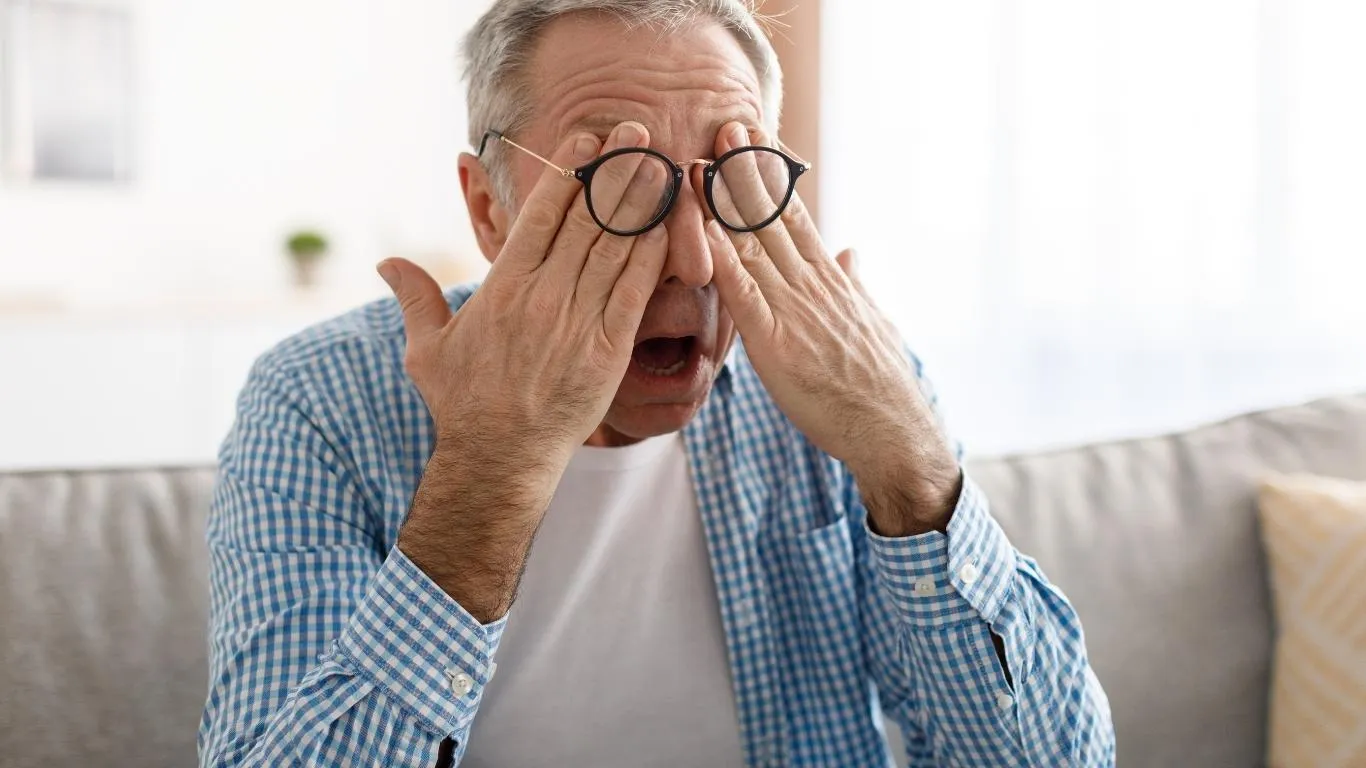
If you’ve ever been relaxing by the window and noticed strange specks drifting across your vision—like tiny cobwebs or shadowy dots—you’re not alone. I remember my grandfather mentioning this phenomenon every now and then, describing them as “ghosts in his eyes.” Back then, I brushed it off. Now, I understand they’re called eye floaters, and they’re incredibly common in older adults. But have you ever wondered why old people get floaters more than the younger crowd?
Understanding Eye Floaters: What Are They, Really?
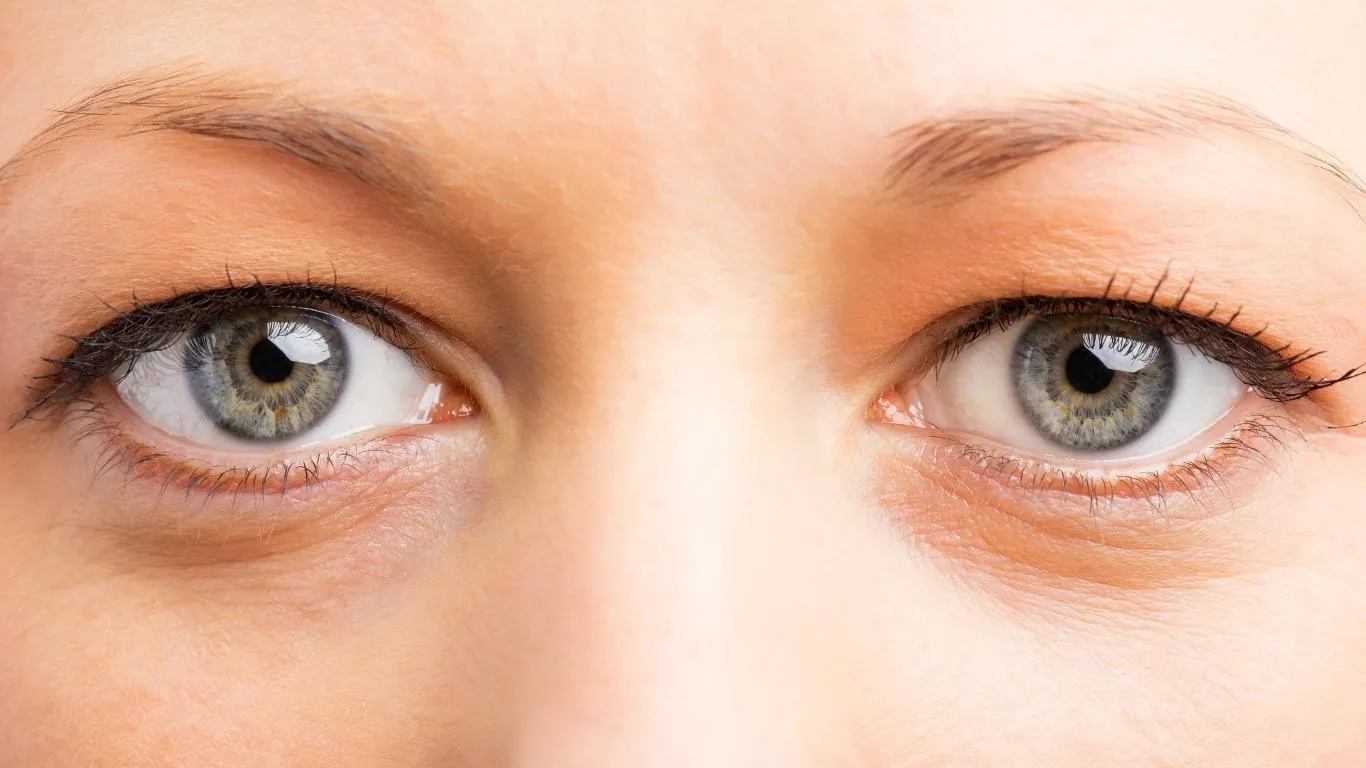
Floaters are those small specks or threads that drift aimlessly in your field of vision, usually more noticeable when staring at a bright, clear background like a sunny sky or a white wall. They’re actually tiny clumps of gel or cells inside the vitreous—the jelly-like substance that fills the middle of your eye.
In younger people, the vitreous is firm and clear. But as we age, it starts to liquefy and shrink, pulling away from the retina and clumping up. These clumps cast shadows on the retina, which appear as floaters. That’s why older adults tend to notice them more.
Why Do Old People Get Floaters More Frequently?
1. Natural Aging of the Vitreous Humor
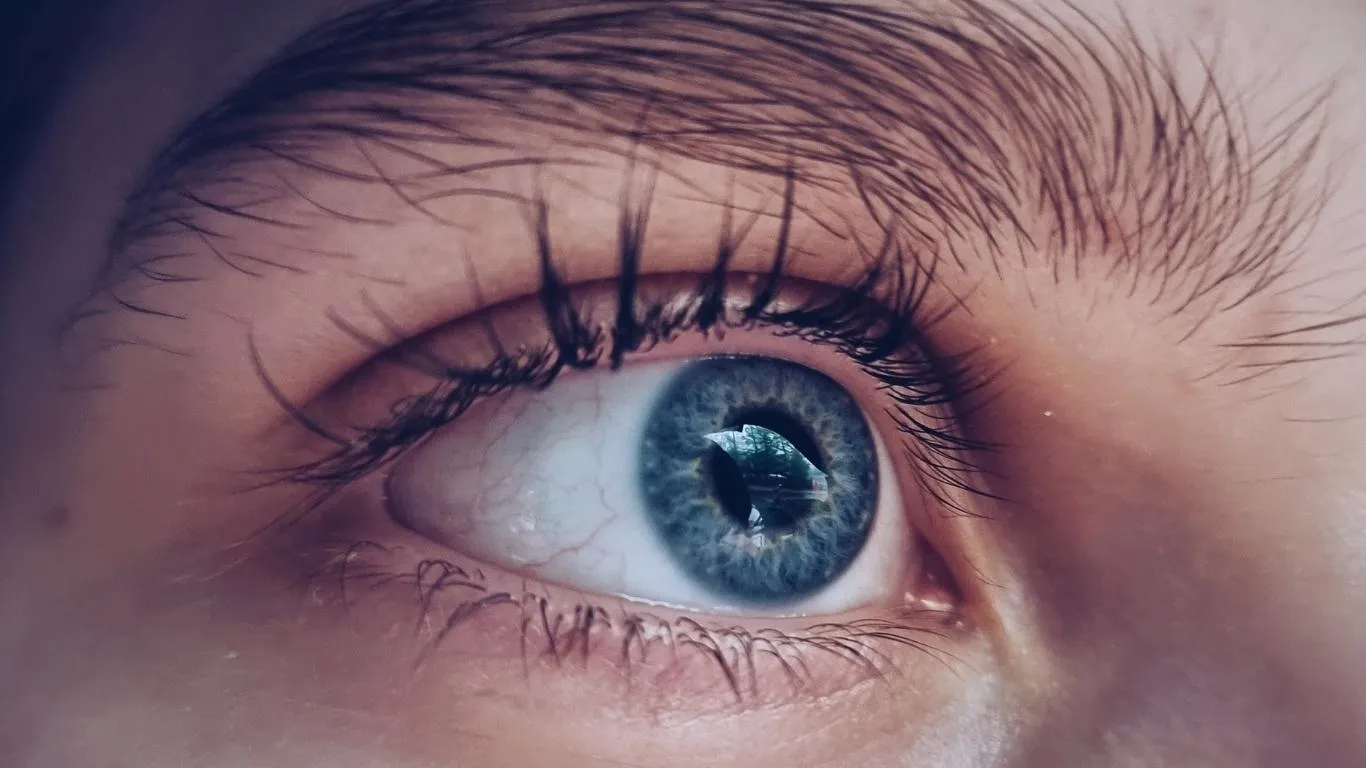
The most common reason old people get floaters is due to the natural degeneration of the vitreous humor. As we age, the gel-like vitreous starts to break down—a process known as syneresis. This breakdown causes pockets of liquid to form and proteins to clump together, which float around and cast those annoying shadows on the retina.
2. Posterior Vitreous Detachment (PVD)
Many older adults experience what’s called posterior vitreous detachment. It’s when the vitreous gel detaches from the retina—a common and usually harmless event that happens to most people after age 60. But it can result in a sudden increase in floaters, sometimes accompanied by flashes of light. According to the American Academy of Ophthalmology, PVD occurs in about 50% of people by age 80.
3. Age-Related Collagen Changes
Another key factor is collagen breakdown. The vitreous contains collagen fibers, which, with time, lose their supportive structure and become misaligned. This contributes to the clumping that leads to floaters. So yes, your body’s aging collagen plays a role not just in sagging skin but also in what you’re seeing—or rather, what’s floating around—in your eyes.
Contributing Risk Factors Specific to Older Adults
While aging is the primary cause, several age-associated risk factors also make eye floaters more likely:
- Diabetic Retinopathy: Older adults with diabetes are more prone to floaters due to retinal changes and bleeding into the vitreous.
- Cataract Surgery: After cataract removal, the eye undergoes changes that can lead to floaters—especially in those over 60.
- Eye Injuries: Aging eyes are more susceptible to trauma, and even minor injuries can lead to vitreous changes.
- Inflammation (Uveitis): Chronic inflammation of the eye, more common in some elderly individuals, may cause floaters.
In fact, as noted by a peer-reviewed study in the journal Clinical Ophthalmology, vitreous floaters are more prevalent and persistent among individuals over 55, often causing greater visual disruption compared to younger adults.
How Floaters Impact Daily Life in Seniors
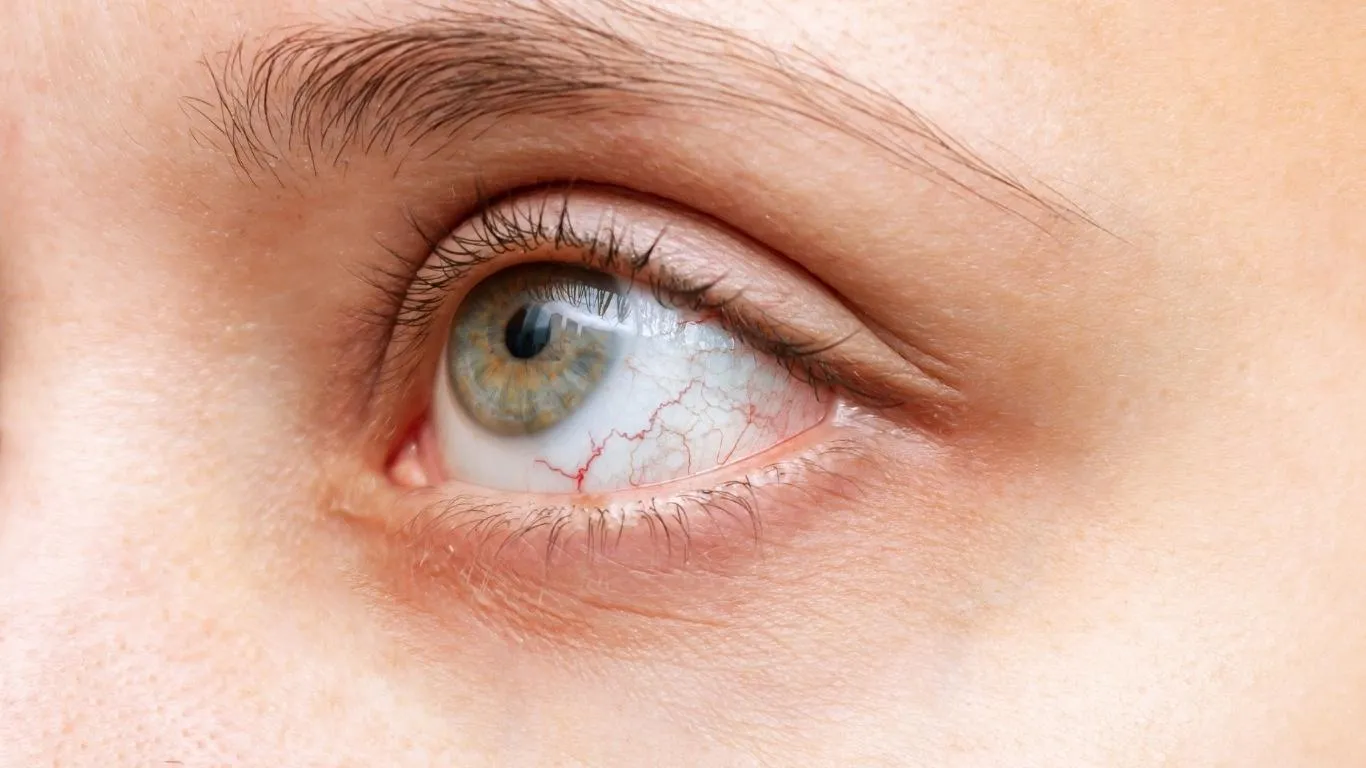
One thing people often overlook is the emotional and functional impact floaters can have—especially for older adults. I’ve heard my aunt, who’s in her late 70s, describe them as “little bugs dancing around” that interfere with her ability to read and garden. And while doctors usually say they’re harmless, the disruption they cause in everyday activities can be frustrating.
In some cases, floaters can also lead to increased anxiety, especially when their sudden appearance sparks fears of retinal detachment or other serious conditions. That’s why knowing when to seek help is just as important as understanding what causes them.
If you’re starting to notice new floaters along with light flashes or a curtain-like shadow in your peripheral vision, don’t ignore it—get checked immediately. These symptoms could indicate retinal detachment, which is a medical emergency.
So, Are Floaters Always Benign?

For the most part, yes—they’re benign. But here’s where experience matters. Many older adults tend to brush off vision changes, thinking they’re just “part of aging.” That mindset can be risky. Although floaters are often harmless, they can sometimes point to more serious underlying conditions like retinal tears, bleeding, or infections.
That’s why routine eye exams become more critical with age. Ophthalmologists can spot signs of PVD or retinal issues early, reducing the risk of permanent vision damage. If you’re over 60 and haven’t had a full eye exam in the last year, it’s probably time to schedule one.
To dive deeper into understanding the different causes of floaters in older adults—from natural aging to more serious conditions—check out our comprehensive guide here:
What Are Eye Floaters: Causes, Symptoms, and Treatment Options.
When Should Older Adults Be Concerned About Floaters?
Most floaters are just a harmless part of aging, but not always. I remember when my dad, who’s in his 70s, suddenly saw a swarm of dark spots across his vision. He thought it was just another age thing—but it turned out to be a retinal tear. Luckily, he got help fast and avoided permanent damage. So, how do you know when floaters are no longer “normal”?
Here are some red flags:
- Sudden Onset: A quick burst of new floaters, especially if they appear overnight.
- Flashes of Light: Like camera flashes or lightning streaks in the corner of your eye.
- Peripheral Vision Loss: Seeing a shadow or curtain coming over part of your vision.
- Increase in Size or Number: Floaters becoming more frequent or visually disturbing.
These symptoms might signal something more serious, such as a retinal detachment, hemorrhage, or vitreous hemorrhage. The sooner an eye doctor looks at it, the better your chance of avoiding long-term problems.
Can You Prevent Floaters as You Age?
There’s no guaranteed way to stop floaters from forming as you age, but there are ways to slow down their progression—or at least support overall eye health. I’ve personally found these small shifts to be helpful:
- Eat more antioxidants: Leafy greens, carrots, and berries help nourish the retina and reduce oxidative stress in the vitreous.
- Stay hydrated: Dehydration can exacerbate eye dryness and may influence vitreous consistency.
- Protect your eyes: Use UV-protective sunglasses to reduce long-term retinal damage.
- Manage blood sugar: Especially critical for older adults with diabetes or insulin resistance.
Some people explore supplements like vitamin C, lutein, and taurine, which have shown mixed results in studies. While they may not eliminate floaters, they can support general eye structure—especially for seniors concerned about maintaining vision clarity.
What About Treatments? Do Older Adults Have Options?
Some floaters fade on their own or become less noticeable over time. But when they don’t—or when they interfere with vision—it’s worth exploring treatment options. Here’s what’s available, especially for the 60+ crowd:
1. Watchful Waiting
Believe it or not, most eye doctors recommend a “do nothing” approach at first. Over time, the brain often learns to ignore floaters—a process called neuroadaptation. I’ve had friends in their 70s tell me they barely notice them anymore unless someone points it out.
2. Laser Vitreolysis
This outpatient procedure uses a laser to break up larger floaters and make them less noticeable. It’s becoming more popular among healthy older adults who are good candidates. The risks are low when performed by experienced ophthalmologists, but it’s not for everyone—especially if floaters are near the retina.
3. Vitrectomy
A more aggressive option, vitrectomy involves removing the vitreous gel and replacing it with a saline solution. It’s usually reserved for severe cases where floaters significantly impair vision or daily function. For seniors with other eye conditions, the risks of retinal detachment or cataract formation need to be weighed carefully.
For those curious about the full range of treatment possibilities and whether these options suit their specific situation, I highly recommend reading:
Eye Floater Treatments: From Observation to Surgery.
Living with Floaters: Perspective from Older Adults
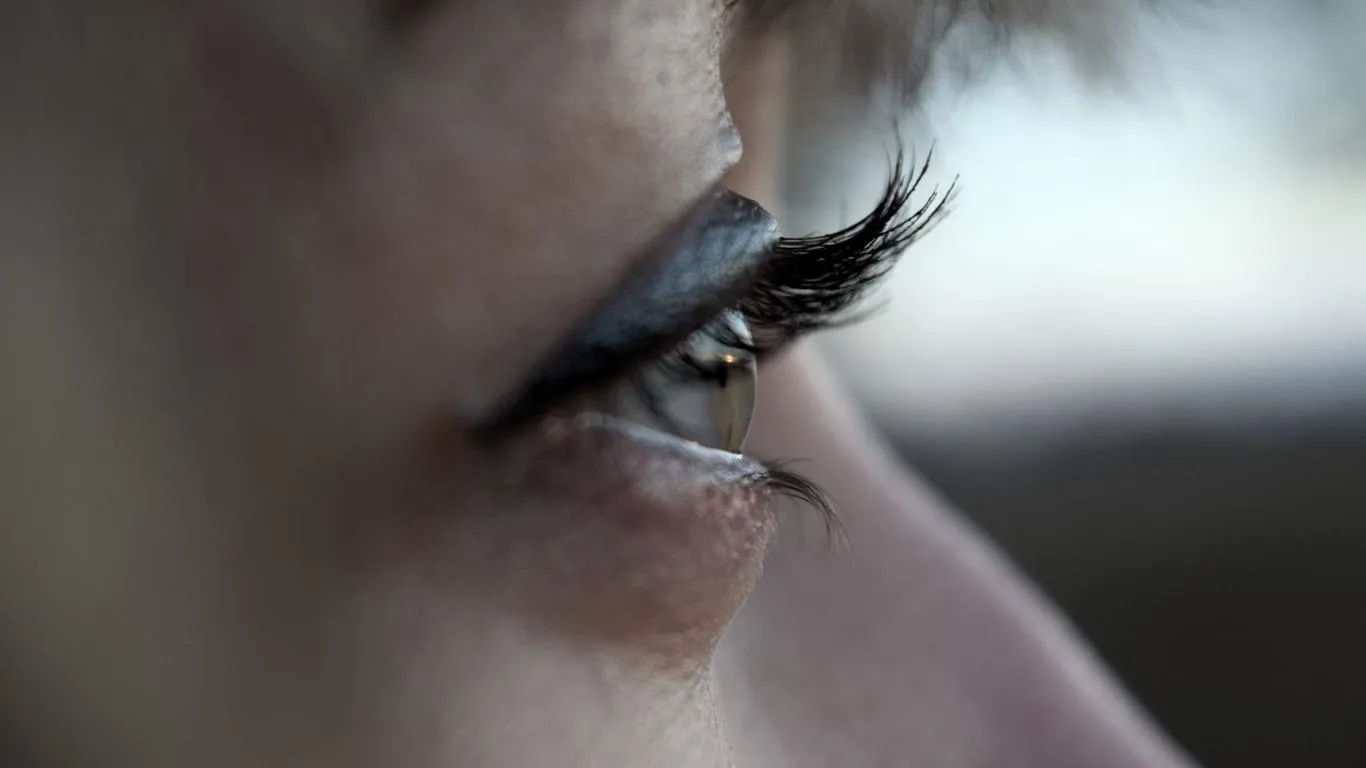
What I’ve noticed from family and patients alike is that the psychological aspect of floaters is often overlooked. Sure, they’re medically “benign” most of the time, but living with visual distractions day in and day out can take a toll—especially for people who enjoy reading, crafting, or working on screens.
One retired librarian I spoke with compared them to “reading through a dusty window that won’t wipe clean.” That’s a pretty accurate description. But most of them also say that over time, they learn to adapt. Floaters don’t go away entirely, but they fade into the background of everyday life.
It helps to remember: if you’re older and seeing floaters, you’re not broken. You’re just part of a club nobody asked to join—but one that’s surprisingly large. Staying proactive, educated, and aware of any changes is the best approach to eye floaters in later life.

Camellia Wulansari is a dedicated Medical Assistant at a local clinic and a passionate health writer at Healthusias.com. With years of hands-on experience in patient care and a deep interest in preventive medicine, she bridges the gap between clinical knowledge and accessible health information. Camellia specializes in writing about digestive health, chronic conditions like GERD and hypertension, respiratory issues, and autoimmune diseases, aiming to empower readers with practical, easy-to-understand insights. When she’s not assisting patients or writing, you’ll find her enjoying quiet mornings with coffee and a medical journal in hand—or jamming to her favorite metal band, Lamb of God.