Why Arthritis and Back Pain Often Worsen Together
When I first started noticing that dull ache in my lower back, I brushed it off as simple overuse from working long hours at my desk. But over time, the discomfort crept in more frequently and lingered longer. Eventually, it was more than just a nuisance—it began interfering with my sleep and daily routine. I didn’t think about arthritis at first. I associated it with stiff fingers and aging knees. But as I learned, arthritis and back pain are more connected than I ever imagined.
The Overlooked Connection Between Arthritis and Back Pain

Many people assume arthritis only affects peripheral joints like the hands, hips, or knees. But the spine is made up of dozens of joints—and these are just as vulnerable to wear, inflammation, and degenerative diseases. One of the most common culprits? Osteoarthritis.
Osteoarthritis of the spine—often referred to as spondylosis—can break down the cartilage between vertebrae and cause the bones to rub together. This friction leads to inflammation, stiffness, and, yep—you guessed it—persistent back pain. The pain can be deep, nagging, and worsen after long periods of sitting or standing.
It’s not just about wear and tear either. Inflammatory arthritis types like ankylosing spondylitis or psoriatic arthritis can directly affect the spine, triggering immune-related inflammation that impacts spinal joints and even causes bones to fuse in advanced cases. That’s when movement becomes not only painful but seriously limited.
What Arthritis-Related Back Pain Actually Feels Like

I remember trying to get out of bed one morning and feeling like my spine had turned into concrete. It wasn’t sharp pain—but more like my back had rusted overnight. That’s often the giveaway with arthritis-related back issues. It’s not just about pain; it’s about stiffness, swelling, and fatigue.
Here are a few telltale signs that arthritis may be behind your back discomfort:
- Back pain that worsens in the morning and eases as you move around
- Stiffness after periods of inactivity (like driving or watching TV)
- Recurring dull or aching pain, especially in the lower back
- Pain that doesn’t improve much with traditional back exercises
- Radiating discomfort into the buttocks or thighs
These signs may vary depending on the type of arthritis, but they’re a strong indicator that something deeper is going on than just a pulled muscle.
Who’s at Risk? You Might Be Surprised

While age is the biggest risk factor, arthritis isn’t just an “old person’s disease.” I started experiencing symptoms in my late 30s—and I’m not alone. Factors like:
- Genetics – family history can increase your risk
- Obesity – extra weight puts more pressure on spinal joints
- Previous injury – trauma to the back can trigger early joint degeneration
- Sedentary lifestyle – lack of movement weakens the muscles supporting the spine
Men are also more likely to develop ankylosing spondylitis, while women more commonly experience osteoarthritis or rheumatoid arthritis affecting the spine. This gender difference often leads to underdiagnosis or misdiagnosis if symptoms don’t follow the “expected” pattern.
Diagnosing the Root of the Pain

Getting a proper diagnosis is critical—especially since many people live with arthritis-related back pain for years without knowing the real cause. My diagnosis came after a combination of imaging and lab tests. Here’s what’s commonly involved:
- X-rays or MRIs to detect cartilage loss, bone spurs, or inflammation
- Blood tests to check for markers of inflammation or autoimmune disease
- Physical exam to assess spinal flexibility and pain patterns
According to CDC data, nearly 1 in 4 adults in the U.S. live with some form of arthritis. Many of them don’t connect it with their back pain until symptoms become unbearable.
For more detailed insights into symptoms and diagnosis, check out this guide on back pain symptoms and diagnosis. It helped me ask the right questions when I finally saw a specialist.
Taking the First Steps Toward Relief
After my diagnosis, I felt overwhelmed—but also relieved to finally have an answer. The key is taking proactive steps that balance treatment and lifestyle changes. You don’t have to suffer silently.
Here are a few simple adjustments that made a big difference in my routine:
- Gentle daily stretching (especially in the morning)
- Switching to an ergonomic chair and work setup
- Adding anti-inflammatory foods like turmeric and omega-3s to my diet
- Wearing supportive shoes to reduce lower back stress
If you’re exploring conservative treatment options, the Healthusias article on non-surgical back pain treatment gives great practical tips that don’t feel overwhelming.
To get a broader picture of back pain causes and how they tie into chronic conditions like arthritis, take a look at the main overview here: Back Pain Main Pillar.
Understanding the arthritis and back pain connection completely changed the way I approached my health—and my daily habits. Part of it is mindset, but part of it is just having the right information. And now that you do, you’re already ahead of where I was when this journey began.
Holistic Approaches That Helped Me Manage Arthritis-Related Back Pain

After accepting that arthritis was at the root of my back pain, I knew popping ibuprofen wasn’t going to cut it long-term. I needed an approach that didn’t just mask symptoms—it had to support my joints, mobility, and mental well-being. That’s when I started exploring holistic, evidence-based strategies that doctors often don’t mention unless you push for options.
One of the first shifts I made? Movement over medicine. Not crazy workouts—but low-impact, daily movement to keep things from stiffening up. Even a 10-minute stretch session first thing in the morning changed how my back felt for the rest of the day.
If you’re new to this, here’s what worked well for me:
- Gentle yoga (modified poses if you’re stiff)
- Pool therapy or aquatic exercises—less pressure on joints
- Stationary biking over long walks (less impact)
- Core-strengthening exercises to support the spine
Movement tailored to arthritis is a game changer. If you’re interested in building a supportive routine, this article on rehab and ergonomics for back pain breaks it down beautifully.
How Lifestyle Upgrades Make a Noticeable Impact

Once I got serious about managing arthritis symptoms naturally, I turned to my kitchen. I’m not a “clean eating” zealot, but when I swapped out processed snacks for anti-inflammatory foods—like leafy greens, salmon, walnuts, and turmeric—the difference was real.
What’s more, I noticed that cutting back on sugar and refined carbs helped reduce the foggy fatigue that often accompanied my back pain. The combo of better food and consistent hydration helped my joints stay more mobile and less cranky overall.
Some powerful, natural ways I supported my spine from the inside out:
- Green smoothies with ginger and chia seeds
- Curcumin supplements (consult your doc first)
- Swapping caffeine overload with matcha or golden milk
- Consistent hydration—at least 2 liters daily
There’s a great deep-dive into lifestyle and natural remedies for back pain over on Healthusias if you want more ideas that don’t involve medications.
When It’s Time to Seek Medical Interventions
I held off on seeing a specialist longer than I should’ve. The fear of hearing “surgery” was real—but thankfully, that wasn’t my only option. Once I saw a rheumatologist and pain specialist, I got access to newer approaches I hadn’t even considered.
Some medical treatments that are often part of an arthritis and back pain plan:
- Physical therapy tailored to arthritic joints
- Anti-inflammatory medications or DMARDs for autoimmune cases
- Spinal injections to calm nerve inflammation
- Minimally invasive procedures if degeneration becomes severe
For anyone considering these routes, it’s worth reading up on minimally invasive back pain treatments. It helped me understand options without spiraling into fear mode.
Don’t Overlook the Mental and Emotional Side

Here’s something I wish more people talked about: the emotional toll of chronic back pain. There were days I felt like my body was betraying me. It affected my sleep, mood, productivity, and even how I interacted with people around me.
I started doing a few things that helped shift my mental game while still managing pain:
- Journaling to track pain triggers and patterns
- Breathing exercises before bed for relaxation
- Short meditation sessions using an app like Calm
- Talking to a therapist about chronic pain anxiety
Trust me, you’re not weak for feeling frustrated or down about pain. It’s a real emotional burden. Healthusias actually covers the mental aspects of back pain in depth, which really resonated with me at my low points.
Building a Back-Friendly Daily Routine That Sticks
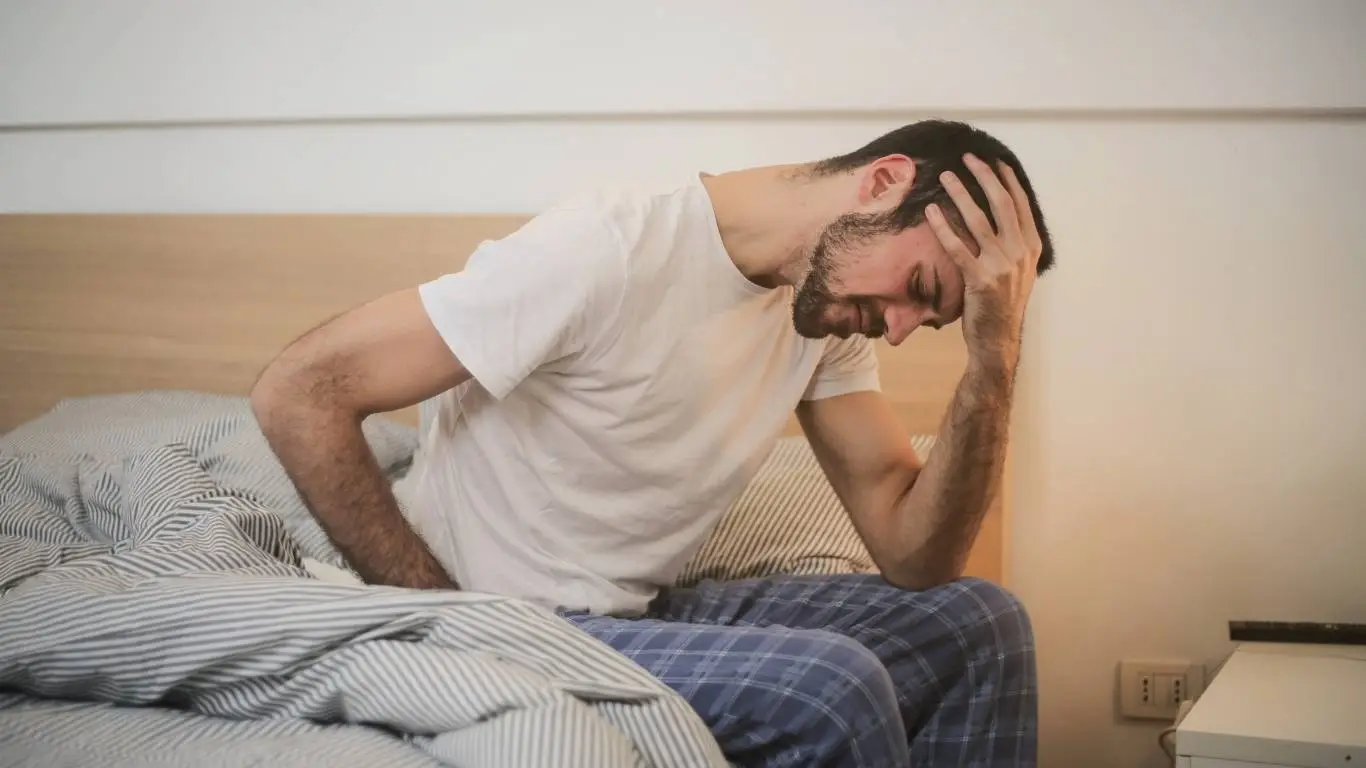
The goal for me wasn’t just symptom relief. I wanted to prevent things from getting worse while still living life normally. That meant making small, sustainable tweaks to my daily routine that didn’t feel like punishment.
Here’s what helped me stay consistent:
- Setting phone reminders to stand and stretch every hour
- Switching to an adjustable standing desk
- Using lumbar support pillows when driving
- Choosing shoes with arch support—not just cute ones
Even tweaking how I travel made a difference. If you sit a lot for work or fly often, the article on occupation and travel back pain tips has practical pointers that saved me on long flights.
Back Pain and Arthritis Are Manageable with the Right Information

If there’s one thing I’ve learned, it’s that managing arthritis and back pain isn’t about “fixing” it overnight. It’s about building a toolkit—physical, emotional, and lifestyle-based—that supports your spine day by day. I’m not pain-free, but I’m far from where I started. And that’s a win.
Whether you’re newly diagnosed or just starting to connect the dots between arthritis and back pain, keep digging into resources that prioritize long-term well-being. Start with this core breakdown of the different types and anatomy of back pain, and build from there.
And if you haven’t yet explored the big picture of what causes back pain and how it ties into chronic issues like arthritis, the main back pain pillar is a great place to begin your journey with confidence.

Camellia Wulansari is a dedicated Medical Assistant at a local clinic and a passionate health writer at Healthusias.com. With years of hands-on experience in patient care and a deep interest in preventive medicine, she bridges the gap between clinical knowledge and accessible health information. Camellia specializes in writing about digestive health, chronic conditions like GERD and hypertension, respiratory issues, and autoimmune diseases, aiming to empower readers with practical, easy-to-understand insights. When she’s not assisting patients or writing, you’ll find her enjoying quiet mornings with coffee and a medical journal in hand—or jamming to her favorite metal band, Lamb of God.