Why Blunt Eye Trauma Floaters Should Never Be Ignored
When I was 16, I got hit in the face with a basketball during a school match. It stung for a bit, but what really shook me was what came after—tiny dark specks started floating across my vision. I thought I was just imagining things until they stayed, danced across my line of sight, and refused to go away. That was my first encounter with eye floaters, and it all began with a blunt hit to the eye.
What Are Eye Floaters and Why Do They Appear?
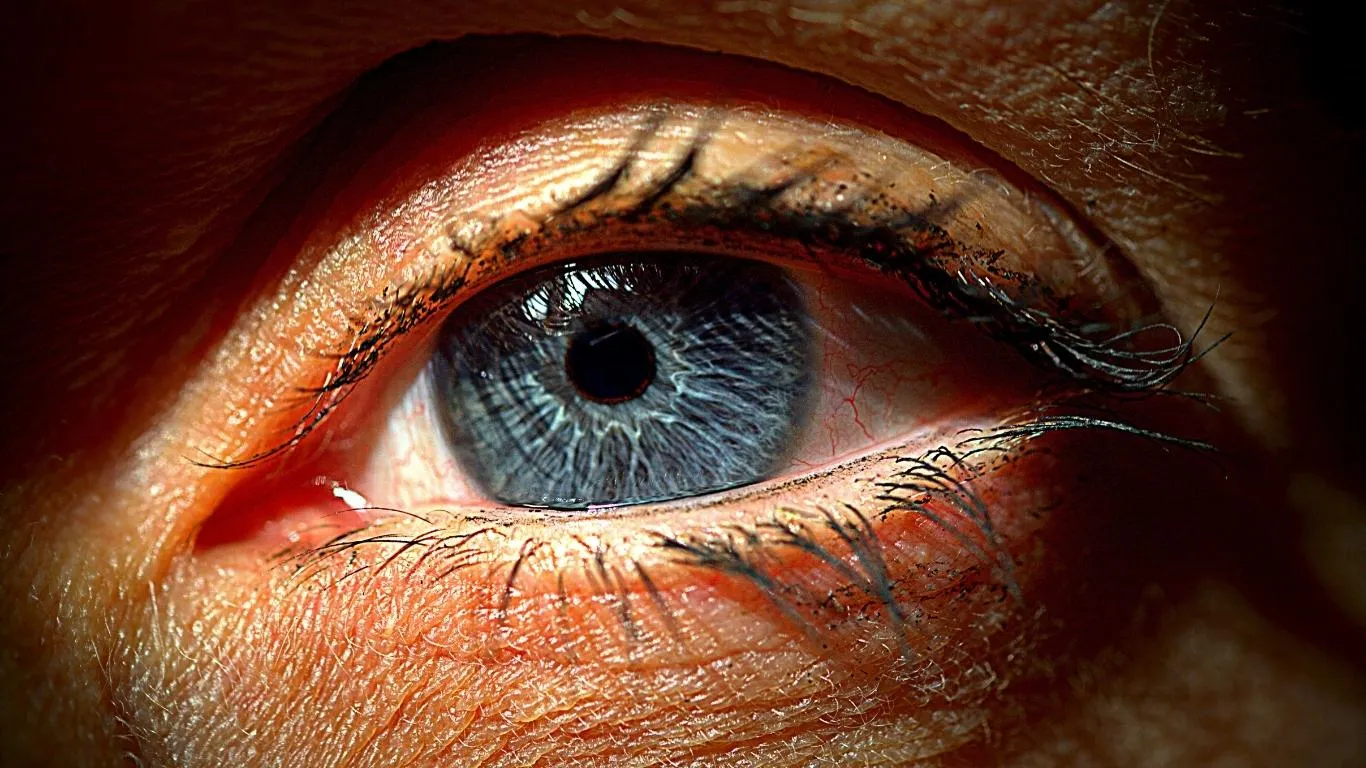
Eye floaters are those specks, threads, or cobweb-like shapes that drift across your field of vision. Most of the time, they’re harmless and part of the natural aging process. But when they show up right after an injury, like a punch, fall, or impact to the eye, they could be a warning sign that something deeper is going on.
The inside of our eye is filled with a clear, gel-like substance called the vitreous humor. It helps maintain the eye’s shape and keeps the retina in place. When that gel becomes disturbed—like after blunt trauma—it can lead to floaters. The gel may liquefy, detach, or even bleed slightly, and all of that can cause those annoying floaters to appear.
How Blunt Eye Trauma Triggers Floaters

Blunt eye trauma floaters usually happen because of damage to the internal structures of the eye. When your eye takes a hit, the force can cause:
- Vitreous detachment – the gel pulls away from the retina suddenly.
- Micro-bleeds – small blood vessels may rupture, leading to vitreous hemorrhage.
- Retinal tears or detachment – in more severe cases, parts of the retina can tear or lift off.
Even if the trauma doesn’t feel severe on the outside, internal stress to the eye can be significant. That’s why it’s so important not to brush off new floaters after an injury. They can be the first red flag before more serious symptoms develop.
When Floaters After Eye Trauma Should Worry You

If floaters appear after a hit to the eye, don’t panic—but definitely pay attention. Here’s when you should take them more seriously:
- You notice a sudden increase in floaters, especially black or red dots.
- You start seeing flashes of light, even in dark rooms.
- A shadow or “curtain” appears over part of your vision.
- Your central or side vision starts fading or becomes blurry.
These could be signs of retinal damage or detachment, which needs immediate medical attention. I remember waking up one morning after my injury and seeing a shadow near the edge of my eye—turns out my retina had started to detach. Catching it early probably saved my vision.
Eye Injuries That Commonly Lead to Floaters

Not all blunt eye trauma floaters come from intense blows. Everyday accidents can be enough. Some common culprits include:
- Sports injuries (basketballs, elbows, etc.)
- Car airbags or seatbelt snapback
- Falls, especially head-first or face-first
- Getting hit by tools or heavy objects
These kinds of incidents often go unreported or ignored, but they’re responsible for a surprising number of post-trauma floaters. According to a study in the Journal of Ophthalmology, up to 18% of patients with eye trauma develop floaters as a symptom.
How Long Do Post-Trauma Floaters Last?
This depends on the severity and the cause. If it’s just a minor vitreous disturbance, the floaters might settle over a few weeks to months. But if there’s bleeding or retinal damage, floaters can linger—or even worsen—until treated. Some people adapt and eventually tune them out, but others may need medical or even surgical intervention if floaters interfere with vision.
For mild cases, regular follow-ups are enough. But always check with your eye specialist if the floaters appeared suddenly after trauma. For instance, I was referred for retinal imaging, and it helped my doctor rule out detachment early on.
For a complete guide to what causes floaters and when they might mean something serious, explore our in-depth article on eye floater causes, symptoms, and treatment options.
Related Risks: What Else Eye Trauma Can Lead To
Blunt eye trauma can trigger more than just floaters. Other possible complications include:
- Traumatic iritis – inflammation of the iris
- Hyphema – pooling of blood in the front chamber of the eye
- Lens dislocation – the eye’s natural lens shifts out of place
Many of these conditions can co-exist with floaters, so if your eye feels sore, light-sensitive, or if vision changes dramatically after an injury, those are warning signs you shouldn’t ignore.
Want to learn more about sports-related trauma and floaters? Our article on eye floaters after sports eye injuries covers those details in depth.
How Doctors Diagnose Floaters After Eye Trauma
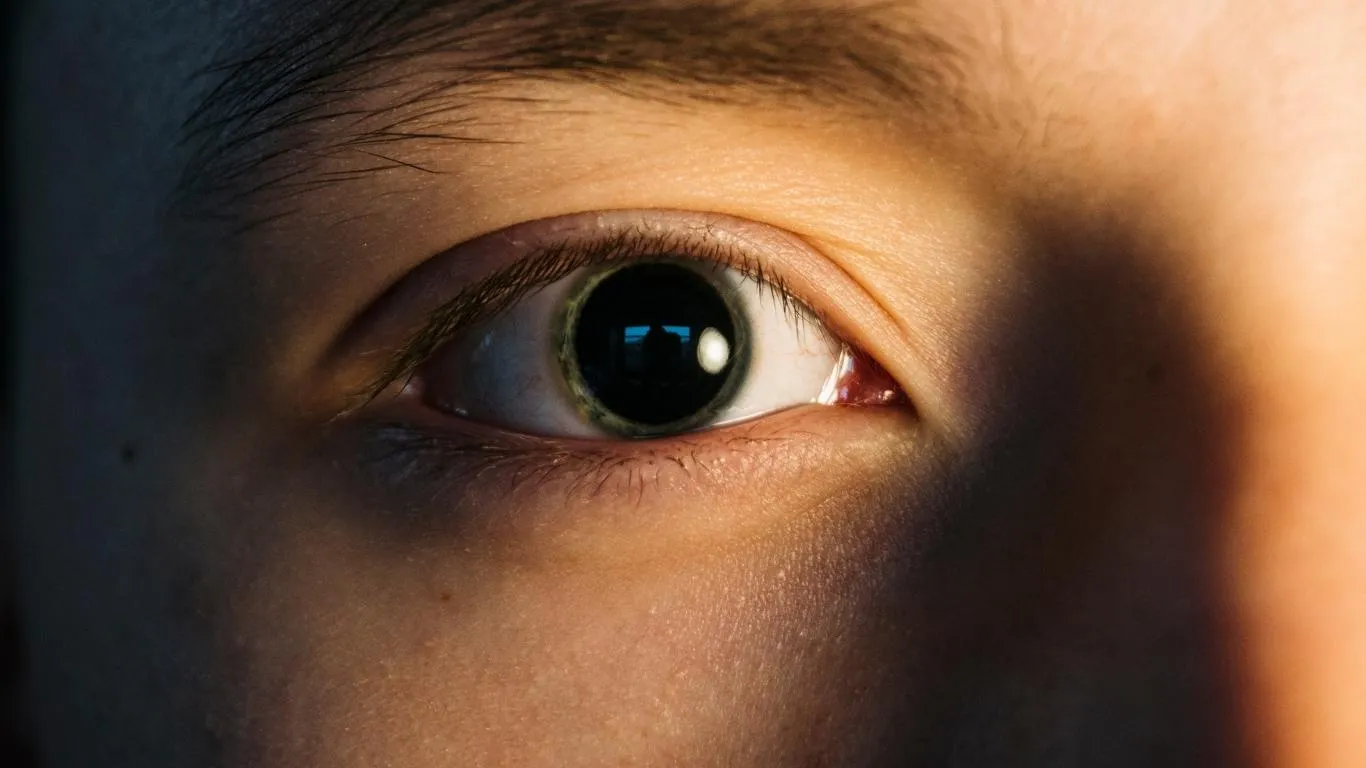
If floaters appear suddenly after blunt eye trauma, an eye doctor won’t just rely on a flashlight test. Diagnosis typically includes a full dilated fundus exam to check the back of the eye. This allows the doctor to see whether there’s vitreous hemorrhage, retinal tears, or signs of inflammation.
In some cases, they’ll also use optical coherence tomography (OCT) or ultrasound imaging if the inside of the eye isn’t clearly visible due to blood or cloudiness. I had to get both after my incident, and the ultrasound caught a small clot floating in the vitreous—something that wasn’t visible otherwise.
Quick tip from experience: if you’re ever told “just observe it” but the floaters are worsening, ask about imaging. It’s better to be safe than sorry.
What Treatment Options Exist for Trauma-Induced Floaters?
Treatment depends on the root cause of the floaters. For minor vitreous changes or tiny hemorrhages, your doctor may suggest a wait-and-watch approach. However, if floaters are severe or linked to a more serious issue, here are some of the most common treatments:
- Anti-inflammatory eye drops – used if there’s associated inflammation (like iritis).
- Laser vitreolysis – a non-invasive option that breaks up floaters with laser energy.
- Vitrectomy – a surgical option for persistent or debilitating floaters, especially when caused by bleeding or retinal complications.
One thing to note: treatment for floaters after trauma often takes a more cautious approach, especially if there’s any bleeding. The eye needs time to stabilize before considering invasive options.
How Long Does It Take to Heal from Trauma-Related Floaters?

Healing timelines vary wildly. Minor trauma with no bleeding might see floaters fade in a few weeks. But if you had a vitreous hemorrhage, it could take months. Some floaters, especially those caused by broken collagen fibers or blood clots, might never completely disappear.
What helped me most was adjusting how I looked at bright backgrounds like computer screens or skies—where floaters show up most. You eventually learn to “see around” them, but if they persist or get worse, don’t hesitate to seek a second opinion. Persistent floaters after injury could be a symptom of unresolved complications.
Tips to Protect Eyes and Prevent Floaters After Trauma

You can’t always predict a rogue elbow or a surprise ball to the face, but there are definitely ways to reduce your risk:
- Wear sports goggles during activities that involve fast-moving objects.
- Use safety glasses when working with tools or in construction zones.
- Watch for trip hazards around the house—especially if you’ve got kids or pets.
- Stay hydrated and protect your overall eye health, which can influence how your eye recovers after an injury.
Interestingly, there’s evidence that dehydration may worsen floaters or make them more noticeable, especially during recovery. Keep your eyes—and your body—well hydrated, especially in the weeks following trauma.
When to Seek a Specialist Instead of Waiting It Out

Regular optometrists can usually handle mild eye trauma. But if floaters are severe, accompanied by vision loss, or progressing quickly, you may need to see a retina specialist—especially if your doctor suspects:
- Retinal detachment or tear
- Significant vitreous hemorrhage
- Internal inflammation or infection
Retinal issues progress fast. I was fortunate enough to be referred early, but I’ve heard from others who waited too long and needed emergency surgery to save their sight. If you feel like something isn’t right, push for a referral.
Curious about how infections and inflammation play a role in post-trauma floaters? Check out our insights on how uveitis causes floaters and why it may follow traumatic incidents.
Understanding the Long-Term Outlook
Blunt eye trauma floaters can be unsettling, especially when they seem to show up out of nowhere. The good news is that many cases resolve on their own or become manageable over time. But you have to be your own advocate. Trust your gut, track changes in your vision, and seek help early if things don’t feel right.
Most of all, don’t ignore what your eyes are trying to tell you. After all, as I learned the hard way, those little specks might be more than just “annoying shadows”—they might be your first clue that something inside your eye needs attention.

Camellia Wulansari is a dedicated Medical Assistant at a local clinic and a passionate health writer at Healthusias.com. With years of hands-on experience in patient care and a deep interest in preventive medicine, she bridges the gap between clinical knowledge and accessible health information. Camellia specializes in writing about digestive health, chronic conditions like GERD and hypertension, respiratory issues, and autoimmune diseases, aiming to empower readers with practical, easy-to-understand insights. When she’s not assisting patients or writing, you’ll find her enjoying quiet mornings with coffee and a medical journal in hand—or jamming to her favorite metal band, Lamb of God.