Why Computer Glasses Can Make Eye Floaters Less Noticeable
I’ve always been one of those people who stare at a screen for hours—design projects, emails, YouTube rabbit holes, you name it. A few years back, I started noticing these weird little shapes floating across my vision. At first, I thought maybe I needed more sleep or fewer energy drinks. But nope—those squiggly shadows stuck around. And here’s the kicker: they seemed worse after long days in front of my laptop. That’s when I fell into the rabbit hole of eye floaters and computer glasses. If you’re like me—tethered to screens and noticing those tiny, annoying floaters—this one’s for you.
What Are Computer Glasses Actually Doing?
Computer glasses are marketed as screen saviors. They’re supposed to reduce eye strain, improve contrast, and block blue light. But the real question is—can they help with eye floaters, or are they just a trendy accessory?
Let’s be real: floaters aren’t caused by screens. According to this detailed breakdown, they usually come from changes in the vitreous humor—the gel-like substance in your eye. But here’s where it gets interesting: while screens don’t cause floaters directly, your perception of them can be magnified by screen use, especially if you’re working on bright or high-contrast displays.
Here’s what I noticed personally:
- Floaters became more visible when staring at white backgrounds (hello, Google Docs!).
- After long hours, my eyes felt dry, strained, and somehow—floaters felt more “present.”
- Wearing computer glasses reduced the strain, which oddly made floaters less noticeable.
How Digital Eye Strain Plays a Role
Digital Eye Strain (DES), also known as Computer Vision Syndrome, is very real. Dryness, headaches, blurry vision—you know the drill. But it can also make you hyper-aware of floaters. When your eyes are tired or dry, your vision isn’t as sharp, making those floaters pop out more.
Now toss in poor lighting or not taking breaks, and things only get worse. It’s not that computer glasses remove floaters—they don’t. But by reducing the background noise of eye fatigue and dryness, they make floaters less bothersome.
Practical Tip:
- Use artificial tears or preservative-free eye drops. Dry eyes amplify floater annoyance.
- Follow the 20-20-20 rule: every 20 minutes, look at something 20 feet away for 20 seconds.
- Adjust monitor brightness to match room lighting. Over-bright screens are a floater’s best friend.
Studies from nei.nih.gov and aao.org support that managing screen ergonomics and lighting can indirectly minimize floater perception. Again, no cure—but less irritation.
Blue Light and Vitreous Changes: Myth or Real Concern?
There’s been buzz about blue light causing everything from insomnia to retinal damage. But does it actually mess with your vitreous humor? So far, no solid evidence links blue light directly to floaters. But, prolonged blue light exposure might lead to oxidative stress and retinal strain—which could impact how clearly you see floaters.
If you’re already dealing with floaters, your vision is probably extra sensitive. I noticed that switching to blue light filtering glasses (and activating night shift mode) didn’t make floaters vanish, but it did make late-night screen use more bearable.
Related: Are floaters from screen time ruining your vision comfort?
Do Computer Glasses Actually Help With Floaters?
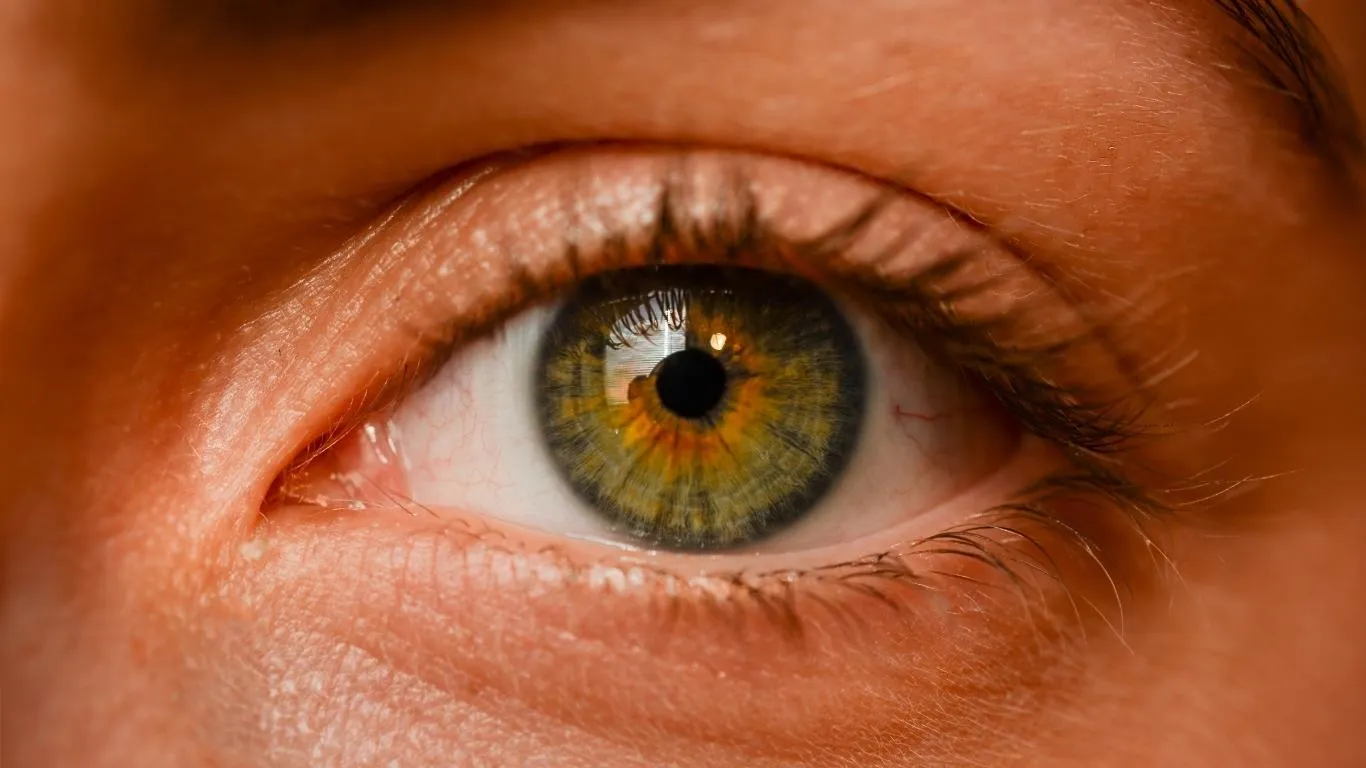
The answer? Kind of. If your floaters are more annoying after screen time, then yes—computer glasses can help, indirectly. By reducing strain, dryness, and blue light irritation, they lessen the intensity of how you perceive floaters. But don’t expect miracles.
Think of them as a support tool. Much like how floaters increase with age, how you manage screen exposure plays a huge role in how noticeable they become.
Another angle to consider is eye strain as a gateway to other floaters-related issues. I recently read this post about how stress can make floaters more noticeable, and honestly, it clicked. The more I stressed, the worse they felt. So in that context, anything that reduces tension—including glasses—can help.
Other Habits That Might Help
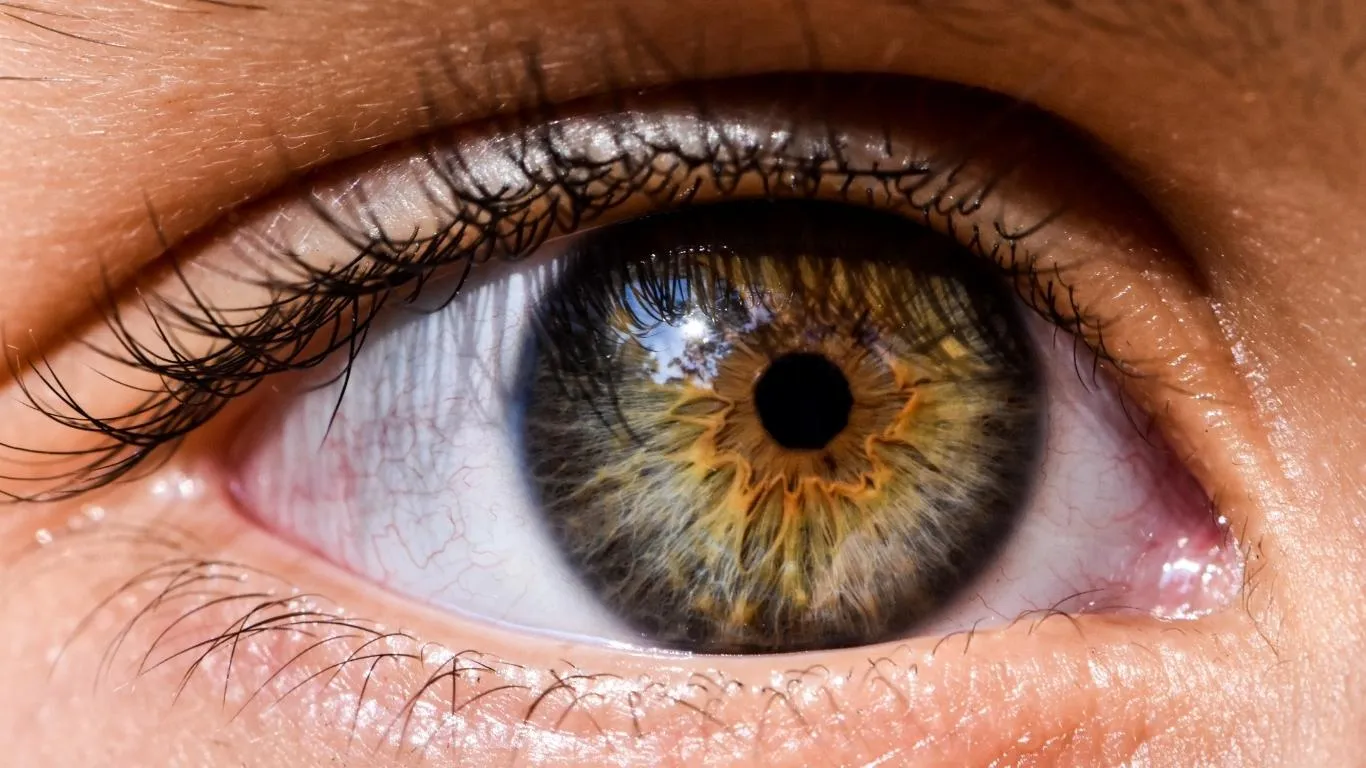
Glasses alone won’t solve everything. I paired mine with a few other habits that made a real difference over time:
- Hydration—yep, just water. Dry eyes make floaters more prominent. (Dehydration might be making yours worse too.)
- Omega-3 supplements—sounds random, but my optometrist swore by it. Turns out, they help with eye moisture and inflammation.
- Warm compresses—super relaxing and helpful for screen-induced dryness.
Also worth reading is this pillar article on treatment options for floaters. It outlines both medical and lifestyle solutions without the hype. For the broader picture of floaters in general, this main guide is solid too.
#LNF

Camellia Wulansari is a dedicated Medical Assistant at a local clinic and a passionate health writer at Healthusias.com. With years of hands-on experience in patient care and a deep interest in preventive medicine, she bridges the gap between clinical knowledge and accessible health information. Camellia specializes in writing about digestive health, chronic conditions like GERD and hypertension, respiratory issues, and autoimmune diseases, aiming to empower readers with practical, easy-to-understand insights. When she’s not assisting patients or writing, you’ll find her enjoying quiet mornings with coffee and a medical journal in hand—or jamming to her favorite metal band, Lamb of God.