Why Homeopathy For Anxiety Still Divides Experts And Sufferers
So here’s the thing—homeopathy and anxiety is one of those topics that everyone seems to have an opinion on, but barely anyone talks about openly. I’ve been on both sides: skeptical and hopeful. When anxiety had me waking up with a racing heart, losing focus at work, and even avoiding social gatherings, I was ready to try anything. Yes, even those little sugar pills people love to scoff at. But before you roll your eyes, hear me out. Let’s peel back the layers and get into the real debate about homeopathy for anxiety—the science, the speculation, and everything in between.
Is Homeopathy Really Helping, or Just Playing Mind Games?

Homeopathy is based on the idea that “like cures like”—a substance that causes anxiety in a healthy person might actually relieve anxiety in someone who’s already anxious. Sound a bit out there? Yeah, I thought so too. But the kicker is, millions swear by it, especially for mental health.
The biggest knock on homeopathy is the lack of molecules in its remedies—dilution levels are so extreme that the original ingredient is often not chemically detectable. Critics call it pseudoscience, while advocates swear their anxiety symptoms eased without nasty side effects. You can’t exactly chalk that all up to coincidence, right?
According to NCBI, randomized trials have shown mixed results, but some studies suggest improvements in anxiety scores, particularly for those open to holistic care. It’s not a silver bullet, but then again, neither is anything else I’ve tried.
The Science Isn’t Settled—And That’s the Controversy

Let’s be real—if you’re looking for double-blind, large-sample, placebo-controlled studies that fully support homeopathy for anxiety, you’re going to be disappointed. Most mainstream researchers don’t give it the time of day. Why? Because of the implausibility of its mechanisms.
But here’s what complicates things. The placebo effect isn’t necessarily a bad thing when it comes to anxiety. If taking a remedy—even if it’s just water—helps someone breathe easier and sleep better, are we really going to dismiss it entirely?
And there are practical reasons why homeopathy appeals to many:
- No dependency risk – unlike benzodiazepines
- Fewer side effects – no grogginess or weight gain
- Non-invasive approach – especially helpful for needle-phobic or med-resistant patients
Even Harvard Health notes that while the efficacy is controversial, the low risk profile is part of what draws people in.
Who’s Actually Using It?
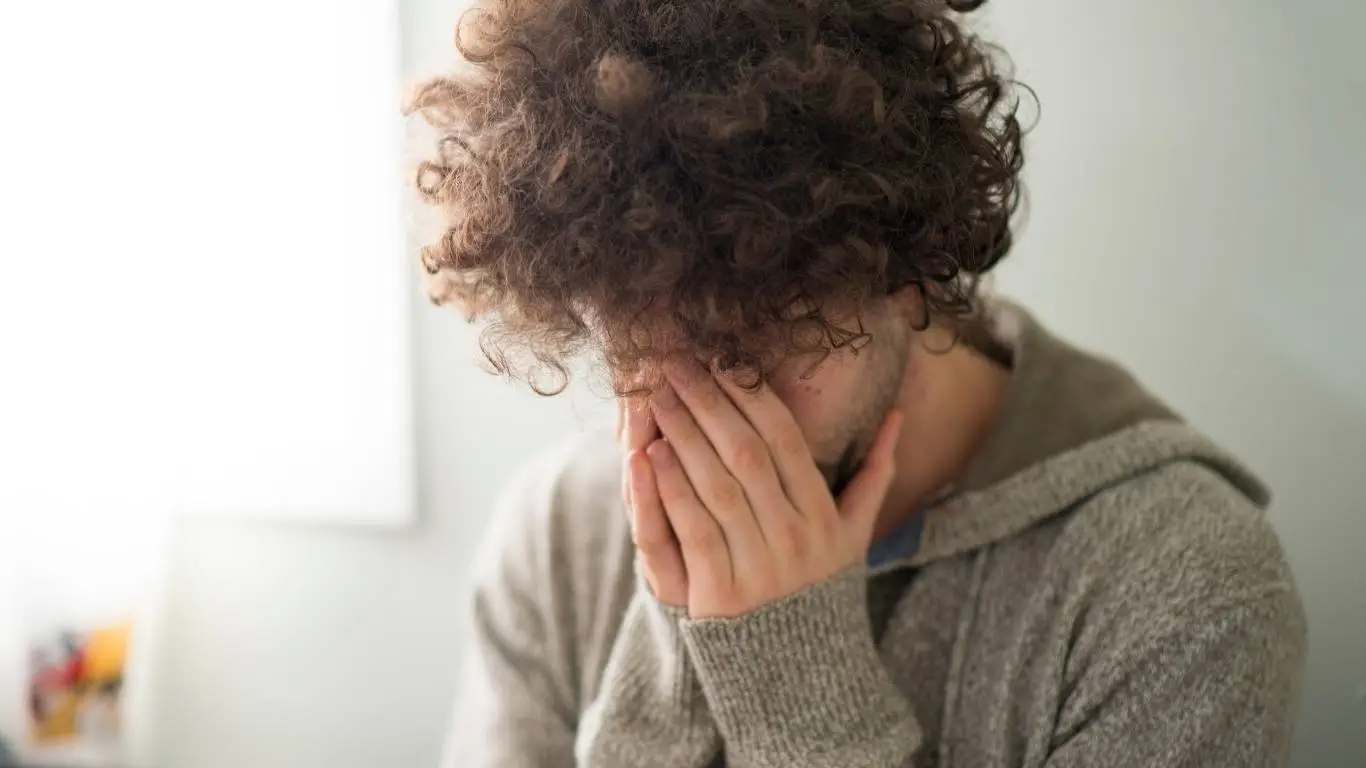
You’d be surprised how many people from all walks of life turn to homeopathy for anxiety. High-functioning professionals, college students dealing with performance pressure, even parents juggling chaotic households. There’s an appeal in the simplicity.
One of the most popular remedies? *Argentum Nitricum*—often recommended for anticipatory anxiety like before public speaking. I tried it before a presentation that used to leave me drenched in sweat and doubting myself. Did it work? Let’s just say I didn’t bolt halfway through this time.
There’s also Lycopodium for those confidence-crushing fears and Aconitum for sudden panic. While anecdotal, many report results within hours or days—though of course, individual mileage may vary.
Still skeptical? That’s fair. But even nontraditional methods like EMDR were once controversial too.
Integrative Therapy or Waste of Time?

What’s fascinating is how many therapists and holistic doctors now include homeopathy as part of a wider treatment plan. It’s rarely recommended as a stand-alone solution but rather as a complementary option. Some combine it with proven methods like CBT or lifestyle shifts to create a more personalized plan.
This hybrid approach often helps people stay committed to their healing process without the side effects or stigma of meds. And in some cases, it encourages deeper conversations with mental health professionals about how anxiety is affecting real life—not just symptom checklists.
Signs You Might Be a Good Fit
- You’ve tried SSRIs or benzos and didn’t love the side effects
- You want something non-invasive and natural
- You’re open to mind-body therapies
- Your anxiety isn’t severe enough to impair function daily
If this sounds like you, exploring safe alternatives like homeopathy might actually be a step forward—not backward.
Want to see how this fits into the bigger picture of managing anxiety holistically? Check out complementary treatment strategies that combine the best of both worlds. And don’t skip this guide on how anxiety quietly runs your life—because awareness is half the battle.
So, Can Homeopathy Really Help with Anxiety—or Are We Just Desperate?
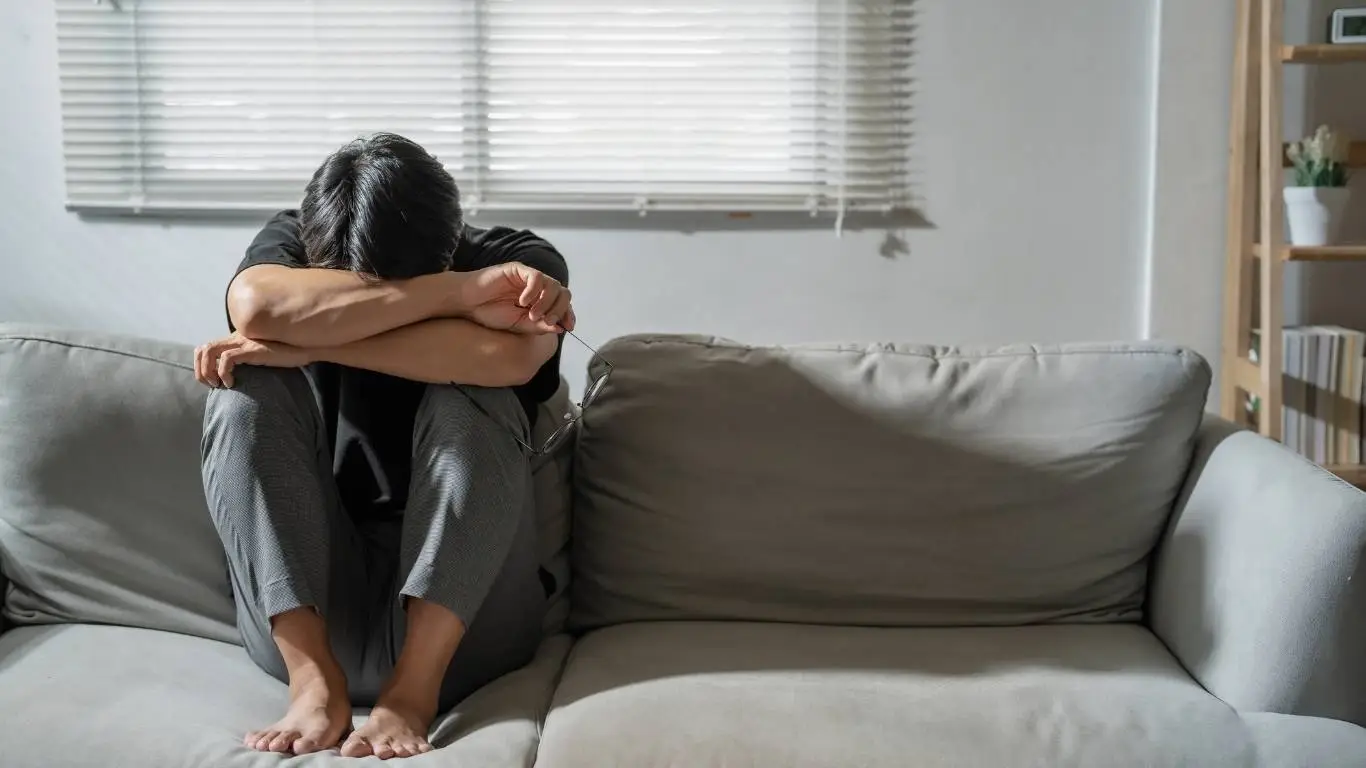
That’s the uncomfortable question no one really wants to ask out loud, right? I’ve been there—scrolling through wellness blogs at 2 a.m., trying to figure out if those tiny pills could be more than just a placebo with fancy packaging. And let me tell you, when you’re dealing with racing thoughts, night sweats, and social situations that make your skin crawl, the idea of a “natural fix” becomes seriously tempting.
So what’s the verdict? Like so many things in mental health—it’s complicated.
Homeopathy isn’t some miracle breakthrough. But if you approach it as part of your anxiety toolkit—not your entire strategy—it might surprise you.
Why People Stick With It (Even Without Lab Proof)

Let’s be honest—if you’ve been living with anxiety long enough, you know there’s no one-size-fits-all fix. Homeopathy survives the controversy because some people genuinely feel better using it. And a big part of that is probably the *experience* of care: longer consultations, personalized attention, and remedies chosen based on your emotional state—not just DSM-5 categories.
Here’s why many folks keep a few of these remedies in their medicine cabinet:
- Individualized treatment – not everyone gets the same remedy
- Minimal to no side effects – especially appealing for sensitive systems
- Gentle support for everyday anxiety – when you’re not looking for meds, just relief
I’ll be real with you—I’m not ready to ditch therapy or nutrition changes anytime soon. But that little vial labeled *Ignatia* got me through a rough patch after a job loss. Placebo or not, it helped me get through mornings that used to feel like an avalanche.
How Homeopathy Fits Into an Evidence-Informed Anxiety Plan
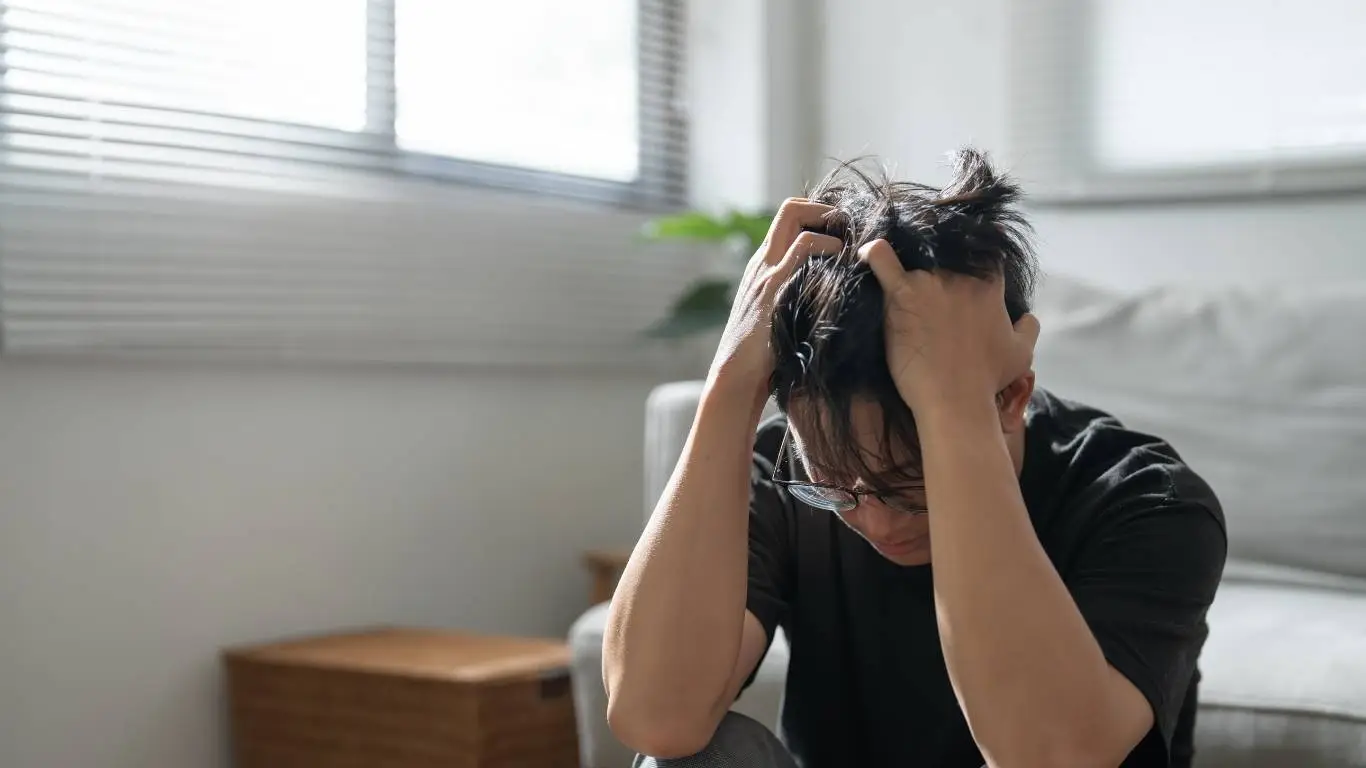
One of the smartest things I ever did was stop thinking of treatments as either “real” or “woo.” Life isn’t black and white, and neither is anxiety. If homeopathy helps you get out of bed, attend meetings, or just breathe easier, who’s to say it’s not worth it?
That said, it’s important to approach it with realistic expectations:
- Start with remedies known for generalized anxiety or panic episodes—*Argentum Nitricum*, *Aconitum*, *Gelsemium*
- Work with a qualified homeopath (yes, they exist!) who understands both emotional and physical symptoms
- Combine it with proven strategies like CBT, journaling, or breathing exercises
And if you’re ever wondering whether it’s all in your head—remember, that’s where anxiety lives in the first place. The goal isn’t to prove something works in a lab. The goal is to feel more human again.
Red Flags to Watch For
- You’re avoiding all conventional treatment out of fear or stigma
- Your anxiety is worsening or includes suicidal thoughts—get professional help immediately
- You’re investing in expensive homeopathic “programs” with bold miracle claims—run
If your gut tells you something’s off, trust it. The goal is empowerment, not dependency on any one solution.
But Wait—What About the Medical Community?
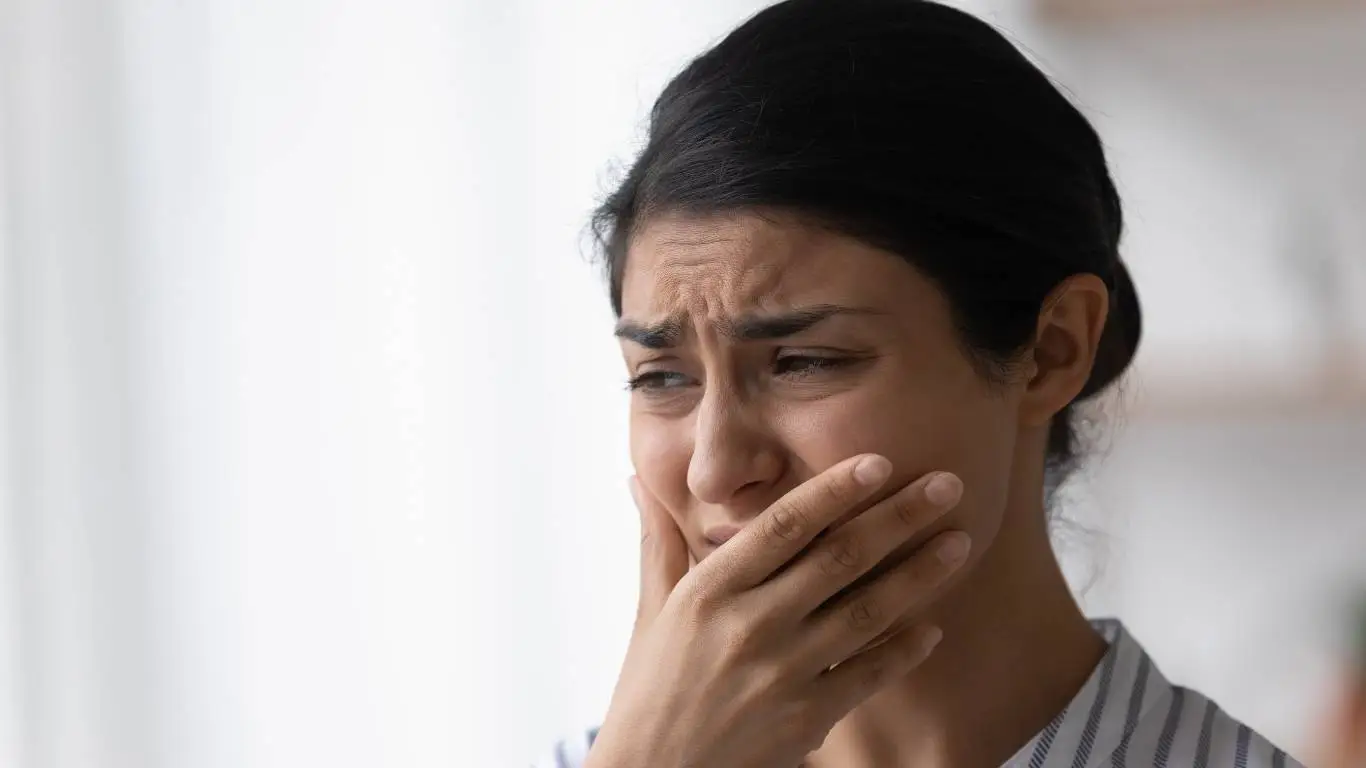
Homeopathy’s reputation in the medical world is… mixed, to put it gently. Organizations like the Mayo Clinic and WebMD stop short of endorsing it, but they don’t dismiss it outright either. Instead, they stress caution, informed decision-making, and combining any alternative treatment with conventional care.
But here’s where things get interesting—integrative mental health clinics are increasingly opening their doors to homeopathy. They’re not replacing therapy or meds, but weaving in these gentler modalities to support emotional balance.
And sometimes, that’s all you need—support. Not a cure. Not a miracle. Just something that lets you take one step forward without feeling like you’re dragging a hundred pounds of fear behind you.
Curious how homeopathy stacks up against other holistic tools? You might want to dive into the broader conversation around complementary approaches for anxiety. Because this journey isn’t about one magic fix—it’s about building the toolbox that works for you.
And if anxiety’s been shaping your everyday decisions more than you realized, this is the reminder to pause and explore how it might be running the show behind the scenes.

Camellia Wulansari is a dedicated Medical Assistant at a local clinic and a passionate health writer at Healthusias.com. With years of hands-on experience in patient care and a deep interest in preventive medicine, she bridges the gap between clinical knowledge and accessible health information. Camellia specializes in writing about digestive health, chronic conditions like GERD and hypertension, respiratory issues, and autoimmune diseases, aiming to empower readers with practical, easy-to-understand insights. When she’s not assisting patients or writing, you’ll find her enjoying quiet mornings with coffee and a medical journal in hand—or jamming to her favorite metal band, Lamb of God.