Why Inflammation Might Be Behind Your Sudden Eye Floaters
If you’ve ever noticed tiny threads, spots, or cobweb-like shadows drifting across your vision, you’re not alone. I had my first real encounter with eye floaters in my early 30s—sitting by the window, scrolling my phone, when something unusual caught my eye. I blinked, rubbed, even tried looking away. But they followed. What I didn’t expect was how these floaters would later tie into something I barely considered: inflammation. It’s one of those hidden culprits that quietly mess with your vision long before you realize what’s going on.
Understanding the Connection Between Inflammation and Eye Floaters
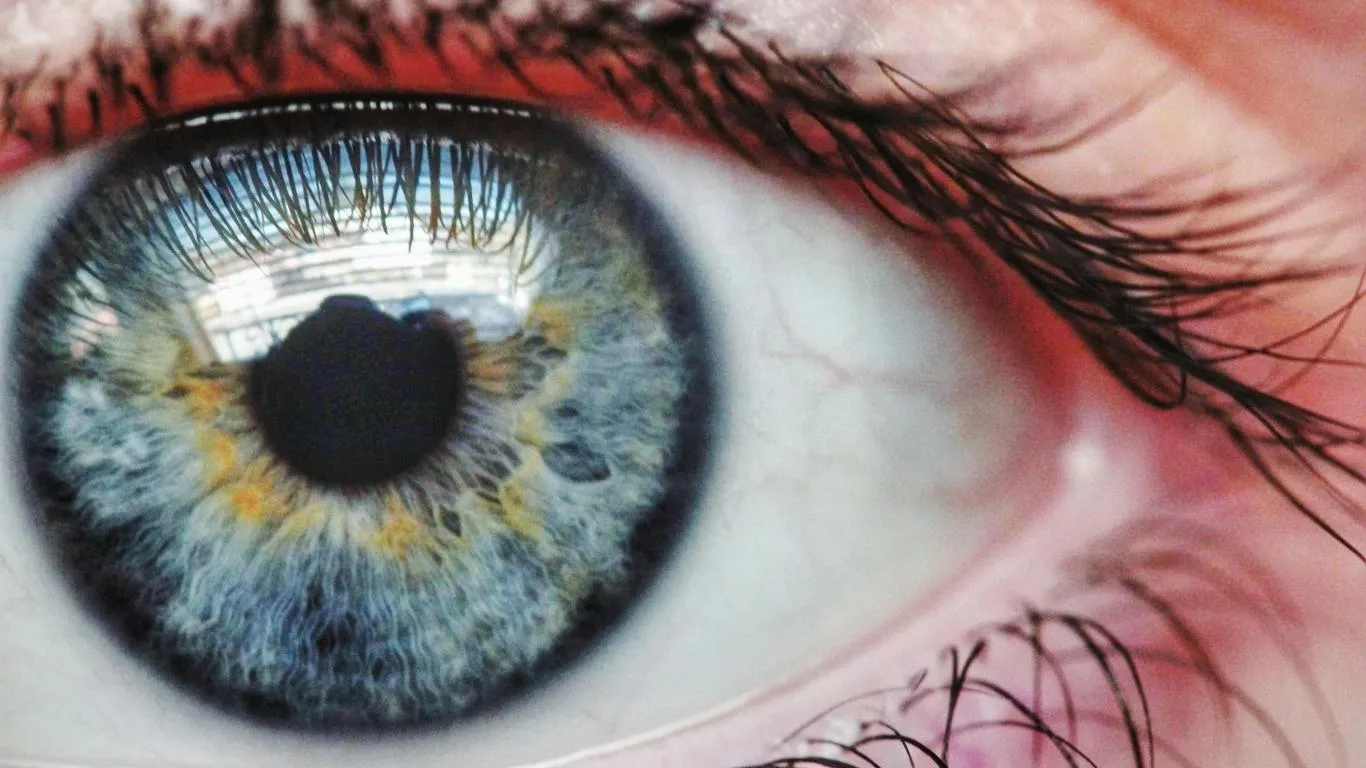
Inflammation isn’t always about red, swollen joints or a sore throat—it can happen inside your eyes, too. And when it does, the result may be more than just discomfort. Chronic or acute inflammation in the eye can disrupt the clear gel-like substance (vitreous) that fills your eyeball, leading to the formation of floaters.
In medical terms, floaters resulting from inflammation often tie into a condition known as posterior uveitis—that’s inflammation in the back part of the uvea, and it’s more common than you might think. But inflammation-induced floaters can also come from autoimmune issues, infections, or trauma. I personally dealt with floaters after a particularly nasty case of viral conjunctivitis. It lingered, then boom—floaters. What I thought was just an annoying shadow turned out to be inflammation messing with my vitreous.
Why Inflammation Causes Floaters
- Inflammation introduces immune cells and proteins into the vitreous.
- These cells clump together, casting shadows on the retina.
- The resulting floaters can be denser and more bothersome than age-related ones.
Unlike those wispy floaters most of us develop with age, inflammatory floaters tend to be larger, darker, and more disruptive. They may appear suddenly, multiply quickly, or even be accompanied by blurred vision or light sensitivity. If this sounds familiar, it’s worth looking deeper.
Conditions That Link Inflammation to Eye Floaters
1. Uveitis
Possibly the most common source of inflammation-driven floaters. Uveitis is a broad term that covers inflammation of the uveal tract—iris, ciliary body, and choroid. When it hits the back part of the eye (posterior uveitis), floaters often follow. It can be triggered by autoimmune disorders, infections, or even trauma. You can learn more about how uveitis leads to eye floaters here.
2. Autoimmune Diseases
Conditions like lupus, rheumatoid arthritis, and multiple sclerosis are known to inflame various parts of the body—including the eyes. I once spoke to a friend with lupus who described her floaters as “snowflakes that won’t melt.” Turns out, her body was attacking its own tissues, including the eye’s internal structures. Here’s a deeper dive on autoimmune-related floaters.
3. Post-Viral Inflammation
This is where my personal journey began. Following a fever and red-eye episode, I noticed visual debris that didn’t go away. A specialist confirmed it was floaters caused by lingering inflammation from a viral eye infection. If this resonates with you, check out this helpful read on viral eye infection and floaters.
4. Post-Surgical Inflammation
Surgeries like LASIK or cataract removal can sometimes trigger inflammation. This leads to floaters in people who didn’t have any before. It’s subtle but significant. You might want to explore more on post-cataract surgery floaters.
When Should Inflammatory Floaters Raise Concern?

Not all floaters are urgent, but certain red flags signal inflammation that shouldn’t be ignored:
- Sudden increase in floaters, especially after illness or infection
- Floaters accompanied by blurred vision, flashes, or eye pain
- Floaters appearing after eye trauma or surgery
In these cases, it’s essential to consult an ophthalmologist. They’ll use tools like a slit lamp or dilated exam to determine whether the floaters are harmless or inflammation-driven. I was lucky mine were temporary—but I wouldn’t have known that without getting checked.
How Inflammation-Related Floaters Are Diagnosed and Treated
Diagnosis
Diagnosis isn’t always straightforward. Your eye care provider might use:
- Dilated fundus examination to inspect the retina and vitreous
- Optical Coherence Tomography (OCT) for detailed cross-sections
- Blood tests if an autoimmune issue is suspected
They may also ask about recent illnesses, injuries, or systemic symptoms like joint pain or fatigue. That’s exactly what helped uncover the root of my floaters—not just an eye exam, but a conversation about my recent flu-like symptoms.
Treatment Options
Depending on the cause and severity, treatments include:
- Steroid Eye Drops: These are common, but can sometimes make things worse if overused. Here’s more on how steroid drops affect floaters.
- Oral Anti-inflammatories: For systemic autoimmune causes.
- Vitrectomy: A surgical option for severe or persistent floaters.
Natural options exist too, although their effectiveness is still debated. Learn more in this natural remedies breakdown from our main pillar content.
If you want a comprehensive overview of floaters, from symptoms to treatments and beyond, check out our primary guide on what eye floaters really are.
Long-Term Impact of Inflammatory Floaters on Vision
One of the most frustrating things about inflammatory floaters is how unpredictable they are. Some days, they’re barely noticeable. Other times, they’re like black confetti drifting across your line of sight. For some people, like myself during allergy season, they can turn from a mild annoyance into a full-on visual disruption.
Chronic inflammation can leave behind permanent debris in the vitreous. Over time, this affects visual acuity, especially in low-light conditions or while reading. I still struggle with glare during night drives. If your floaters change shape, density, or become more persistent, that’s often a sign the inflammation hasn’t fully settled or is reactivating.
How Floaters Disrupt Daily Life
- Reading becomes more difficult, especially with small fonts or backlit screens.
- Outdoor visibility in bright conditions is often affected by the contrast.
- Driving—particularly at dusk or night—can feel riskier.
- Strain and fatigue from constantly trying to “look past” the floaters.
I’ve even had to change how I use screens—switching to darker themes on my devices and bumping up font sizes. Small changes, but they made a real difference.
What Triggers Ocular Inflammation in the First Place?
1. Autoimmune Activity
With conditions like sarcoidosis or Behçet’s disease, the immune system can flare up without any clear infection. The eye, being a highly vascular structure, is especially vulnerable. These flares can lead to long-term damage if left unchecked. For those managing autoimmune conditions, here’s a deeper look into lupus-related floaters.
2. Post-Infectious Reactions
Sometimes, the infection may be gone, but your immune system keeps going—leading to lingering inflammation. That’s especially common after viral infections. Read more on why floaters and fever could be connected.
3. Environmental and Lifestyle Triggers
Believe it or not, things like screen time, dry environments, and even poor sleep can exacerbate inflammation-related floaters. I went through a phase of pulling late nights, only to find my floaters more noticeable the next morning. Turns out, sleep deprivation plays a bigger role than we think.
How to Reduce Inflammatory Floaters Over Time

1. Identify Your Triggers
Keeping a symptom journal helped me more than I expected. I logged my floaters, what I ate, how I slept, and even my stress levels. Patterns started to emerge. Turns out, spicy foods, poor hydration, and even minor colds triggered mine.
2. Anti-inflammatory Lifestyle Adjustments
- Increase omega-3 fatty acids (flaxseed, salmon, chia seeds)
- Stay hydrated—dehydration makes floaters worse (here’s why)
- Prioritize good sleep and manage stress levels
- Avoid smoking or second-hand smoke exposure (it’s a major trigger)
3. Medically Guided Options
For persistent cases, low-dose steroids, immune-modulating therapy, or periodic injections may be needed. These should only be handled by a retinal specialist. Floaters from inflammation shouldn’t be dismissed as ‘normal’ until inflammation is ruled out.
How to Tell If Your Floaters Are Inflammatory (and Not Something Else)
Here’s a quick guide based on clinical patterns and personal experience:
- Sudden Onset: Inflammatory floaters usually come on rapidly, sometimes overnight.
- Dark, Dense Shapes: They’re less transparent and often more centralized.
- Accompanying Symptoms: Eye redness, pain, photophobia (light sensitivity), blurred vision.
- Worsens with Systemic Flare-Ups: Often linked with other autoimmune or infectious symptoms.
If any of that resonates with your symptoms, don’t shrug it off. There’s a useful breakdown on when floaters might signal something more serious.
What the Latest Research Says About Inflammation and Floaters
Emerging studies are shedding more light on how inflammation affects vitreous clarity. One study published by the National Institutes of Health confirmed that chronic intraocular inflammation can alter collagen structure in the vitreous, making it more prone to degradation. Another paper from the American Academy of Ophthalmology highlighted that up to 40% of posterior uveitis patients report moderate-to-severe floaters.
What this tells us is that floaters aren’t just a visual annoyance—they’re clinical markers of something deeper. Addressing inflammation early can limit long-term damage and even reduce floater severity.
Living With Inflammatory Floaters: My Personal Hacks

I won’t lie—living with floaters isn’t easy. But over the years, I’ve picked up a few tricks that helped:
- Use brighter ambient lighting: It minimizes contrast and makes floaters less visible.
- Switch screens to dark mode: Big help during night scrolls.
- Take visual breaks: Especially when using screens for long hours.
- Track symptoms monthly: Keeps you ahead of inflammation trends.
If you’re like me and trying to keep inflammation down while managing floaters, I also suggest checking out this detailed breakdown on common floater causes—helps distinguish between what’s inflammation and what’s not.
For an even more comprehensive dive into all aspects of eye floaters—what they are, how they form, what to do—this main guide is a solid place to start.

Camellia Wulansari is a dedicated Medical Assistant at a local clinic and a passionate health writer at Healthusias.com. With years of hands-on experience in patient care and a deep interest in preventive medicine, she bridges the gap between clinical knowledge and accessible health information. Camellia specializes in writing about digestive health, chronic conditions like GERD and hypertension, respiratory issues, and autoimmune diseases, aiming to empower readers with practical, easy-to-understand insights. When she’s not assisting patients or writing, you’ll find her enjoying quiet mornings with coffee and a medical journal in hand—or jamming to her favorite metal band, Lamb of God.