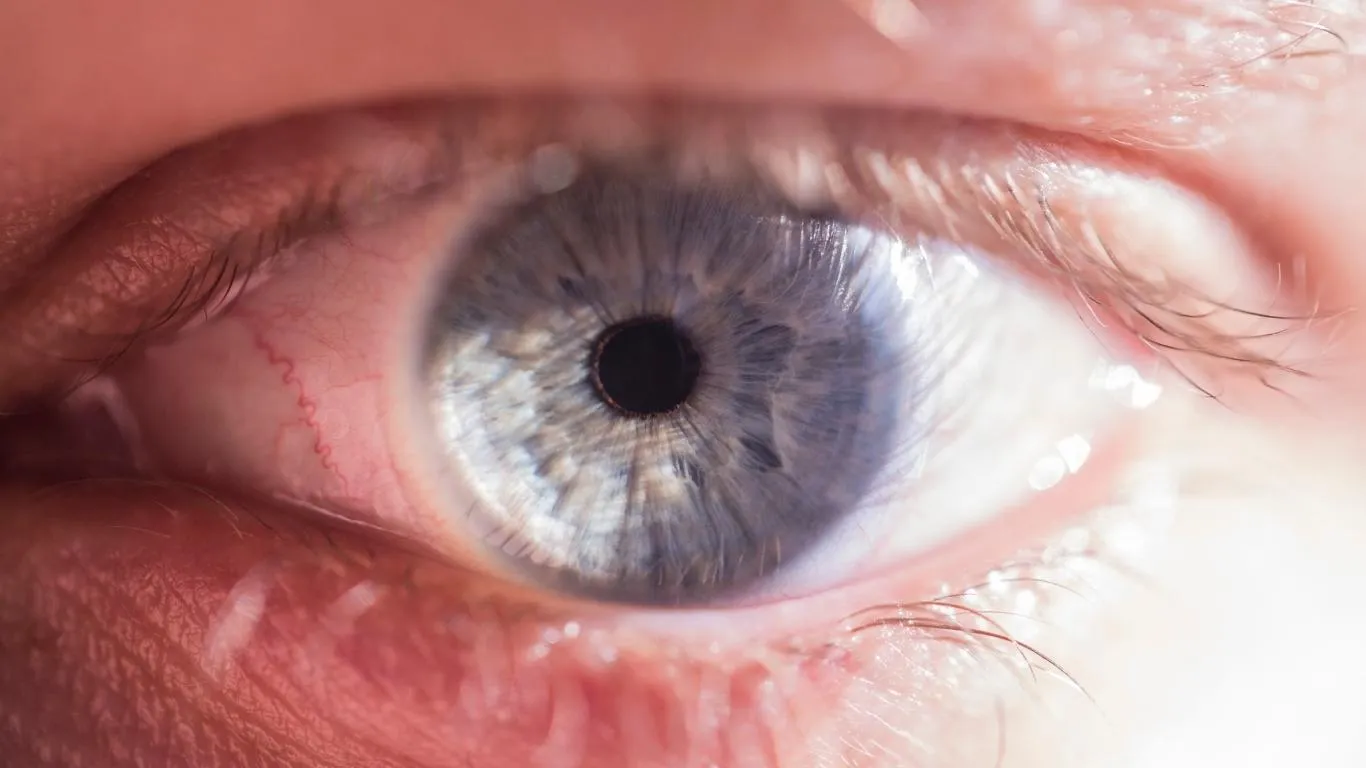
Why Intraocular Injections Can Trigger Annoying Eye Floaters
If you’ve ever noticed those annoying little specks, threads, or cobweb-like shapes drifting across your vision after an eye injection, you’re not alone. I remember sitting on my couch a day after my third anti-VEGF injection, staring at the ceiling, wondering if I was imagining the dark squiggly thing in my right eye. Spoiler: I wasn’t. It was a floater. And if you’ve recently had an intraocular injection and are now seeing floaters, let’s break down what’s going on and what you can actually do about it—without freaking out.
What Are Floaters and Why Do They Show Up After Eye Injections?

Floaters are tiny clumps or strands of collagen that form inside the vitreous, the gel-like substance in your eye. Normally, they’re just part of aging or changes in the eye’s internal gel. But after intraocular injections—commonly given for conditions like macular degeneration, diabetic retinopathy, or retinal vein occlusion—they can become more noticeable or even newly appear.
Here’s the catch: not all floaters after injections are cause for concern, but they shouldn’t be ignored either. They might be benign debris from the injection process—or sometimes, a red flag.
How Eye Injections Can Stir Things Up
During an eye injection, a small needle is used to deliver medication directly into the vitreous. This procedure can disturb the internal environment of the eye in several ways:
- Microbubbles or fluid particles entering the vitreous temporarily
- Disruption of existing vitreous collagen fibers
- Inflammatory response or reaction to the medication
According to this in-depth guide on floaters, physical changes in the vitreous can easily lead to new floaters—especially when the gel is already compromised.
Common Causes of Post-Injection Floaters
Not all floaters are created equal, and not every case is the same. Some floaters show up immediately and fade in a few days. Others, well, decide to stick around. Here are some of the most common culprits:
1. Medication Residue or Air Bubbles
Sometimes, particles from the injected medication or tiny air bubbles can linger in the vitreous, casting shadows on the retina. While usually harmless, they can be quite annoying—especially when they drift into the center of your visual field.
2. Vitreous Syneresis
This fancy term simply means the vitreous gel is starting to liquefy and shrink, often due to aging or mechanical disruption like an injection. As it pulls away from the retina, you might see floaters or flashes of light. In some cases, this can precede a posterior vitreous detachment (PVD).
3. Inflammation or Vitritis
If your immune system reacts to the injection or medication, it could cause inflammation in the eye, known as vitritis. Floaters resulting from inflammation are often described as cloudy or snow-like.
4. Retinal Tear or Detachment
This is rare but serious. A sudden shower of floaters, especially if accompanied by flashes or vision loss, could mean the retina has torn. Retinal tears after injections are uncommon but have been documented, especially in patients with thinner retinas or high myopia.
Articles like this one go deeper into warning signs of retinal complications tied to floaters.
When Should You Worry?

Not all floaters post-injection require a trip to the eye doctor, but some definitely do. So when is it more than just a nuisance?
- Floaters appear suddenly and multiply quickly
- You see bright flashes or light streaks
- Your peripheral vision starts to fade or gets shadowed
- You feel pain or experience redness and swelling in the injected eye
In any of these cases, you need to get an urgent retinal evaluation. According to the American Academy of Ophthalmology, retinal detachments need to be treated fast to prevent permanent vision loss.
Managing Floaters After Injections: What Actually Helps?

Here’s where things get personal. After my fourth injection, the floaters took longer to go away. I tried everything from eye exercises to staying super hydrated. While some of that might be placebo, it’s what helped me stay sane. But there are actually more reliable strategies out there.
1. Watch and Wait
This is often the first step. Most floaters fade or settle to the bottom of the eye over time. It could take a few days—or a few months. If they don’t bother you much, observation is totally reasonable.
2. Anti-Inflammatory Drops
Your ophthalmologist may prescribe steroid or NSAID drops if inflammation is suspected. These can reduce the cloudiness and discomfort, especially if there’s a mild vitritis.
3. Laser Vitreolysis
For floaters that linger and impact your daily life, laser treatment can help. This outpatient procedure uses a laser to vaporize or break up large floaters. It’s not for everyone, and results vary—but it’s an option worth discussing.
4. Vitrectomy (Last Resort)
If floaters are severe and affecting your quality of life, a vitrectomy may be considered. This surgical procedure removes the vitreous gel and replaces it with a saline solution. It’s effective but comes with higher risks and is usually reserved for extreme cases.
For more on medical treatments, you might find this article on floater treatments helpful.
It’s also good to be aware of other conditions that can mimic floaters. A useful resource is this article that compares floaters to other vision problems.
Keep an eye on your symptoms, trust your instincts, and know what’s normal for you. You’re not imagining it—those tiny floaters after your intraocular injection are real, and they deserve your attention, not your panic.
Can You Prevent Floaters After Injections?
Let’s be real—there’s no surefire way to completely avoid floaters after an injection. That said, there are definitely ways to reduce your risk. Based on my experience and tips I picked up from fellow patients in the clinic waiting room (yep, we talk), a little preparation can go a long way.
- Rest your eyes the day before and after the injection. Avoid heavy screen time if you can.
- Stay hydrated. The vitreous gel is mostly water—dehydration can make floaters more noticeable. There’s a great breakdown on this in this piece.
- Ask about the injection technique. Some ophthalmologists inject slightly differently to minimize air bubble formation.
- Keep your follow-up appointments. Post-injection checkups can catch inflammation or retinal issues early, especially if floaters get worse instead of fading.
And here’s a weird one I swear by—wear sunglasses after your injection. I know it sounds simple, but it helps reduce light scatter that can make floaters more obvious, especially outdoors.
How Long Do Post-Injection Floaters Last?

For most people, floaters after intraocular injections settle within a few days to a few weeks. Mine usually took 3–4 days to drift out of my central vision. Some stuck around like uninvited guests for weeks, but gradually became less noticeable.
If floaters linger for more than a month and you haven’t had any complications diagnosed, your doctor might suggest imaging—just to rule out subtle retinal changes or ongoing inflammation.
Check out this article about floaters in aging eyes, since age is a big factor in how long they last and how disruptive they feel.
Floaters or Something More? Don’t Ignore These Red Flags
Sometimes, floaters are just floaters. But other times, they’re early warnings. That’s why I now have a personal rule: any new floater that looks like pepper sprinkled in my vision, or comes with flashing lights, means I call my retina specialist immediately.
You should do the same if you notice:
- Bright flashes of light—especially in low light settings
- A shadow or curtain moving across your vision
- Sudden loss of vision in part or all of one eye
- Pain, redness, or discharge in the days following the injection
Don’t wait. Retinal tears, detachments, or infections like endophthalmitis can progress fast. Articles like this one offer more insight into when floaters aren’t just harmless dots.
Living With Persistent Floaters

Some floaters never fully go away. I’ve got one that always pops up when I look at a white wall or open the fridge. At first, it was maddening. Now, it’s just a tiny reminder that I’ve been through five injections and counting—and still see clearly enough to write this.
Adapting Your Vision
Try these real-world tricks to live with persistent floaters:
- Use ambient lighting indoors to avoid high contrast glare that highlights floaters
- Adjust screen backgrounds—dark mode isn’t always better; try soft greys instead
- Look through, not at, the floater. Training your eyes to focus beyond it really helps over time
And if you’re feeling anxious or frustrated, that’s totally normal. I found a lot of validation and guidance from trusted sources like the American Academy of Ophthalmology and even Reddit forums where people shared what worked for them.
Could Injections Make Existing Floaters Worse?

In short—yes, sometimes. If you already had mild floaters, an injection could stir up the vitreous and make them more visible, especially if the medication or needle movement alters the vitreous structure. It doesn’t mean the injection caused permanent damage—it’s just physics and fluid dynamics at work in your eyeball.
What helped me most was realizing that these floaters aren’t static. They float, they shift, and they change in visibility depending on lighting and eye movement. The floaters I had last year aren’t the same ones I notice now. That subtle shift made all the difference in how I viewed them—literally and emotionally.
For a deep dive into how floaters differ from other visual disturbances, you might find this comparison guide useful.
Resources That Helped Me (and Might Help You Too)
There’s a lot of noise out there about floaters and injections, but I stuck with sources that offered actual medical insight, grounded advice, and patient experiences. If you’re just starting this journey, I highly recommend:
- Eye Floater Treatment Options
- Natural Ways to Manage Floaters (Spoiler: not all of them work)
- NCBI’s study on vitreous changes post anti-VEGF
Want to understand floaters from the root cause? Start with the main pillar article on causes, symptoms, and treatments. It ties everything together if you’re feeling lost in this visual mess.

Camellia Wulansari is a dedicated Medical Assistant at a local clinic and a passionate health writer at Healthusias.com. With years of hands-on experience in patient care and a deep interest in preventive medicine, she bridges the gap between clinical knowledge and accessible health information. Camellia specializes in writing about digestive health, chronic conditions like GERD and hypertension, respiratory issues, and autoimmune diseases, aiming to empower readers with practical, easy-to-understand insights. When she’s not assisting patients or writing, you’ll find her enjoying quiet mornings with coffee and a medical journal in hand—or jamming to her favorite metal band, Lamb of God.