Why Marfan Syndrome Floaters May Signal Bigger Eye Concerns
If you’ve ever noticed strange spots or threads drifting across your vision and you happen to have Marfan syndrome, you’re definitely not alone. I remember sitting in a brightly lit room, trying to focus on a conversation, only to be distracted by those shadowy floaters darting across my sight. At first, I thought it was just fatigue—but as I learned more about Marfan syndrome, things started to make sense. Eye floaters are surprisingly common in people with this connective tissue condition, and they can sometimes be more than just a visual nuisance.
What Makes Marfan Syndrome and Eye Floaters So Closely Connected?
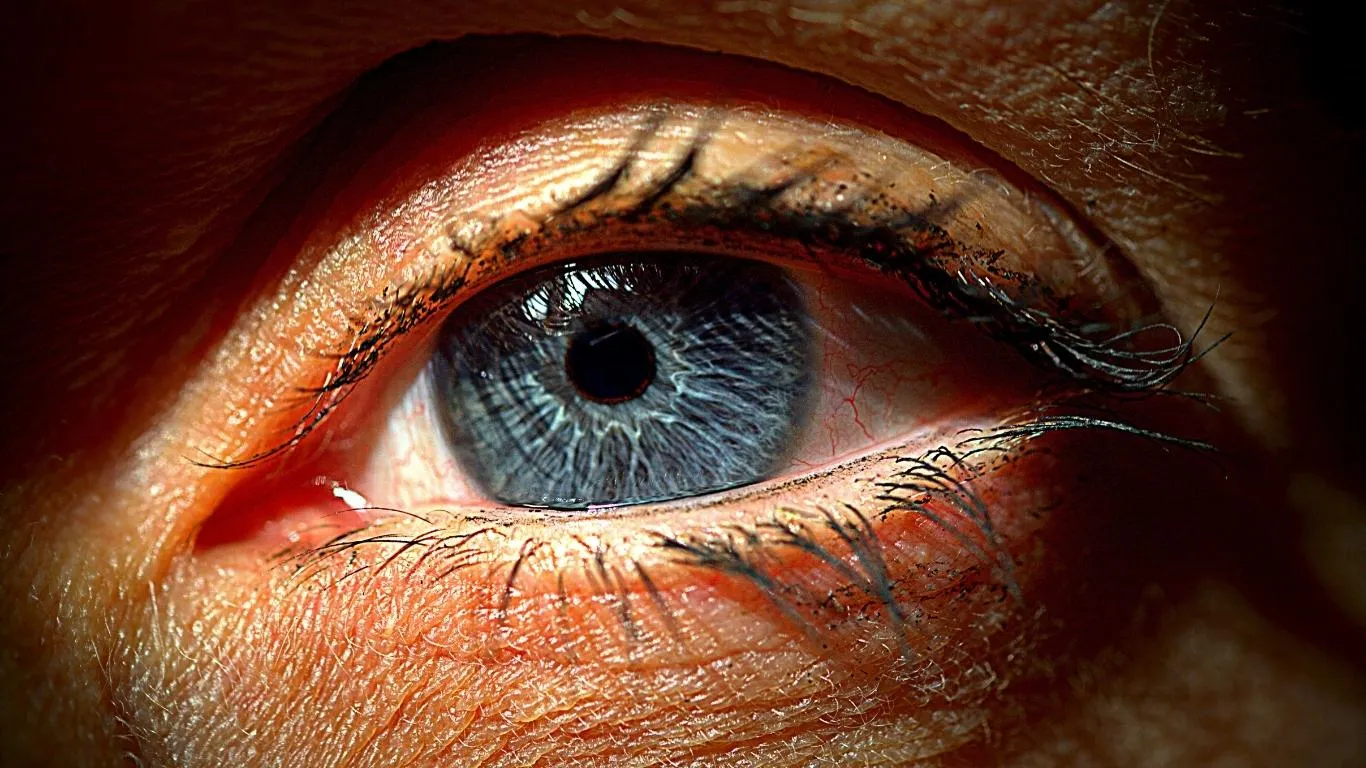
Marfan syndrome affects connective tissues throughout the body—your heart, bones, joints, and yes, even your eyes. One of the lesser-known but frustrating ocular complications is an increased risk of vitreous floaters. The vitreous is that gel-like substance filling your eyeball, and in Marfan syndrome, this substance often degenerates or liquefies earlier than usual. That leads to more frequent floaters showing up in your visual field.
In people with Marfan syndrome, the tissues that help support the eye—particularly the zonules that hold the lens in place—tend to be weaker. This weakening can lead to lens dislocation (ectopia lentis), which further destabilizes the vitreous and causes those floaters to appear more often and at a younger age than in the general population.
Signs the Floaters Might Be More Than Just a Nuisance

For most people, floaters are harmless. But if you have Marfan syndrome, there’s a slightly elevated risk that they might signal something more serious—like a retinal tear or detachment. I’ve spoken to a few others in the Marfan community who shared that their floaters suddenly changed in shape or were accompanied by light flashes. That’s a red flag that requires urgent medical attention.
- A sudden increase in floaters
- Flashes of light in your peripheral vision
- A dark curtain-like shadow across part of your vision
These symptoms can be early signs of retinal detachment, which is already a known complication in connective tissue disorders like Marfan syndrome. If any of this sounds familiar, it’s worth reaching out to your ophthalmologist quickly.
Common Eye Conditions Marfan Patients Experience
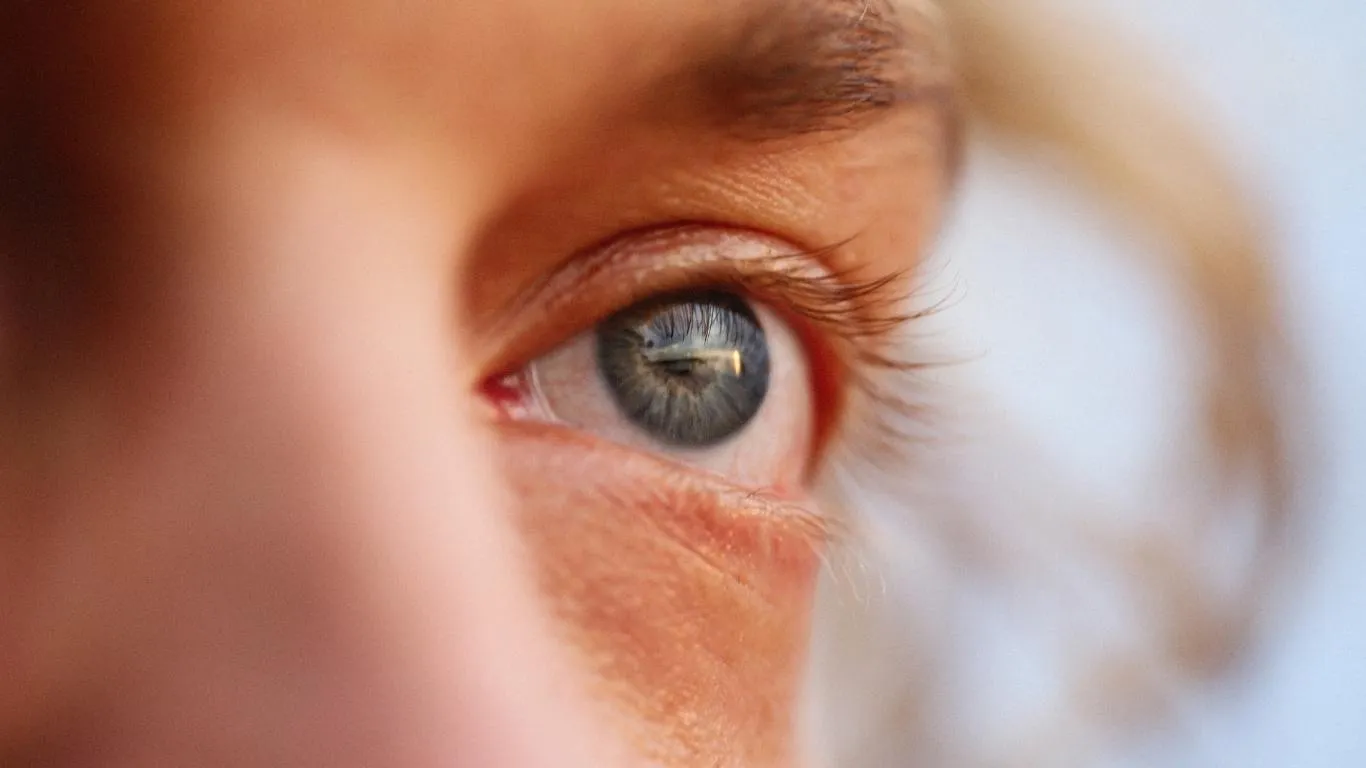
Marfan syndrome doesn’t just affect the heart and skeletal system—its impact on ocular health can be wide-ranging. Aside from floaters, many individuals experience:
- Lens dislocation: Caused by weak or broken zonules.
- Early-onset myopia: Nearsightedness is common, and floaters tend to be more noticeable in myopic eyes.
- Astigmatism: Irregular curvature of the eye that can exacerbate visual discomfort.
- Glaucoma and cataracts: Occur earlier than in the general population and can interact with floater development.
Many of these conditions can either cause or make floaters more noticeable. In my own case, early myopia made me acutely aware of every tiny speck drifting across my line of sight.
Are These Floaters Permanent?
Floaters caused by Marfan-related changes in the vitreous typically don’t disappear entirely. That said, many people find that their brain learns to ignore them over time. But this adaptation isn’t always perfect. If floaters are big, clumpy, or positioned centrally, they can remain a constant distraction.
There are some cases where the floaters are particularly bothersome and impact quality of life. In such scenarios, some patients explore medical options. As explained in our guide on eye floater treatments, options range from simply monitoring the floaters to procedures like laser vitreolysis or even vitrectomy, though the latter is more invasive and not without risks.
How Often Should You Get Your Eyes Checked?
For someone with Marfan syndrome, routine eye exams aren’t just a good idea—they’re essential. Even if your floaters seem stable, it’s smart to have regular check-ins with a retinal specialist. I personally get mine checked once a year, and more often if something changes in my vision.
Early detection of retinal thinning or detachment can prevent more serious complications. And because Marfan syndrome affects multiple systems, keeping a record of your ocular health helps guide better systemic care, especially if you’re also seeing cardiologists or geneticists.
On a related note, eye floaters may also become more noticeable due to other overlapping conditions. If you’re curious about how factors like dehydration or stress might be amplifying your symptoms, it’s worth taking a holistic look at your lifestyle and overall wellness.
How Genetics and Structural Differences Play a Role
Marfan syndrome is genetic, passed down in an autosomal dominant pattern. One copy of the mutated FBN1 gene is enough to cause the condition. That same gene mutation affects fibrillin-1, a protein critical for maintaining the elasticity and integrity of connective tissue—especially in the eyes. This weak structural support can lead to premature vitreous degeneration, resulting in floaters.
If someone in your family has both Marfan and frequent floaters, that’s not a coincidence. Research published by the National Institutes of Health has shown a strong link between hereditary connective tissue disorders and increased floater incidence.
Understanding this link can help patients advocate for better eye care earlier in life, especially for children diagnosed with Marfan syndrome who may be too young to articulate visual disturbances.
How to Cope With Marfan Syndrome Floaters in Daily Life
Living with both Marfan syndrome and persistent floaters can be frustrating, especially when they interfere with reading, driving, or just trying to enjoy a sunny day. Personally, I found that adjusting my screen brightness and avoiding harsh light helped reduce how often I noticed them. It’s the little tweaks that often make the biggest difference.
Here are a few things that have worked well—not just for me, but for others in the community:
- Matte backgrounds: Use neutral or darker backgrounds on your devices to reduce visual contrast with floaters.
- Blue light filters: These filters reduce eye strain and may help your eyes focus past the floaters.
- Proper hydration: Believe it or not, keeping your body hydrated can make floaters feel less intense. Here’s more on dehydration’s impact on floaters.
- Glare reduction: Sunglasses or anti-glare lenses work wonders outdoors, where floaters tend to pop into view the most.
Simple lifestyle changes can ease the mental burden these floaters cause. I used to obsessively follow them with my eyes, which only made things worse. But learning to accept and redirect focus helped me get my life back on track.
Are Medical Treatments Worth It for Marfan Floaters?
This is where things get a little complicated. Because Marfan syndrome can weaken the structural integrity of the eye, certain treatments like vitrectomy may carry a higher risk. A vitrectomy involves removing the vitreous gel—and with it, the floaters—but it also increases the chance of complications like retinal detachment or cataracts.
Laser vitreolysis is another option, but it’s not always effective on the type of floaters commonly seen in connective tissue disorders. The fibrous floaters we tend to get don’t respond well to laser, especially when they’re too close to the retina.
According to a review published in the American Academy of Ophthalmology, most ophthalmologists still recommend observation for most cases—especially for younger patients with Marfan syndrome. But every case is different, and it’s essential to work with a specialist who understands the nuances of Marfan-related eye issues.
When Should You Push for a Second Opinion?
If your floaters are interfering with your quality of life—or worse, if your doctor dismisses your symptoms as “just normal”—don’t hesitate to seek a second opinion. I had to go through two ophthalmologists before finding one who understood Marfan-related ocular complications. Some professionals may not be fully aware of how fragile our connective tissues are, especially in the retina.
Look for a retinal specialist with experience treating connective tissue disorders. Ask them directly if they’ve managed Marfan cases before. It’s not being pushy—it’s being your own best advocate.
Can Other Factors Make Marfan Floaters Worse?
Absolutely. Stress, lack of sleep, and even hormonal fluctuations can make floaters more noticeable. I’ve personally found that on days when I’m more anxious or fatigued, the floaters seem bigger and more aggressive—almost like they feed off my tension.
If this sounds familiar, it might be worth exploring additional triggers. For instance, certain eye drops or medications may exacerbate symptoms. Here’s an insightful post about how steroid eye drops might contribute to floaters.
Even post-surgical situations like LASIK or cataract surgery can alter how the vitreous behaves in Marfan patients, possibly triggering new floaters. This cataract surgery article breaks that down quite well.
Support Systems Matter More Than We Think
Having Marfan syndrome can feel isolating enough—and persistent floaters only add to the mental load. I didn’t realize how much better I’d feel until I connected with others who understood exactly what I was going through. Whether it’s an online group, a local meet-up, or a specialized vision support forum, talking about it helps.
Some great starting points include the Marfan Foundation and condition-specific Reddit forums where users share first-hand tips and emotional support.
What surprised me most was the sense of relief that came from realizing I wasn’t “imagining” it. These floaters are real, annoying, and very much part of life for many with Marfan syndrome. But with the right info, tools, and support, they don’t have to control our day-to-day experience.
For more on differentiating floaters from other eye conditions, see our breakdown on eye floaters vs. other problems.

Camellia Wulansari is a dedicated Medical Assistant at a local clinic and a passionate health writer at Healthusias.com. With years of hands-on experience in patient care and a deep interest in preventive medicine, she bridges the gap between clinical knowledge and accessible health information. Camellia specializes in writing about digestive health, chronic conditions like GERD and hypertension, respiratory issues, and autoimmune diseases, aiming to empower readers with practical, easy-to-understand insights. When she’s not assisting patients or writing, you’ll find her enjoying quiet mornings with coffee and a medical journal in hand—or jamming to her favorite metal band, Lamb of God.