Why Mindfulness Meditation for Anxiety Actually Works
I never thought sitting still could be the answer. For years, my mornings were clouded by an invisible pressure sitting heavy on my chest, my brain looping the same anxious thoughts like a stuck record. You know the kind—“What if this happens?”, “What if I mess up?”, “What if it never gets better?”. It wasn’t until a friend casually mentioned mindfulness meditation over coffee one afternoon that I decided to try it. No incense. No chanting. Just me, a few minutes of silence, and a willingness to pay attention to my breath. That’s where it began.
Why Mindfulness Meditation Makes Sense for Anxiety

Mindfulness isn’t some mystical practice reserved for monks on mountaintops. At its core, it’s simply the act of being present. And when anxiety is essentially your mind pulling you into worst-case futures, bringing it back to the now can feel like finally putting down a heavy backpack.
What surprised me was how grounded the science is. According to NCBI, mindfulness meditation has been shown to reduce the amygdala’s reactivity—the part of the brain that handles fear. Less reactivity, less spiraling. Seems obvious in hindsight, but I had to experience it to really believe it.
How It Helps Calm the Nervous System
When you’re anxious, your body shifts into fight-or-flight mode. Elevated heart rate, rapid breathing, maybe even nausea. Mindfulness gently coaxes your nervous system into rest-and-digest. It tells your body, “We’re safe now.”
- Breath awareness reduces panic symptoms by slowing the heart rate.
- Body scans help identify and release tension you didn’t know you were carrying.
- Focused attention teaches your brain to stop feeding the anxious loop.
I’ve found breathing exercises for anxiety to be a perfect starting point when introducing mindfulness into daily life. They’re simple, grounding, and surprisingly effective in moments of overwhelm.
My Daily Practice (And How You Can Start Yours)

Starting a mindfulness routine doesn’t have to mean waking at dawn and meditating for an hour. Honestly, I started with five minutes while my coffee brewed. Here’s what’s stuck with me over the past year:
- Find a quiet spot (even if it’s the car before work).
- Set a timer for 5–10 minutes. Trust me, that’s plenty.
- Close your eyes and focus on your breath. In and out. That’s it.
- When your mind wanders (and it will), gently bring it back. No judgment.
That’s mindfulness. Simple. Portable. Free. I use it on the subway. I use it in bed when I can’t sleep. And over time, I noticed that I didn’t spiral as fast. I was less reactive. More curious. More in control.
Common Struggles When You Start (And How to Handle Them)
If your first sessions are filled with nothing but mind chatter and frustration, congrats—you’re doing it right. That’s the practice. Meditation isn’t about silence; it’s about noticing what’s there without letting it carry you away.
- Can’t sit still? Try a walking meditation.
- Racing thoughts? Label them: “planning”, “worrying”, “remembering”.
- Too anxious to breathe slowly? Start with muscle relaxation first to release tension.
You’re not trying to “achieve” something in these moments. You’re just showing up—and that’s more than enough.
Is Mindfulness a Replacement for Therapy or Medication?

Let’s be real: mindfulness isn’t magic. I still speak with a therapist. I’ve tried medication in the past. But what mindfulness does is complement everything else. It’s like strengthening your mental immune system—you’re less reactive, more adaptable, and kinder to yourself on hard days.
For anyone navigating treatment, the combination of psychotherapy and mindfulness is a powerful one. It’s also been backed by multiple studies across reputable sources like APA and Mayo Clinic.
Pairing Mindfulness with Other Techniques
It doesn’t have to be “either/or.” In fact, combining mindfulness with:
…can often yield the best results. There’s no shame in trying multiple tools. Everyone’s journey looks different.
When Mindfulness Surprises You

I remember walking into a high-stress meeting a few months back. Normally I’d be sweating, heart racing, voice shaky. But this time, I took a breath. Not a forced one—just a conscious inhale, exhale. I felt rooted. Focused. That’s when I realized mindfulness wasn’t just helping during my practice sessions—it was quietly transforming my entire life.
And that’s the magic. You don’t always notice it day to day. But one moment, one situation at a time, you begin to show up differently.
For a deeper look into the emotional, physical, and behavioral toll of anxiety, check out how anxiety disrupts your daily routine. It ties directly into why practices like mindfulness aren’t just helpful—they’re necessary.
To fully understand anxiety disorders on a broader level, their causes, treatments, and how mindfulness fits into the larger picture, see the main guide to anxiety disorders.
Mindfulness Beyond the Cushion: Making It Part of Real Life

Here’s something I learned the hard way—if mindfulness stays locked in your 10-minute morning ritual, it won’t work as well as it could. The real magic happens when it follows you into life’s chaos. At first, I used mindfulness like a fire extinguisher—just when anxiety spiked. But now, I use it like brushing my teeth. It’s routine. Preventative. Grounding.
Mindfulness isn’t just “meditation” either. It’s about noticing. Being awake to your moment instead of on autopilot. That moment before you snap at your partner. That breath you take before opening your inbox. It sneaks into the cracks of your day.
Everyday Ways to Practice Mindfulness Without Sitting Still
- Mindful walking: Focus on how your feet meet the ground. One step at a time.
- Mindful eating: No phone, no TV. Just taste every bite. I swear strawberries hit differently.
- Mindful listening: Actually hear someone, instead of waiting to respond.
One study from NCBI found that people who integrated informal mindfulness into daily activities experienced more consistent reductions in anxiety over time. Which, to me, just proves the point—this isn’t about sitting cross-legged in silence all day. It’s about living awake.
Why Mindfulness Feels So Hard at First (And What to Do About It)

Most people give up on mindfulness because they think they’re doing it wrong. They tell me, “I can’t stop thinking.” But that’s not the point. The point is to notice the thought, then come back. Every time you return to your breath or your body, that’s like a bicep curl for your mind. It builds strength.
I struggled too. Some days I’d sit down and feel more anxious. My brain would scream, “This isn’t working!” But I kept showing up. And something shifted. I noticed I wasn’t reacting as much. I could sit with uncomfortable emotions without needing to fix them right away.
Tips for Staying Consistent When You’re Anxious
- Set a reminder (I use a gentle chime mid-morning).
- Track your sessions—checkmarks on a calendar worked surprisingly well for me.
- Use guided meditations when your brain feels too loud. I found ones that incorporate gentle movement and yoga especially helpful on restless days.
Consistency over intensity. One minute of real mindfulness is better than ten minutes of zoning out.
How Mindfulness Reshapes Your Relationship with Anxiety

Mindfulness didn’t get rid of my anxiety. That’s not its job. What it did was change my relationship with it. I stopped seeing anxiety as a monster to battle and more like a signal—“Hey, something needs attention.”
I remember during one particularly rough week, I felt that familiar tightness in my chest, the buzzing energy in my limbs. But instead of panicking, I sat down, closed my eyes, and said, “Okay, let’s see what’s here.” The sensation didn’t vanish, but it didn’t control me either. That’s what mindfulness does—it gives you space between the feeling and the reaction.
And if you’re curious about what else could be affecting your anxiety that you might not be aware of, this guide on hidden causes might change the way you see your triggers entirely.
Rewiring the Anxious Brain Over Time
Neuroscience has shown that regular mindfulness meditation actually alters brain structure. It shrinks the amygdala (your fear center) and strengthens the prefrontal cortex (your logic center). That’s not fluff—that’s biology. Real, measurable change. And it helps explain why over time, anxiety just doesn’t hit the same.
Helpful Tools to Support Your Practice

I’m a firm believer that mindfulness doesn’t have to be complicated or expensive. But a few tools helped me get into the habit, especially early on:
- Timer apps with soft chimes (try Insight Timer or Calm)
- Guided meditations for anxiety-specific sessions
- A small notebook to jot down reflections post-meditation
- Comfortable space—pillows, quiet light, maybe a candle (if you’re into that)
Also, journaling right after mindfulness is a game-changer. The thoughts come out clearer, more honest. That’s how I started recognizing patterns, especially how often my anxiety revolved around the same three or four themes.
When You Need More Than Mindfulness

There’s no shame in needing more support. Mindfulness is powerful, but it’s not a fix-all. If anxiety is impacting your ability to function, please reach out for professional help. I’ve been there. And honestly, mindfulness helped me get the clarity and courage to finally seek therapy.
There are multiple treatment options out there. Explore the diagnostic and assessment process to get clear on where to start. Pairing therapy with mindfulness gave me faster results than I ever expected.
Integrating Mindfulness with Broader Anxiety Support
Mindfulness fits into a larger ecosystem of support that includes:
- Lifestyle changes
- Nutrition adjustments
- Complementary approaches like herbal teas or acupuncture
When you stack good habits on top of mindfulness, the benefits multiply. Sleep improves. Reactions soften. Self-trust grows.
Closing the Loop: What I’d Tell My Past Self
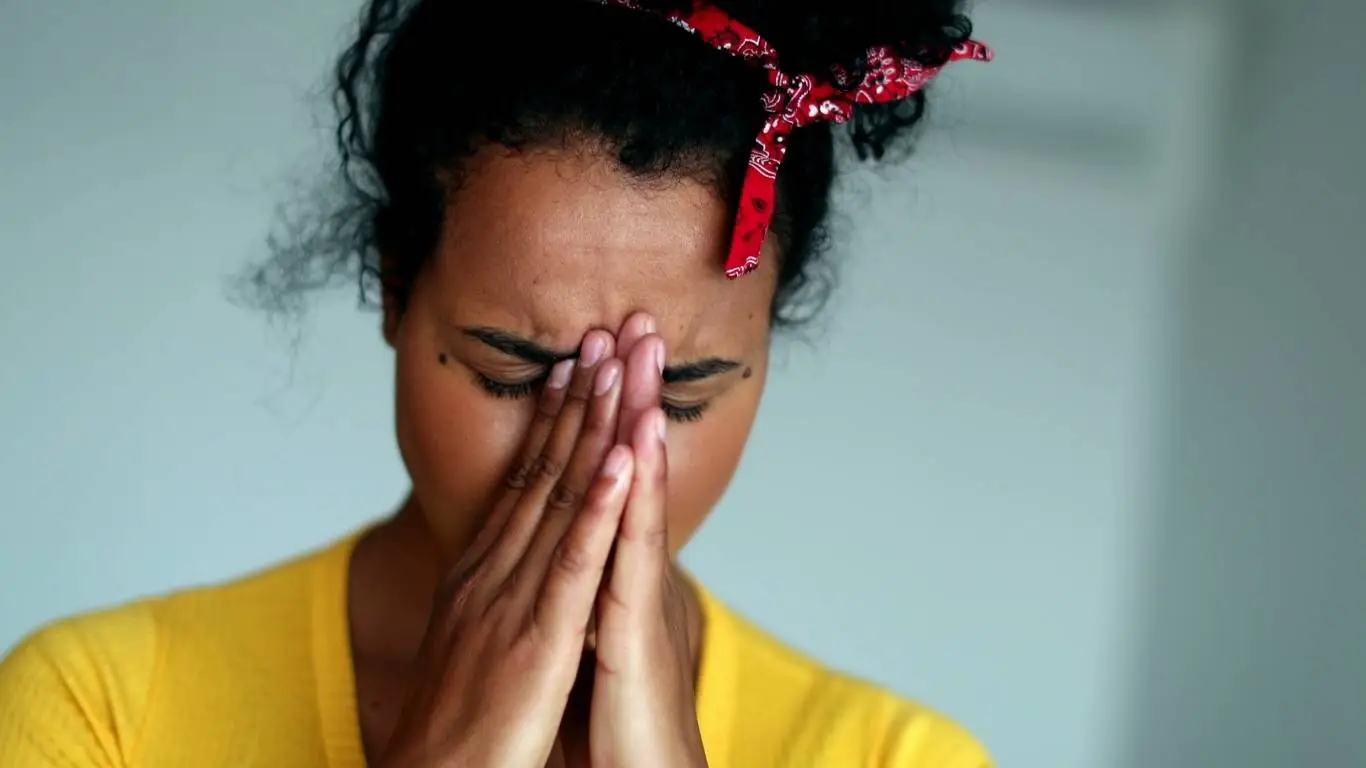
If I could go back to my most anxious self, I wouldn’t tell her to breathe. I’d tell her, “It won’t always feel this way.” And then I’d sit with her—quietly. Mindfully. Letting her know it’s okay to not have it all figured out. Because she’s already doing the work just by being present.
That’s the real beauty of mindfulness. It doesn’t require you to change who you are. Just to show up. One breath at a time.
Explore the full anxiety disorders overview to see how this practice fits into the bigger picture of emotional healing.

Camellia Wulansari is a dedicated Medical Assistant at a local clinic and a passionate health writer at Healthusias.com. With years of hands-on experience in patient care and a deep interest in preventive medicine, she bridges the gap between clinical knowledge and accessible health information. Camellia specializes in writing about digestive health, chronic conditions like GERD and hypertension, respiratory issues, and autoimmune diseases, aiming to empower readers with practical, easy-to-understand insights. When she’s not assisting patients or writing, you’ll find her enjoying quiet mornings with coffee and a medical journal in hand—or jamming to her favorite metal band, Lamb of God.