Why Pilates for Core and Back Health Is a Game-Changer
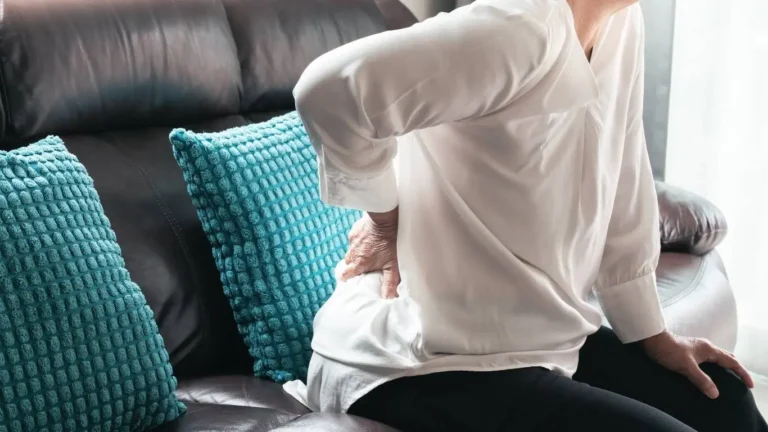
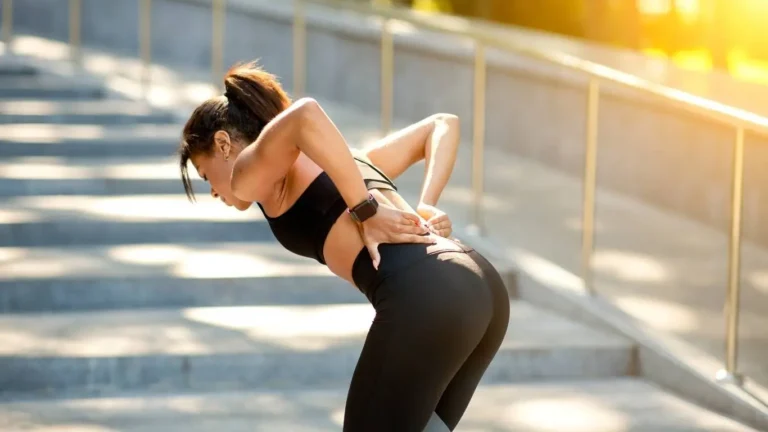
It’s funny how you don’t really think about your back until it starts screaming at you after a long day hunched over a laptop or after picking up your dog the wrong way. Been there. That’s what got me into Pilates in the first place. I wasn’t looking for a miracle—just something to get me out of that endless cycle of stiffness, random back spasms, and that weird ache that just sits there like an unpaid bill. Pilates for core and back health? Sounds too soft at first. But trust me—it’s anything but.
Why Pilates and Not Just Crunches?
People often confuse core strength with abs. And sure, crunches may give you that “summer body” look, but they don’t always support your spine where it really matters. Pilates takes a whole-body approach. It works those deep stabilizing muscles that wrap around your spine like a strong, supportive hug.
What makes Pilates special is that it’s not just about movement—it’s about *intentional* movement. Every stretch, every breath, every contraction has a purpose. And once I started practicing, I realized how much I was compensating with the wrong muscles, making my back problems worse. Sound familiar?
Understanding the Core-Back Connection

Let’s break down what we mean by “core.” We’re not just talking six-pack here. The core includes:
- Transverse abdominis: the deepest abdominal layer that stabilizes your spine
- Multifidus: small muscles along your spine, crucial for segmental stability
- Pelvic floor muscles: often ignored but play a huge role in spinal support
- Diaphragm: yes, your breathing muscle also supports your core structure
When these work together (as Pilates teaches), your spine stops being a victim of daily stress and poor posture. You start moving with intention instead of reacting to pain. It’s wild how just realigning your breathing and stabilizing your pelvis can change everything.
Pilates Moves That Changed My Back
1. The Hundred
Sounds intimidating, but it’s a breathing-focused movement that activates the deep core. This was the first time I *felt* my transverse abdominis do its job. The key? Keep that lower back neutral and the legs at an angle you can maintain control—not to impress anyone.
2. Pelvic Curl
Think of this as a smarter version of a bridge. Instead of just lifting and dropping your hips, you articulate your spine one vertebra at a time. It helped me unlock stiffness in my lower back like nothing else.
3. Swimming
No water involved here—just lying prone and alternating arm and leg lifts. This one lights up the multifidus and glutes, and teaches your body how to stabilize while moving. I was surprised how tough it was, and how good my back felt after just a few reps.
Who Should Try Pilates for Back Health?
Honestly? Almost everyone. But especially:
- Office workers or remote folks glued to a desk
- People recovering from lower back injuries
- New moms rebuilding their core post-pregnancy
- Athletes dealing with tight hips and poor spinal mechanics
That said, it’s important to work with an instructor who understands spinal mechanics—especially if you’ve got existing issues. Many Pilates instructors have rehab training and can personalize your routine to avoid aggravating things.
One of my go-to sources when I was learning? This breakdown of exercise, rehab, and ergonomics for back pain. It really clicked for me how movement patterns can either heal or hurt, depending on how we train them.
But Is It *Really* Better Than Yoga?

Look, I love a good yoga flow too. But here’s where Pilates stands out for me personally: the specificity. Yoga builds flexibility and promotes relaxation. Pilates builds control, awareness, and precise strength. I actually do both, but when my back flares up, I go straight to my Pilates mat.
According to the National Institutes of Health, consistent core stability training has a statistically significant impact on chronic lower back pain. Pilates is practically built on that principle. Combine that with breathing techniques and pelvic control, and you’ve got something incredibly effective.
How to Get Started Without Overthinking It

If the thought of heading to a fancy studio sounds intimidating, don’t worry. I started on a borrowed yoga mat in my living room. All you need is:
- A non-slip mat
- A beginner-friendly online video or app (there are tons!)
- Consistency—start with 10-15 minutes, 3x a week
You’ll probably feel muscles you didn’t know you had, but it’s a good kind of sore. And over time? That achy, tired back? It’ll feel stronger, lighter, and far less cranky.
Want to go deeper into how this ties into posture, ergonomics, and injury prevention? You’ll find even more practical insights in this main Back Pain Pillar Article. And if you’re curious about complementary approaches like physical therapy or natural remedies, check out the comprehensive guide on Back Pain as a starting point.
I didn’t expect Pilates to change the way I sit, walk, or even sleep—but it did. The more I stuck with it, the more I realized how much my daily habits were wrecking my spine. That’s the beauty of Pilates for core and back health—it doesn’t just give you exercises. It teaches you how to move smarter, all day long.
Everyday Back Health: What Pilates Teaches You Without Saying a Word
One of the most underrated benefits I noticed? Body awareness. It’s subtle. You start sitting differently without thinking about it. You bend to tie your shoes in a way that protects your spine. You stop locking your knees when you stand. All of these tiny shifts add up.
Here’s what Pilates built into my daily life, almost like muscle memory:
- Neutral spine: I stopped tucking my pelvis under all day (a sneaky source of pain)
- Breath control: I now catch myself bracing with my diaphragm during stressful moments
- Engaged core during movement: Walking, lifting, reaching—all now have support
It’s a real game-changer once these habits become second nature.
Strength Without Bulk: Why Pilates Works Long-Term

Another reason I stuck with Pilates? It doesn’t beat your body up. You’re not doing high-impact reps or grinding your joints. You build strength in a way that feels…sustainable. That was important to me after trying all kinds of workouts that either bored me or left me limping.
Plus, Pilates doesn’t just isolate one area. It’s full-body training that makes everything more efficient. My legs felt stronger. My neck stopped tensing up. Even my shoulders relaxed. I didn’t even realize how much tension I carried until it started disappearing.
Does Pilates Help With Chronic Pain?
Big yes—for many people, including me. But let’s be clear: it’s not a one-size-fits-all fix. Still, a growing number of studies and rehab professionals recommend Pilates for chronic lower back pain. When practiced consistently (and correctly), it can:
- Reduce muscular imbalances
- Support spinal alignment and stability
- Enhance neuromuscular control
- Lower recurrence of flare-ups
My own back issues didn’t vanish overnight. But three months in? I wasn’t reaching for painkillers anymore. That was huge.
Back-Friendly Pilates Tools You Can Use at Home
Once I got deeper into the practice, I started using a few tools to mix things up and target my back muscles even more effectively. My favorites?
- Resistance bands: great for activating core and glute stabilizers
- Foam roller: not exactly Pilates, but perfect for post-workout spine release
- Pilates ball: especially useful under the pelvis for controlled spinal articulation
These tools make it easier to add resistance or support, depending on what your back needs that day.
What Physical Therapists Say About Pilates

I talked to a physio friend of mine after I started noticing results. She said she often uses modified Pilates with patients recovering from lumbar disc issues or chronic postural pain. And she’s not alone.
In fact, resources like Cleveland Clinic and Mayo Clinic have endorsed Pilates as a low-risk, high-reward intervention for certain types of spinal conditions. The key, they say, is form and progression. Start simple. Build slowly.
That’s what worked for me. I didn’t try to become Joseph Pilates overnight. I started with breathwork and pelvic tilts. The rest followed.
Combining Pilates With Other Lifestyle Habits

What made the biggest difference for my back wasn’t just the exercises. It was how Pilates reshaped other habits too. I became more intentional about:
- Getting better sleep support (hello, firmer mattress)
- Improving my work setup—no more slouching at a kitchen table
- Staying active throughout the day (not just during workouts)
And yes, it made me rethink my whole approach to wellness. I even dove into topics like natural remedies and daily habits for back pain. It turns out, back pain isn’t just about the spine—it’s about your whole life structure. Pilates was the gateway to that bigger picture.
For more on building long-term habits that protect your spine, check out the detailed breakdown of back pain lifestyle solutions. And for a full view of how it all connects, the main Back Pain hub ties it all together.

Camellia Wulansari is a dedicated Medical Assistant at a local clinic and a passionate health writer at Healthusias.com. With years of hands-on experience in patient care and a deep interest in preventive medicine, she bridges the gap between clinical knowledge and accessible health information. Camellia specializes in writing about digestive health, chronic conditions like GERD and hypertension, respiratory issues, and autoimmune diseases, aiming to empower readers with practical, easy-to-understand insights. When she’s not assisting patients or writing, you’ll find her enjoying quiet mornings with coffee and a medical journal in hand—or jamming to her favorite metal band, Lamb of God.