Why Practicing Yoga for Anxiety Benefits Your Daily Life
It’s kind of wild how something as simple as yoga—stretching on a mat, breathing deeply, trying not to fall over in Tree Pose—can actually turn your entire day around. I remember the first time I walked into a yoga class after a rough week of anxious spirals. I didn’t expect much, honestly. But what happened during and after that class? Total game-changer. And I’m not saying yoga is some magical cure-all, but there’s something incredibly grounding about it that made me wonder: why does yoga actually help with anxiety? Let’s break that down.
Understanding How Yoga Actually Impacts Anxiety
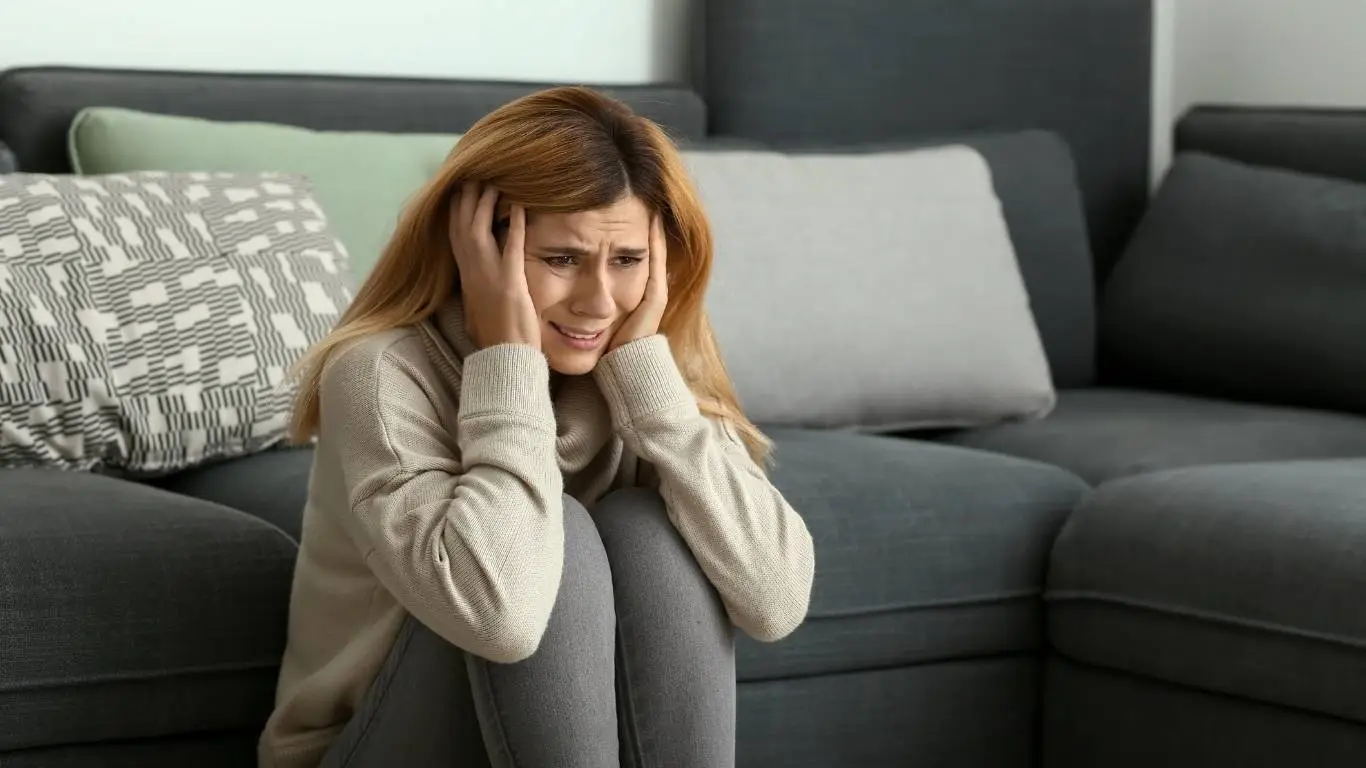
You’ve probably heard yoga tossed around as a mental wellness tool, but not everyone knows how deep the benefits go—especially when it comes to chronic anxiety. The combination of movement, breathwork, and stillness works on both the brain and the body.
The Science Behind It
It turns out, there’s real neuroscience behind that peaceful post-yoga feeling. Regular yoga practice reduces cortisol levels, boosts GABA (that’s a calming neurotransmitter), and regulates the autonomic nervous system. This trifecta is a big deal if you’re someone who battles with restlessness, racing thoughts, or that tight-chested tension that never seems to go away.
- Cortisol: The infamous stress hormone—yoga helps keep it in check.
- GABA: More GABA, more chill. Yoga increases GABA naturally.
- Nervous System Balance: Yoga strengthens your parasympathetic nervous system—aka the “rest and digest” mode.
In fact, some research suggests yoga may be as effective as certain medications in mild to moderate cases. The key is consistency, not perfection.
My Personal Turning Point
During a particularly rough patch—when anxiety was basically my default setting—I committed to a 10-minute daily yoga session. Just ten minutes, nothing fancy. It was all I could manage. Within a week, I started sleeping better. By the second week, I noticed fewer panic waves throughout the day. That experience made me dig into the real benefits yoga had to offer people like me who live with anxiety on the regular.
Best Types of Yoga for Anxiety Relief
Not all yoga styles are created equal when it comes to anxiety. Some are meant to energize, others to calm you down. If your goal is stress reduction, here are the styles worth trying:
- Restorative Yoga: Think long holds, lots of props, and total relaxation. Your nervous system will thank you.
- Yin Yoga: Deep stretches held for minutes at a time. It’s meditative and ideal for letting go of built-up tension.
- Hatha Yoga: Gentle, beginner-friendly, and focused on breathing. Great for easing into the practice.
- Vinyasa (Slow Flow): Fluid movements tied to breath. If you want a bit more motion without ramping up anxiety, this one works well.
Steer clear of fast-paced Power or Hot Yoga when your anxiety’s high. These can overstimulate rather than soothe.
Why Breathwork Is the Unsung Hero
If yoga is the engine, breathwork is the fuel. Most people don’t realize how much shallow breathing contributes to anxiety. I didn’t either—until I tried alternate nostril breathing in a yoga class and felt my heart rate drop within minutes.
Breath-focused practices like pranayama can down-regulate the body’s stress response quickly. For example:
- Box Breathing: Inhale 4, hold 4, exhale 4, hold 4.
- 4-7-8 Breathing: Inhale 4, hold 7, exhale 8. Surprisingly calming before bed.
- Nadi Shodhana: Alternate nostril breathing—it’s a nervous system reset button.
Need a deeper dive into how breathing changes your brain chemistry? This article on anxiety-relieving breathwork gives solid strategies you can try today.
Yoga’s Role in Long-Term Anxiety Management

What makes yoga stand out isn’t just the immediate relief—it’s the cumulative benefits. The more consistent you are, the more your baseline anxiety shifts. Yoga helps train your brain to stay in the present and quiet that inner monologue of doom.
Blending Yoga With Other Treatments
Yoga can absolutely coexist with therapy and medication. In fact, it often enhances those approaches. Cognitive Behavioral Therapy (CBT), for instance, teaches thought management. Yoga complements that by managing the physical tension anxiety brings.
There’s a compelling case for integrating yoga into broader treatment plans. For a complete breakdown of therapy types that blend well with yoga, check out our therapy and counseling guide for anxiety disorders.
And Yes, the Diet Part Matters Too
This might surprise you, but pairing yoga with small nutrition changes can amplify your results. Certain magnesium-rich foods and omega-3s support your nervous system—just like yoga does. A bit of green tea, less caffeine, more leafy greens… your yoga practice doesn’t live in a vacuum.
Yoga Helps You Reconnect With Yourself

Anxiety disconnects you from your body, your breath, your peace. Yoga does the opposite. It brings you back. You move, breathe, listen. Some days it feels magical. Other days it just feels… okay. But every time, it gives you a little more of yourself back.
There’s a reason everyday routines get hijacked by anxiety—because when your nervous system’s out of sync, even brushing your teeth feels hard. Yoga gently restores that rhythm.
If you’re curious how anxiety weaves itself into your daily life more than you realize, this core article about anxiety’s hidden impact is a must-read.
Building a Personalized Yoga Routine for Anxiety

One mistake I made early on? Thinking I had to follow some perfect 60-minute yoga video with soft music and scented candles. The truth is, yoga for anxiety works best when it fits your life. Whether that’s 5 minutes on your bedroom floor before work or a short stretch session after dinner—it all counts.
How to Start (Without Overthinking It)
Keep it simple. Focus on consistency over complexity. Here’s what worked for me and many others dealing with anxiety:
- Time it with your stress patterns. Are your anxious thoughts worse in the morning? Or at night before bed? Schedule your yoga session accordingly.
- Begin with 3 poses. Child’s Pose, Legs-Up-The-Wall, and Seated Forward Fold are deeply calming.
- Add breathwork. Even 3 minutes of 4-7-8 breathing before yoga can calm your system before you move.
If you need more ideas on managing anxiety with structure, this guide to GAD coping strategies offers a broader toolbox that includes movement, journaling, and support networks.
Tracking Your Progress Without Pressure
This isn’t about becoming a yoga master. It’s about noticing how your body and mind respond over time. I kept a tiny notebook with just a few lines each day—“Felt calmer after 10 minutes,” “Racing thoughts faded after breathing work,” “Slept better tonight.” That’s it. No goals. Just reflection.
Surprisingly, these small notes became proof that something was working—even when the anxiety flared up again.
Yoga as a Long-Term Tool, Not a Quick Fix

Yoga doesn’t erase anxiety. But it creates moments of peace in a loud brain. And over time, those moments start to string together. You become more aware of your breath, your triggers, and what brings you back from the edge. That awareness is what makes yoga so sustainable as a tool for long-term mental health.
Supporting Evidence Keeps Growing
Studies from Harvard Medical School and the American Psychological Association continue to back yoga’s role in managing mental health, especially generalized anxiety disorder and social anxiety. It’s even being used in integrative treatment approaches in clinical settings now.
And while medication and therapy remain essential for many (including me at certain points), yoga fills in the gaps where medicine doesn’t reach: the somatic tension, the breathlessness, the loop of mental noise. It gives you something to do with your anxiety, rather than just trying to survive it.
Common Roadblocks (And How to Get Past Them)
Let’s be real: anxiety doesn’t make self-care easy. Some common struggles people face when starting a yoga habit include:
- Lack of motivation: Try a “one-pose” rule. Just roll out your mat and do one pose. Often, momentum takes over.
- Perfectionism: You don’t need to look like a yoga influencer. I practiced in pajamas most days, and I still do.
- Restlessness: If sitting still feels impossible, choose movement-focused flows like Hatha or gentle Vinyasa to start.
If those challenges sound familiar, this practical read on progressive muscle relaxation might offer another supportive practice to pair with yoga on hard days.
Bringing Mindfulness Off the Mat
Once yoga starts helping you notice your thoughts and physical sensations during practice, it gets easier to carry that awareness into your day. You’ll catch yourself mid-anxious thought and think, “Wait. I’m holding my breath.” And then you’ll actually breathe.
This kind of awareness doesn’t show up overnight, but with repetition, it becomes second nature. Yoga is like mindfulness training in motion. It’s subtle, but life-changing.
And if you’re working on rebuilding your confidence from the damage anxiety can cause, especially in public or high-stakes situations, you’ll find value in this honest look at anxiety and performance.
Not Ready for a Class? Try These Resources First

Walking into a class full of strangers can feel intimidating when your nerves are already shot. Luckily, you don’t need to go anywhere to get started. Here’s what I recommend:
- Yoga with Adriene (YouTube): Her “Yoga for Anxiety” videos are calm, beginner-friendly, and totally non-judgy.
- Insight Timer App: Includes guided meditations and short yoga flows focused on calming the nervous system.
- Your own flow: Put on a playlist, dim the lights, and just move the way your body wants to. That counts too.
Still unsure where to begin? You might want to explore broader lifestyle-based anxiety support methods that work alongside yoga—without pressure or guilt.
The Key Is to Just Begin
You don’t need to know Sanskrit pose names. You don’t need a fancy mat. You don’t even need to be flexible. You just need to breathe, move, and give yourself permission to feel better—one stretch, one breath, one moment at a time.
And if you ever wonder whether your anxiety is more than just “stress,” it might be worth revisiting this foundational guide on different types of anxiety disorders.

Camellia Wulansari is a dedicated Medical Assistant at a local clinic and a passionate health writer at Healthusias.com. With years of hands-on experience in patient care and a deep interest in preventive medicine, she bridges the gap between clinical knowledge and accessible health information. Camellia specializes in writing about digestive health, chronic conditions like GERD and hypertension, respiratory issues, and autoimmune diseases, aiming to empower readers with practical, easy-to-understand insights. When she’s not assisting patients or writing, you’ll find her enjoying quiet mornings with coffee and a medical journal in hand—or jamming to her favorite metal band, Lamb of God.