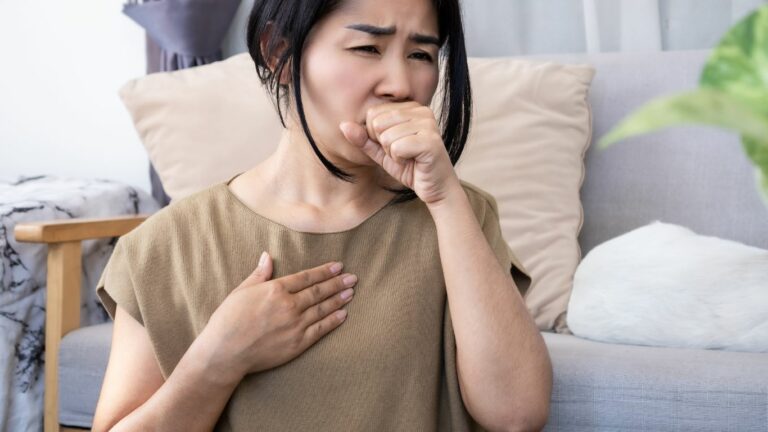
Why Sleep Deprivation and Anxiety Make Each Other Worse
Last month, I found myself wide awake at 3 a.m.—again. No emergency, no late-night coffee, just an overactive brain stuck in replay mode. You’d think a grown adult with a bedtime routine wouldn’t have this issue. But when sleep deprivation and anxiety team up, even a quiet room feels like a battleground. And if you’ve ever laid in bed, exhausted but wired, you’re not alone. Let’s dive deep into how these two troublemakers feed off each other—and more importantly, what you can do about it.
How Sleep Deprivation Fuels Anxiety (and Vice Versa)
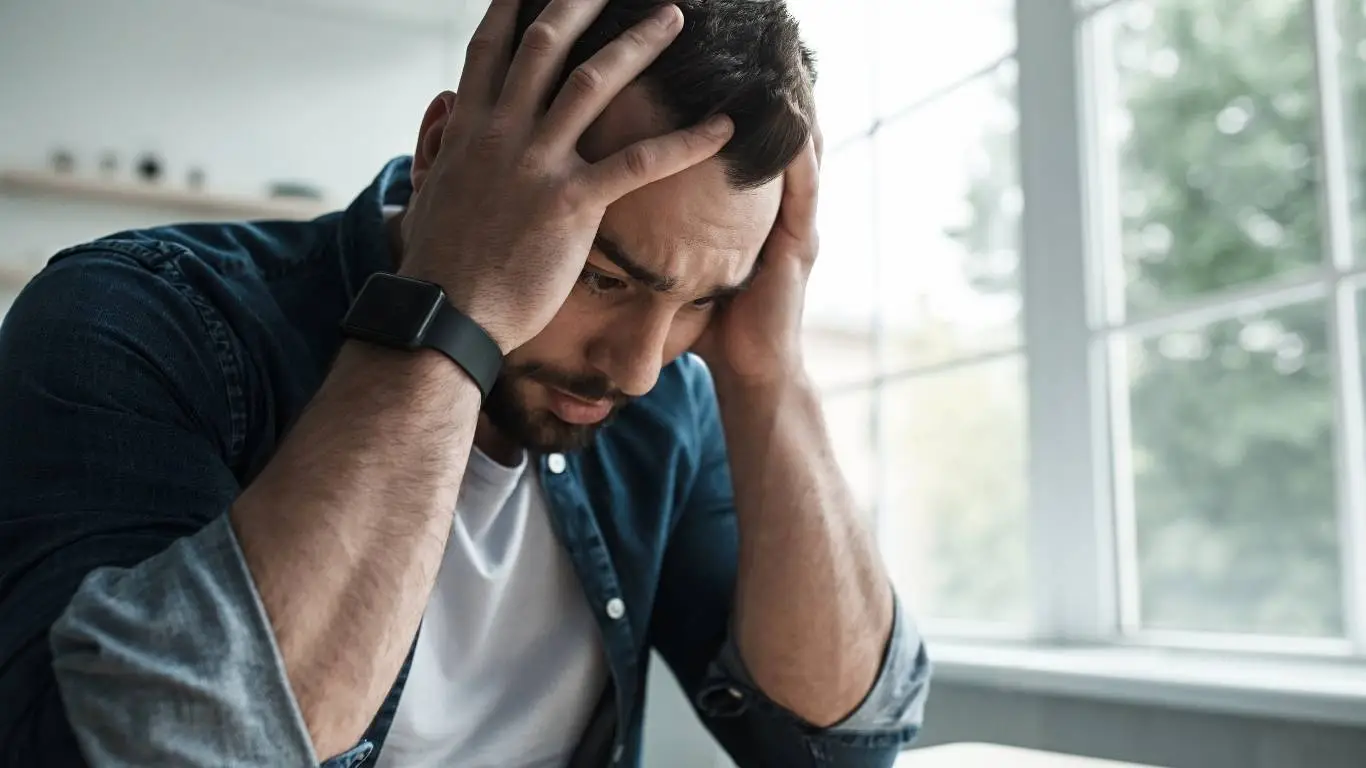
Sleep isn’t just rest—it’s repair. When you miss out, your brain loses the reset it desperately needs. The result? Your fight-or-flight system kicks into high gear. I used to think I was just “overthinking” at night. But science backs it up: sleep deprivation intensifies emotional reactivity, making even minor stressors feel like five-alarm fires.
Researchers at ncbi.nlm.nih.gov and sleepfoundation.org confirm that poor sleep reduces the brain’s ability to regulate anxiety. In fact, one night of missed sleep can raise anxiety levels by up to 30%—yikes.
It’s Not Just In Your Head
Sleep-deprived brains literally look different. MRI studies show overactivation in the amygdala (the fear center) and reduced connection with the prefrontal cortex (your logic hub). Translation? Your brain becomes primed to panic.
- Increased cortisol: Chronic lack of sleep ramps up stress hormones
- Weakened emotional regulation: Less control over mood swings
- Overreaction to threats: Even a traffic jam feels like a life crisis
Honestly, after pulling too many late nights working on deadlines, I noticed how jumpy and irritable I became—even coffee couldn’t mask it anymore. That’s when I realized this wasn’t burnout; it was anxiety being turbocharged by my terrible sleep habits.
The Vicious Loop of Anxiety and Sleeplessness
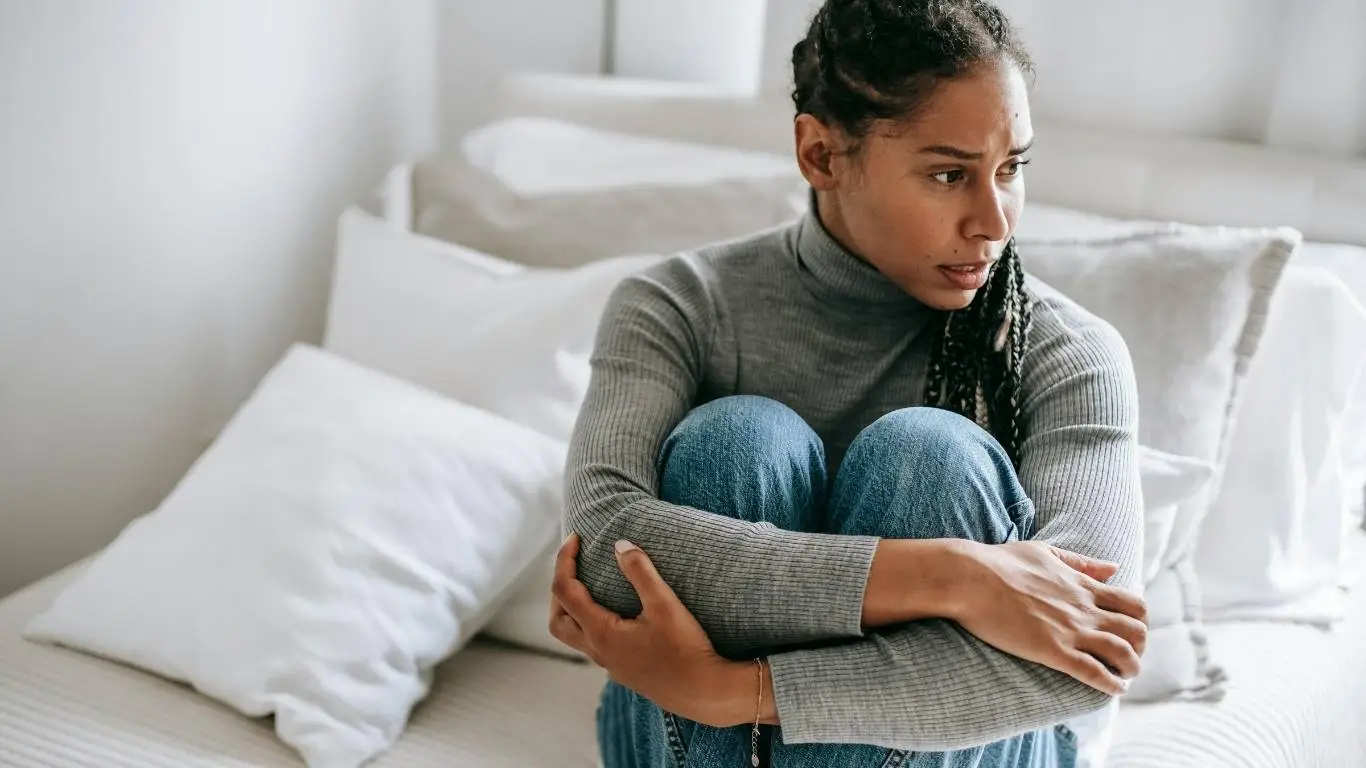
Here’s where it gets messy: anxiety also makes it nearly impossible to fall asleep. Your mind races, your heart pounds, and suddenly, sleep becomes just another thing to stress about. That loop can spiral quickly.
The Most Common Anxiety-Related Sleep Disruptions
- Difficulty falling asleep: Your brain won’t “shut off.”
- Frequent waking: You’re restless and easily startled.
- Vivid dreams or nightmares: Emotionally charged dreams leave you more drained.
- Physical symptoms: Racing heart, shallow breath, even nausea can interrupt rest.
I remember Googling “why can’t I sleep when I’m anxious” at 2 a.m., looking for magic answers. Turns out, I wasn’t the only one caught in this feedback loop. And while there’s no magic off-switch, there are surprisingly effective ways to break it.
Why Tackling Sleep First Can Tame Anxiety

One of the biggest lessons I’ve learned? Sleep hygiene isn’t just a wellness buzzword—it’s the foundation for mental clarity. Improving sleep quality often brings anxiety relief as a byproduct. The calmer mornings, the steadier mood, the reduced sense of panic over minor things… it’s all linked to better sleep.
In fact, one of the most helpful things I came across was this breakdown of sleep hygiene habits. Implementing even two or three tips made a noticeable difference in just a week.
Simple Adjustments That Work Surprisingly Well
- No screens an hour before bed: Blue light messes with melatonin levels
- Keep the bedroom cool and dark: Create a cave-like vibe
- Consistent sleep schedule: Even on weekends (this one was hard for me!)
- Cut caffeine after 2 p.m.: It lingers longer than you think
- Use a journal: Offload racing thoughts onto paper before bed
Curious about how lifestyle changes impact anxiety overall? Don’t miss this detailed guide on lifestyle self-help for anxiety disorders. It ties in perfectly if you’re trying to make broader shifts beyond just sleep.
Natural Supplements and Remedies That Actually Help

If you’re someone who’d rather not rely on sleep meds, I get it—been there. After too many groggy mornings from over-the-counter stuff, I started exploring natural options. Some honestly worked better than I expected.
One evening routine that stuck with me: sipping on herbal teas that promote calm. Chamomile, lemon balm, and valerian root teas helped me wind down faster. You can also consider probiotics and vitamin D if you’re struggling with gut health or seasonal fatigue—it’s all connected.
There’s also a surprisingly growing body of research supporting alternative remedies. Check out this comprehensive piece on complementary and alternative approaches that go beyond the usual advice.
And if you’re looking for a full-picture understanding of how anxiety affects life in subtle ways, I highly recommend exploring this main overview on anxiety disorders and how they impact your everyday functioning. It helped me see patterns I hadn’t connected before.
#LNF

Camellia Wulansari is a dedicated Medical Assistant at a local clinic and a passionate health writer at Healthusias.com. With years of hands-on experience in patient care and a deep interest in preventive medicine, she bridges the gap between clinical knowledge and accessible health information. Camellia specializes in writing about digestive health, chronic conditions like GERD and hypertension, respiratory issues, and autoimmune diseases, aiming to empower readers with practical, easy-to-understand insights. When she’s not assisting patients or writing, you’ll find her enjoying quiet mornings with coffee and a medical journal in hand—or jamming to her favorite metal band, Lamb of God.