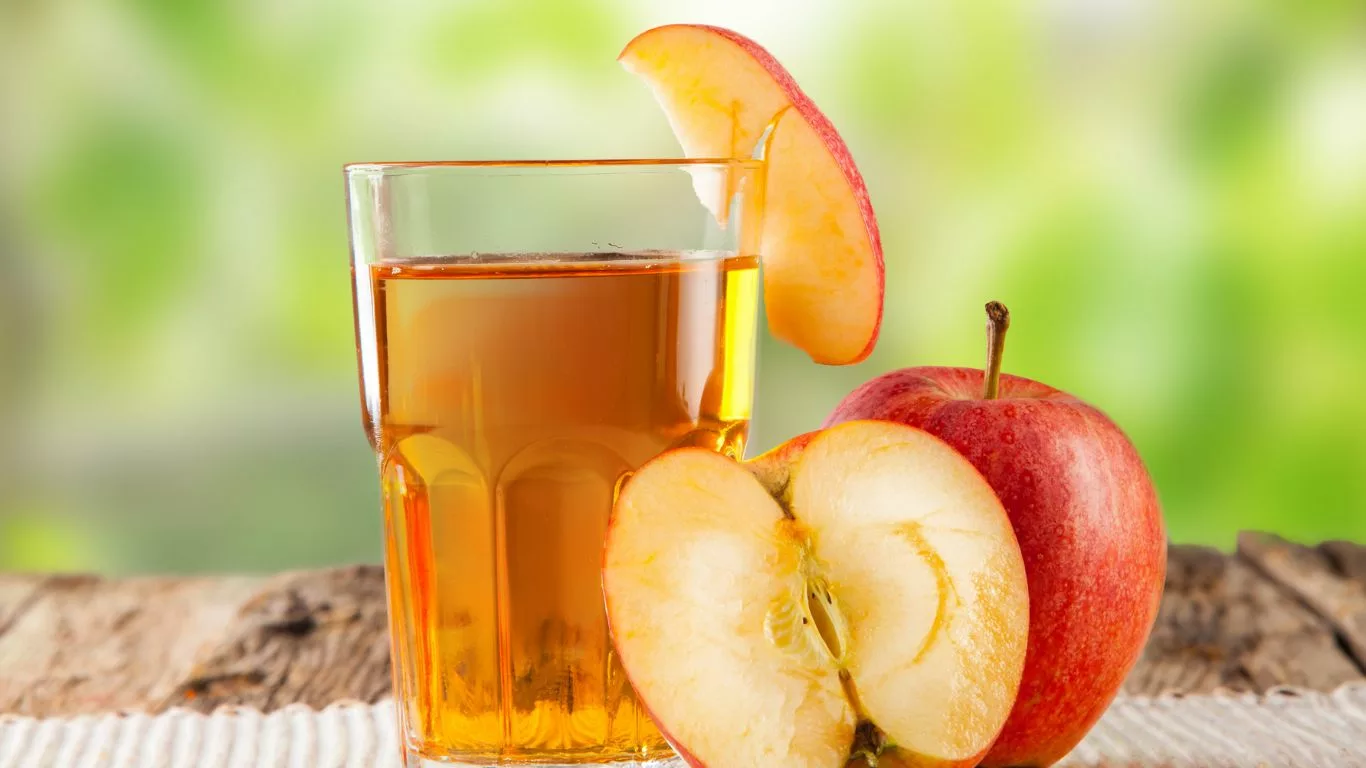
Is Apple Juice Good for Acid Reflux? A Gentle Choice for Sensitive Stomachs
When I first started dealing with acid reflux, I gave up juice altogether—assuming all of it would set my chest on fire. But after some trial and error, I realized not all juices are created equal. Apple juice, in particular, has become my go-to when I’m craving something sweet that won’t leave me reaching for antacids. The key is choosing the right kind—and knowing how much is too much.
Understanding the Apple Juice and Acid Reflux Connection

GERD (gastroesophageal reflux disease) occurs when stomach acid flows backward into the esophagus. That backward splash causes the uncomfortable burning sensation we all know as heartburn. While citrus and tomato juices are infamous for aggravating symptoms, apple juice is often seen as a gentler choice—especially if you pick the right variety.
So, is apple juice good for acid reflux? In many cases, yes—but not all apple juices are created equal. It’s all about understanding acidity levels, sugar content, and how your body responds individually.
Why Red Apple Juice Is a Better Pick Than Green

The type of apple makes a huge difference. Red apples like Fuji, Gala, or Red Delicious are naturally lower in acid compared to tart varieties like Granny Smith. Juicing red apples results in a milder drink that’s less likely to irritate the esophagus.
- Red apple juice – Mildly sweet, lower acid, more reflux-friendly.
- Green apple juice – Tart, higher acid, more likely to trigger symptoms.
So if you’re juicing at home, go red. If you’re buying bottled, read the label to see which apples were used—or opt for products labeled “low acid” or “mild.” And always check for added citric acid, which is a sneaky ingredient that can make a “safe” juice not so safe.
How Apple Juice Fits into a Reflux-Friendly Diet

What I love most about apple juice is how easily it fits into my existing GERD-friendly routine. I usually enjoy a small glass mid-morning, paired with oatmeal or a banana. It offers a little natural sweetness without sending my digestion into panic mode.
Here are a few tips to get the most benefit without backfire:
- Stick to small portions – Around 4 oz (half a cup) is usually enough.
- Drink it slowly – Sipping gives your stomach time to adjust.
- Pair it with food – Especially non-acidic meals like toast or porridge.
- Avoid drinking late at night – Any juice right before bed can increase reflux risk.
If you’re curious about how apple juice compares to other reflux-safe juices, explore our complete breakdown of the best juices for acid reflux. It includes options like aloe vera, celery, and cabbage juice—each with their own gut-friendly advantages.
Homemade vs Store-Bought Apple Juice: What to Choose

Let’s be real: most store-bought apple juices are overly processed, packed with added sugar, and sometimes even preservatives or citric acid that defeat the whole purpose. If you’re able, fresh juice is always the gentlest on your stomach.
Homemade version: Wash, core, and blend 2–3 red apples with a splash of water. Strain if desired. That’s it. No sugar, no acid additives, and the natural sweetness is more than enough.
When buying bottled:
- Look for 100% apple juice (not from concentrate).
- Check for “no added sugar” and “no citric acid.”
- Choose cloudy or cold-pressed over clear varieties when possible.
When Apple Juice Might Not Be the Best Choice

For some people, even red apple juice can cause issues—especially if consumed on an empty stomach or in large quantities. If you’re highly sensitive to fructose or dealing with IBS along with GERD, you may need to test your tolerance slowly.
Also, apple juice isn’t meant to treat severe flare-ups. It’s more of a gentle, daily drink than an instant fix. If you’re in the middle of a bad episode, stick to water or mild herbal teas like ginger tea instead.
Final Thoughts: A Mild Option That Can Work for Many

Apple juice isn’t a miracle cure, but it can be a soothing and safe drink for many people living with acid reflux—especially when you choose the right variety and consume it wisely. I’ve found it to be a nice way to reintroduce juice into my diet without the acid backlash I used to get from other options.
If you’re looking to build a juice routine that supports digestion instead of irritating it, this is one of the more pleasant and practical choices out there. For more reflux-friendly drink ideas, check out our article on acid reflux-friendly smoothies or learn about other natural ways to manage GERD that go beyond the glass.

Camellia Wulansari is a dedicated Medical Assistant at a local clinic and a passionate health writer at Healthusias.com. With years of hands-on experience in patient care and a deep interest in preventive medicine, she bridges the gap between clinical knowledge and accessible health information. Camellia specializes in writing about digestive health, chronic conditions like GERD and hypertension, respiratory issues, and autoimmune diseases, aiming to empower readers with practical, easy-to-understand insights. When she’s not assisting patients or writing, you’ll find her enjoying quiet mornings with coffee and a medical journal in hand—or jamming to her favorite metal band, Lamb of God.