Non-Drug Treatments for Rheumatoid Arthritis: Effective Ways to Relieve Pain Naturally
If you’re living with rheumatoid arthritis (RA), you know how it can feel like your body is working against you. For many, the journey to managing this chronic condition doesn’t end with medication. While disease-modifying anti-rheumatic drugs (DMARDs) and biologics play a huge role in managing RA, non-drug treatments for rheumatoid arthritis have proven to be just as effective in helping improve quality of life. As someone who has worked with numerous RA patients, I can tell you that the importance of lifestyle modifications, therapies, and daily habits can’t be overstated. These treatments complement conventional medicines and, in some cases, offer relief when medications alone aren’t enough.
Understanding Non-Drug Treatments for Rheumatoid Arthritis
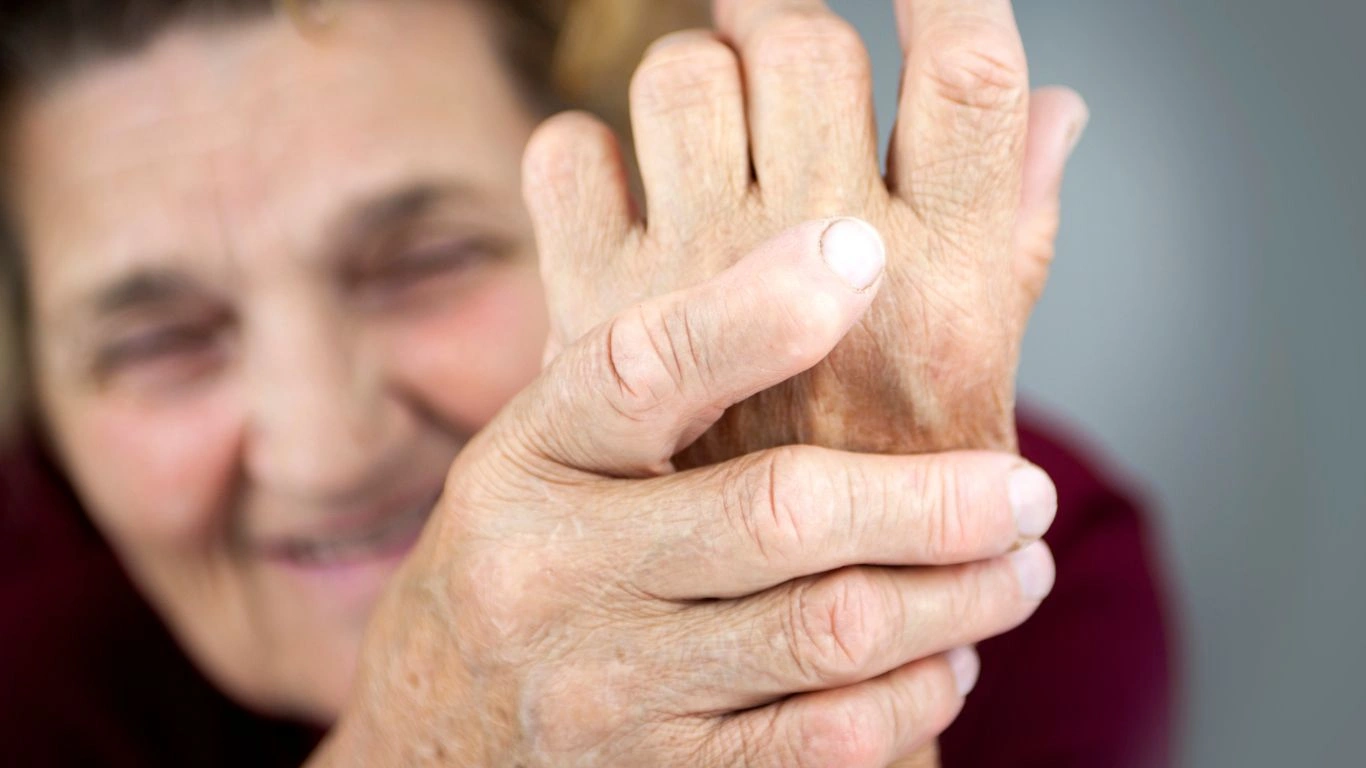
When we think of arthritis treatment, we often immediately think of pills, injections, or surgeries. But non-drug treatments for rheumatoid arthritis can provide powerful benefits for managing pain, improving joint function, and promoting overall well-being. These treatments are centered on enhancing your physical, emotional, and mental health—essential aspects that drugs alone can’t fully address.
The Importance of Lifestyle Changes
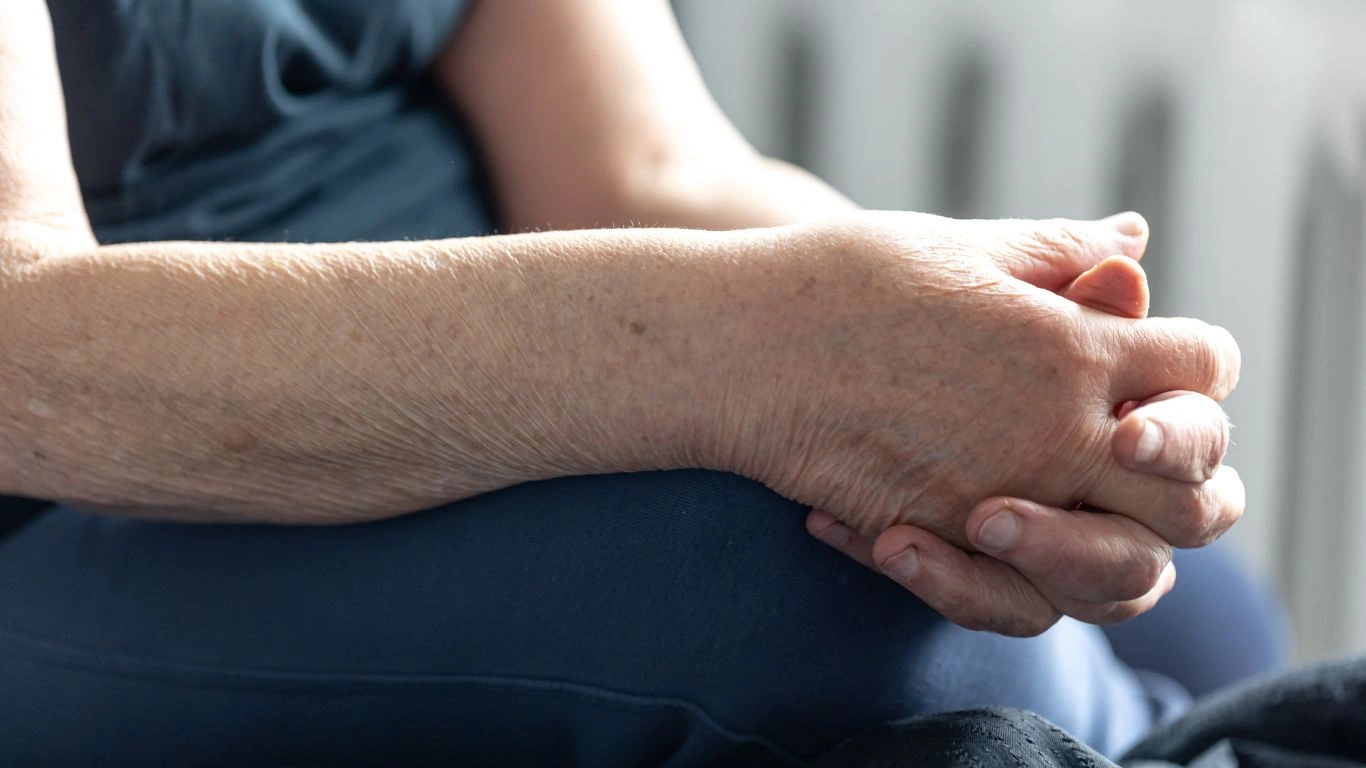
Changing your lifestyle to manage RA symptoms doesn’t mean completely overhauling your life; rather, it’s about small, consistent changes that can lead to big improvements. Here’s how lifestyle adjustments can make a difference:
- Diet and Nutrition: The food we eat can play a significant role in managing inflammation. A healthy, anti-inflammatory diet rich in fruits, vegetables, whole grains, and healthy fats can help reduce joint pain and stiffness. Omega-3 fatty acids (found in fish like salmon and flaxseeds) and antioxidants (found in berries and leafy greens) are particularly beneficial for those with RA.
- Exercise: Regular, low-impact exercises like swimming, walking, or yoga can improve joint flexibility, strengthen muscles, and reduce pain. The key is to avoid high-impact exercises that may exacerbate symptoms. Even a small amount of daily movement can make a huge difference.
- Weight Management: Carrying excess weight puts additional stress on joints, especially weight-bearing ones like the knees, hips, and spine. Maintaining a healthy weight can help ease the burden on these joints and reduce pain.
Mind-Body Connection: How Mental Health Plays a Role
Living with a chronic illness like RA can be mentally and emotionally draining. That’s why taking care of your mental health is just as important as managing physical symptoms. For me, one of the most fulfilling parts of working with patients is seeing them improve not just physically but also emotionally and mentally. Here are a few non-drug methods to help you cope:
- Stress Management: Chronic stress can worsen inflammation and pain, so learning how to manage stress effectively is key. Meditation, deep breathing exercises, and mindfulness practices can help lower stress levels. I’ve seen firsthand how these practices can transform a patient’s ability to manage flare-ups.
- Cognitive Behavioral Therapy (CBT): Working with a therapist trained in CBT can help you develop coping strategies and change negative thought patterns. CBT has been proven to improve pain tolerance and reduce the emotional burden of living with RA.
Physical Therapies for Rheumatoid Arthritis Relief
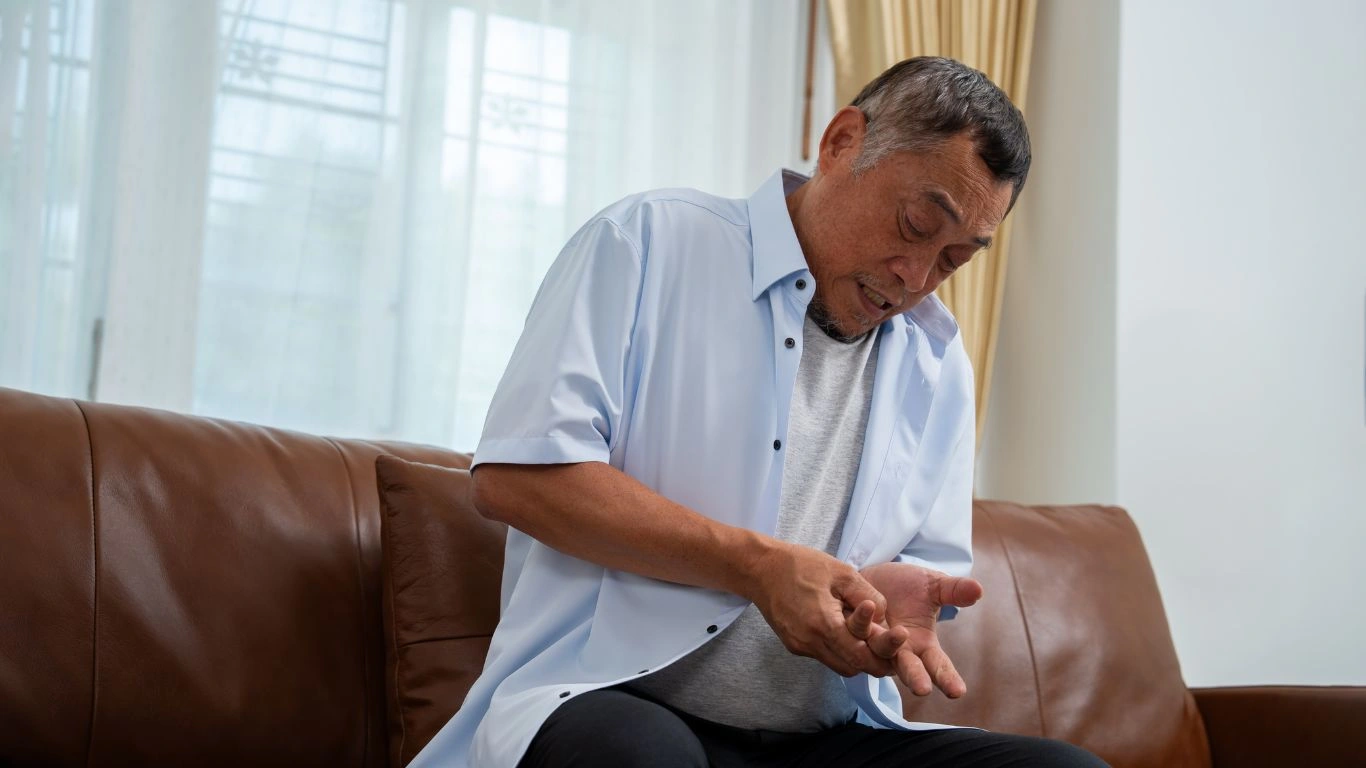
Physical therapy (PT) is another essential non-drug treatment that can significantly improve your quality of life with RA. The goal of PT is to teach you exercises that improve mobility and reduce pain. A good therapist will work with you to create a customized plan that fits your needs.
How Physical Therapy Can Help
- Joint Protection: Therapists can teach you how to move in ways that protect your joints and reduce strain. This includes proper posture, lifting techniques, and ways to avoid excessive joint stress during daily activities.
- Strengthening Exercises: Strengthening the muscles around affected joints helps stabilize them and prevent further damage. It also improves your overall strength and stamina, which can make daily activities easier.
- Range of Motion Exercises: These exercises help keep joints mobile and flexible, preventing them from becoming stiff or locked in one position. I often recommend exercises like gentle stretching or using specific tools like resistance bands to increase joint flexibility.
Heat and Cold Therapy
Heat and cold treatments can be a quick and effective way to ease symptoms of RA, especially for flare-ups. Applying heat can help relax stiff muscles and increase blood flow, while cold therapy can numb pain and reduce swelling. You can use simple home remedies like hot packs or ice packs, or consult with a physical therapist for more advanced treatments like paraffin baths.
Acupuncture and Acupressure for RA Relief
If you’re looking for alternative therapies, acupuncture and acupressure might be worth exploring. I’ve had patients report significant improvements in pain management and overall comfort through these therapies. Acupuncture involves inserting thin needles into specific points on the body to stimulate energy flow and promote healing. Acupressure, on the other hand, uses finger pressure on specific points to achieve similar benefits.
While the exact mechanisms are still being studied, many people with RA find these therapies helpful for reducing pain, improving joint function, and managing stress.
Mindful Movement: Yoga and Tai Chi for RA Relief
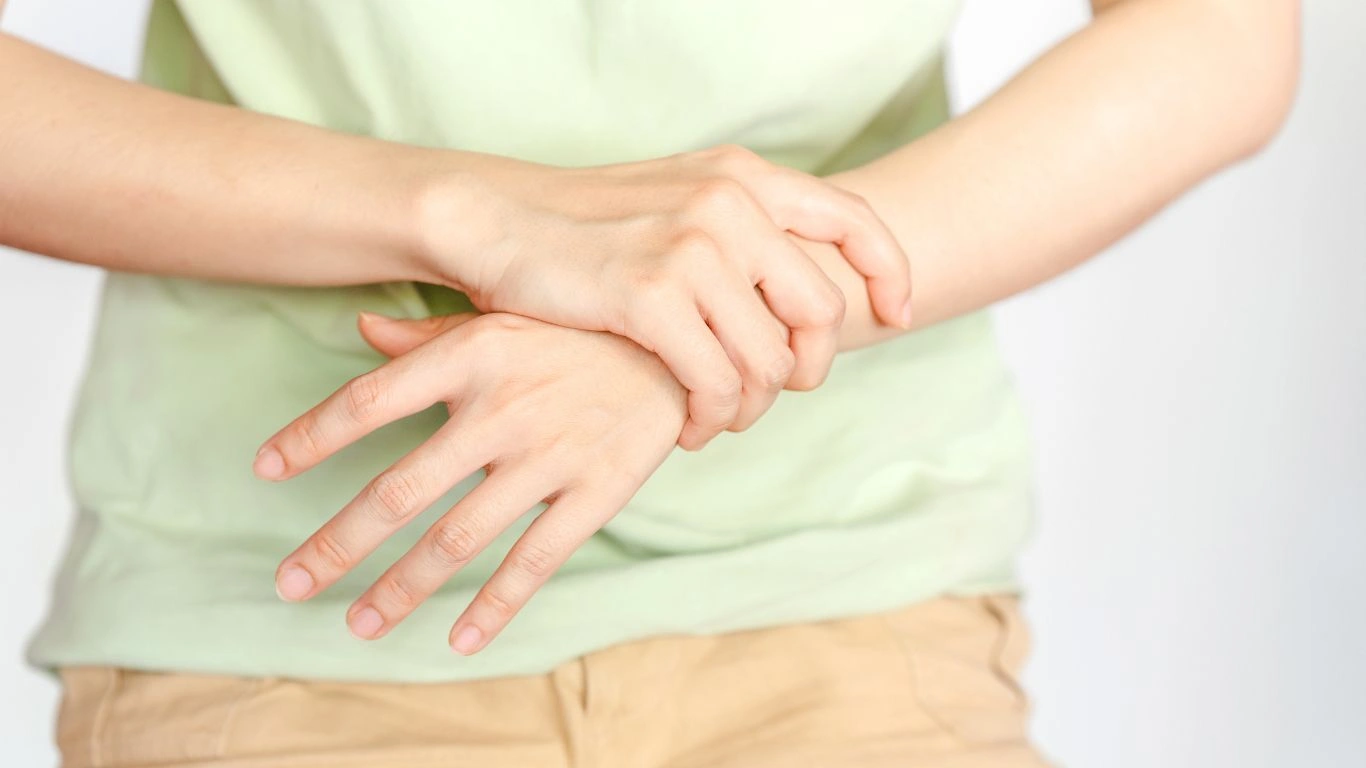
When it comes to non-drug treatments for rheumatoid arthritis, you might not immediately think of practices like yoga or tai chi. But trust me, these mindful movements can have a profound impact on your body and mind. I’ve seen patients with RA experience significant improvements in their mobility, pain levels, and mental clarity by incorporating these practices into their routines.
Yoga: A Gentle Path to Flexibility and Strength
Yoga isn’t just for relaxation—it’s a powerful tool for people living with RA. It focuses on slow, controlled movements, which is perfect for anyone dealing with joint stiffness. Yoga helps increase your range of motion, strengthen muscles, and even improve posture. I personally recommend it to many of my patients because it can be done at any fitness level, and it doesn’t put undue pressure on your joints.
Some poses to try include:
- Cat-Cow Pose: This helps mobilize the spine and ease stiffness in the neck, back, and shoulders.
- Child’s Pose: A restful position that stretches the hips, knees, and back.
- Warrior Poses: These build strength in the legs and hips while promoting good posture.
The beauty of yoga lies in its adaptability—there are chair yoga options for those with limited mobility, and restorative yoga can focus more on stretching and breathing, rather than intense physical exertion.
Tai Chi: Flowing Movements for Joint Health
Tai Chi is another excellent option, especially if you’re looking for something low-impact but effective. This ancient Chinese practice involves slow, deliberate movements that help improve balance, strength, and joint mobility. I’ve seen people with RA benefit from Tai Chi because it reduces stress while enhancing joint stability. Plus, the meditative quality of Tai Chi can promote mental relaxation, which, as you know, is just as important when managing chronic conditions like RA.
One of the things I love about Tai Chi is that it can be modified for different levels of ability, so whether you’re a beginner or have been practicing for years, you can tailor the movements to your comfort level.
Complementary Therapies: Massage and Aromatherapy
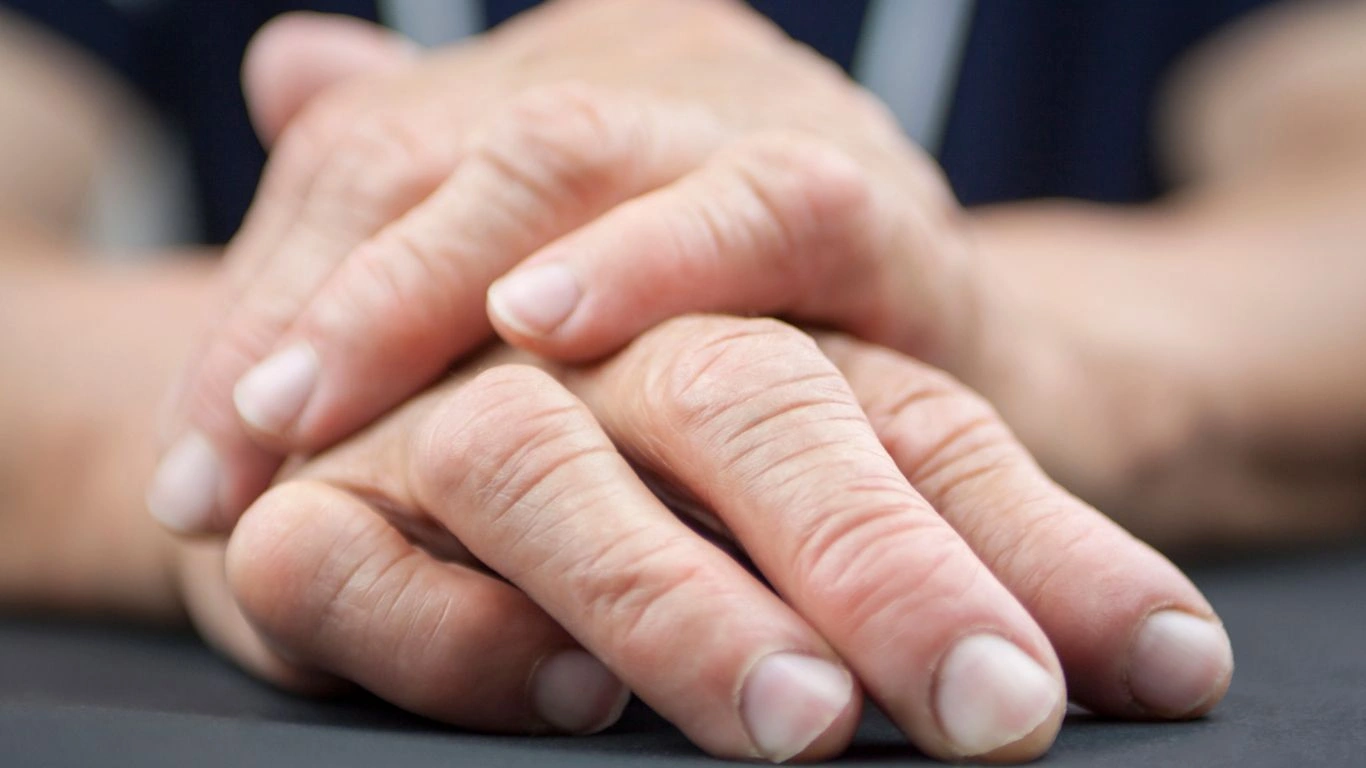
If you’re someone who loves a bit of pampering, there are complementary therapies that can offer relief from RA symptoms as well. One of the most popular—and for good reason—is massage therapy. It can ease tight muscles, improve circulation, and reduce pain. When combined with specific techniques designed to target affected areas, massage therapy can also promote relaxation and improve sleep, both of which are crucial for managing RA.
Massage Therapy: More Than Just a Relaxing Treat
Massage can be particularly beneficial for relieving muscle tension around inflamed joints. As part of a comprehensive treatment plan, massage helps improve blood flow, which can assist in reducing inflammation. But the benefits don’t stop there. For many RA patients, regular massage therapy can improve flexibility, reduce pain, and even promote a sense of well-being. I often suggest my patients work with a licensed massage therapist who is experienced in treating RA, as the wrong techniques could potentially worsen symptoms.
Some specific types of massage to consider include:
- Swedish Massage: This is a gentle technique that can promote relaxation and ease muscle tension.
- Deep Tissue Massage: Targeting deeper layers of muscle tissue, this can help relieve chronic muscle pain and tension around affected joints.
- Trigger Point Therapy: This focuses on releasing tight areas within muscle tissue that can refer pain to other parts of the body.
Aromatherapy: Soothing Scents for Stress and Pain
Aromatherapy, often used in conjunction with massage, can offer additional benefits for RA patients. Essential oils like lavender, peppermint, and eucalyptus have anti-inflammatory and pain-relieving properties. While aromatherapy isn’t a cure-all, it can certainly help alleviate some of the discomforts associated with RA, including pain, stress, and sleep disturbances.
Some ways to incorporate aromatherapy include using essential oils in a diffuser, adding them to bath water, or applying them topically in diluted form. I recommend starting with a few drops of lavender or chamomile oil to calm your nerves and ease tension before bed. It’s a simple but effective way to help your body and mind wind down after a long day of managing RA symptoms.
Hydrotherapy: The Healing Power of Water
Another non-drug treatment that I often suggest for RA patients is hydrotherapy. Hydrotherapy involves using water (whether in a pool, hot tub, or therapeutic bath) to alleviate pain and stiffness. The buoyancy of water can reduce joint stress while still allowing you to exercise. This makes it especially beneficial for those who experience joint pain or stiffness with regular weight-bearing exercises.
The Benefits of Hydrotherapy
One of the key benefits of hydrotherapy is that it allows for low-impact exercise without putting undue pressure on the joints. Whether you’re doing simple stretches in the water or engaging in more structured aquatic exercises, water offers resistance that can help strengthen muscles without the risk of injury. Additionally, warm water can soothe aching muscles and joints, while cold water can reduce inflammation and swelling.
In my experience, many patients find relief in warm water therapy, especially when they’re dealing with flare-ups. Pools with heated water can offer a calming, therapeutic environment where you can focus on stretching and moving without the added stress of gravity. Even something as simple as soaking in a warm bath at home can provide temporary relief for RA symptoms, helping to relax tight muscles and calm inflamed joints.
Case Studies & Real-Life Examples
One of the most fulfilling parts of working with RA patients is seeing the real-world impact of non-drug treatments. Over the years, I’ve worked with many individuals who have integrated some of the techniques I’ve mentioned—yoga, physical therapy, hydrotherapy, and even stress management practices—and seen tangible improvements in their quality of life. Let me share a couple of examples to illustrate just how powerful these non-drug treatments can be.
Case Study 1: Jane’s Journey with Yoga and Diet Changes
Jane, a 45-year-old woman living with RA for over 10 years, came to me struggling with flare-ups every few months. Her primary goal was to reduce her dependence on painkillers and get back to an active lifestyle. After discussing her treatment options, we decided to start with a combination of yoga and dietary changes. Jane started practicing gentle yoga three times a week, focusing on joint-friendly poses like Cat-Cow and Warrior. Along with this, she adopted an anti-inflammatory diet rich in omega-3 fatty acids, leafy greens, and whole grains.
After a few months, Jane’s pain levels had decreased significantly, and she noticed that her flare-ups became less frequent. She also reported feeling more energetic, with better sleep quality and a sense of mental calm. For Jane, yoga wasn’t just about physical movement—it was also about finding mental peace. This combination of yoga and diet gave her the holistic approach she needed to manage her RA in a way that felt sustainable.
Case Study 2: Mark’s Success with Hydrotherapy and Massage Therapy
Mark, a 60-year-old man, had been living with RA for over 15 years. His joints were heavily affected, especially his knees and hands, which made movement painful. He’d tried various medications but still struggled with mobility and chronic pain. After assessing his condition, we incorporated hydrotherapy into his routine. Twice a week, Mark started attending a water therapy class where he could exercise without stressing his joints.
We also introduced regular massage therapy as a way to relieve tension in his muscles and alleviate some of the stiffness in his joints. Within three months, Mark reported a remarkable improvement. His pain decreased, he was able to move with more ease, and he even regained some range of motion in his knees and hands. He found the warm water to be incredibly soothing, and the massage therapy helped improve his circulation and relax his muscles. Mark’s story is just one example of how non-drug treatments can complement traditional medicine and lead to real, lasting improvements.
Key Takeaways: What You Need to Remember
As we wrap up, here are the key takeaways that can help guide your approach to managing rheumatoid arthritis without relying solely on medications:
- Non-drug treatments are powerful allies: Yoga, physical therapy, diet changes, and stress management can significantly improve your quality of life by reducing pain, enhancing mobility, and lowering inflammation.
- Consistency is key: These treatments require time and effort, but the results are worth it. Whether it’s practicing yoga or sticking to an anti-inflammatory diet, regular commitment will help you see long-term benefits.
- Customize your treatment plan: Not all treatments work for everyone. It’s important to find what works best for your body, and sometimes that means a combination of therapies. Don’t be afraid to experiment and see what gives you the most relief.
- Support is vital: Working with healthcare professionals like physical therapists, nutritionists, or mental health counselors can help you develop a personalized, balanced treatment plan.
FAQs
Here are some frequently asked questions I often receive about non-drug treatments for rheumatoid arthritis:
1. How quickly can I see results from non-drug treatments?
It varies, but most people start seeing improvements in their symptoms within a few weeks to a few months. If you’re consistent with your routine, such as yoga, hydrotherapy, or dietary changes, you should notice gradual improvements in mobility, pain levels, and energy.
2. Can I replace medications entirely with these treatments?
Non-drug treatments are meant to complement—not replace—medications. They can significantly reduce symptoms, but in many cases, medication will still be necessary to control the underlying disease. Always discuss any changes to your treatment plan with your healthcare provider before making adjustments.
3. Are there any risks associated with these non-drug treatments?
In general, non-drug treatments like yoga, hydrotherapy, and massage are safe for most people. However, it’s important to modify exercises to fit your current level of ability. For example, certain yoga poses may need to be adjusted to avoid strain on inflamed joints. Always consult with your healthcare provider before trying something new, especially if you have other medical conditions.
Bonus: Additional Resources or DIY Tips
If you’re looking to dive deeper into managing rheumatoid arthritis with non-drug treatments, here are some additional resources and tips that you can start exploring today:
- Books: “Yoga for Arthritis” by Loren Fishman is a great resource for those looking to integrate yoga into their RA management.
- Online Classes: Many yoga platforms offer RA-specific yoga classes designed to be gentle on the joints. Check out platforms like Yoga Journal or YouTube for free videos.
- DIY Aromatherapy: Create your own essential oil blend using lavender, eucalyptus, and frankincense to help reduce stress and ease joint discomfort.
Appendix: Table, References, Disclaimer, and Call to Action
Disclaimer: The information in this article is not intended to replace medical advice. Always consult with a healthcare professional before starting any new treatment for rheumatoid arthritis.
For more information on managing rheumatoid arthritis, check out these trusted sources:
- Rheumatoid Arthritis Support Network
- Arthritis Foundation
- National Center for Biotechnology Information (NCBI) Article on RA
Ready to take the next step? Explore the non-drug treatments we’ve discussed today, and remember, consistency and patience are key to improving your RA symptoms. Your journey to better health starts with small, empowered steps, and I’m here to support you along the way.

Tarra Nugroho is a dedicated Nurse Practitioner with a strong foundation in family and preventive care. She brings both compassion and clinical expertise to her practice, focusing on patient-centered care and health education. As a contributor to Healthusias.com, Tarra translates medical knowledge into clear, empowering articles on topics like women’s health, chronic disease management, and lifestyle medicine. Her mission is simple: help people feel seen, heard, and informed—both in the clinic and through the content she creates. When she’s not caring for patients, Tarra enjoys weekend hikes, plant-based cooking, and curling up with a good health podcast.