Do Certain Antibiotics Cause Eye Floaters as a Side Effect?
I still remember the moment I first noticed them—tiny shadowy threads floating across my vision while reading a prescription label. At first, I thought it was just eye strain. But when the floaters didn’t go away after a few days, I started wondering if something else was going on. Turns out, I wasn’t alone. Many people report seeing floaters shortly after starting certain antibiotics, and if you’ve experienced this too, you’re not imagining things.
Understanding Eye Floaters: What Are They, Really?
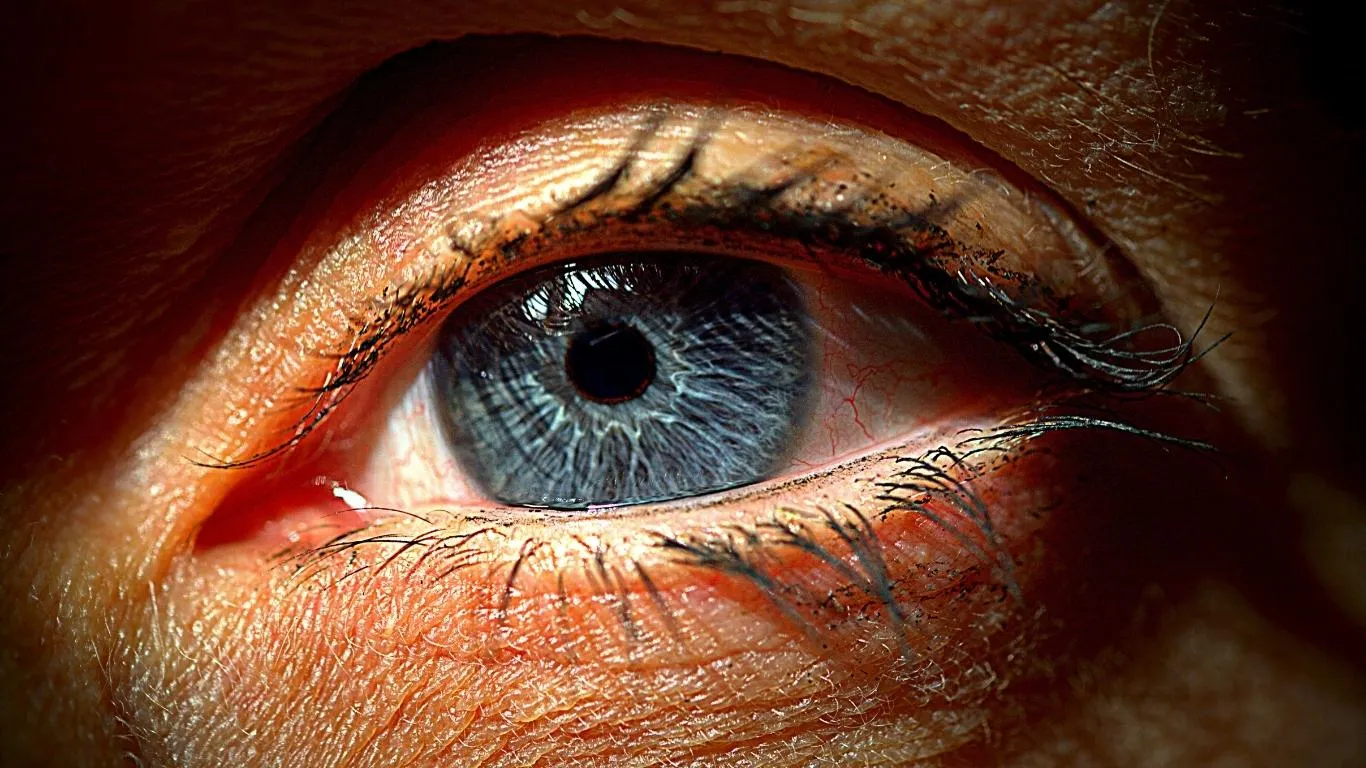
Floaters are those drifting spots, cobweb-like shapes, or squiggly lines that move across your visual field. They’re usually harmless and caused by changes in the vitreous humor—the gel-like substance inside your eyes. But when they show up suddenly or seem to worsen right after starting a medication, it’s hard not to wonder about a connection.
Can antibiotics be responsible for triggering these visual disturbances? The short answer is: in some cases, yes—though it’s a bit more complicated than that.
Can Antibiotics Really Trigger Floaters?

While not a common side effect listed on most antibiotic packaging, there are isolated reports of people experiencing floaters after starting a course of antibiotics. It’s still considered a rare reaction, but it’s gaining more attention in both anecdotal experiences and scattered medical observations.
Some classes of antibiotics have been mentioned more often than others in these discussions:
- Fluoroquinolones – Like ciprofloxacin and levofloxacin, these are known for more severe side effects, including tendon rupture and, in rare cases, neurological symptoms. A few users have noted visual disturbances like floaters while on these drugs.
- Macrolides – Such as azithromycin, have also been loosely associated with eye complaints, though evidence is limited.
- Tetracyclines – While often used for acne or infections, they can cause photosensitivity, which might worsen the perception of floaters under bright light.
To be clear, there’s no definitive clinical study proving a direct cause-and-effect link between antibiotics and floaters. However, the timing and sudden appearance in some cases are hard to ignore—especially when the symptoms vanish after the medication ends.
How Might Antibiotics Contribute to Floaters?

This is where it gets interesting. Floaters develop when the vitreous gel starts to liquefy or shrink, causing microscopic fibers to clump and cast shadows on the retina. But what could antibiotics have to do with that?
1. Inflammation Triggered by Medication
Some antibiotics—especially the stronger, broad-spectrum ones—can cause systemic inflammation as part of the body’s immune response. In rare cases, this inflammation may affect the eyes, disrupting the vitreous and potentially leading to floaters.
2. Neurotoxicity and Eye Nerve Sensitivity
Certain antibiotics like fluoroquinolones are known to cross the blood-brain barrier and, in rare scenarios, trigger neurological side effects. According to research published in the U.S. National Library of Medicine, fluoroquinolones may cause optic nerve stress or altered visual processing. This may not directly “cause” floaters but could intensify the awareness of existing ones.
3. Dehydration and Ocular Dryness
Antibiotics often disrupt the gut microbiome, and this can influence hydration and nutrient absorption. Dehydration, in turn, can lead to ocular dryness, changing the consistency of the vitreous humor, potentially increasing floaters or making existing ones more visible—especially in bright environments.
My Experience: Connecting the Dots

I was prescribed ciprofloxacin for a mild infection last year, and within two days, those translucent squiggles showed up in my peripheral vision. I brushed it off at first—maybe stress, maybe screens. But when they didn’t fade, I started searching online and came across forum after forum of people describing the exact same thing.
While it’s impossible to prove the antibiotic caused it in my case, the timing was too coincidental. Interestingly, when I stopped the medication, the floaters didn’t disappear completely, but they became less noticeable over time.
That led me down a rabbit hole of learning more about floaters and how they work—because let’s be honest, no one wants to live with ghostly shapes dancing in their line of sight indefinitely.
What Should You Do If You Notice Floaters After Taking Antibiotics?
First and foremost: don’t panic. Most eye floaters are harmless, especially if they come on gradually and aren’t accompanied by flashes of light, eye pain, or loss of vision. But if they show up suddenly after starting antibiotics, it’s worth taking note.
- Talk to your doctor – Describe your symptoms and the timeline of when they appeared. They may recommend switching medications if needed.
- See an eye specialist – A dilated eye exam can rule out serious causes like retinal detachment or hemorrhage.
- Stay hydrated – Especially if you’re on antibiotics, drinking more water may help reduce eye dryness and visual irritation.
While eye floaters are typically benign, sudden changes in your vision should never be ignored—regardless of the possible cause.
For a more detailed breakdown of floaters and how to distinguish them from more dangerous conditions, check out our in-depth article here.
Can Floaters After Antibiotics Be Permanent?
This is the big question most people have after experiencing antibiotic-related floaters: Will they go away? The honest answer is—it depends.
In many cases, especially when floaters are mild or caused by temporary changes like dehydration or ocular inflammation, they may become less noticeable over time. Your brain has a nifty way of learning to “tune them out.” For others, unfortunately, the floaters may stick around, especially if the underlying cause triggered actual changes in the vitreous gel.
What I’ve learned from my own floaters is that while they didn’t vanish completely, I became a lot less aware of them after a few months. Once the anxiety subsided, and I knew there was no immediate threat to my vision, they faded into the background of daily life.
Should You Avoid Certain Antibiotics If You’re Prone to Floaters?
If you’ve had floaters before—or if you’re particularly sensitive to medication side effects—it’s worth having a conversation with your doctor before starting an antibiotic course. Most of the time, your doctor will balance the benefits of treating the infection against the low risk of visual side effects. But if you’ve experienced floaters from a specific antibiotic in the past, let them know.
Here are a few tips you can discuss with your healthcare provider:
- Ask if a non-fluoroquinolone antibiotic could be just as effective for your condition
- Mention any history of visual disturbances—even if they seemed minor
- Request a shorter course or lowest effective dose, if medically appropriate
Also, trust your instincts. If something feels “off” in your vision—even slightly—it’s always better to speak up than to dismiss it.
Tips to Support Eye Health During and After Antibiotics
Antibiotics may be essential for clearing up infections, but they also come with trade-offs. Supporting your eye health while taking them can go a long way in preventing or minimizing issues like floaters.
1. Hydrate Like It’s Your Job
Seriously—fluids matter. Water helps maintain the volume and clarity of your vitreous gel. Especially during antibiotic use, staying hydrated may reduce eye dryness and floaters’ prominence.
2. Supplement Smartly (But Safely)
Consider adding antioxidant-rich foods or supplements that support eye health, such as:
- Lutein and zeaxanthin – found in leafy greens like kale and spinach
- Vitamin C – helps protect the eye’s connective tissue
- Zinc and Vitamin A – support overall retinal health
Always check with a healthcare provider before introducing new supplements, especially during antibiotic treatment.
3. Rest Your Eyes Regularly
If you’re staring at screens while taking antibiotics, your eyes are already working overtime. Practice the 20-20-20 rule: Every 20 minutes, look at something 20 feet away for at least 20 seconds. It gives your eyes time to rehydrate and reset.
When Are Floaters a Sign of Something More Serious?

Most floaters are harmless. But it’s important to recognize the red flags that require immediate medical attention. If you experience any of the following, head to an eye specialist—preferably the same day:
- Sudden shower of floaters—like dozens appearing at once
- Flashes of light—especially in your peripheral vision
- Dark curtain or shadow moving over your vision
- Blurred or distorted vision following floater onset
These symptoms could point to a retinal tear or detachment, which is a medical emergency. Although it’s rare, fluoroquinolone antibiotics have been linked to connective tissue problems, and this could theoretically extend to retinal complications in very rare scenarios [source].
Related Conditions Worth Knowing

Floaters can sometimes be confused with other eye conditions. If you’re not entirely sure that what you’re seeing are floaters, it’s worth exploring articles that compare floaters to similar eye problems, like flashes, halos, or even signs of eye infections.
To help you better understand the differences, visit our article on Eye Floaters vs. Other Eye Problems, where we break down key distinctions in plain language.
Bottom Line

While the link between antibiotics and eye floaters isn’t officially confirmed across the board, there’s enough real-world experience and clinical logic to suggest a possible connection in some cases. If you experience floaters after starting a new antibiotic, you’re not overreacting—you’re paying attention, and that’s exactly what your eyes need from you.
Remember, not all floaters are permanent, not all antibiotics are equal, and not all visual changes are “just in your head.” Being informed helps you take action early, ask the right questions, and protect your vision for the long haul.

Camellia Wulansari is a dedicated Medical Assistant at a local clinic and a passionate health writer at Healthusias.com. With years of hands-on experience in patient care and a deep interest in preventive medicine, she bridges the gap between clinical knowledge and accessible health information. Camellia specializes in writing about digestive health, chronic conditions like GERD and hypertension, respiratory issues, and autoimmune diseases, aiming to empower readers with practical, easy-to-understand insights. When she’s not assisting patients or writing, you’ll find her enjoying quiet mornings with coffee and a medical journal in hand—or jamming to her favorite metal band, Lamb of God.