Are Blood Thinners Responsible for Eye Floaters?
Last year, after starting a prescription blood thinner following a minor heart arrhythmia, I noticed a strange uptick in those drifting shapes in my vision — the classic “floaters.” At first, I brushed it off. Maybe it was stress or age, but the timing felt too coincidental. So I did what anyone with a curious streak and internet access would do: I dove deep into the world of anticoagulants and eye floaters. Turns out, the connection isn’t just anecdotal — there’s growing discussion in both medical literature and patient communities about it.
Can Anticoagulants Really Cause Eye Floaters?

First things first: eye floaters themselves are not a disease. They’re those squiggly or cobweb-like shadows you see drifting across your vision, typically caused by changes in the vitreous — the gel-like substance in your eye. As we age, the vitreous shrinks and pulls away from the retina, which often results in floaters.
Now, where do anticoagulants come into play? Blood thinners like warfarin, clopidogrel, and newer ones like apixaban or rivaroxaban don’t directly damage the vitreous. But they can increase your risk of minor bleeding in delicate eye tissues, especially if there’s already an underlying vulnerability. Even a small retinal bleed may be enough to trigger new floaters.
The Science So Far
There’s not a mountain of peer-reviewed studies yet, but case reports and ophthalmologist observations suggest a possible indirect link. According to research published in the Journal of Ophthalmology, patients on anticoagulants are more likely to develop ocular hemorrhages, which can manifest as sudden-onset floaters. Some of these hemorrhages may not affect central vision but still introduce blood cells or debris into the vitreous cavity — leading to visible floaters.
Why Floaters Appear Suddenly After Starting Anticoagulants

Several people, including myself, have noticed a burst of floaters within days or weeks of starting a blood thinner. The timeline raises questions. Here’s what could be happening:
- Micro-hemorrhages: Anticoagulants reduce the blood’s ability to clot. If tiny vessels in the retina or vitreous rupture — something that can happen spontaneously or with mild eye strain — they may bleed slightly into the eye.
- Age-related vitreous changes: If the vitreous is already thinning or detaching, blood thinners may exacerbate any minor bleeds caused by this natural process.
- Increased fragility of retinal vessels: In older adults or those with hypertension or diabetes, retinal vessels may be more vulnerable, compounding the effects of blood thinners.
Floaters caused by bleeding tend to be darker or more persistent than the typical age-related type. If you’ve suddenly developed new floaters after starting an anticoagulant, it’s wise to have your retina evaluated. In rare cases, floaters may signal a retinal tear or detachment.
Who’s at Greater Risk of Floaters While on Blood Thinners?

Not everyone who takes anticoagulants will see floaters, but certain individuals may be more prone:
- People over 60 (age-related vitreous degeneration)
- Those with diabetic or hypertensive retinopathy
- Patients with a history of ocular trauma or surgery
- Anyone with pre-existing retinal conditions like lattice degeneration
It’s not just blood thinners alone that create the issue. It’s often the combination of a fragile retina, an aging eye, and reduced clotting ability. That’s why a healthy 35-year-old on short-term anticoagulation may never notice anything unusual, while a 68-year-old with mild diabetic retinopathy could suddenly see dark specks drifting across their vision.
More about these underlying causes is well covered in our main article on eye floater causes.
What Should You Do If You See New Floaters on Blood Thinners?
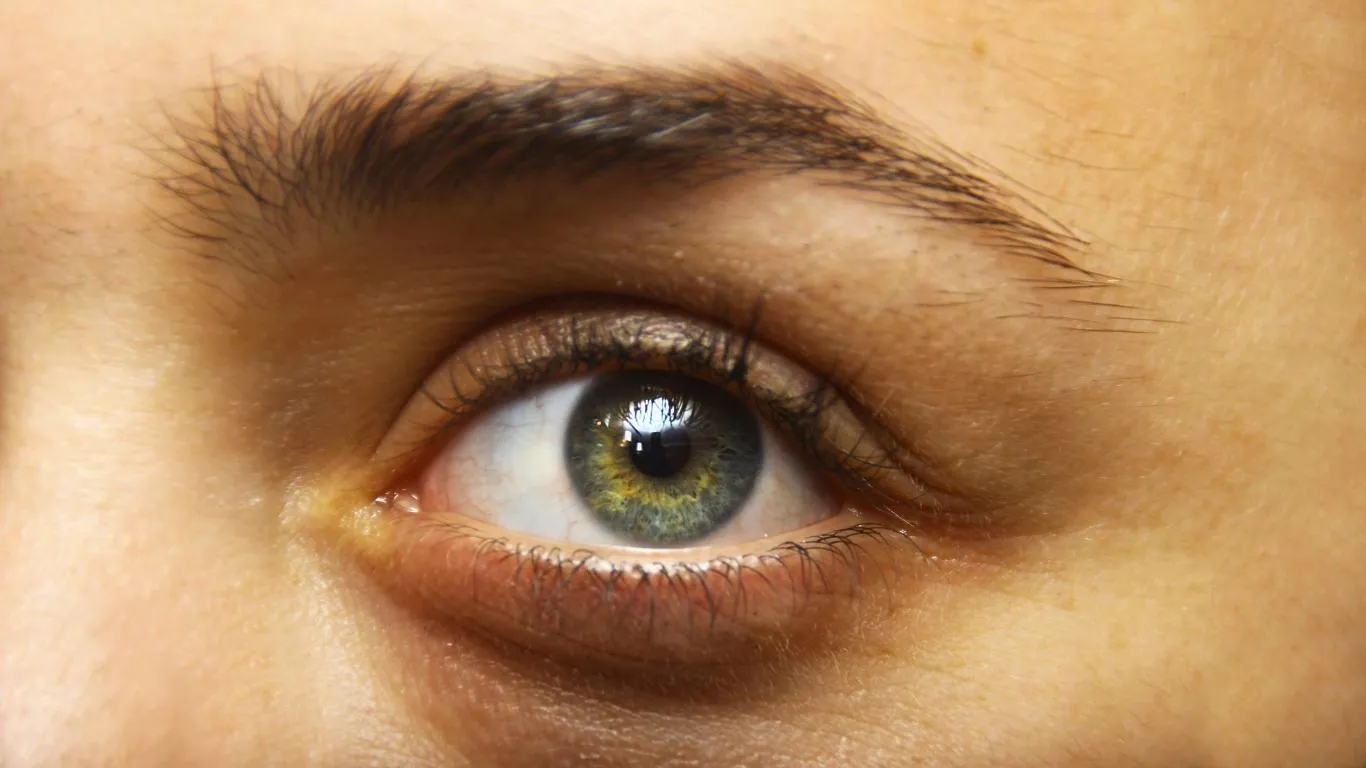
From personal experience, the first step is not to panic — but don’t ignore it either. Here’s a practical plan:
- See an ophthalmologist immediately — especially if floaters are sudden, numerous, or accompanied by light flashes.
- Mention your anticoagulant use upfront. Your eye doctor may perform a dilated retinal exam to rule out hemorrhages or tears.
- Monitor for worsening symptoms such as peripheral vision loss or a curtain-like shadow. These signs may indicate retinal detachment and require emergency care.
New floaters don’t always mean a major issue, but when you’re on medication that affects clotting, you can’t afford to assume it’s benign. In some cases, floaters may be the only warning sign of something more serious brewing in your eye.
For deeper insight into the different types of eye floater conditions and when they might signal more than just age-related changes, check our detailed guide on when floaters can be dangerous.
Related Conditions That May Interact with Anticoagulants

Floaters don’t exist in isolation. Sometimes, they show up alongside or due to other eye or systemic conditions. If you’re on blood thinners and also dealing with:
- diabetes-related eye changes
- hypertension affecting retinal vessels
- lattice degeneration or retinal thinning
— then you may be more susceptible to floater development when taking anticoagulants. These links are often overlooked in general medical checkups, so it helps to advocate for a retinal screening if you fall into any of these categories.
Stay tuned for more insights into managing anticoagulant floaters and whether they resolve, worsen, or require treatment — especially when bleeding is involved.
Can Floaters from Blood Thinners Go Away?
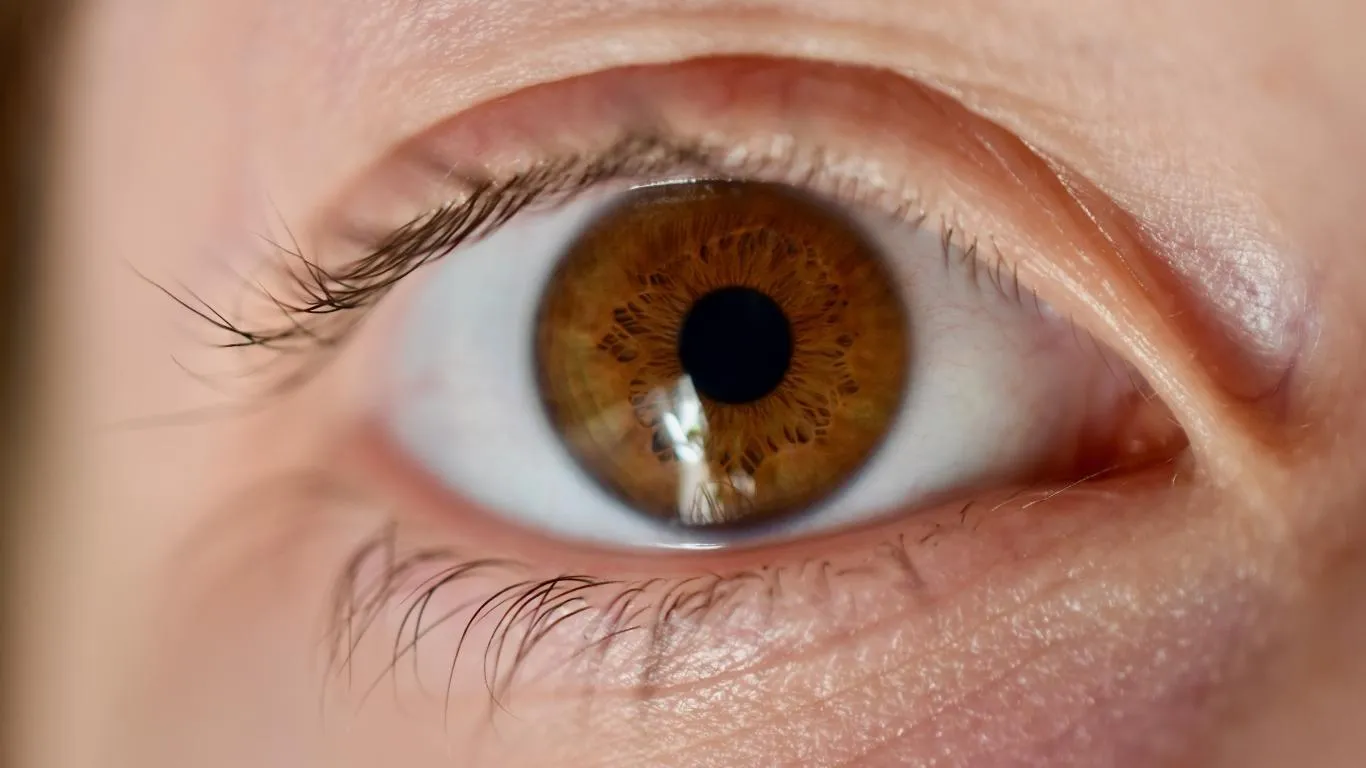
This was the question that haunted me most. After those first few weeks of seeing odd shadowy specks, I kept wondering — are they permanent? Do floaters linked to anticoagulant use fade away like bruises do on your skin?
Well, yes and no. If floaters are caused by a minor hemorrhage that resolves on its own, many patients do report that the floaters shrink, fade, or become less noticeable over time. The blood or debris is gradually reabsorbed into the vitreous. This process can take weeks or even a few months, depending on the amount of material and your overall eye health.
However, some floaters — especially those triggered by age-related vitreous changes or retinal degeneration — may linger or become a permanent part of your visual field. The good news is, the brain has an incredible ability to adapt and “tune out” these floaters over time. I stopped noticing mine after about three months unless I looked at a blank white screen or bright sky.
For persistent or particularly bothersome floaters, there are treatment options — but they aren’t typically first-line if you’re on blood thinners.
Is Treatment an Option If You’re on Anticoagulants?

Let’s talk about the most common medical treatments for floaters:
- Observation – This is the most common approach, especially for floaters caused by medication-related bleeding. Doctors prefer to wait and monitor.
- Laser vitreolysis – A non-invasive laser procedure that vaporizes floaters. However, it’s generally not recommended for those with recent bleeding or fragile retinas.
- Vitrectomy – A surgical removal of the vitreous gel, replacing it with a saline solution. It’s a last resort due to risks like retinal detachment and infection — and it’s rarely performed on patients taking blood thinners.
Because anticoagulants increase bleeding risk, any procedure involving the eye requires careful risk-benefit analysis. You may be asked to pause your medication under supervision, but that comes with its own risks — especially if you’re using anticoagulants for stroke prevention or atrial fibrillation.
If floaters are causing major vision disruption, your eye doctor might refer you to a retina specialist to evaluate whether surgery or laser treatment is safe in your situation. It all depends on the size, density, and cause of the floaters — and your systemic health.
When to Be Concerned — Warning Signs You Shouldn’t Ignore
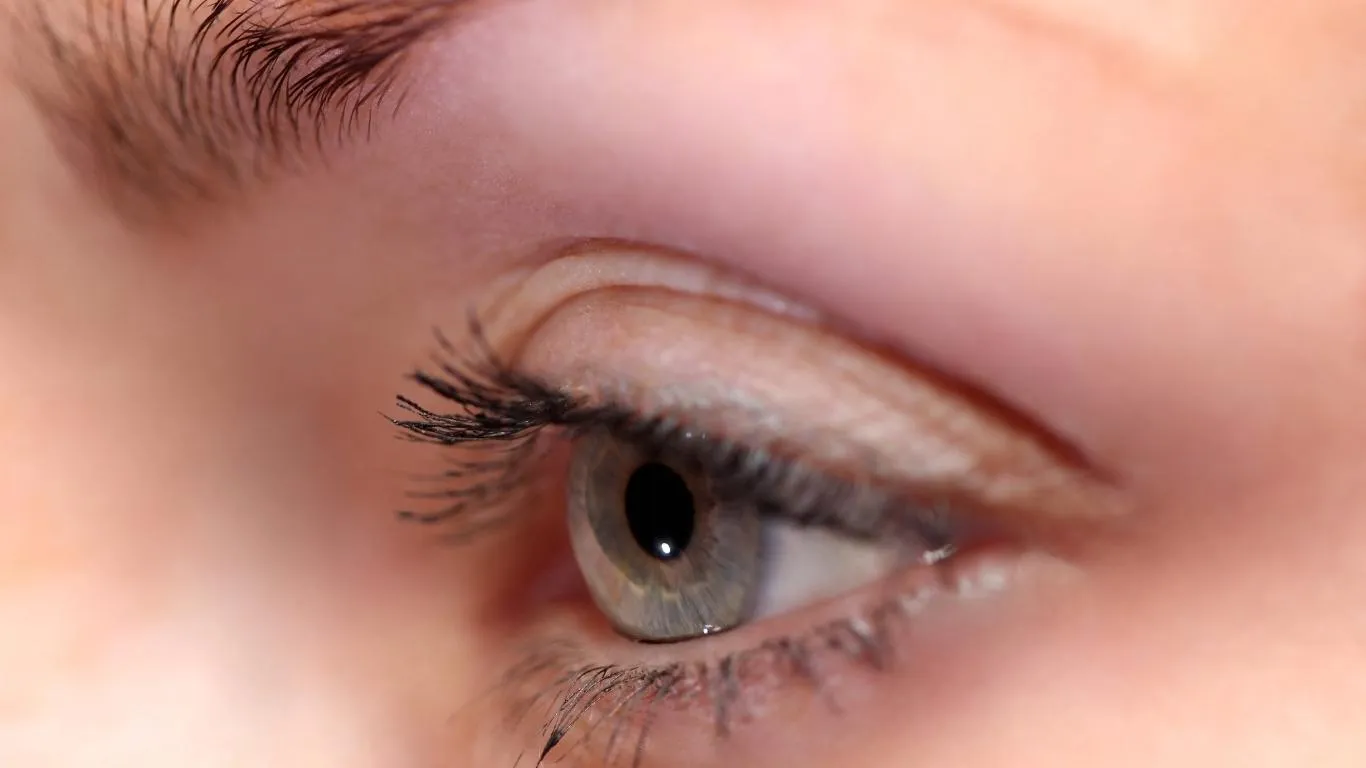
There’s a crucial difference between annoying floaters and floaters that are a medical emergency. Since blood thinners make you more prone to bleeding, it’s vital to know when floaters might mean something more serious.
Seek urgent care if you notice:
- A sudden shower of floaters, like black dots or strands flooding your vision
- Flashes of light, especially in the side of your vision
- A dark curtain-like shadow creeping across your field of view
- Blurry or reduced central vision
These symptoms may suggest retinal detachment or hemorrhage, and when combined with anticoagulant use, the likelihood of worsening increases. This is one area where acting fast — even if it turns out to be nothing — can save your sight.
How I Manage Floaters While Staying on Blood Thinners

Personally, I’m still on my prescribed anticoagulant. The floaters haven’t gone away completely, but they’ve stopped being a daily nuisance. Here’s what’s helped me — and what eye specialists recommend:
- Routine eye exams: I go every 6 months now. My ophthalmologist keeps a close eye on retinal health.
- Protective eyewear: Especially during activities where eye trauma is possible (like DIY home repairs).
- Hydration and sleep: Seems basic, but dehydration and eye fatigue make floaters more noticeable.
- Limiting eye strain: I use blue-light filters and follow the 20-20-20 rule when working at a screen.
- Omega-3 and lutein supplements: While not a cure, there’s evidence they support general eye health (AAO Source).
Of course, always consult your doctor before starting supplements, especially if you’re already on medications like warfarin that interact with vitamin K and other nutrients.
Should You Talk to Your Cardiologist or Eye Doctor First?

This part is important. Don’t just assume your eye doctor or cardiologist knows what the other is prescribing or observing. I’ve had to bridge that communication gap myself — and it matters.
Eye specialists focus on localized symptoms. Cardiologists focus on clot prevention. But you’re the one living in between. If you notice visual changes and are on anticoagulants, you need both providers on the same page. A coordinated care approach ensures any necessary medication adjustments are made safely and without jeopardizing your heart or vision health.
More Eye Floater Triggers to Be Aware Of
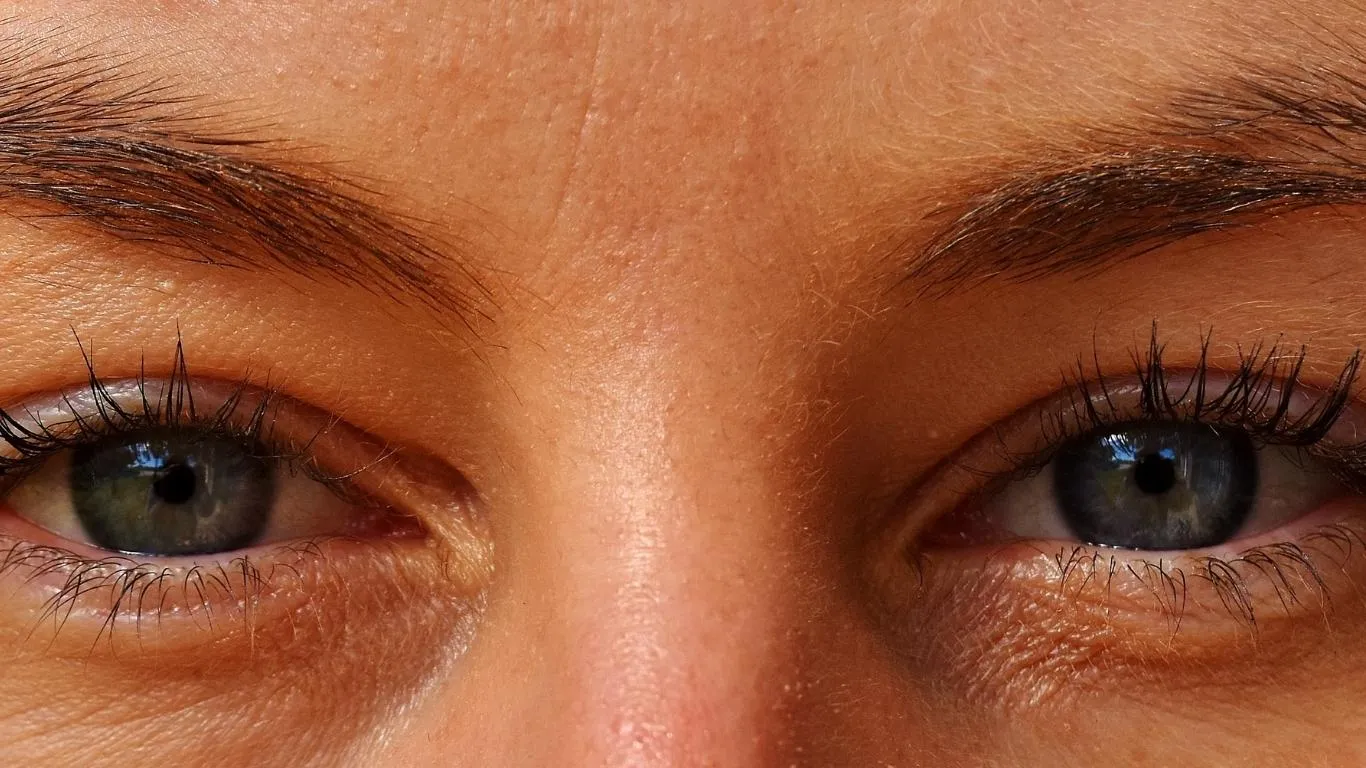
If you’re still unsure whether your floaters are strictly from blood thinners, it’s worth exploring other potential triggers. You may find some overlap with:
- post-cataract surgery changes
- LASIK or refractive surgery complications
- hereditary vitreous abnormalities
- chronic stress or eye strain
Understanding your full risk profile can help you make better choices about monitoring and treatment. If you’re managing multiple eye stressors while on anticoagulants, you’re in a unique situation that deserves specialized care — and proactive awareness.
For a comprehensive overview of how eye floaters are diagnosed, categorized, and treated — including natural and clinical options — refer to our complete resource: Eye Floater Treatments: From Observation to Surgery.

Camellia Wulansari is a dedicated Medical Assistant at a local clinic and a passionate health writer at Healthusias.com. With years of hands-on experience in patient care and a deep interest in preventive medicine, she bridges the gap between clinical knowledge and accessible health information. Camellia specializes in writing about digestive health, chronic conditions like GERD and hypertension, respiratory issues, and autoimmune diseases, aiming to empower readers with practical, easy-to-understand insights. When she’s not assisting patients or writing, you’ll find her enjoying quiet mornings with coffee and a medical journal in hand—or jamming to her favorite metal band, Lamb of God.