Is There a Link Between Antidepressants and Floaters?
Not too long ago, I started noticing odd little squiggles drifting through my line of sight—like shadows that refused to stay still. I blinked, rubbed my eyes, even changed my glasses, but nothing helped. Eventually, I stumbled upon the term “eye floaters.” Coincidentally, this all started not long after my doctor adjusted my antidepressant medication. So, naturally, I began to wonder: Could my antidepressants be causing these floaters? Turns out, I’m not the only one asking that question.
What Exactly Are Eye Floaters?

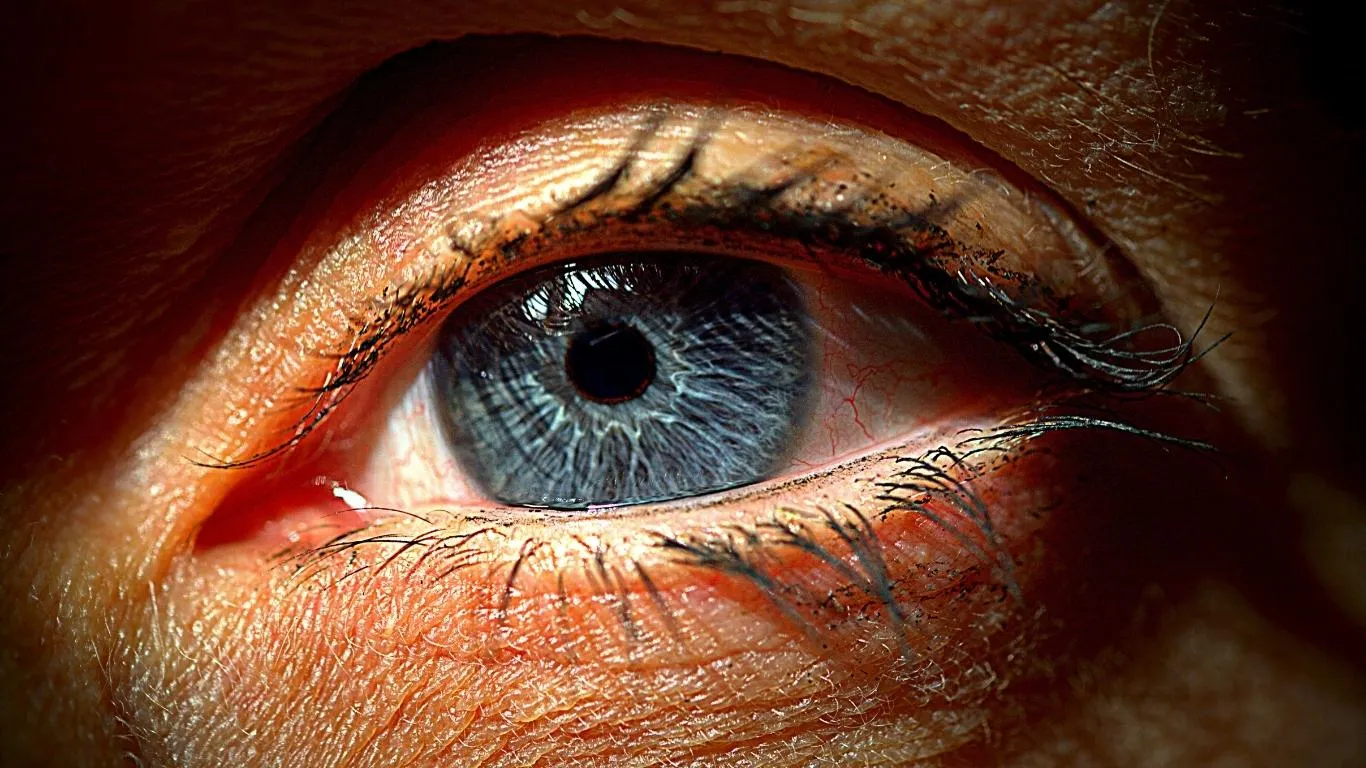
Eye floaters are those tiny shapes—dots, threads, cobweb-like forms—that drift across your field of vision. They’re more noticeable when you look at a bright sky or a plain white wall. Medically, they’re little clumps of protein or collagen that cast shadows on your retina. As alarming as they may seem, most floaters are harmless and tend to come with age.
But for some of us, especially if they pop up suddenly or in clusters, they can be concerning—and disruptive. They might even indicate something more serious, like retinal detachment. But what about when these floaters start appearing after medication changes? Specifically, antidepressants?
Could Antidepressants Be the Culprit?
The short answer: Maybe. While there’s no definitive yes or no, mounting anecdotal evidence—and a few clinical theories—suggest a potential link between antidepressants and floaters. Let’s break it down.
How Antidepressants Affect the Eyes
Most antidepressants—particularly SSRIs (Selective Serotonin Reuptake Inhibitors)—affect serotonin levels throughout the body, not just in the brain. Since serotonin receptors are also found in the eyes, altering serotonin activity could theoretically influence intraocular pressure or cause subtle changes in the vitreous (the gel-like substance inside your eye). These changes might trigger or worsen floaters.
- Dry Eyes: A common side effect of SSRIs, which can indirectly affect visual clarity.
- Visual Disturbances: Some users report blurred vision or halos, sometimes coupled with floaters.
- Vitreous Syneresis: The thinning or liquefying of the vitreous humor—a process that can be accelerated by systemic changes caused by medication.
According to research published in the Journal of Ophthalmic & Vision Research, certain medications, including SSRIs, have been associated with posterior vitreous detachment (PVD)—a major cause of floaters.
Real Experiences: You’re Not Alone
When I started poking around online forums and health communities, I was surprised by how many people shared similar experiences. Stories like:
- “I started Prozac a few months ago and now see floaters every time I look at the sky.”
- “After switching to Lexapro, my floaters increased tenfold. My optometrist didn’t see anything wrong.”
- “Zoloft helped my mood but left me paranoid about the new specks in my vision.”
Of course, personal anecdotes aren’t hard science—but when enough people report the same thing, it’s worth a closer look.
Who’s Most at Risk?
Floaters can affect anyone, but certain individuals may be more vulnerable if they’re also taking antidepressants. Risk factors include:
- Age over 40: Natural vitreous degeneration becomes more common with age.
- High myopia (nearsightedness): Thinner retinas make you more prone to floaters and retinal issues.
- Recent eye surgeries: Such as LASIK or cataract procedures, which already destabilize the vitreous.
- Chronic medication use: Especially those impacting serotonin or hormone levels.
Those with pre-existing eye conditions or family history should be particularly cautious. There’s even some indication from genetic research that floaters can run in families.
What Do the Experts Say?
Here’s the tricky part: most ophthalmologists won’t outright link antidepressants to floaters, mostly due to lack of controlled studies. However, many are starting to acknowledge that medication-induced vitreous changes are plausible. Dr. Barry Seemore (yes, real name!) from the Eye Wellness Institute noted in an AAO article that any medication altering the body’s biochemistry could have unintended ocular side effects.
It’s a gray area. Most floaters are chalked up to aging or stress. But when they appear suddenly, especially after starting a new med, it’s worth discussing with both your eye specialist and prescribing doctor.
When Should You Worry?
Here’s where things get serious. While most floaters are benign, certain symptoms mean it’s time to seek help ASAP:
- A sudden shower of floaters, like a snow globe effect
- Flashes of light, especially at the edges of vision
- Loss of peripheral vision
- A curtain-like shadow moving across your field of sight
These could signal a retinal tear or detachment, which is a medical emergency. If you’re on antidepressants and notice any of the above, don’t delay. Floaters aren’t something to ignore when they change dramatically overnight.
To learn more about identifying red flags with floaters, this guide on dangerous signs of eye floaters gives a professional breakdown of what’s normal and what’s not.
If you’re new to the world of floaters and want the full lowdown—causes, symptoms, treatments, and more—don’t miss our complete guide: What Are Eye Floaters?
So What Can You Actually Do About Floaters?
If you’re seeing floaters after starting antidepressants—or they’re just becoming a major annoyance—you’re probably wondering what your options are. I’ve been there. You can’t exactly swat them away, and ignoring them only works until you’re in bright lighting or scrolling your phone on a white screen. So what now?
Option 1: Wait and Watch
Most of the time, floaters are harmless and fade or become less noticeable with time. This is the standard advice from eye doctors—and in many cases, it works. The brain is pretty good at tuning them out over time. I noticed that after a few months, mine seemed to “settle down” a bit, especially when I wasn’t hyper-fixating on them (easier said than done, I know).
Option 2: Talk to Your Doctor About Med Changes
If your floaters started right after beginning or switching antidepressants, it’s worth bringing up. Don’t just stop taking your meds—ever—without guidance. But let your psychiatrist or GP know what’s going on. They may:
- Adjust your dosage
- Switch to a different class of antidepressants (e.g., SNRIs, atypicals)
- Supplement with something to reduce side effects (like omega-3s or eye-friendly nutrients)
Some patients have found that floaters reduced or even disappeared after changing medications. Not guaranteed, of course, but worth a conversation.
Are There Treatments for Floaters Themselves?
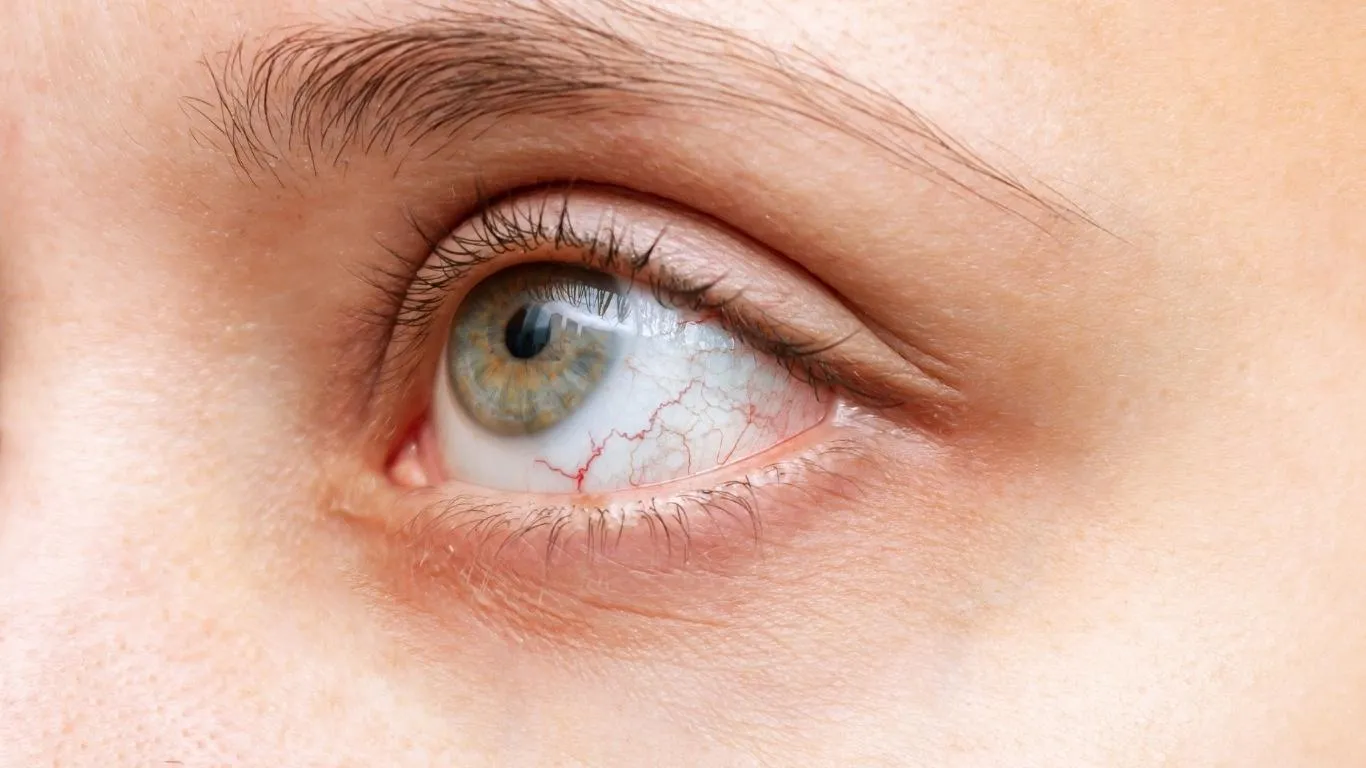
Floaters can be stubborn. If they’re seriously affecting your quality of life—interfering with reading, driving, or just peace of mind—there are a few treatment options available.
Laser Vitreolysis
This is a non-invasive outpatient procedure where a laser breaks up floaters in the vitreous. It’s best suited for larger, well-defined floaters away from the retina. Not every doctor offers it, and not every floater type qualifies, but it’s worth asking about.
Vitrectomy
This is more invasive: it involves surgically removing the vitreous gel entirely and replacing it with a saline solution. While highly effective at removing floaters, it comes with serious risks like retinal detachment or infection. It’s usually reserved for severe, persistent cases that don’t respond to anything else.
This treatment guide for floaters gives a great breakdown of the pros and cons of each option.
Could Nutrition or Lifestyle Changes Help?
Surprisingly, yes. While you can’t “cure” floaters with food, improving your overall eye health can make a difference—especially if your floaters are worsening due to oxidative stress, inflammation, or poor circulation (all of which can be affected by medications, too).
Helpful Supplements and Foods
- Omega-3 fatty acids: Reduce inflammation and improve tear production
- Lutein and zeaxanthin: Found in leafy greens; support retinal health
- Vitamin C and E: Antioxidants that may slow vitreous degeneration
- Hydration: Dehydration has been linked to worsened floaters—here’s why
I personally started taking a vision support supplement after talking to my optometrist. Within a few weeks, the floaters didn’t disappear, but they definitely became less intrusive—whether from the supplement or placebo effect, who knows. Either way, I’ll take it.
Alternative Antidepressants: Are Some Safer Than Others?
There’s no official “floaters-safe” list of antidepressants, but here’s what’s commonly observed in anecdotal experiences and some early clinical observations:
- SSRIs (like Zoloft, Prozac): Most commonly reported in relation to visual changes
- SNRIs (like Effexor, Cymbalta): Some users report fewer visual side effects
- Bupropion (Wellbutrin): Not typically associated with floaters, but can cause dry eyes or light sensitivity
- Tricyclics: Rarely used now, but visual side effects have been documented
Again, everyone reacts differently. The most important thing is to track your symptoms and communicate regularly with your healthcare team. Keep a journal if needed—it can help identify patterns between medication changes and visual symptoms.
Tips to Cope with Floaters in Everyday Life
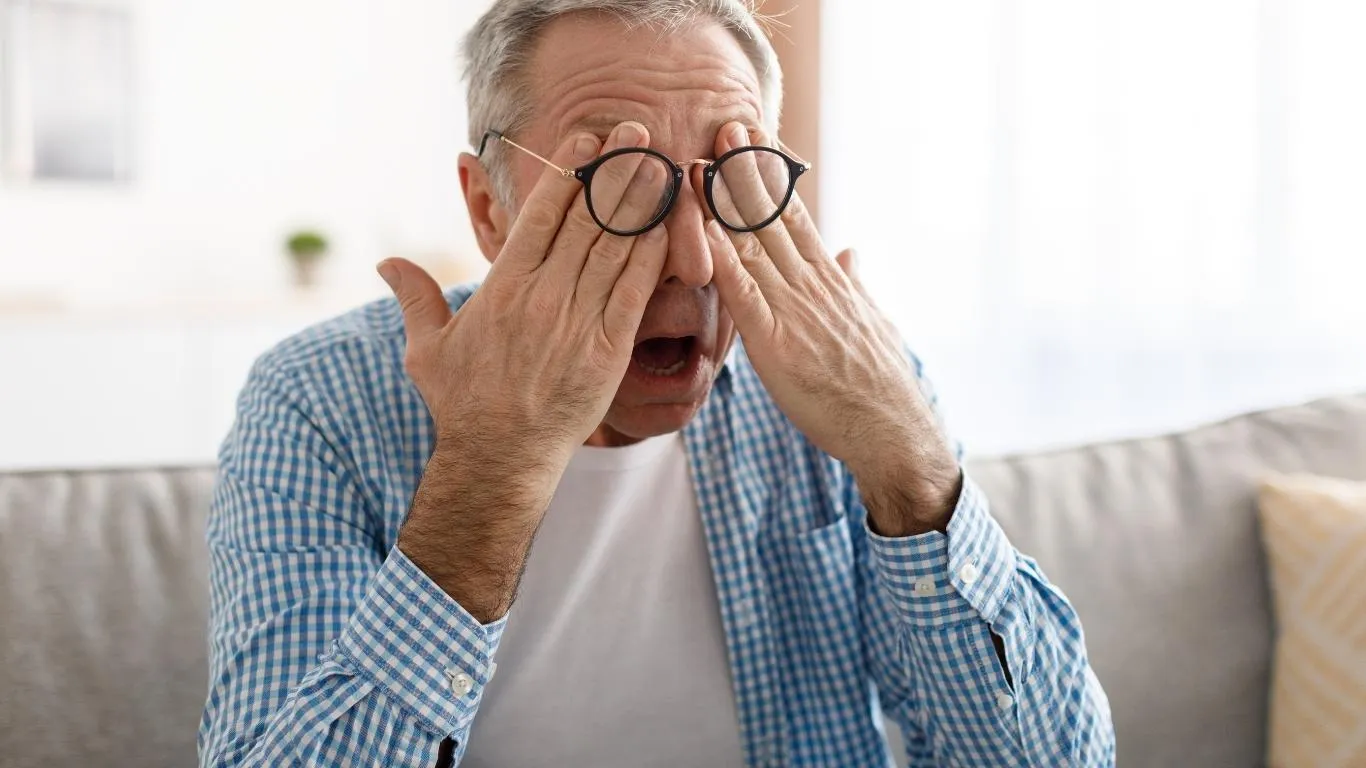
If you’re dealing with floaters long-term, managing your environment and habits can make a big difference in how much they impact your daily life.
- Dim your screen brightness: Helps reduce the contrast that makes floaters pop
- Use tinted glasses: Especially in bright outdoor light
- Try eye yoga or rolling exercises: Some people swear this helps reposition floaters
- Practice mindfulness: Stress (often treated by antidepressants) can make floaters seem worse; calm your body, calm your eyes
I’ve found that morning walks—ironically, under the bright sky—help more than anything. At first, the floaters were super obvious. But over time, I noticed them less. Maybe it’s adaptation, maybe it’s perspective, but it helps.
Should You Be Worried Long-Term?
If your floaters aren’t growing in number or accompanied by flashes, pain, or vision loss, it’s usually not a crisis. That said, the fact that more and more people are linking antidepressants and floaters deserves more clinical attention. In the meantime, you can take proactive steps to protect your vision and mental health together.
If you haven’t already, take a moment to read this essential article on natural ways to manage floaters. It combines research-backed insights with practical everyday strategies you can start today.
Whether you’re managing your mental health, your vision—or both—it’s about balance, information, and self-advocacy. You deserve to see clearly and feel well. With the right conversations and tools, it’s possible to manage both.

Camellia Wulansari is a dedicated Medical Assistant at a local clinic and a passionate health writer at Healthusias.com. With years of hands-on experience in patient care and a deep interest in preventive medicine, she bridges the gap between clinical knowledge and accessible health information. Camellia specializes in writing about digestive health, chronic conditions like GERD and hypertension, respiratory issues, and autoimmune diseases, aiming to empower readers with practical, easy-to-understand insights. When she’s not assisting patients or writing, you’ll find her enjoying quiet mornings with coffee and a medical journal in hand—or jamming to her favorite metal band, Lamb of God.