Why Floaters After Anesthesia Might Happen and What to Do About It
It caught me off guard the first time. I woke up from a minor outpatient procedure—nothing serious, just some general anesthesia—and there they were: those weird squiggly shadows floating around in my vision. I remember blinking rapidly, rubbing my eyes, even tilting my head, hoping they’d vanish. They didn’t. If you’ve experienced floaters after anesthesia, you’re definitely not imagining things, and you’re not alone.
What Are Eye Floaters, Anyway?

Let’s start with the basics—eye floaters are tiny specks, threads, or cobweb-like shapes that drift across your field of vision. They’re usually most noticeable when you’re staring at a bright background like the sky or a white wall. Most of the time, they’re caused by age-related changes in the vitreous, the gel-like substance inside your eye.
As we age, this gel begins to shrink and liquefy, pulling away from the retina and forming clumps or strands. Those clumps cast shadows on your retina, and voilà—floaters. This is common, especially if you’re over 50. But when floaters suddenly appear after general anesthesia, it’s natural to wonder if there’s a connection.
Floaters After Anesthesia: Coincidence or Causal?
First things first—there’s currently no solid evidence that anesthesia directly causes floaters. However, it might play a role in creating the right conditions for them to appear or become more noticeable. Several factors come into play here:
1. Dehydration from Pre-Op Fasting
Before surgery, you’re usually told not to eat or drink for several hours. That fasting can lead to mild dehydration, which affects the vitreous gel. Less hydration can reduce the volume of that gel, potentially making existing floaters more prominent—or, in some cases, triggering new ones.
2. Anesthesia and Blood Pressure Fluctuations
During general anesthesia, your blood pressure can drop or fluctuate. Sudden changes in intraocular pressure or blood flow to the eye might disturb the vitreous or retina. This doesn’t always result in floaters, but in sensitive eyes—or aging ones—it could be a factor.
3. Lying Flat for Extended Periods
Here’s a simple one people often overlook: lying flat for an extended time, especially under sedation, can cause shifts in your vitreous humor. That positional change might explain why some people wake up noticing floaters that weren’t there before.
My Experience: What I Noticed After Waking Up
Personally, I never had floaters before my surgery—or at least I didn’t notice them. Post-op, I had this semi-transparent worm-like strand drifting in and out of my right eye. At first, I thought it was due to grogginess, but after two days, it was still there. It took about a week to start fading, but it never completely went away.
I found out through research and talking to my eye doctor that these kinds of floaters are often harmless. But still—it’s unsettling. The good news? In many cases, they diminish in intensity over time. And knowing more about what causes them helped ease the anxiety.
Are There Any Risks or Red Flags?
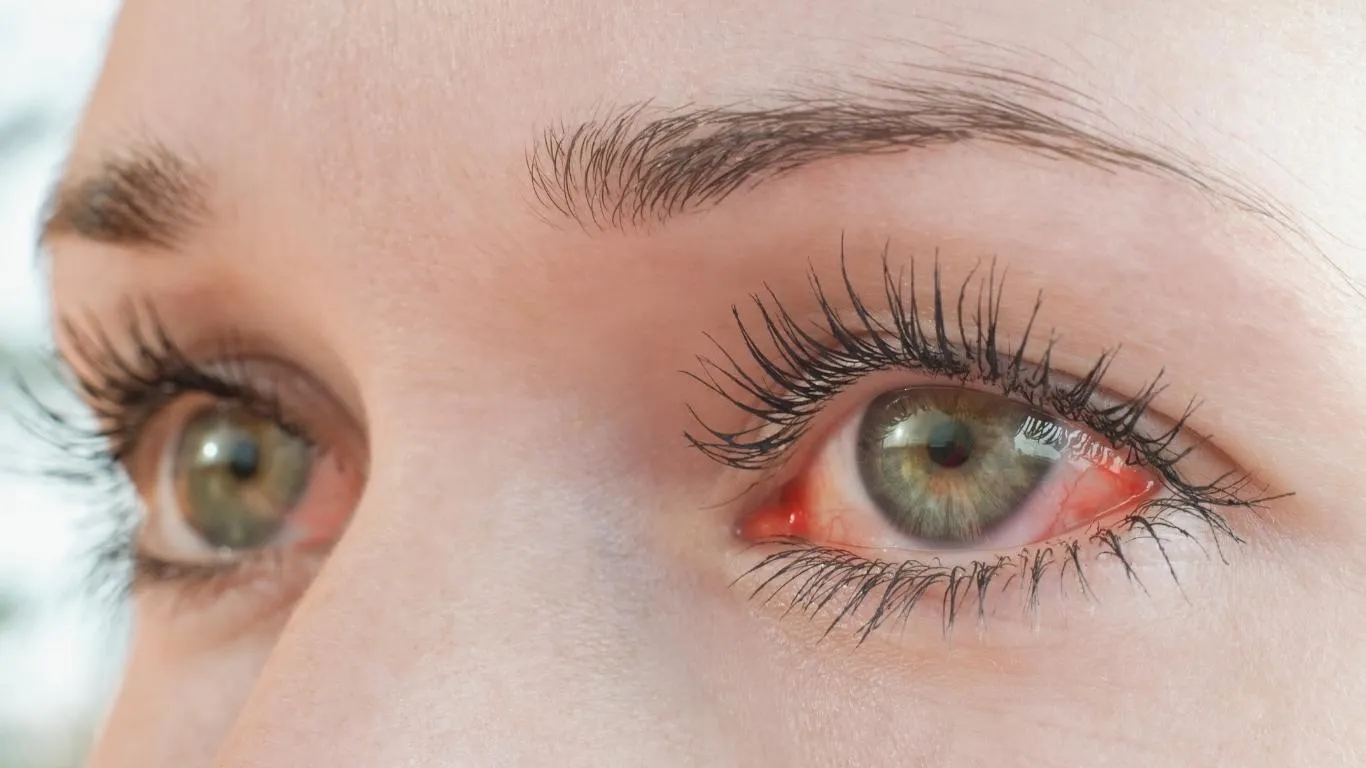
Floaters after anesthesia may be benign, but they can also signal something more serious—especially if accompanied by flashes of light or a sudden shower of floaters. These could indicate retinal detachment, which requires immediate medical attention.
- Sudden increase in floaters
- Flashing lights in your vision
- A curtain-like shadow over your field of view
If any of that happens, don’t wait. Call an eye doctor ASAP. Most floaters are nothing to worry about, but it’s always better to err on the side of caution.
Who’s More Likely to See Floaters Post-Anesthesia?
Not everyone will notice floaters after anesthesia. But certain groups seem more susceptible:
- Older adults: Aging eyes already have degenerating vitreous gel, so anesthesia-related changes can make floaters more visible.
- People with nearsightedness (myopia): Their elongated eyeballs increase the risk of vitreous detachment.
- Those with a history of eye issues or surgery: Prior trauma to the eye can weaken the vitreous-retina connection.
- Patients with high blood pressure or diabetes: Both can affect retinal health and fluid balance in the eye.
In fact, conditions like diabetes-related eye damage can increase vulnerability to floaters. For some, anesthesia might simply be the final nudge that brings them to the surface.
When to Just Observe—and When to Act
Most floaters are annoying, but not dangerous. If your vision isn’t impaired, and the floaters are stable or fading, the typical advice is to observe and adapt. Over time, the brain adjusts, and you’ll notice them less.
But if floaters increase suddenly, especially after general anesthesia, don’t dismiss it. Rule out retinal issues with a professional exam. This is especially true if you’re in a higher-risk group. There’s no harm in checking—and it might give you peace of mind.
To dive deeper into the causes and treatments of floaters, this comprehensive guide on what causes eye floaters and how they’re treated offers medically reviewed insights that helped me personally understand what I was dealing with.
Can Anything Help Reduce Floaters After Anesthesia?
Here’s the part most people really want to know—can you do anything about floaters after general anesthesia? While there’s no miracle cure that makes them disappear overnight, a few strategies might help reduce their visibility or prevent them from getting worse.
1. Stay Hydrated
Sounds simple, but dehydration is one of the easiest ways to make floaters worse. After surgery, especially if you’ve fasted or been on IV fluids, your body (and eyes) can feel drained. Drink water. Lots of it. Your vitreous needs hydration to maintain its structure, and staying hydrated may prevent more floaters from forming.
2. Protect Your Eyes from Strain
Screen time, bright lights, and poor sleep post-op can exacerbate how much you notice floaters. Try:
- Lowering screen brightness
- Taking frequent eye breaks (20-20-20 rule)
- Wearing blue light filtering glasses if you’re often on devices
Also, don’t underestimate the impact of sleep. Your brain processes visual input differently when it’s rested—and your perception of floaters may actually improve with better sleep.
3. Consider Nutritional Support
While there’s no conclusive proof, some eye care professionals suggest certain nutrients may help maintain vitreous health:
- Vitamin C: Supports collagen, which makes up the vitreous
- Lutein and zeaxanthin: Good for overall eye health
- Zinc and Omega-3s: May help reduce oxidative stress
Of course, always check with your doctor before starting supplements—especially after surgery.
Can Floaters After Anesthesia Be Treated?
In most cases, treatment isn’t necessary. But if floaters become severe or disruptive, there are medical options. One of the most common is laser vitreolysis, which uses targeted laser pulses to break up the floaters.
Another option, though more invasive, is a vitrectomy—surgically removing the vitreous gel and replacing it with a saline-like solution. It’s generally reserved for extreme cases where floaters interfere with daily life.
It’s worth mentioning that many ophthalmologists still prefer a “watchful waiting” approach unless floaters are seriously affecting your vision. I actually considered laser treatment at one point, but after about three months, the floater that once haunted my peripheral vision faded enough that I didn’t feel the need anymore.
How Long Do Floaters Last After Anesthesia?
This depends on what caused them and how your body reacts. In many cases, they become less noticeable over a few weeks to months. Your brain learns to filter them out, a process known as neuroadaptation. That said, some floaters stick around long-term, especially if they’re caused by age-related vitreous detachment.
In my case, the initial floater became barely noticeable after about six weeks. I still catch a faint shadow now and then on a bright day, but it’s not even close to the distraction it once was.
Preventing Floaters in the Future
While you can’t always stop floaters from forming—especially if they’re age-related—there are some things you can do to protect your eye health and potentially reduce the risk of floaters flaring up again:
- Maintain regular eye checkups, especially after any surgery or procedure involving anesthesia.
- Stay hydrated and eat a balanced, antioxidant-rich diet.
- Protect your eyes from trauma and UV light by wearing sunglasses.
- Manage blood sugar and blood pressure—two major culprits in eye health decline.
- Don’t ignore early signs of eye changes. The earlier you catch a vitreous issue or retinal shift, the better.
Floaters might be part of the package deal when it comes to getting older—or recovering from something as simple as general anesthesia. But with awareness and care, they don’t have to take over your life.
For more on what causes eye floaters and how to manage them naturally or medically, check out this in-depth guide on eye floater treatment options.
If you’re seeing floaters after surgery and aren’t sure whether it’s normal or not, the American Academy of Ophthalmology offers helpful medical insights you can trust. And if you have underlying health conditions like high blood pressure, consider how those may be contributing by reading this article on floaters and blood pressure.

Camellia Wulansari is a dedicated Medical Assistant at a local clinic and a passionate health writer at Healthusias.com. With years of hands-on experience in patient care and a deep interest in preventive medicine, she bridges the gap between clinical knowledge and accessible health information. Camellia specializes in writing about digestive health, chronic conditions like GERD and hypertension, respiratory issues, and autoimmune diseases, aiming to empower readers with practical, easy-to-understand insights. When she’s not assisting patients or writing, you’ll find her enjoying quiet mornings with coffee and a medical journal in hand—or jamming to her favorite metal band, Lamb of God.