Why Floaters After Menopause Might Be Worse Than You Think
Last year, I was in the middle of a grocery aisle when I noticed something new floating across my vision—tiny specs and squiggles that didn’t go away no matter how much I blinked. At 52, I figured I was just tired. But a week later, they were still there, and they’d become harder to ignore. Turns out, these little annoyances had a name: eye floaters. What surprised me even more was learning how common they can become—especially during menopause. So, if you’ve hit midlife and you’re noticing floaters after menopause, you’re definitely not alone. Let’s get into what’s really going on.
Why Do Floaters Become More Noticeable After Menopause?
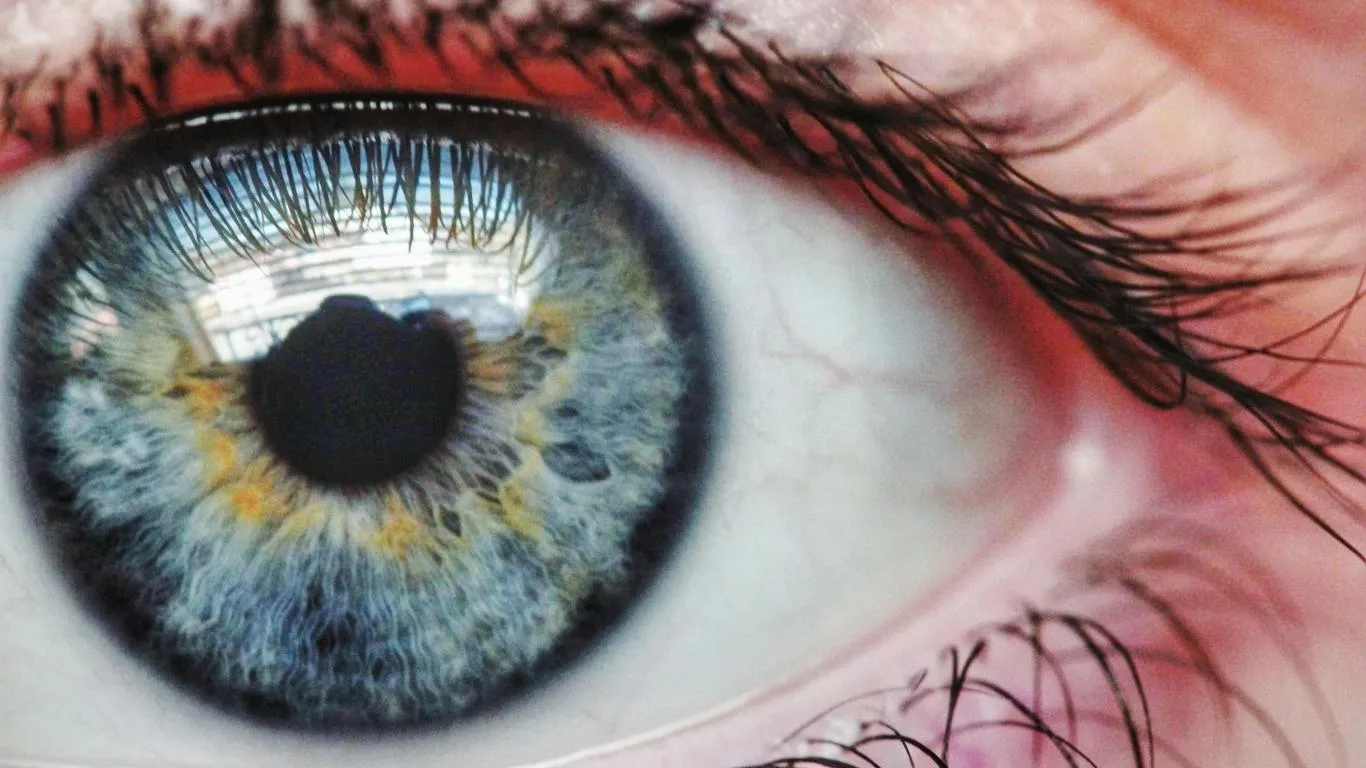
When estrogen levels take a nosedive during menopause, a lot more changes than just your cycle. One under-the-radar shift happens right inside your eyes—specifically, the vitreous, the gel-like substance that fills your eyeballs. With age, this gel begins to shrink and pull away from the retina, which can lead to floaters. Estrogen, as it turns out, plays a protective role in maintaining tissue integrity, including ocular tissues.
So, the hormonal rollercoaster of menopause can subtly speed up the process of vitreous degeneration. It doesn’t mean floaters are inevitable, but they can become more noticeable, more frequent, or even more bothersome during this phase of life.
What Do Floaters Actually Look Like?
Think of them as ghostly shadows, specs, or strings that drift across your vision—especially when you’re looking at a bright sky or a white screen. Some women describe them as cobwebs or little black dots. For me, they looked like translucent worms (weird, I know).
- Dots or squiggly lines
- Small thread-like strands
- Shadowy shapes that drift when you move your eyes
- Objects that seem to disappear when you try to look directly at them
They’re generally harmless, but as they increase in volume or change in shape, it’s smart to pay closer attention—especially post-menopause.
How Hormonal Changes During Menopause Influence Eye Health
Hormones affect everything from mood to muscle mass, and your eyes are no exception. As estrogen and progesterone levels fall, several changes can occur:
- Dry Eye Syndrome: Less estrogen can reduce tear production, making eyes feel gritty or irritated.
- Ocular Inflammation: Hormonal imbalance can trigger inflammation that subtly affects the vitreous body, where floaters originate.
- Collagen Breakdown: Estrogen plays a role in maintaining collagen throughout the body—including in the eye’s vitreous gel. Less collagen = more floaters.
Some research even suggests that estrogen may provide some neuroprotective effects for the retina and optic nerve. So, its absence isn’t just about comfort—it’s potentially about vision integrity too.
Common Triggers That Exacerbate Floaters Post-Menopause
Even if you had minor floaters before, certain lifestyle and health shifts after menopause might make them worse. Here are some you might not have considered:
- Dehydration: It’s a bigger deal than people realize. Less hydration = more eye gel breakdown.
- Stress: Chronic stress (hello, hormone chaos) has been linked to increased visual disturbances like floaters. Here’s how stress ties into floater intensity.
- Poor sleep: Your eyes need rest to repair. Floaters may worsen if your body can’t rejuvenate properly.
- Eye strain from screens: Extended screen time isn’t great for aging eyes. This guide unpacks screen-time-induced floaters.
When Should You Worry About Floaters?
Most floaters are benign, but there are red flags to watch for. Especially after menopause, when the eyes might already be more fragile, these symptoms should prompt a visit to your eye doctor ASAP:
- Sudden shower of floaters that appear all at once
- Flashes of light in your peripheral vision
- Partial loss of vision or a curtain-like shadow
These may signal a retinal tear or detachment, which needs immediate medical attention. That was the one thing my eye specialist drilled into me during my first visit: don’t wait if things change suddenly.
What Can You Do About Floaters After Menopause?
I’ll be honest—when I first saw floaters, I thought I needed glasses. But the optometrist told me my vision prescription had barely changed. The issue? My aging vitreous. Here’s what you can do:
Let Your Eyes Adjust
In most cases, your brain learns to ignore floaters over time. Mine faded into the background after a few months—except in bright sunlight.
Improve Your Lifestyle Habits
- Stay hydrated (seriously, water helps more than you’d think)
- Use protective eyewear outdoors
- Cut back on sugar and processed foods (they worsen inflammation)
- Practice stress reduction: yoga, mindfulness, or even 10-minute walks
Explore Medical Options (If Needed)
Most floaters don’t require surgery, but in rare cases where they’re severely affecting vision, treatments like vitrectomy or laser therapy may be discussed. Always weigh risks vs. benefits with a retina specialist.
If you’re looking for a complete breakdown on floater symptoms, risks, and management strategies, this eye floaters guide is your best starting point.
Can Hormone Therapy Help with Floaters After Menopause?
Short answer? It’s complicated. Hormone Replacement Therapy (HRT) is often prescribed to ease menopause symptoms like hot flashes and bone loss, but its impact on eye health—specifically floaters—isn’t widely discussed. Some early studies suggest that estrogen may help support retinal function, but the connection to floaters isn’t well-established.
When I asked my OB-GYN about it, she mentioned that while HRT can help with dry eye and overall ocular moisture, there’s no solid evidence that it reverses or slows down vitreous changes that lead to floaters. Still, some women report fewer visual disturbances after starting low-dose estrogen therapy—though that might be more anecdotal than scientific.
Things to Consider Before Trying HRT for Eye Health
- Medical history: HRT isn’t right for everyone, especially if you have a history of breast cancer, heart disease, or clotting disorders.
- Other benefits: While it might not “cure” floaters, HRT could improve other menopausal symptoms that indirectly support better eye health, like sleep and inflammation control.
- Talk to a specialist: An ophthalmologist and a gynecologist should both be part of the conversation.
If you’re already on HRT and noticing a decrease in floaters, great—but don’t start it solely for that reason without understanding the broader risks and benefits.
Floaters or Something Else? Understanding Visual Changes Post-Menopause
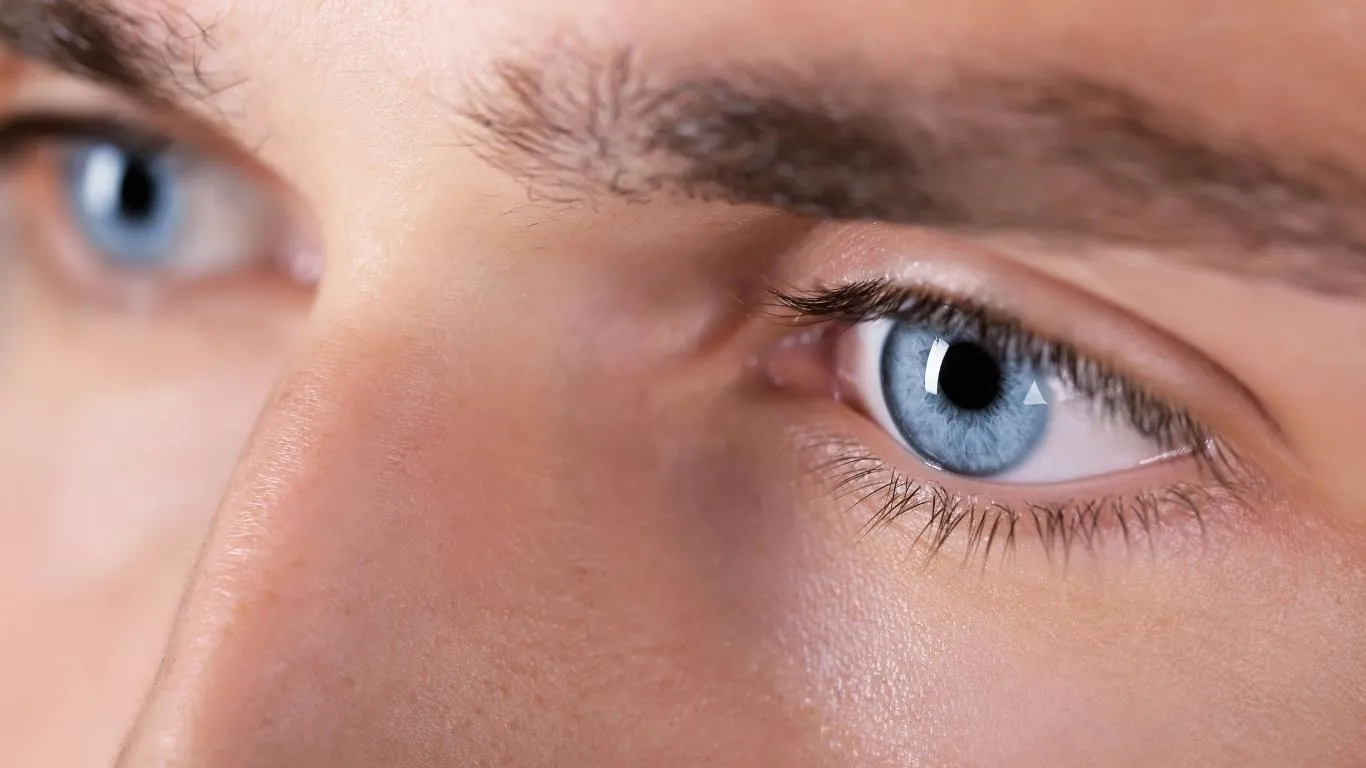
Not all vision changes during menopause are floaters. I had a friend in her mid-50s who kept describing what she thought were floaters, but it turned out she had early signs of age-related macular degeneration. Scary, but caught early enough to manage.
Here’s how floaters compare with other common visual shifts:
- Floaters: Move when your eyes move, tend to be translucent or threadlike.
- Flashes: Sudden sparks or light bursts—these often need urgent evaluation.
- Blurred vision: Could be from dry eye, cataracts, or blood sugar swings.
- Wavy or distorted vision: Potential sign of retinal issues.
The key? Pay attention to what’s new and changing. Menopause is a time of transition, but not everything should be chalked up to “just getting older.”
Are There Natural or Non-Invasive Ways to Manage Floaters?
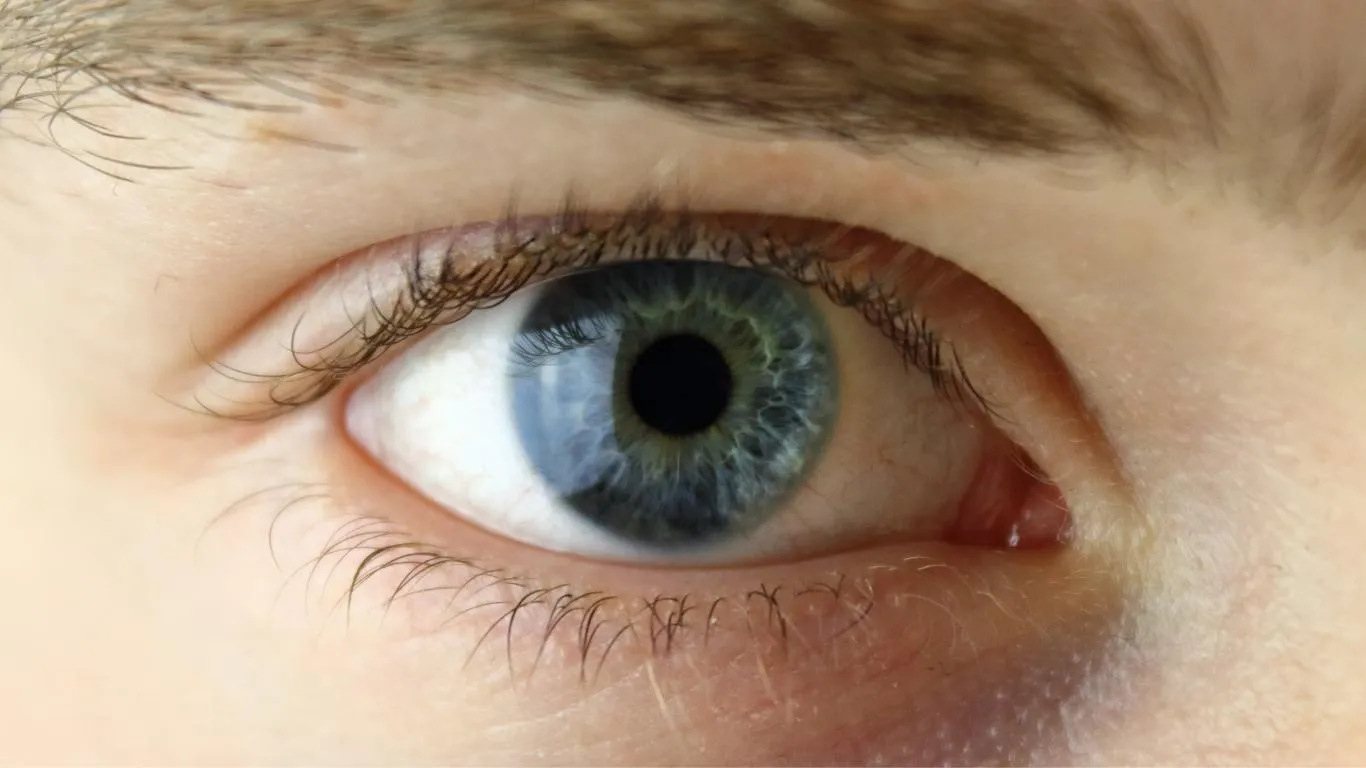
If surgery isn’t on your radar (and for most people, it shouldn’t be), there are gentler approaches that might help you cope with or reduce the appearance of floaters. While I didn’t find a “magic bullet,” I did explore several routes that felt empowering:
Nutrition and Supplements
- Omega-3 fatty acids: Found in fish oil, flaxseed—support overall eye health.
- Lutein and zeaxanthin: These carotenoids help filter harmful light and are good for the retina.
- Vitamin C and E: Antioxidants that fight oxidative stress in ocular tissues.
- Hyaluronic acid: Surprisingly effective at improving eye moisture, and some people say it helps reduce floaters’ visibility.
There’s also growing interest in natural floater remedies, like bilberry extract or pine bark, but evidence is still limited. Still, if you’re into herbal support, it might be worth experimenting with—under guidance.
Eye Exercises and Visual Hygiene
No, they won’t make floaters vanish. But they can improve how your brain adapts to visual changes. I started doing simple “palming” exercises and 20-20-20 eye breaks during screen time. It didn’t fix my floaters, but it helped reduce eye fatigue that made them feel worse.
Can Floaters Ever Go Away Completely?
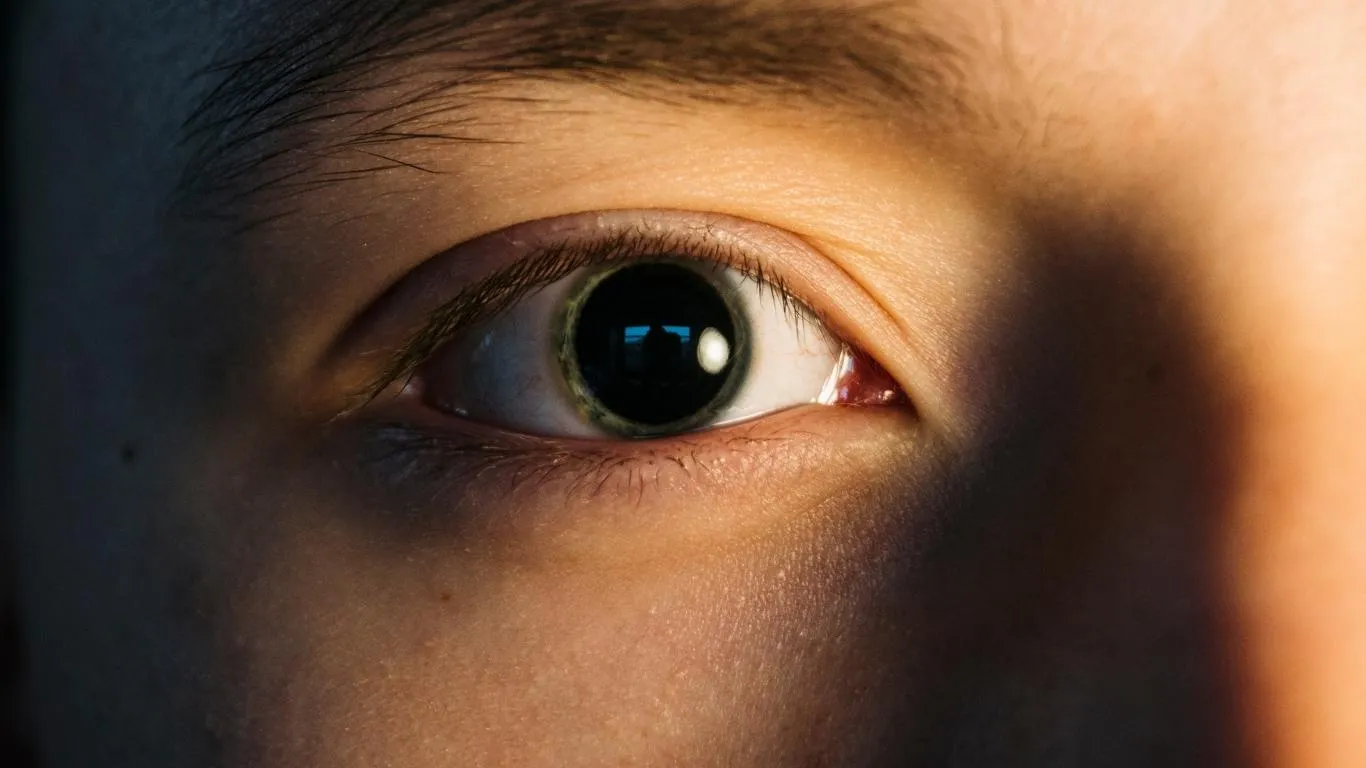
Honestly? Sometimes. Some floaters—especially small, recent ones—can fade or sink below the visual line. For others, they may become permanent companions, like background noise your brain learns to tune out. In my case, I still see one every now and then when I’m driving on a bright day, but most of the time, I don’t even notice them anymore.
The best strategy is to stay on top of your eye health. That means regular checkups, paying attention to sudden changes, and knowing when to get help. If you want to explore deeper into treatment options, causes, and symptom management, the full guide on eye floaters offers a well-rounded perspective.
It’s easy to brush off these little squiggles and shadows, especially when menopause is already throwing so much at you. But your eyes deserve attention too. Because whether it’s floaters after menopause or other vision changes, understanding what’s happening gives you back a little control—and that makes all the difference.

Camellia Wulansari is a dedicated Medical Assistant at a local clinic and a passionate health writer at Healthusias.com. With years of hands-on experience in patient care and a deep interest in preventive medicine, she bridges the gap between clinical knowledge and accessible health information. Camellia specializes in writing about digestive health, chronic conditions like GERD and hypertension, respiratory issues, and autoimmune diseases, aiming to empower readers with practical, easy-to-understand insights. When she’s not assisting patients or writing, you’ll find her enjoying quiet mornings with coffee and a medical journal in hand—or jamming to her favorite metal band, Lamb of God.