When Multiple Sclerosis Floaters Disrupt Daily Vision
For years, I chalked up those tiny squiggly shadows in my vision to just being tired or spending too much time on screens. But when I was finally diagnosed with multiple sclerosis (MS), things started to click. Eye floaters had shown up before any major symptoms did, and I couldn’t shake the feeling that maybe—just maybe—they weren’t just harmless distractions. Could those little drifting specs be tied to something bigger, like MS itself? If you’re asking yourself the same thing, you’re not alone. Let’s dig in and untangle the facts, science, and possibilities around multiple sclerosis floaters.
What Exactly Are Eye Floaters?
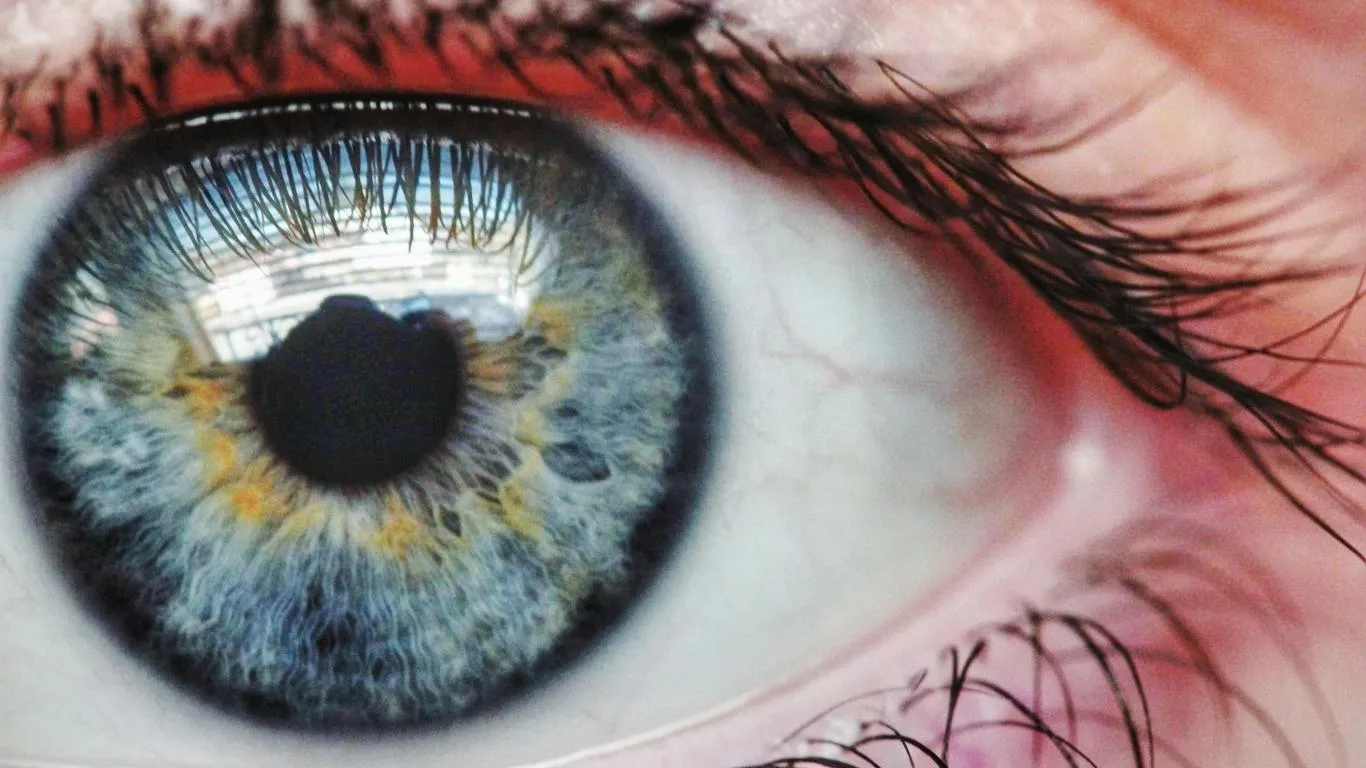
Floaters are those transparent blobs, threads, or cobweb-like shadows that drift around in your field of vision. They’re not illusions—they’re real bits of collagen or cells floating inside the vitreous, the gel-like substance filling your eyeballs. Most of the time, they’re just age-related changes or the result of minor eye trauma. But in some cases, like I experienced, they show up under stranger circumstances—ones that have little to do with aging and more to do with your nervous system.
People with MS may notice floaters more often than the average person, especially during a flare-up. The question is whether these floaters are a true symptom of MS, or just a coincidence. And here’s where things get interesting.
How MS Impacts Vision

Multiple sclerosis is a chronic, autoimmune disease where the immune system mistakenly attacks the protective myelin sheath around nerves—including the optic nerve. This is called optic neuritis, and it’s a common early indicator of MS. Symptoms can include:
- Blurred or dim vision in one eye
- Pain during eye movement
- Color desaturation (things just don’t look as bright)
- Partial or complete loss of vision
But here’s the kicker: floaters aren’t officially listed among the classic optic neuritis symptoms. So where do they fit in? Well, this is where the conversation opens up. Floaters aren’t caused by damage to the optic nerve directly, but the inflammation and immune activity in MS can affect eye health in more indirect ways.
Can Floaters Be an Early Sign of MS?
This is something I personally wondered about for years. Before I was ever diagnosed with MS, I had persistent floaters—different from the random specks people usually ignore. Mine increased during stressful periods and seemed to get worse after long days at the computer or when I felt run down. And it turns out, I wasn’t alone.
Some researchers and neurologists have speculated that in rare cases, ocular manifestations like floaters may precede neurological symptoms. Not because floaters are caused by MS itself, but because MS might create an environment—like inflammation or vascular changes—that makes floaters more noticeable or more likely.
A few floaters? Probably normal. A sudden, dense cloud of them that sticks around? That might warrant a closer look, especially if you have other symptoms of MS. Here’s a deeper dive into when floaters can signal something more serious.
What Science Actually Says
Right now, there’s no formal consensus in the medical literature directly linking floaters to MS. But that doesn’t mean there’s no relationship. Inflammation of the uvea (uveitis) and vitreous can occur in autoimmune diseases, including MS. This inflammation can release debris into the vitreous—what you eventually see as floaters.
In fact, a review published in the Journal of Neurology notes that up to 10% of MS patients experience ocular inflammation. So, while not diagnostic on their own, persistent floaters in someone with other MS symptoms shouldn’t be brushed off.
Could MS Treatments Be to Blame?

Now here’s a curveball. Some treatments for MS, particularly corticosteroids, might actually contribute to floaters. These medications can affect ocular pressure and sometimes trigger or worsen vitreous detachment—one of the leading causes of floaters.
If you’re on steroid therapy and suddenly start noticing a curtain of floaters or flashes of light, definitely mention it to your doctor. It could be harmless, or it could be a sign of something more serious like a retinal tear. This article explains the connection in more detail: Can Steroid Eye Drops Cause Eye Floaters?
Other Conditions That Mimic MS Floaters
It’s important to rule out other causes before assuming MS is the reason behind your floaters. These include:
- Posterior Vitreous Detachment (PVD) – Very common with aging, especially over 40.
- Diabetic Retinopathy – Blood vessel damage in the retina can lead to floaters.
- Uveitis – Inflammatory conditions that may or may not be linked to MS.
- Trauma or Concussion – Floaters sometimes follow head injuries, which also may be confused with MS symptoms.
Interestingly, there’s some crossover between floaters from trauma and MS-related symptoms. This article covers how head injuries can also trigger floaters, a useful read if you’ve had any kind of brain or eye trauma in the past.
Also worth a look: What Are Eye Floaters? Causes, Symptoms, and Treatment Options — a comprehensive pillar guide that breaks down every aspect of floaters beyond MS.
When to See a Doctor
Look, not every eye floater means something terrible is going on. But here’s when you really should get checked out:
- Floaters come on suddenly and are dense or cloud-like
- You see flashes of light or a dark shadow in your peripheral vision
- There’s pain, redness, or visual changes
- You have a known MS diagnosis and experience new or worsening floaters
Your neurologist might refer you to a neuro-ophthalmologist—mine did—and that specialist can use retinal scans and other tools to figure out what’s happening inside your eyes.
Living with Both MS and Persistent Floaters

Having both MS and a never-ending parade of floaters in your vision? It’s frustrating, I get it. They seem to show up more during flare-ups or when I’m under stress. Sometimes I wonder if they’re acting like little warning signs, alerting me to upcoming neurological changes before I feel anything else. It’s not backed by clinical research—yet—but I know I’m not the only one who feels this way.
Floaters can make it harder to focus, read, or even drive. And in the context of MS, where fatigue and cognitive fog are already in the mix, they can add one more layer of sensory disruption that affects quality of life. That’s why I started tracking my symptoms—when floaters increase, I also look out for other subtle signs of an impending flare.
Tracking Floaters in MS: Patterns and Triggers

What helped me most was logging every occurrence: date, time, intensity, and what I’d been doing. Over time, I noticed floaters would spike when:
- I was particularly stressed
- I hadn’t slept well
- I was recovering from an infection
- Weather changes (yes, really—barometric pressure may play a role)
There’s no official MS-floater correlation chart out there, but keeping personal data helped me spot patterns. It gave my neurologist more information to work with, and it helped me feel less like I was imagining things. Floaters may not be directly caused by MS, but in my case, they’re certainly MS-adjacent.
Are Floaters a Sign of Inflammation?
This is where it gets even more relevant. Floaters can show up due to inflammation in the vitreous—vitritis—or from uveitis. Both have been linked to autoimmune conditions like MS. This guide on uveitis and floaters breaks it down clearly. It’s not something to overlook, especially if your floaters are accompanied by redness or sensitivity to light.
Inflammation is a known enemy in MS, not just in the brain and spinal cord but across the entire nervous system, including the eyes. Some MS patients, especially those with a more active inflammatory type, may be at higher risk of eye involvement. If you’ve ever had optic neuritis, or your MRI shows active lesions near the optic pathway, it’s worth paying attention to any new or increased floaters.
Floaters After MS-Related Surgeries or Procedures
Let’s say you’ve had eye surgery—like LASIK, PRK, or even cataract removal. Combine that with an MS diagnosis, and you’ve got a higher chance of floaters. Any eye surgery increases the risk of posterior vitreous detachment or micro-inflammation, both of which can result in floaters.
If you’re considering eye surgery and you live with MS, I’d highly recommend reading this article first: Do Eye Floaters Appear or Get Worse After Cataract Surgery?. It’s eye-opening (pun intended) and helped me have a better-informed conversation with my ophthalmologist before I made any decisions.
Floaters vs. Visual Disturbances in MS
Another reason floaters in MS are tricky? They’re easily confused with other visual issues common in MS. For example:
- Phosphenes – Those flashes or sparks of light, often triggered by eye movement
- Oscillopsia – The feeling that your environment is moving or shaking
- Diplopia – Double vision due to nerve miscommunication
None of these are the same as floaters, though they might appear together. And floaters aren’t “neuro” symptoms, so they don’t always show up on typical MS tests. That’s why a combined approach—neurologist plus ophthalmologist—is key. I had to advocate for myself more than once to be taken seriously when floaters increased during flare-ups.
Are They Getting Worse with Age or MS Progression?

Here’s the reality check: age plays a huge role. Floaters naturally increase as the vitreous gel shrinks and pulls away from the retina. But MS might accelerate that process—or at least make you more aware of changes, thanks to how sensitive the central nervous system becomes.
According to this piece on floaters and aging, it’s normal to notice more floaters over time, especially after 40. So in people with MS, age and disease progression might be working together—not necessarily one causing the other, but compounding the experience.
Managing Floaters When You Have MS
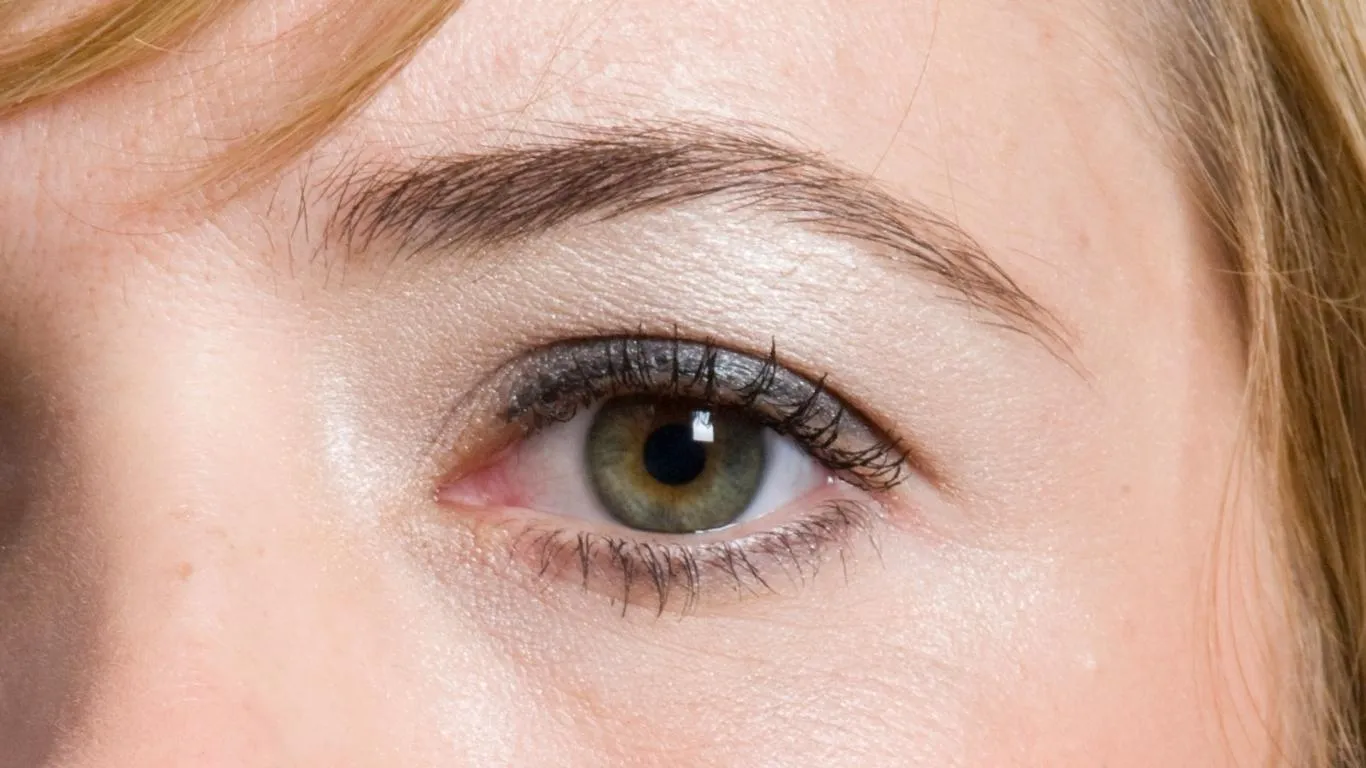
If floaters are driving you nuts, the first thing to know is you’re not alone. Managing them is tricky, but not impossible. A few things that have helped me:
- Adjusting lighting – Bright, even lighting reduces contrast and makes floaters less noticeable
- Wearing UV-protected glasses outdoors—especially on sunny days
- Hydration – Dehydration can worsen visual disturbances and eye dryness
- Eye exercises or gentle eye movement to shift floaters out of your central vision
There’s also a growing conversation around whether nutrition plays a role. Here’s a look at how diet might affect eye floaters. I’ve personally noticed improvement when I’m consistent with Omega-3s and anti-inflammatory foods. Again, not a cure—but it helps.
When Surgery or Laser Treatment Is Considered
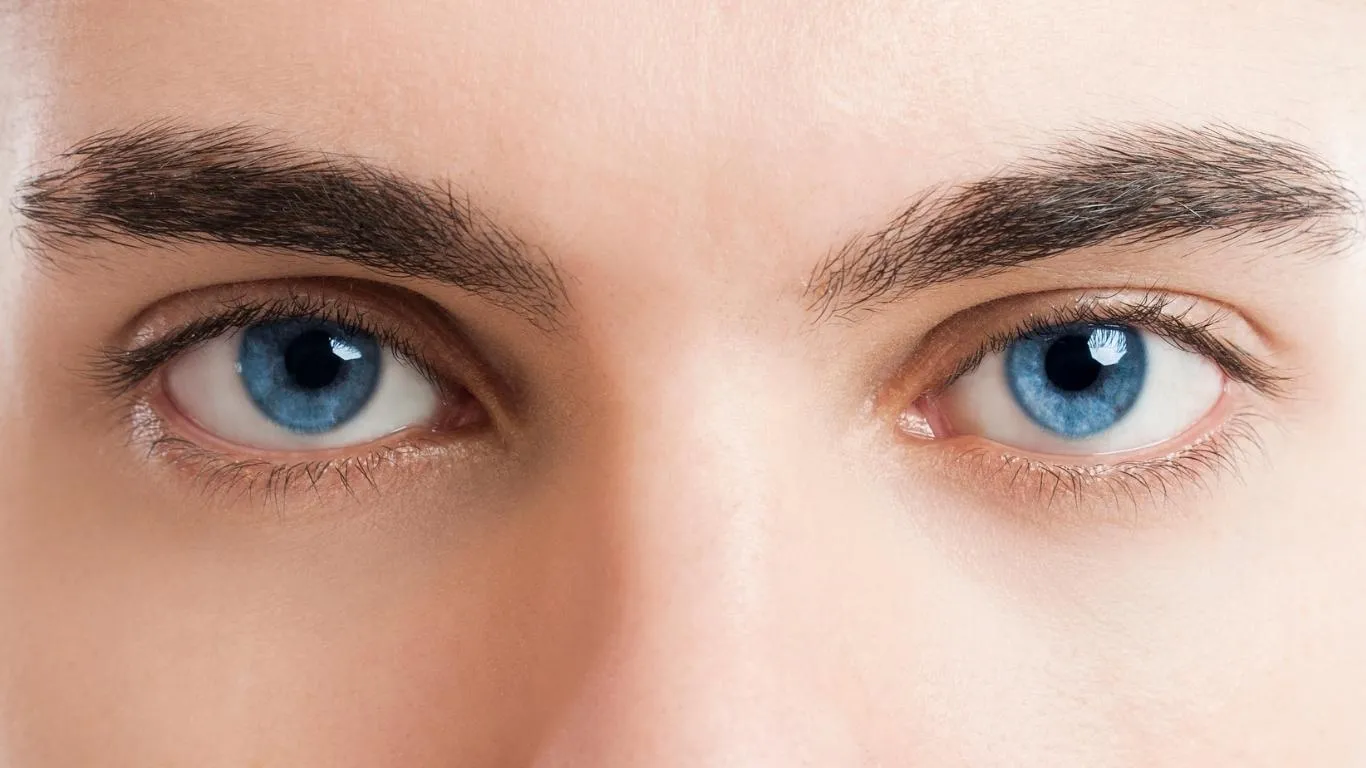
For the record, I haven’t gone this route—but I’ve spoken to others with MS who have. There are two main options:
- Laser vitreolysis – Uses a laser to break up floaters
- Vitrectomy – A surgical procedure to remove the vitreous entirely
Both carry risks, especially for someone with MS, where immune and healing responses can be unpredictable. But for severe, vision-disrupting floaters that don’t go away? They might be worth a conversation. This article explains more: Eye Floater Treatments: From Observation to Surgery.
If you’re looking for a solid foundation to understand eye floaters across causes—MS or not—start with this comprehensive guide: What Are Eye Floaters? Causes, Symptoms, and Treatment Options.

Camellia Wulansari is a dedicated Medical Assistant at a local clinic and a passionate health writer at Healthusias.com. With years of hands-on experience in patient care and a deep interest in preventive medicine, she bridges the gap between clinical knowledge and accessible health information. Camellia specializes in writing about digestive health, chronic conditions like GERD and hypertension, respiratory issues, and autoimmune diseases, aiming to empower readers with practical, easy-to-understand insights. When she’s not assisting patients or writing, you’ll find her enjoying quiet mornings with coffee and a medical journal in hand—or jamming to her favorite metal band, Lamb of God.