Can Birth Control Cause Floaters? What You Should Know
So here’s something that caught me off guard — after starting hormonal birth control, I noticed weird floaty specks in my vision. At first, I thought it was just my eyes being tired from screen time. But those shadowy wisps didn’t go away. If you’ve ever caught yourself squinting at the air trying to “catch” one of those little things, you know the feeling. Turns out, a surprising number of people wonder if there’s a connection between birth control and floaters. Let’s dive into that, with a realistic, experience-based look at what might be going on.
What Exactly Are Eye Floaters?

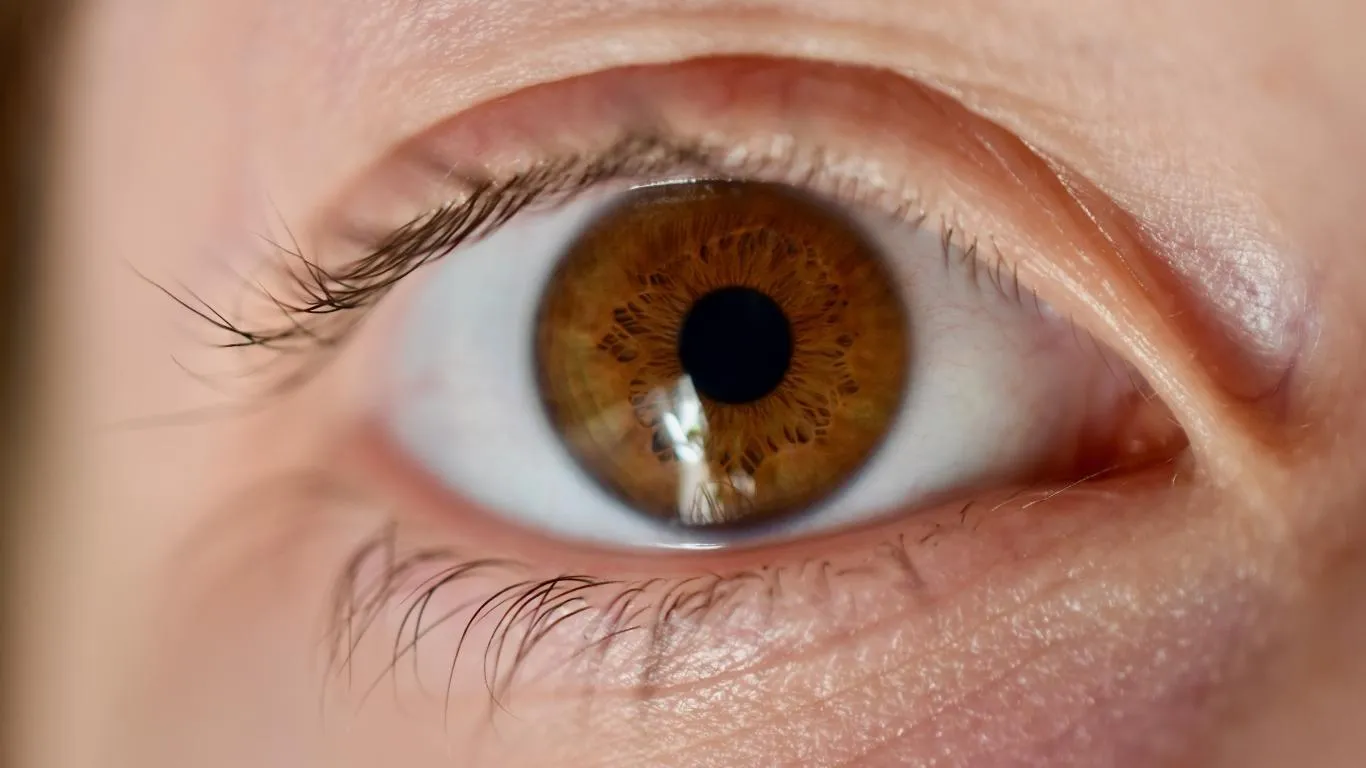
Eye floaters are those annoying little specs, cobwebs, or squiggly lines that seem to drift across your vision. They’re especially noticeable when you’re staring at something bright, like a white wall or the sky. Floaters are actually tiny clumps of gel or cells inside the vitreous — the jelly-like substance inside your eye. As light enters your eye, those clumps cast shadows on your retina, and voila — you see floaters.
They’re more common than you think. In fact, this detailed guide on causes, symptoms, and treatments breaks down the science behind floaters if you want to geek out a little more.
What’s in Hormonal Birth Control?
Most hormonal birth control pills contain synthetic versions of estrogen and/or progesterone. These hormones regulate ovulation and prevent pregnancy, but they also impact other systems in your body — your eyes included.
Hormonal Shifts and Eye Health
Here’s the kicker: your eyes are hormone-sensitive. That includes the tear glands, cornea, and even the vitreous. So when synthetic hormones are introduced — even in low doses — it’s not surprising they might have some ripple effects.
- Estrogen fluctuations have been associated with dry eye and changes in tear film quality.
- Progesterone affects collagen production and fluid retention, which might subtly change eye structure.
Though there’s limited direct clinical evidence tying hormonal birth control to floaters specifically, anecdotal reports suggest a potential link. And when you’ve experienced it personally, like I did, that connection feels pretty real.
Can Hormones Trigger Floaters?
Okay, let’s get into the “how” behind this. When hormone levels change — especially estrogen — there can be subtle shifts in the structure of the vitreous gel. It can begin to shrink or become more liquefied, which leads to the clumping that causes floaters. This is something that naturally happens with age, but when hormones are introduced or disrupted (like with birth control), the timeline may shift.
Some studies, like this one published in the International Journal of Endocrinology, explore hormonal effects on connective tissue and the ocular system. While floaters aren’t the main focus, the eye’s responsiveness to hormonal changes is clear.
There’s also anecdotal discussion across online health forums and in clinical eye care, where optometrists report patients linking birth control changes with sudden floater experiences. While that doesn’t count as hard data, it’s still something to keep in mind — especially if you’ve noticed the timing lines up.
Other Eye Changes From Birth Control
It’s not just floaters. Hormonal birth control can also contribute to:
- Dry Eye Syndrome – Hormonal shifts can reduce tear production or change tear composition, leading to gritty or irritated eyes.
- Contact Lens Intolerance – If your eyes become drier, contact lenses might suddenly feel uncomfortable or shift around more.
- Vision Fluctuations – Rare, but hormone-sensitive corneal tissue can subtly swell, leading to mild blurring.
There’s even speculation about hormonal effects on blood vessels in the retina. Some contraceptives have been linked to a higher risk of vascular complications, though again, that’s more of a rare edge-case than a daily concern. Still, it adds to the complex puzzle.
When Should You Be Concerned?
Here’s the truth — most floaters are harmless. But you absolutely should see an eye doctor if:
- You suddenly see a bunch of new floaters at once
- There are flashes of light in your peripheral vision
- Your vision becomes shadowy, like a curtain is coming down
These symptoms can signal a retinal tear or detachment — a medical emergency. And while birth control likely isn’t the direct cause of that, hormonal changes might tip the balance if your vitreous was already in transition.
Interestingly, this guide on when floaters become dangerous offers a great checklist if you’re second-guessing your symptoms.
Other Possible Triggers You Might Overlook
If you’re like me, you probably wondered if it was *just* the pill. But floaters can be worsened by a bunch of sneaky things:
- Dehydration – Less fluid, more jelly shrinkage. And yes, dehydration can worsen floaters.
- Stress – Not kidding. The mind-body connection is real. Stress may heighten floater perception.
- Lack of sleep – Fatigue can mess with how sharply your brain processes visual info. Floaters become more noticeable.
- Screen time – High contrast backgrounds (think: docs or email) make floaters pop visually.
All of these can amplify the floater effect and make you more aware of them, even if they’re not directly *causing* new ones.
What You Can Actually Do About It
If floaters are messing with your day-to-day peace, you’ve got a few options. Most docs will recommend a “wait and see” approach at first — and to be honest, I found that after a few months, mine weren’t as noticeable.
But if they’re persistent or increasing, there are options. From non-invasive treatments to surgery, modern medicine does offer a few paths forward.
Medical Options for Persistent Floaters
If you’re beyond the “ugh, I can live with it” phase and floaters are interfering with daily activities like reading or driving, it might be time to explore medical treatments. While I didn’t go this route myself (thankfully), I researched the heck out of it — just in case things got worse. Here’s what I found:
1. Vitrectomy
This is the big gun. A vitrectomy is a surgical procedure where the vitreous gel (and the floaters within it) are removed and replaced with a saline solution. It’s effective but definitely not a casual choice. The risks include retinal detachment, cataracts, or infection. Most eye doctors consider it a last resort.
2. Laser Vitreolysis
This is a less invasive option where lasers break up larger floaters into smaller, less noticeable fragments. Not all floaters qualify for this treatment, and it works best when the floaters are well-defined and away from the retina. This overview of treatments dives into the pros and cons more deeply.
From what I gathered during consultations, not many ophthalmologists are quick to jump into these options — and honestly, I respected that. They usually encourage a monitoring approach first, which worked for me.
Natural Ways to Support Eye Health
So, if you’re not ready to go down the laser or surgery path, here’s the good news — there are several lifestyle tweaks and natural approaches you can try. They might not eliminate floaters, but they can absolutely help reduce their impact and support your eye health overall.
- Hydration – Simple but often overlooked. The vitreous is about 98% water, and staying hydrated keeps it stable. Dehydration can worsen floaters noticeably.
- Nutrition – Foods rich in antioxidants, omega-3 fatty acids, and vitamin C can support your eye tissues. Carrots aren’t just for Bugs Bunny.
- Reduce screen strain – Follow the 20-20-20 rule: every 20 minutes, look at something 20 feet away for 20 seconds. It’s small, but it works.
- Supplements – Some people swear by taurine, lutein, and zinc supplements. While research is limited, they’re generally considered safe in moderation.
I also tried warm compresses and gentle eye massages, especially when screen fatigue made the floaters more noticeable. It didn’t cure anything, but it helped make my eyes feel less “strained.”
When Birth Control Might Not Be the Culprit
Even if your floater journey started around the same time you began hormonal birth control, it’s worth zooming out. Timing doesn’t always mean causation. Other possible causes include:
- Aging – It’s the most common cause. After your 30s, vitreous changes become more likely.
- Post-surgery changes – Especially common after cataract surgery or LASIK.
- Stress – As mentioned earlier, it can exacerbate the perception of floaters.
- Underlying inflammation – Conditions like uveitis may cause floaters and need prompt treatment.
Basically, your floaters might not care that you’ve switched birth control brands. They might have shown up regardless. But it’s still worth bringing up the timing with your healthcare provider — especially if other changes (like dry eyes or headaches) popped up too.
What I Wish I Knew Sooner
Looking back, I wish someone had told me how common it is to feel slightly panicked about floaters — especially when they appear suddenly. It’s not just a physical thing; there’s an emotional rollercoaster too. Worrying about vision loss or side effects from something as routine as birth control can mess with your peace of mind.
But once I stopped obsessing, started hydrating better, and improved my screen habits, they faded into the background. I still see one or two occasionally, but they don’t bother me anymore.
Also, a massive help for me was reading this guide on managing floaters naturally. It gave me realistic expectations, not empty promises.
When to Talk to Your Doctor
If your floaters are persistent, increasing, or just making you nervous, don’t second-guess yourself — talk to your doctor. You can bring it up with your ophthalmologist or even your OB-GYN, especially if you suspect a link to birth control. Some patients benefit from switching pill types or exploring non-hormonal options.
Be specific: note when the floaters started, how often you see them, and whether they’ve changed in shape or intensity. Mention other symptoms like light flashes or blurred vision. A thorough eye exam can rule out serious causes and give you peace of mind.
Key Takeaways (If You Skimmed, No Judgment)
- There’s no direct proof that hormonal birth control causes floaters — but hormone changes can impact eye tissues.
- Other factors like dehydration, stress, screen time, and aging might also play a role.
- Floaters are usually harmless, but sudden increases or light flashes should be evaluated ASAP.
- Hydration, diet, and managing screen fatigue can help minimize their impact.
- Treatment options exist — from laser therapy to surgery — but most people won’t need them.
If you’re navigating birth control and vision changes at the same time, you’re definitely not alone. And if you’re hungry for more context about what floaters really mean long-term, I highly recommend checking out the detailed breakdown on what causes floaters and how to handle them.

Camellia Wulansari is a dedicated Medical Assistant at a local clinic and a passionate health writer at Healthusias.com. With years of hands-on experience in patient care and a deep interest in preventive medicine, she bridges the gap between clinical knowledge and accessible health information. Camellia specializes in writing about digestive health, chronic conditions like GERD and hypertension, respiratory issues, and autoimmune diseases, aiming to empower readers with practical, easy-to-understand insights. When she’s not assisting patients or writing, you’ll find her enjoying quiet mornings with coffee and a medical journal in hand—or jamming to her favorite metal band, Lamb of God.