Eye Floaters and Ehlers-Danlos Syndrome: What’s the Link?
If you’re like me—someone who’s always squinting at mysterious little specs drifting through your vision—you’ve probably asked yourself at some point: “Is this just getting older, or is something deeper going on?” In my case, I brushed it off until my optometrist casually mentioned Ehlers-Danlos Syndrome. That moment sent me down a rabbit hole of learning. If you’re dealing with persistent eye floaters and happen to have Ehlers-Danlos or suspect you might, you’re not alone in trying to connect the dots. Let’s break it down in a way that’s digestible, grounded, and not drenched in medical jargon.
What Exactly Are Eye Floaters, and Why Should We Care?
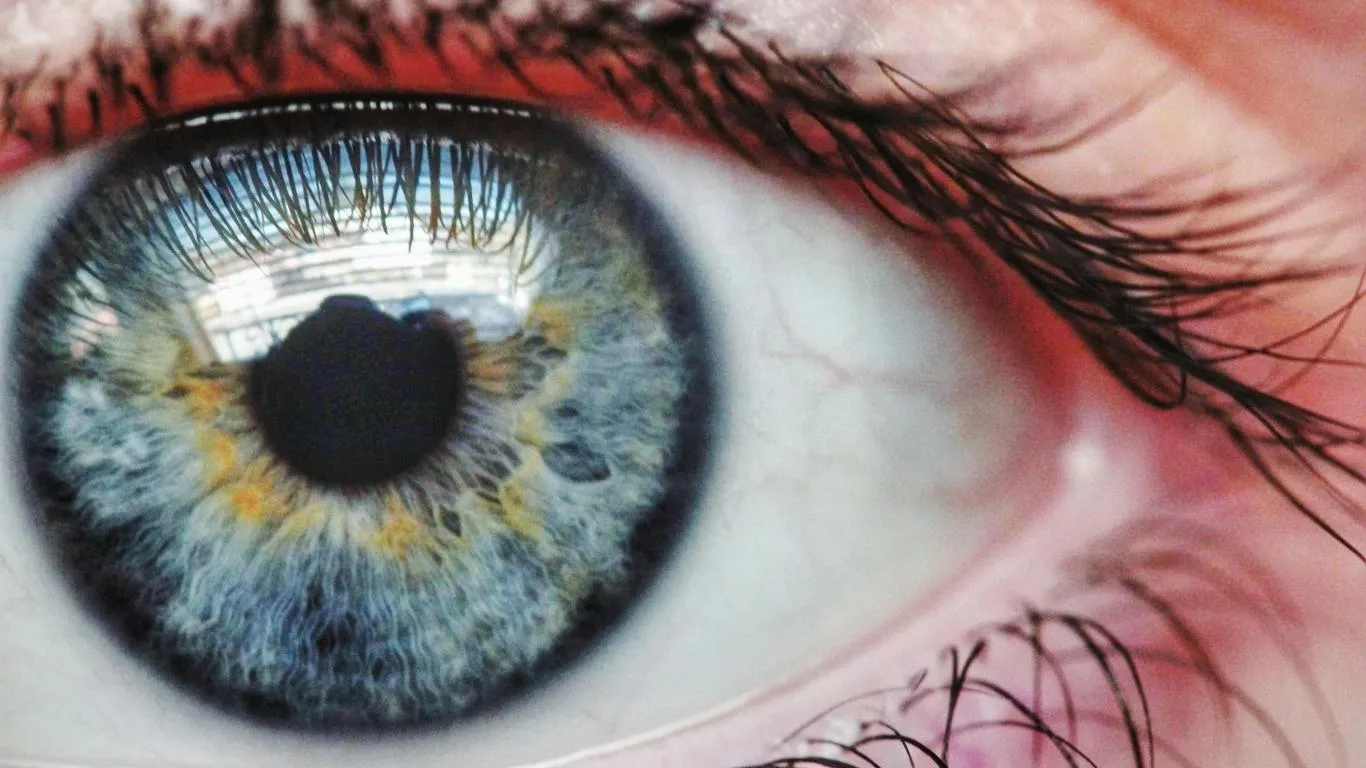
Eye floaters are those semi-transparent squiggles, strands, or spots that float across your field of vision—especially when you’re looking at a bright, blank surface. They’re actually tiny bits of collagen or other cellular debris suspended in the vitreous—the gel-like substance filling your eyeball.
For most people, floaters are annoying but benign. But for those of us navigating Ehlers-Danlos Syndrome (EDS), they can signal something more complex brewing beneath the surface. I didn’t realize this until I started comparing my experiences with others in online EDS communities—and the pattern was hard to ignore.
The Collagen Connection: EDS and the Vitreous Body
Ehlers-Danlos Syndrome affects connective tissues in the body, and guess what’s full of connective tissue? Your eyes. More specifically, the vitreous humor relies on a matrix of collagen for structural integrity. In EDS, this collagen can be disorganized, weak, or too stretchy—which leads to instability in the vitreous body.
When the collagen matrix starts to break down or shift, the byproduct is often—you guessed it—floaters. They appear earlier, more frequently, and with greater intensity in people with EDS compared to the general population.
Types of EDS Most Commonly Linked to Eye Issues
- Classical EDS (cEDS) – Often associated with fragile skin and joint hypermobility, this type can also impact ocular tissues.
- Vascular EDS (vEDS) – Carries more serious risks, including potential ruptures in ocular blood vessels, which can trigger or worsen floaters.
- Hypermobile EDS (hEDS) – The most common type, and though not always severe, still shows a notable correlation with frequent floaters.
My First Clue: A Sudden Surge in Floaters
I remember the exact moment I knew something was off. I had just stepped outside on a bright day and suddenly it looked like a snowstorm of transparent worms drifting across my sight. It wasn’t subtle. My usual handful of floaters had multiplied overnight. When I shared this with my eye doctor, they connected the dots with my then-recent EDS diagnosis.
That experience pushed me to dig deeper into what eye floaters actually signify. Understanding the mechanics gave me both clarity and caution—it turns out floaters aren’t always just a harmless quirk of aging.
Common Eye Complications in EDS
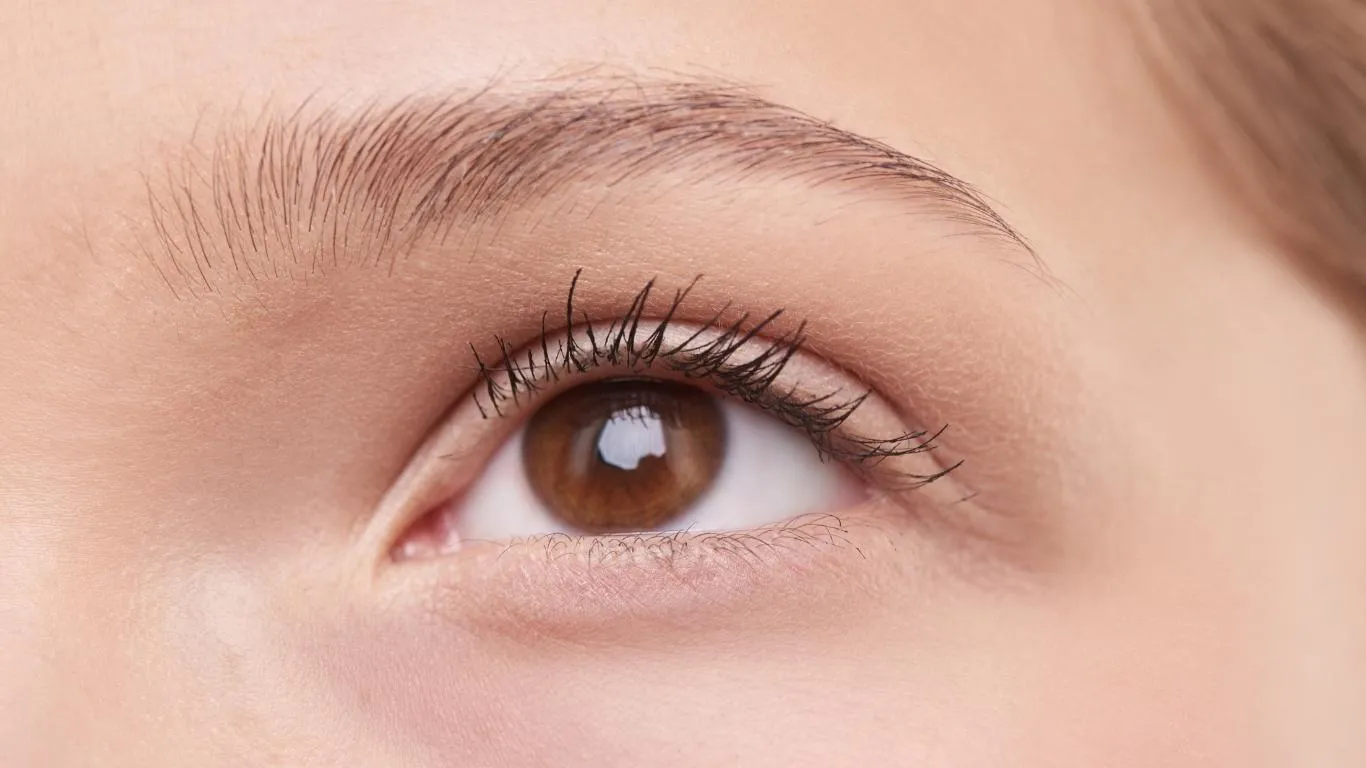
People with Ehlers-Danlos often deal with more than just floaters. The connective tissue fragility can impact many eye structures, including:
- Retinal detachment – Particularly risky with vEDS and cEDS due to weaker collagen matrices.
- Myopia – EDS patients often develop high degrees of nearsightedness, which is also linked to floaters.
- Blue sclera – A thinner, more translucent sclera that’s sometimes noticeable in EDS patients and may indicate deeper connective tissue concerns.
- Lens subluxation – Where the lens shifts from its normal position due to weak connective tissues—this can distort vision and trigger floaters as a side effect.
Not Just a Vision Problem: The Neurological Angle
What blew my mind was learning that the issue might not be limited to the eyes. Some experts suggest that the floaters in EDS might also reflect neurological involvement—after all, the connective tissue network spans the entire nervous system. One review in Frontiers in Neurology even linked EDS-related eye symptoms with autonomic dysfunction, which includes visual disturbances.
When to Take Ehlers-Danlos Floaters Seriously
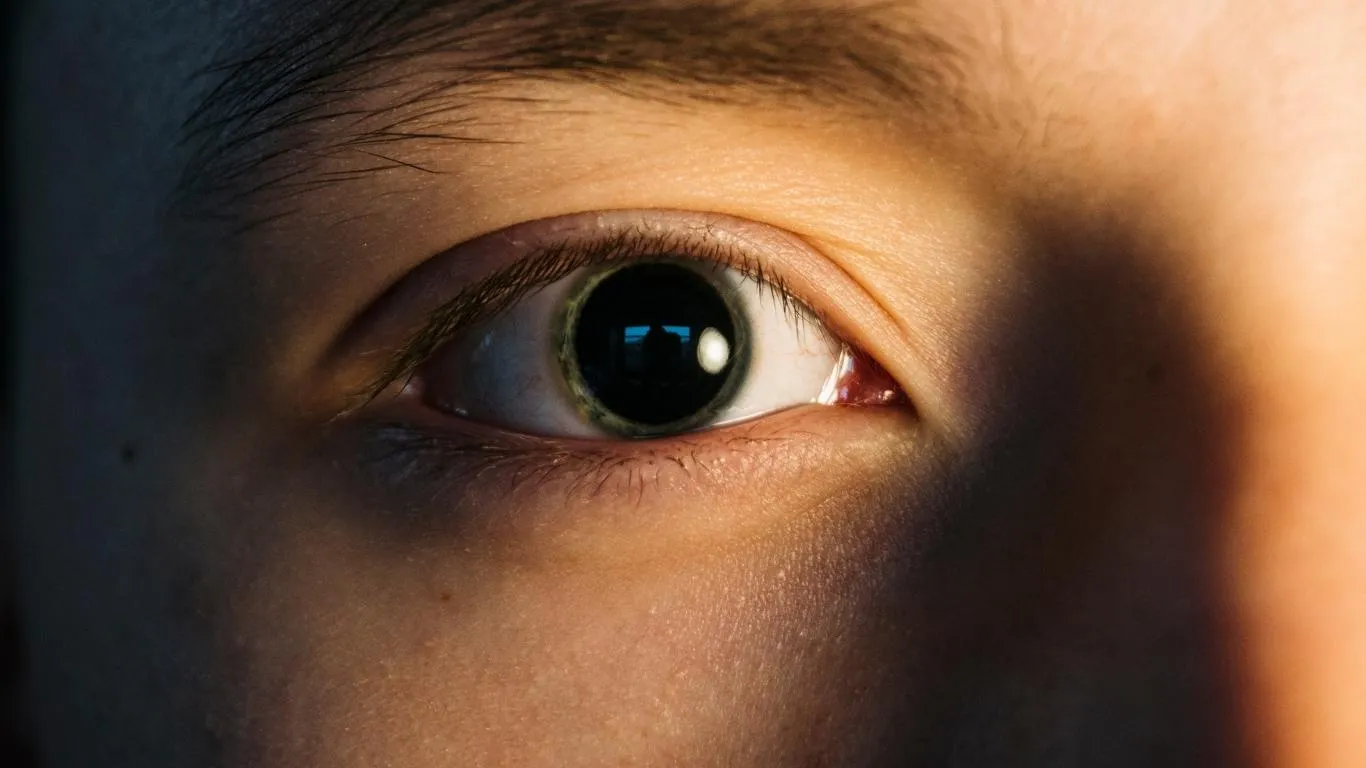
Look, I’m not trying to sound the alarm for every shadow that flits across your sight. But knowing the signs that indicate something more serious is critical—especially with EDS in the picture. Here’s when floaters need immediate attention:
- Floaters appear suddenly and in large numbers
- You see flashing lights or streaks
- There’s a shadow or curtain effect across your field of vision
- You also have eye pain, pressure, or vision loss
In those cases, don’t wait. Contact an ophthalmologist ASAP. In EDS patients, these symptoms could indicate a retinal tear or detachment, which is a vision emergency.
Managing Floaters When You Have EDS
There’s no one-size-fits-all treatment, and unfortunately, floaters caused by EDS don’t just disappear with a few eye drops. However, there are ways to cope better. I’ve experimented with a few approaches, and here’s what’s helped:
- Regular monitoring – Annual or biannual eye exams are a must. My specialist recommended retinal imaging once a year.
- Hydration and nutrition – Staying well-hydrated and following a nutrient-rich, anti-inflammatory diet made a surprising difference. Some studies suggest poor nutrition may worsen floaters.
- Blue light filtering – It doesn’t cure anything, but reducing screen glare minimized how visible my floaters seemed, especially at night.
- Stress management – It sounds cliché, but my floaters got worse during flare-ups of stress and fatigue. Practicing grounding techniques helped me manage both symptoms and anxiety.
Some people consider procedures like laser vitreolysis or vitrectomy, but those carry higher risks for EDS patients due to their tissue fragility. If you’re exploring treatment options, this guide on eye floater treatment methods offers a useful breakdown of what’s available and when to consider each approach.
Why Ehlers-Danlos Floaters Are Often Misdiagnosed or Dismissed
One of the most frustrating things I ran into early on was how often floaters were dismissed by professionals. I’d say, “Hey, I’m seeing a LOT more floaters than usual,” and the response was always the same—“That’s normal with age.” But I was in my 30s. That didn’t feel right.
Turns out, a lot of healthcare providers don’t immediately connect Ehlers-Danlos Syndrome to ocular issues. Floaters are so common in the general population that unless you push for a more nuanced evaluation, you might just get a shrug. What helped me was seeing a retinal specialist familiar with connective tissue disorders. Once I found the right doctor, everything clicked.
Why Floaters Are Often the First EDS Symptom Noticed
Many people I’ve met in the EDS community (myself included) noticed eye floaters long before they ever suspected they had a connective tissue condition. Why? Because ocular symptoms like floaters tend to show up early, while the more obvious EDS signs—joint hypermobility, chronic pain, stretchy skin—might not be recognized until much later.
In fact, according to EyeNet Magazine by the American Academy of Ophthalmology, ocular manifestations can be a critical first clue in diagnosing systemic disorders like EDS. It’s a reminder that paying attention to your eyes can give you an early warning system for much bigger health concerns.
Can Floaters Signal Imminent Eye Damage in EDS?
Let’s talk risk—because with EDS, ignoring floaters can come back to bite you. One of the biggest concerns is retinal tears or detachment. The vitreous humor is normally gel-like and stable, but in EDS, it can liquefy earlier, and its structural support can weaken. This leads to traction on the retina, sometimes resulting in tears.
I’ve been warned multiple times to monitor any “new” floaters. Not the old familiar ones that drift around when I stare at the sky—but sudden storms of floaters, or those accompanied by light flashes or vision distortion. My ophthalmologist put it this way: “In EDS, every new floater could be a canary in the coal mine.”
Retinal Detachment: The Unwelcome Surprise
If you’ve never experienced this (and I hope you never do), retinal detachment doesn’t usually hurt. That’s what makes it tricky. The symptoms come in the form of shadows, flashing lights, or a sudden wave of floaters. And in people with EDS, especially vascular or classical subtypes, the risk is significantly higher. A good rule of thumb? If it feels like something’s changed, get it checked. Don’t wait.
What Lifestyle Habits Might Help Reduce Floaters?
While you can’t completely prevent floaters—especially if EDS is in play—there are ways to reduce their frequency or impact. Over the last few years, I’ve been building small habits that really help. They’re not miracle cures, but they’ve made life with floaters far more manageable.
- Wear UV-protection sunglasses – Reduces eye strain and limits exposure that can accelerate vitreous degeneration.
- Limit high-impact sports – Sudden head or eye trauma can worsen floaters. I swapped running for yoga and swimming. Way easier on the eyes (and joints).
- Track your symptoms – I keep a simple log. If floaters spike or change character, I report it at my next eye appointment.
- Get your blood pressure checked – Especially for those with vascular EDS. Uncontrolled hypertension may worsen floater-related risks. Here’s how high blood pressure plays a role.
Treatments: When Is It Worth Pursuing Medical Options?

For a long time, I didn’t know treatment options even existed. But they do—just not all are safe for folks with EDS. The two most common procedures offered are:
- Laser vitreolysis – A laser breaks apart large floaters to make them less noticeable. Safer than surgery, but not recommended for everyone. Especially not for people with fragile ocular structures (hello, EDS).
- Vitrectomy – A more invasive option that removes the vitreous gel and replaces it with saline. It’s effective, but comes with serious risks like retinal detachment or cataracts.
I’ve personally passed on both so far. The potential downsides outweigh the benefits in my case, especially since I can still function relatively well with my floaters. But everyone’s situation is different. If you’re leaning toward treatment, read this full guide on eye floater treatment options before making a decision.
Are Natural Remedies Worth Trying?
This one’s tricky. While I’m all for lifestyle changes and holistic health, be wary of bold claims. Some sites swear by supplements like hyaluronic acid or bilberry extract, but there’s limited scientific backing. However, this article on natural floater remedies does a good job separating fact from fiction.
Raising Awareness and Advocating for Yourself
One of the best things you can do for yourself if you’re dealing with Ehlers-Danlos floaters is to advocate early and often. Don’t downplay your symptoms. Floaters may seem minor, but in the context of EDS, they can be part of a much larger story.
There’s still a lot we don’t fully understand about how EDS affects ocular health, which makes being proactive even more important. Build a team that includes a retinal specialist who understands connective tissue diseases. Trust your instincts. Document changes. Push for imaging when something feels off.
If you’re just getting started on this journey and want a more comprehensive understanding of eye floaters—including what causes them, how they evolve, and when to worry—check out this complete guide on eye floaters, symptoms, and treatment options.

Camellia Wulansari is a dedicated Medical Assistant at a local clinic and a passionate health writer at Healthusias.com. With years of hands-on experience in patient care and a deep interest in preventive medicine, she bridges the gap between clinical knowledge and accessible health information. Camellia specializes in writing about digestive health, chronic conditions like GERD and hypertension, respiratory issues, and autoimmune diseases, aiming to empower readers with practical, easy-to-understand insights. When she’s not assisting patients or writing, you’ll find her enjoying quiet mornings with coffee and a medical journal in hand—or jamming to her favorite metal band, Lamb of God.