What to Know When You See Floaters with a Fever
It started out like any other winter cold — stuffy nose, body aches, the usual. But then came the fever, spiking well above 102°F, and something strange happened. As I lay in bed, trying to rest, these tiny, squiggly shadows drifted across my vision. I blinked. Rubbed my eyes. But they were still there. Floaters. I thought maybe I was imagining it, but it turns out, I wasn’t the only one.
Understanding Eye Floaters — What Are They, Really?
Eye floaters are small, shadowy shapes that drift through your field of vision. They might look like dots, strands, cobwebs, or squiggles. Most of the time, they’re harmless and caused by age-related changes in the vitreous — the jelly-like substance that fills the eye. As we get older, that gel starts to shrink and pull away from the retina, casting little shadows that we see as floaters.
But what if they appear during or right after a high fever? Is there a real link between fever and floaters, or is it just coincidence?
Can Fever Really Cause Floaters?

This is where things get interesting. While there’s no single, universal answer, fever-related floaters are more than just anecdotal. High fevers can affect various systems in the body — including the eyes. The question is how.
Systemic Inflammation and the Eye
A fever is often a sign that your body is fighting off an infection. That battle can trigger a systemic inflammatory response. In some cases, inflammation can extend to the eyes, especially the vitreous or retina. This could result in the sudden appearance of floaters. If you’ve ever experienced floaters with fever, you’re not imagining things — inflammation is a known culprit in these scenarios.
Uveitis Triggered by Infection
Certain viral and bacterial infections can lead to uveitis, an inflammation of the middle layer of the eye. Uveitis symptoms often include eye pain, redness, light sensitivity, blurred vision, and yes — floaters. Sometimes, fever is the first symptom that appears before eye inflammation kicks in.
Floaters After Viral Infections
Viruses like Epstein-Barr, herpes simplex, and even some strains of influenza can lead to ocular complications. In my case, the floaters stuck around for days after the fever subsided. That’s because the inflammation can linger in the eye, even when your immune system has calmed down.
When to Be Concerned: Dangerous Signs
Not every case of floaters with fever is dangerous, but there are a few signs you should never ignore:
- Sudden increase in floaters
- Flashes of light in your peripheral vision
- Dark curtain-like shadow over part of your vision
- Severe eye pain or redness
These could signal a retinal tear, detachment, or severe inflammation like endophthalmitis. If any of these occur, seek immediate medical attention.
My Experience with Floaters After Fever
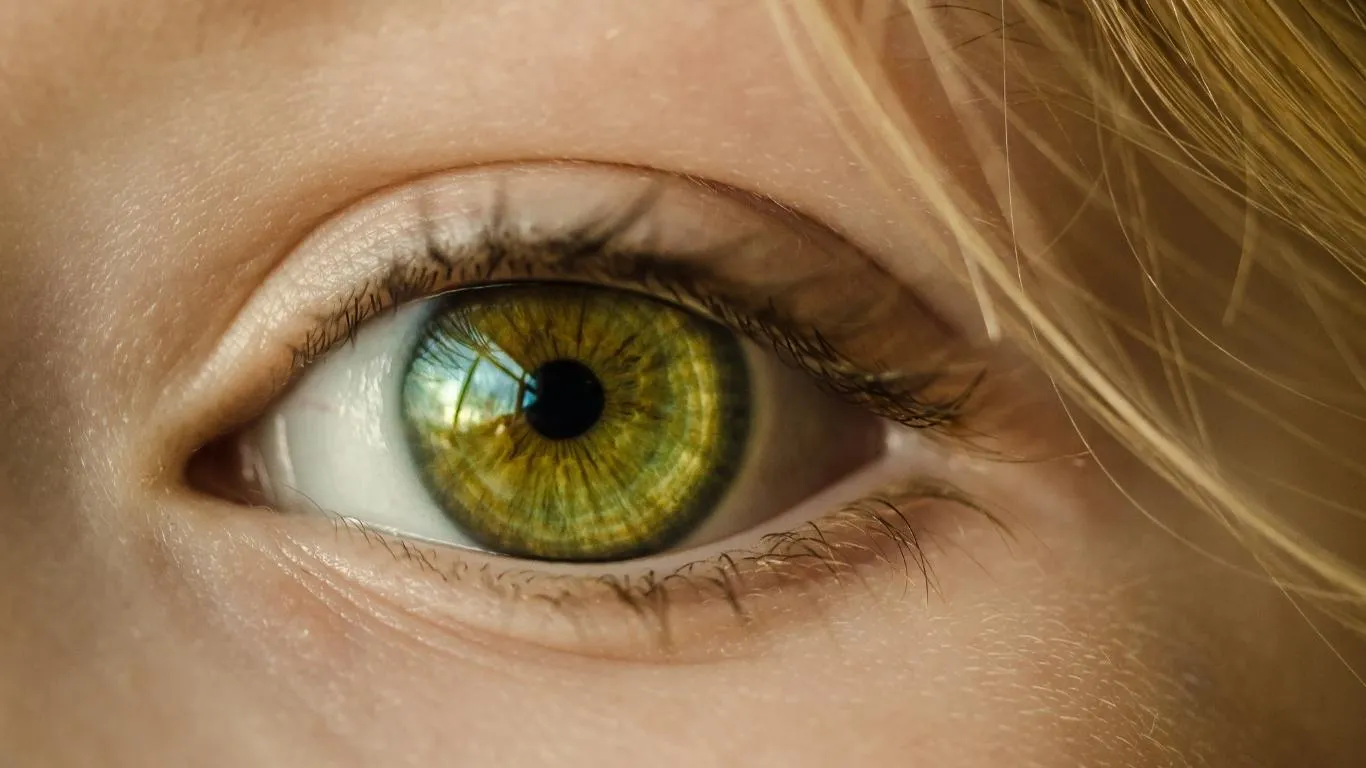
I’ll be honest — when I first saw those floaters, I panicked. They were everywhere, floating like translucent jellyfish in my line of sight. They didn’t hurt, but they were distracting. A visit to the eye doctor confirmed it wasn’t anything serious in my case. But it taught me how little people actually talk about fever-related floaters — even though they’re more common than we think.
According to this American Academy of Ophthalmology article, floaters are usually benign, but any sudden changes — especially during illness — warrant a check-up. Better safe than sorry.
What Conditions Could Be Behind Floaters and Fever?
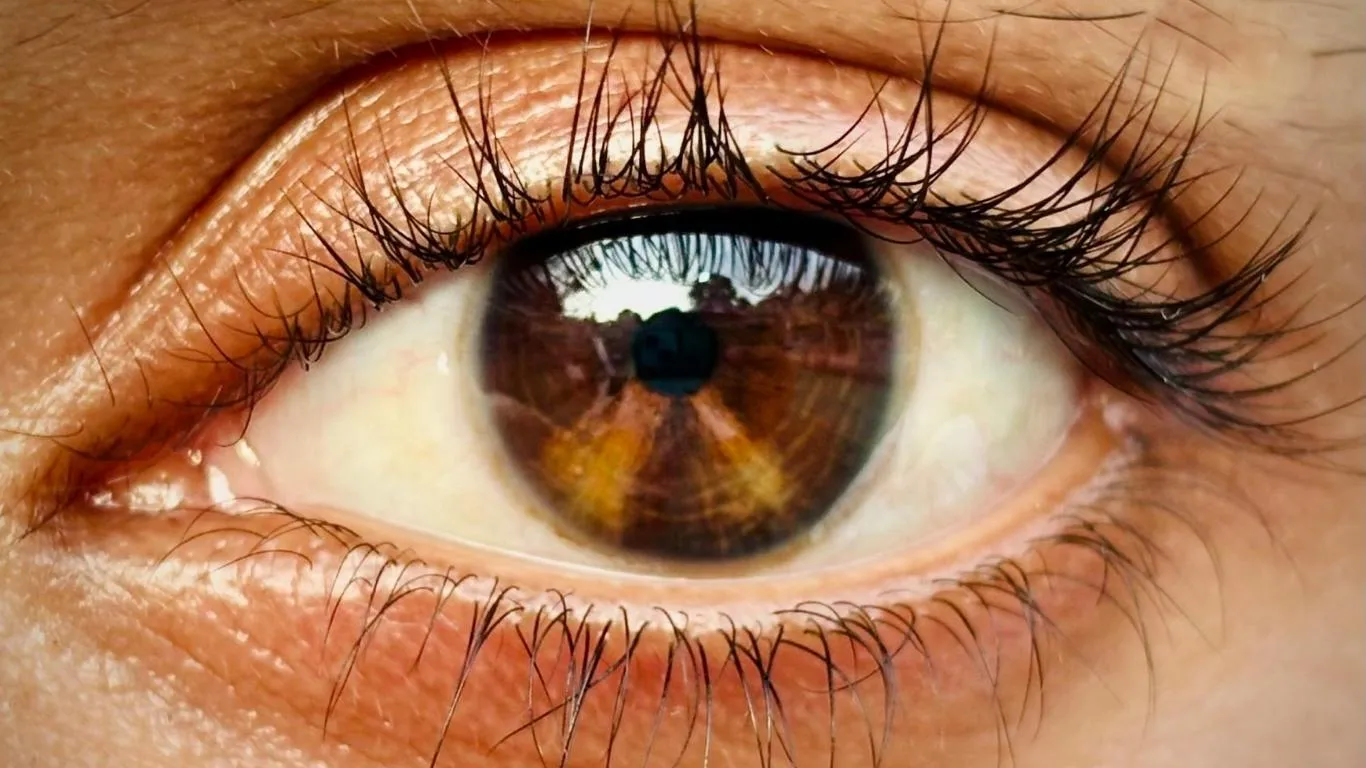
If you’ve experienced floaters with fever, here are a few medical conditions to consider:
- Viral Uveitis: Often linked to herpes viruses or cytomegalovirus, this can cause floaters, blurred vision, and pain.
- Autoimmune Conditions: Diseases like lupus can cause both fever and inflammation in the eyes. Floaters may be the first sign.
- Posterior Vitreous Detachment (PVD): Fever-related dehydration may accelerate vitreous shrinkage, triggering PVD and floaters. Here’s what you need to know: Posterior Vitreous Detachment & Floaters.
- Viral Eye Infections: Conditions like viral endophthalmitis can be serious, especially if accompanied by floaters and fever.
Dehydration, Fever, and Eye Floaters
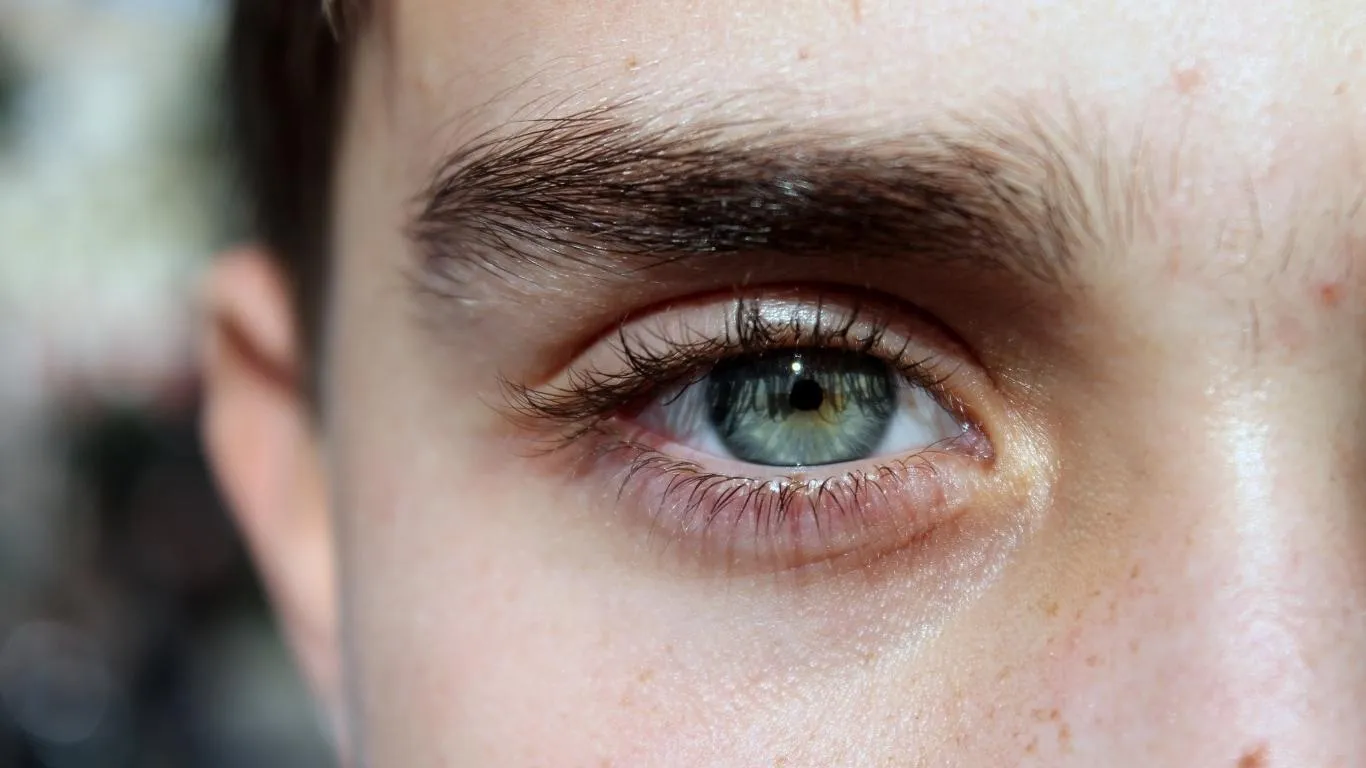
Another lesser-known factor? Dehydration. Fevers often lead to excessive sweating, loss of fluids, and a higher risk of dehydration. And believe it or not, dehydration can make floaters worse. The vitreous humor — that jelly inside the eye — is about 99% water. When we’re dehydrated, its consistency changes, which might lead to more noticeable floaters.
When It’s Just a Coincidence
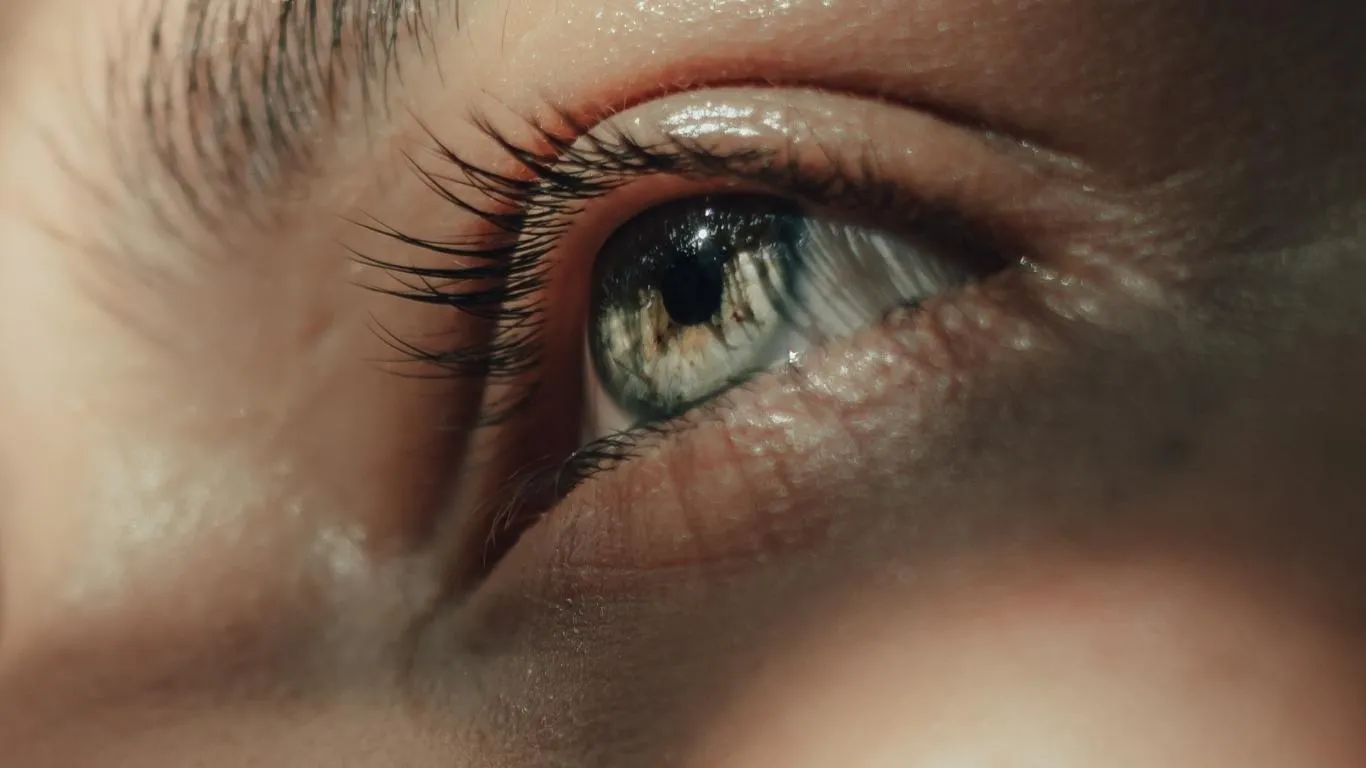
It’s entirely possible for floaters and fever to just happen at the same time by chance. Age, genetics, and even screen time can cause floaters to appear. In fact, screen-related eye strain may also make floaters more visible — something I noticed while doom-scrolling during a sick day.
But if you’re unsure, always check in with a doctor. Especially if your floaters change rapidly, look like black dots, or are accompanied by visual flashes. Floaters can be a benign quirk — or an early warning sign.
For a more in-depth breakdown of what causes floaters, how they develop, and when to be concerned, I recommend checking out this detailed article on eye floaters that covers everything from symptoms to treatment options.
How Long Do Floaters Last After a Fever?

After I recovered from that fever episode, I kept wondering: how long will these floaters stay? The reality is, it varies. Some people notice them for a few days, while for others, floaters might linger for weeks or even months. It depends on what caused them in the first place — whether it was inflammation, infection, or vitreous changes.
Most of the time, the brain gets used to floaters and learns to filter them out. But if they persist or get worse, don’t just ignore it. Sometimes that’s your body whispering, “Hey, something deeper might be going on.”
Post-Fever Monitoring Tips
- Track the number and size of floaters — take note if they increase.
- Watch for new symptoms like flashes, pain, or blurry vision.
- Stay hydrated and rest your eyes — yes, screen detox helps.
- Consider seeing an optometrist or ophthalmologist for a dilated eye exam.
I actually kept a journal for a few days. Silly, I know, but it helped me notice patterns. Mine faded significantly by the third week — but that’s not a rule for everyone.
Could It Be a Retinal Problem Instead?
One concern I had — and one many eye doctors flag — is retinal detachment. While rare, some people develop floaters as a first sign of retinal tearing, especially after trauma or sudden vitreous changes. It’s one reason doctors take new floaters seriously.
Symptoms that lean toward a retinal issue:
- Sudden explosion of floaters
- Flashes of light like camera bursts
- Peripheral vision loss
- Heavy eye pressure or pain
If any of these appear during or after a fever, it’s worth checking out. While fevers aren’t typically the direct cause of retinal issues, they can sometimes accelerate underlying changes — especially in older adults or people with prior eye trauma.
Immune Reactions and Floaters
One fascinating area researchers are looking at is how the immune system might indirectly trigger floaters. When you’re sick, your immune system ramps up to fight the invader. But sometimes, that fight causes inflammation in other places — like the vitreous.
This is especially true in autoimmune diseases or systemic infections that come with fever. In some rare cases, the immune system can attack the eye tissues themselves. Conditions like lupus or autoimmune uveitis can lead to chronic floaters that show up during flare-ups, often alongside a fever spike.
If your floaters appear every time you get sick, or with every fever episode, it might be worth testing for autoimmune markers. It’s not a common cause, but it does happen.
Can Children or Teens Get Floaters During Fever?
Short answer? Yes, but it’s rare. Kids and teens can get floaters during viral illnesses or after head trauma. However, since their vitreous is still very firm and jelly-like, it’s less common compared to adults. Most pediatric floaters come from inflammation or infections, like viral conjunctivitis or toxoplasmosis.
If your child mentions seeing “bugs” or “worms” floating in their eyes during a fever, don’t dismiss it. It might be harmless, but it’s worth ruling out serious causes — especially if they’re also dealing with headaches, nausea, or vision changes.
How Are Floaters with Fever Diagnosed?

If you head to an eye clinic with this concern, expect a few key steps:
- History: They’ll ask about the fever, duration, any infections, or trauma.
- Dilated Eye Exam: To look at your vitreous and retina under magnification.
- OCT or Ultrasound: For deeper imaging if inflammation or detachment is suspected.
- Bloodwork: Sometimes used if autoimmune or systemic infection is suspected.
In my case, a simple dilated exam ruled out anything serious. But I left feeling reassured — and with a new appreciation for what my eyes go through during illness.
Managing Floaters After a Fever
While there’s no magic cure for floaters (trust me, I’ve Googled everything), there are a few ways to manage them post-illness:
- Hydrate: Drink water regularly to keep your vitreous healthy.
- Reduce screen time: Screens can increase visual fatigue, making floaters more noticeable.
- Explore natural remedies — while not all are backed by strong science, some people swear by antioxidant-rich diets or eye-friendly supplements.
- Get regular eye exams: Especially if you’ve had floaters multiple times or with symptoms.
Oh, and if you’re the anxious type like me — grounding techniques can help. I found that focusing on objects far in the distance or stepping outside into natural light made the floaters less intrusive.
When Treatment Becomes Necessary
Most floaters don’t require treatment. But if they seriously affect your vision or mental well-being, some options exist:
- Vitrectomy: A surgical procedure that removes the vitreous gel. Very effective but carries risks.
- Laser vitreolysis: A non-invasive option for breaking up floaters — though not suitable for all types.
Floaters that appear after a fever and persist for more than 6-8 weeks should be evaluated, especially if they interfere with your daily activities. Your eye doctor might suggest observation or, in rare cases, more active treatment depending on severity.
If you’re looking for a deeper dive into treatment options and what to expect during a consultation, this guide covers everything from observation to surgery in clear detail.
Still curious about how eye floaters form, what they mean, and why they sometimes signal deeper issues? The pillar article on causes, symptoms, and treatments is the go-to source for everything you need to know.

Camellia Wulansari is a dedicated Medical Assistant at a local clinic and a passionate health writer at Healthusias.com. With years of hands-on experience in patient care and a deep interest in preventive medicine, she bridges the gap between clinical knowledge and accessible health information. Camellia specializes in writing about digestive health, chronic conditions like GERD and hypertension, respiratory issues, and autoimmune diseases, aiming to empower readers with practical, easy-to-understand insights. When she’s not assisting patients or writing, you’ll find her enjoying quiet mornings with coffee and a medical journal in hand—or jamming to her favorite metal band, Lamb of God.