Why Acupuncture for Anxiety Relief Feels Surprisingly Effective
I was skeptical the first time someone suggested acupuncture for anxiety relief. Lying still with needles in my skin didn’t sound like a calming experience—it sounded like a setup for more tension. But when nothing else seemed to quiet the restlessness in my chest or the overthinking that hijacked my mornings, I gave it a shot. To my surprise, it helped. Not instantly, not magically—but noticeably. If you’ve ever felt like your nervous system has a mind of its own, this might be a path worth exploring.
What Acupuncture Actually Is (And Isn’t)

Acupuncture isn’t just a trendy wellness thing. It’s an ancient practice rooted in Traditional Chinese Medicine (TCM), dating back more than 2,000 years. The idea is that your body has energy pathways, or “meridians,” and when those get blocked, symptoms—both physical and emotional—can show up. By inserting ultra-fine needles into specific points along these pathways, acupuncture helps restore balance and flow.
But let’s be real. If you’ve grown up in a Western medical system, this can sound a little out there. I get it. I needed science, not just vibes. Turns out, there’s growing research that supports acupuncture’s impact on anxiety—especially for people who haven’t responded well to other approaches.
How It Might Help With Anxiety
From a biomedical perspective, acupuncture is believed to affect the nervous system by:
- Stimulating the parasympathetic nervous system (aka the “rest and digest” mode)
- Reducing cortisol levels (your body’s main stress hormone)
- Releasing natural endorphins and serotonin, which regulate mood
A study published in Medical Acupuncture found that acupuncture reduced anxiety symptoms in patients with Generalized Anxiety Disorder more effectively than pharmaceutical treatment alone. Another article from Healthline breaks down how acupuncture influences the brain’s limbic system, which controls emotional response.
What a Typical Acupuncture Session Feels Like

Before trying it, I pictured rows of needles sticking out like a pincushion. It’s not like that. The needles are thinner than a strand of hair—most people barely feel them going in. You’ll usually lie on a padded table while the practitioner gently inserts needles into points that might be on your wrists, ankles, ears, or even between your eyebrows. Then, you rest.
And honestly? That part is weirdly calming. The room is quiet, dim, and warm. You lie there for about 30 minutes, sometimes with soft music playing in the background. It becomes a break from the buzzing thoughts—a pause button your brain didn’t know it needed.
First-Time Tips
- Eat beforehand: Don’t go in hungry or overly full—your body needs balance to relax.
- Wear loose clothes: This makes it easier to access treatment points.
- Speak up: Let your acupuncturist know about your anxiety patterns, sleep issues, or energy levels.
- Don’t expect instant transformation: Most benefits build over time with consistent sessions.
My first session didn’t erase my anxiety—but I walked out feeling a little more grounded. And that was enough to get me to book another one.
Which Types of Anxiety Acupuncture May Support

Not all anxiety looks the same, and acupuncture can be tailored depending on what you’re struggling with. For me, it was a mix of constant overthinking and physical tension. But other people use it to calm panic attacks, improve sleep, or ease the social dread that comes with going out in public.
Conditions People Commonly Seek Acupuncture for:
- Generalized Anxiety Disorder (GAD): Chronic worry, irritability, and muscle tightness
- Panic Disorder: Sudden episodes of fear and physical discomfort
- Social Anxiety: Fear of being judged, embarrassed, or overwhelmed in public
- Sleep Disturbances: Anxiety-fueled insomnia or restless nights
- Somatic Symptoms: Stomach issues, headaches, or chest tightness related to anxiety
What’s helpful is that acupuncture can often complement other treatments. It doesn’t have to be either/or. In fact, many use it alongside therapy or medication to ease side effects or boost emotional resilience.
How to Find the Right Acupuncturist for Anxiety

Like with any health practitioner, the person matters just as much as the treatment. A good acupuncturist will listen carefully, ask about your physical and emotional symptoms, and adjust the treatment to match your needs.
What to Look For:
- Licensing: Look for credentials like L.Ac. (Licensed Acupuncturist) or board certifications.
- Experience with mental health: Ask if they’ve worked with clients who experience anxiety.
- Comfort and communication: You should feel heard and not rushed during your visit.
- Clean, calm clinic environment: The setting should feel safe and peaceful—this really affects your experience.
If you’re not sure where to start, your therapist, doctor, or even local wellness centers often have referrals. Word of mouth from friends or online reviews can help too. Just make sure the person understands anxiety as more than just physical symptoms.
And remember, complementary therapies like acupuncture don’t replace core medical care—but they can absolutely support it. If you want to explore other clinically-backed paths, take a look at this guide on complementary and alternative therapies for anxiety. It’s packed with options that go beyond the usual route, from meditation to herbal support.
For a more comprehensive look at how anxiety shows up in your entire life—not just your symptoms—this overview on how anxiety disorders affect your daily life connects the dots in a powerful way.
I didn’t expect much when I walked into my third acupuncture session. Honestly, I was still a little skeptical. But something had shifted. That tight feeling in my chest wasn’t as sharp. I didn’t flinch when my phone buzzed. I left the clinic not just relaxed—but clear. For the first time in a long time, I wasn’t bracing for something bad. That’s when I realized acupuncture for anxiety relief wasn’t just about reducing symptoms—it was about giving my nervous system space to breathe again.
What Science Says About Acupuncture and Long-Term Anxiety Relief
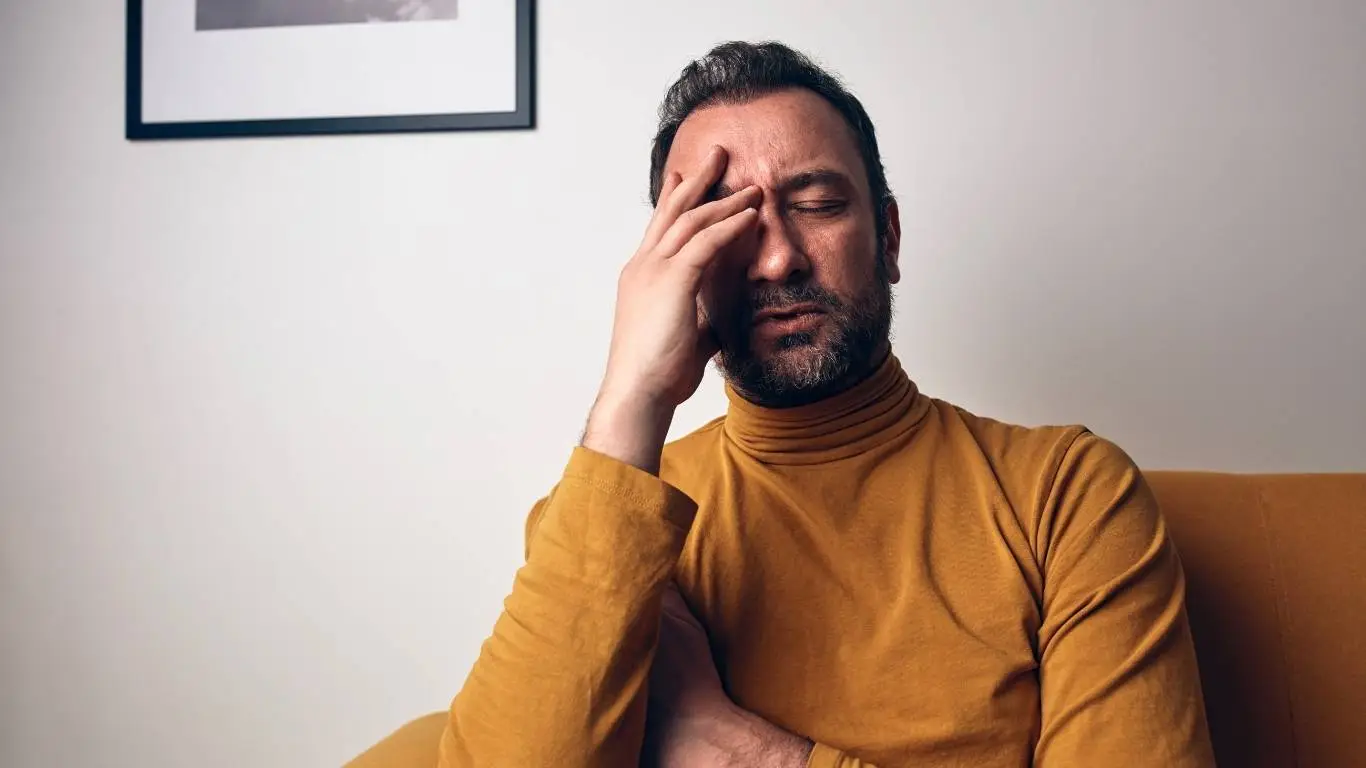
There’s still a lot we’re learning about how acupuncture works from a Western science perspective, but the research is catching up. And the results? Encouraging.
Clinical trials have shown that regular acupuncture sessions can lead to sustained reductions in anxiety symptoms—even for individuals who haven’t responded to conventional treatments alone. A 2021 randomized controlled trial published in PLOS One concluded that acupuncture significantly reduced generalized anxiety over 12 weeks compared to a control group.
Some of the Mechanisms Being Studied
- Neurotransmitter modulation: Acupuncture may increase serotonin and dopamine levels, enhancing mood and calm.
- Heart rate variability (HRV): Higher HRV, associated with better stress resilience, has been observed post-treatment.
- Hypothalamic-pituitary-adrenal (HPA) axis regulation: This is your body’s stress response system, and acupuncture appears to help regulate it.
It’s not a miracle fix, but it’s a valid therapeutic tool that continues to show measurable outcomes, especially when done consistently and alongside other supportive care.
Integrating Acupuncture Into Your Anxiety Management Plan

One of the things that’s helped me the most is seeing acupuncture not as a standalone solution, but as part of a broader routine that keeps me grounded. It’s one piece of the puzzle—an important one, but still a piece.
Ways to Combine Acupuncture With Other Tools
- Talk therapy: Combining acupuncture with CBT or ACT can address both physical tension and cognitive distortion.
- Lifestyle routines: Adding movement (like yoga or walking) supports body regulation between sessions.
- Mindful nutrition: What you eat affects how your nervous system functions—consider anti-inflammatory foods or magnesium-rich options.
- Sleep hygiene: Quality rest amplifies the nervous system’s ability to recover and respond to treatment.
I also started tracking my sessions—writing down how I felt afterward, what points were used, how I slept that night. Over time, I noticed patterns. On days I paired acupuncture with a walk or a journaling session, the benefits lasted longer. That kind of self-awareness becomes a compass, helping you shape what works best for your unique system.
How Often Should You Get Acupuncture for Anxiety Relief?

There’s no one-size-fits-all answer here—but consistency matters. Most acupuncturists recommend starting with weekly sessions for 4–6 weeks, then reassessing. Some people respond quickly, others more gradually. After the initial phase, you may taper down to bi-weekly or monthly maintenance.
Listen to Your Body
- If you notice sleep improving, less tension, or more emotional resilience—those are good signs it’s working.
- If nothing shifts after 6–8 sessions, it’s worth revisiting your treatment plan with your practitioner.
- More isn’t always better—but regularity tends to deepen results.
For me, once a week was ideal in the beginning. I’d walk in jittery and walk out steady. Over time, I noticed I wasn’t spiraling as often. And when I did, I bounced back quicker.
What to Expect Long-Term

The beauty of acupuncture is in its subtlety. You don’t always leave the table feeling transformed—but days later, you realize you handled something with more ease. You said “no” without guilt. You stopped doomscrolling. You didn’t replay that awkward moment 27 times in your head.
It’s not about becoming someone else. It’s about feeling more like yourself—before the overthinking, before the panic, before your nervous system decided that everything was a threat.
The longer I stuck with acupuncture, the more I noticed that my anxiety no longer ran the show. I still had stress. I still had triggers. But my baseline was different—calmer, steadier, more flexible.
When Acupuncture Might Not Be the Right Fit

Not every tool works for everyone. And that’s okay. Acupuncture isn’t a replacement for trauma therapy, medical intervention, or necessary psychiatric care. If you have severe panic attacks, PTSD, or complex mental health conditions, acupuncture should be used alongside—not instead of—evidence-based treatment.
Also, some people just don’t enjoy the experience. And that’s valid. If you tense up during sessions or leave feeling unsettled, that’s worth exploring. Sometimes it’s about the practitioner; sometimes, it’s about timing.
Who Should Proceed With Caution?
- Those with blood disorders or on blood-thinners (need to disclose this first)
- People uncomfortable with needles (there are acupressure alternatives)
- Anyone with untreated major depressive episodes or psychosis (always involve a licensed mental health provider)
Always consult your healthcare provider before starting any new treatment—especially if you’re already navigating a complex mental health plan. Safety first. Your body deserves thoughtful care, not trial and error in isolation.
Creating a Personalized Calm Strategy That Includes Acupuncture

What I’ve learned over the last year is that managing anxiety isn’t about finding “the fix.” It’s about building a toolkit—something that evolves with your needs. For me, that toolkit now includes acupuncture, daily walks, journaling, certain supplements, and therapy check-ins every few months. When one piece gets shaky, the others help carry the load.
If you’re just starting this journey, be patient with yourself. Try different things. Track what works. Talk to professionals you trust. Learn your patterns. And don’t underestimate the power of feeling just a little better. A few calm moments can change the shape of your whole day.
If you’d like to explore how acupuncture fits into the bigger lifestyle picture of anxiety relief, this guide on lifestyle and self-help strategies for anxiety is a great next step.
Or, for a full look at how anxiety influences more than just mood—from habits to relationships—take a moment with this honest read: why anxiety disorders can secretly control your daily life.

Camellia Wulansari is a dedicated Medical Assistant at a local clinic and a passionate health writer at Healthusias.com. With years of hands-on experience in patient care and a deep interest in preventive medicine, she bridges the gap between clinical knowledge and accessible health information. Camellia specializes in writing about digestive health, chronic conditions like GERD and hypertension, respiratory issues, and autoimmune diseases, aiming to empower readers with practical, easy-to-understand insights. When she’s not assisting patients or writing, you’ll find her enjoying quiet mornings with coffee and a medical journal in hand—or jamming to her favorite metal band, Lamb of God.