
Can Retinal Vein Occlusion Cause Persistent Floaters?
It started with a shadow—like a wisp of cobweb floating across my vision. I blinked, rubbed my eyes, tried focusing on different objects. But the squiggly little specks just danced with me. Fast forward a few weeks later, I was sitting in an ophthalmologist’s office hearing the words: “retinal vein occlusion.” If you’ve ever wondered whether retinal vein occlusion floaters are a real concern or just another optical illusion, let me tell you—they’re very real. And if you’re dealing with persistent floaters that just won’t quit, you might want to keep reading.
What Exactly Is Retinal Vein Occlusion?
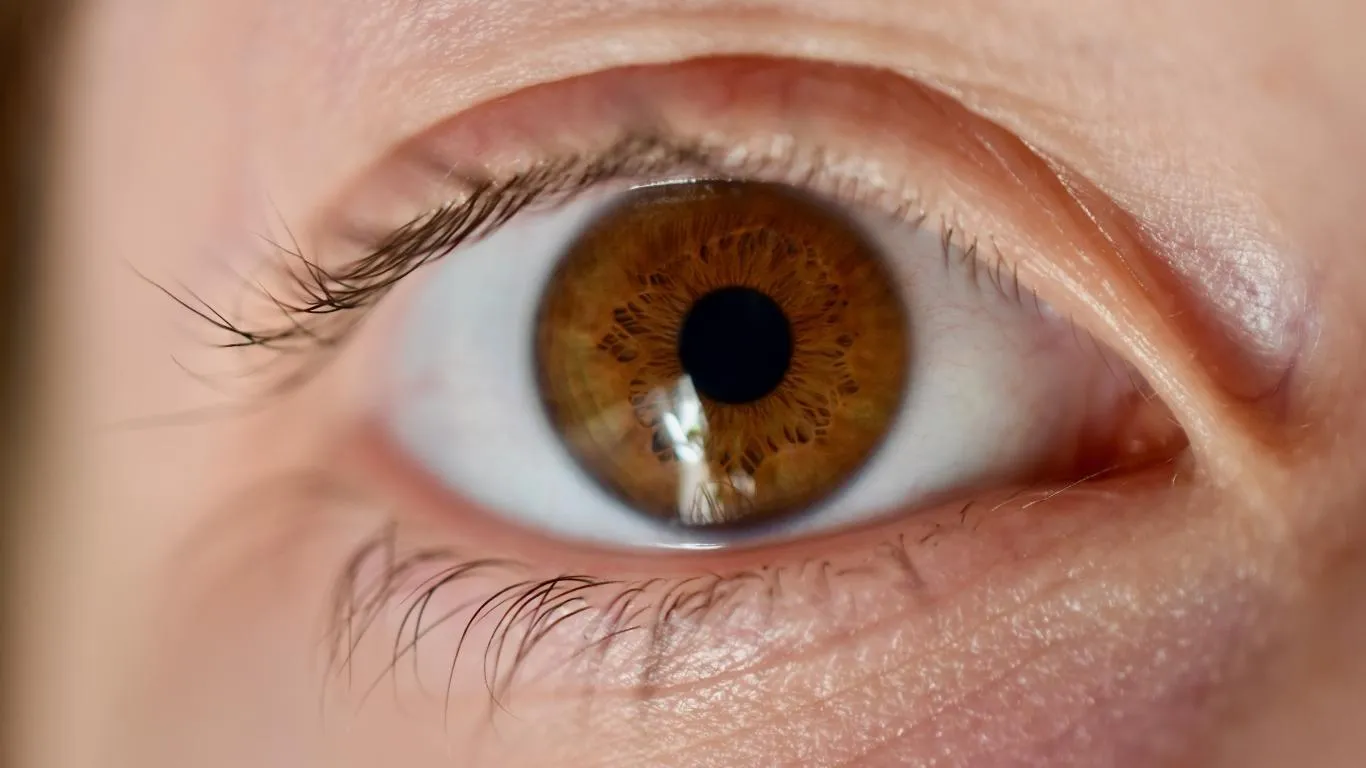
Retinal vein occlusion (RVO) is a condition where one of the veins that carries blood away from the retina becomes blocked. Think of it like a traffic jam in your eye’s blood vessel highway. This backup can cause blood and fluid to spill into the retina, leading to swelling, bleeding, and in many cases, visual disturbances like floaters.
There are two types:
- Central Retinal Vein Occlusion (CRVO): Affects the main vein, usually more severe.
- Branch Retinal Vein Occlusion (BRVO): Impacts smaller vein branches; symptoms vary based on location.
Either way, the result can feel like you’re staring through fog—or worse, like dark specks or shadows constantly drifting across your sight.
Can Floaters Be a Symptom of Retinal Vein Occlusion?
Yes, and not just a one-off. Floaters can be a key symptom, especially when the blockage leads to bleeding into the vitreous (the gel-like substance inside your eye). I remember vividly how mine appeared almost overnight—dozens of them, like black pepper in water. And they didn’t go away quickly.
These floaters aren’t your average age-related specks. They’re often darker, more persistent, and more intrusive. The risk of retinal damage from RVO increases if left untreated, and floaters can be an early clue.
What Causes the Floaters in This Case?
- Hemorrhage: Blood leaks into the vitreous, casting shadows.
- Inflammation: Swelling from vascular blockage can lead to clumps in the vitreous.
- Tissue damage: Deterioration of the retina or vitreous structure may form permanent floaters.
In my case, the floaters were caused by a vitreous hemorrhage—confirmed via a dilated eye exam and OCT scan. My doctor explained that when blood mixes with the clear vitreous gel, it creates these moving shadows we perceive as floaters. Some dissolve, but others stay around like uninvited guests.
Why Do Some Floaters Stay So Long?

It’s frustrating, isn’t it? I kept expecting mine to fade within weeks. But months later, I still had two particularly annoying ones that loved hovering near the center of my vision.
The persistence often depends on:
- The severity of the vein blockage – More bleeding usually means longer-lasting floaters.
- Your body’s ability to absorb blood and debris – Some people clear them faster than others.
- Location of the floaters – If they settle in the middle of the vitreous, they’re harder to ignore.
In my own experience, I tried everything from eye exercises to adjusting lighting at home to reduce the distraction. It helped a little. But let’s be real—some floaters just take their sweet time leaving.
Are These Floaters Dangerous?
Here’s the thing: floaters themselves aren’t always dangerous. But when caused by RVO, they can signal serious complications. Retinal detachment, macular edema, or even vision loss aren’t out of the question. You shouldn’t ignore sudden or worsening floaters, especially when accompanied by flashes of light or partial vision loss.
One thing I learned the hard way—ignoring floaters linked to trauma or vascular issues is risky. I waited too long to get checked, and while I avoided permanent damage, I came close.
Diagnosing Floaters from Retinal Vein Occlusion

When I finally got serious and visited a retina specialist, here’s what they did:
- Dilated fundus exam – To directly observe the retina and vitreous.
- Optical coherence tomography (OCT) – High-res images of retinal layers.
- Fluorescein angiography – A dye test to detect blockages and bleeding.
That combination confirmed what I feared: I had a branch retinal vein occlusion with mild hemorrhaging. I wasn’t thrilled, but at least I knew what I was dealing with.
If you’ve recently noticed persistent floaters and are over 50, have hypertension, diabetes, or even just high cholesterol, you’re already in the at-risk category. Take it seriously. Even elevated blood pressure could trigger floaters via RVO.
Management and What Helped Me Cope
Here’s the frustrating part—there’s no magic eye drop that zaps floaters away. But here’s what helped me manage and slowly improve:
- Anti-VEGF injections: These were offered to reduce retinal swelling. I didn’t need them but know many who did and saw real results.
- Time and patience: My retina specialist told me most hemorrhagic floaters resolve over 3–6 months. Not comforting at the time, but true.
- Eye floaters awareness techniques: Adjusting background contrast on screens, reading with proper lighting, and avoiding bright outdoor light helped minimize the visual impact.
- Monitoring my health: Managing blood pressure and cholesterol is now part of my routine. I won’t risk another episode.
If you want a deep dive into broader treatment options for floaters, this guide on treatment approaches is worth bookmarking.
Also, for a full overview of floaters in general—including causes, symptoms, and all treatment paths—don’t miss this foundational read: Eye Floaters: Causes, Symptoms, and Treatment Options.
For a better understanding of how serious floaters can be and when to worry, I found this article incredibly useful: When Are Eye Floaters Dangerous?
When to Worry and What to Watch For

So how do you know when retinal vein occlusion floaters are more than just an annoyance? From my own experience and a few sleepless nights of Googling (plus a bunch of follow-up appointments), here’s what I learned to never ignore:
- Sudden increase in floaters: Especially if they’re dark or seem like a shower of black specs.
- Flashes of light: These can be warning signs of retinal tearing.
- Blurred or wavy central vision: Could be macular edema setting in.
- A shadow or “curtain” in your vision: Immediate red flag for retinal detachment.
These symptoms can signal that the blockage is triggering more severe issues. Floaters may even precede a retinal tear, and that’s not something to take lightly. I got lucky—mine stayed stable. But my ophthalmologist was clear: if anything changes, get checked fast.
Do Floaters Ever Go Away Completely?
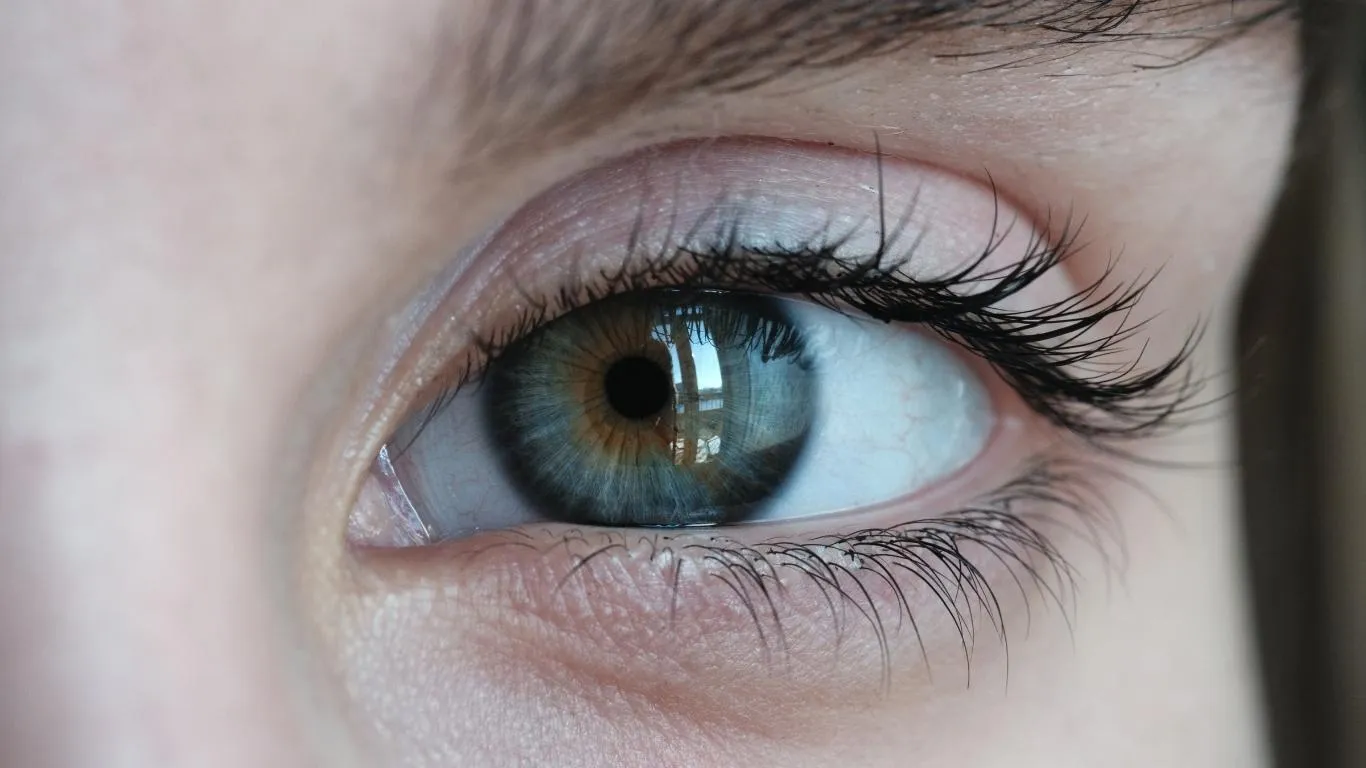
For many of us, yes. But not always. Floaters from a vitreous hemorrhage due to RVO can take weeks or even months to settle down. Some fade into the peripheral vision. Others become less noticeable as your brain learns to ignore them.
Mine? Two of them vanished over time. One stayed. It’s still with me today, almost like a visual bookmark to remind me of what my eyes went through. I’ve learned to live with it, and some days I don’t notice it at all.
In rare cases, vitrectomy surgery is recommended. That’s when doctors go in and remove the vitreous entirely, replacing it with a clear solution. It’s not usually offered for mild floaters—but if vision is severely affected, it might be worth asking about. More on that here.
What You Can Do to Support Eye Health
If you’ve been diagnosed with RVO or are simply managing persistent floaters, the key is supporting your eyes in every way possible. Here’s what helped me feel more in control:
- Routine eye exams: Early detection is your best weapon. I now schedule mine twice a year.
- Manage systemic health: Keep blood pressure, cholesterol, and blood sugar in check. Diabetes can make things worse.
- Hydration: It’s basic, but staying hydrated helps reduce eye strain and vitreous clumping. Here’s why dehydration matters.
- Limit screen time: Not always possible, but I use blue light filters and take breaks every 20 minutes now. Screen fatigue and floaters are definitely connected.
- Supplements and nutrition: My retina doc recommended lutein, zeaxanthin, and omega-3s. No miracle cures, but they support overall retinal health.
Honestly, just being proactive made me feel better—like I was doing something to support healing. I also found it helpful to read about other cases and eye conditions that overlap. Autoimmune conditions and floaters? Yep, it’s a thing.
How RVO Differs from Other Causes of Floaters

At first, I thought floaters were just a harmless part of aging. I had no clue there were different types or causes. With RVO, the floaters feel more aggressive. Compared to the common degenerative floaters that sneak in around your 50s or 60s, these were darker, more mobile, and they showed up fast.
Unlike mild floaters caused by vitreous aging, floaters tied to retinal vein occlusion usually result from bleeding or sudden vascular changes. That distinction is critical—because it determines what kind of treatment or monitoring you’ll need.
For example, black floaters are often tied to bleeding, and if you’re noticing them alongside blurry vision, that’s a retina emergency waiting to happen.
Staying on Top of Retinal Health
My biggest takeaway from dealing with retinal vein occlusion floaters? Don’t wait it out. The earlier you catch the condition, the better your odds of preserving vision and avoiding complications. If something in your sight feels off—trust your gut and get it checked. It’s your only pair of eyes.
There’s also a lot of misinformation out there, especially online. Stick with expert sources. One resource that gave me a full picture of the different floaters and how they differ from other eye issues was this: Eye Floaters vs. Other Eye Problems. Worth a read if you’re trying to sort out symptoms.
If you’re just getting started on your eye floater journey and need to understand everything from square one, this comprehensive pillar article is your go-to: What Are Eye Floaters? Causes, Symptoms, and Treatment Options.
And for more context on the causes of floaters beyond RVO, including injury, aging, and infections, here’s another excellent breakdown: Common Causes of Eye Floaters.
So What Helped Most?

Time, good advice, a trusted retina specialist, and learning not to obsess over every tiny speck floating across my vision. Floaters from retinal vein occlusion are scary—but manageable. Keep an eye on your symptoms, stay on top of your health, and when in doubt, get professional guidance.
Trust me—your future self will thank you.

Camellia Wulansari is a dedicated Medical Assistant at a local clinic and a passionate health writer at Healthusias.com. With years of hands-on experience in patient care and a deep interest in preventive medicine, she bridges the gap between clinical knowledge and accessible health information. Camellia specializes in writing about digestive health, chronic conditions like GERD and hypertension, respiratory issues, and autoimmune diseases, aiming to empower readers with practical, easy-to-understand insights. When she’s not assisting patients or writing, you’ll find her enjoying quiet mornings with coffee and a medical journal in hand—or jamming to her favorite metal band, Lamb of God.