Can Rheumatoid Arthritis Floaters Be a Sign of Eye Trouble?
Last year, while adjusting to the unpredictable ups and downs of my rheumatoid arthritis (RA), I noticed something odd—tiny specks drifting across my vision. At first, I thought it was dust or maybe sleep in my eyes, but they didn’t go away. They just floated there, mocking me like tiny ghosts. Turns out, these were eye floaters. What I didn’t expect was how much they’d intersect with my autoimmune journey.
What Are Eye Floaters and Why Are They a Concern for People with RA?
Eye floaters are those squiggly lines or cobweb-like shapes that drift around in your vision. They’re especially noticeable when looking at something bright—like a clear sky or a white screen. For most people, they’re harmless and just part of aging. But for those of us managing chronic inflammatory conditions like rheumatoid arthritis, they might signal something deeper.
RA isn’t just about joints. It’s a full-body autoimmune condition that can affect various systems, including the eyes. What surprised me most was learning how chronic inflammation could reach into the delicate tissues inside my eyes.
The Autoimmune Connection Between RA and Floaters
RA causes the body’s immune system to mistakenly attack healthy tissue. In the eyes, this can trigger inflammation in different parts—like the uvea (which surrounds the eye) or the retina. This inflammation can lead to complications such as posterior uveitis, vitritis, and yes—vitreous floaters.
- Uveitis: inflammation in the eye’s middle layer, which can cloud the vitreous fluid and create floaters.
- Vasculitis: inflammation of blood vessels that may affect retinal circulation, indirectly causing floaters.
- Vitritis: inflammation directly in the vitreous gel, resulting in visible specks or haze in the vision.
Each of these conditions is potentially linked to RA flares or long-term immune dysregulation. If you’re seeing floaters along with pain, light sensitivity, or blurred vision, it could be a red flag.
RA patients with eye symptoms should not ignore these visual disturbances. According to the American Academy of Ophthalmology, uveitis can lead to permanent vision loss if left untreated. That’s not just fear-mongering—it’s a reality I almost ignored myself.
How RA Medications Might Trigger or Worsen Eye Floaters
Managing rheumatoid arthritis often involves immunosuppressants, steroids, or disease-modifying antirheumatic drugs (DMARDs). These treatments work wonders for joint pain and systemic inflammation—but they can be a double-edged sword for eye health.
Steroids and the Vitreous Body
One of the first medications I was prescribed was a corticosteroid. Within a few weeks, I noticed more floaters. Coincidence? Maybe. But research shows prolonged steroid use, especially steroid eye drops, can weaken the collagen in the vitreous, accelerating its breakdown.
Here’s a deep dive into this topic from this Healthusias article. It covers how topical and systemic steroids could contribute to floaters, particularly in autoimmune patients.
Immunosuppressants and Infection Risk
Another twist? RA meds that suppress your immune system can make you more prone to infections—including viral eye infections that present with sudden floaters. I had a mild case of viral conjunctivitis that ended up triggering a few new floaters. In hindsight, I should have acted faster.
Inflammation-Driven Eye Conditions in RA
RA can lead to serious inflammatory eye conditions beyond dry eye syndrome. One of the most dangerous is posterior uveitis. This back-of-the-eye inflammation can fill the vitreous with immune cells, debris, or even scar tissue—all of which show up as floaters.
Many ophthalmologists agree that floaters in RA patients shouldn’t be brushed off. They could be a sign of:
- Autoimmune-related retinal involvement
- Immune complexes in the vitreous gel
- Macular edema or optic nerve complications
This article on uveitis and floaters goes in-depth on what to look out for. It helped me push for a referral to a specialist when my optometrist initially dismissed my concerns.
Is It RA or Something Else? Other Triggers to Consider
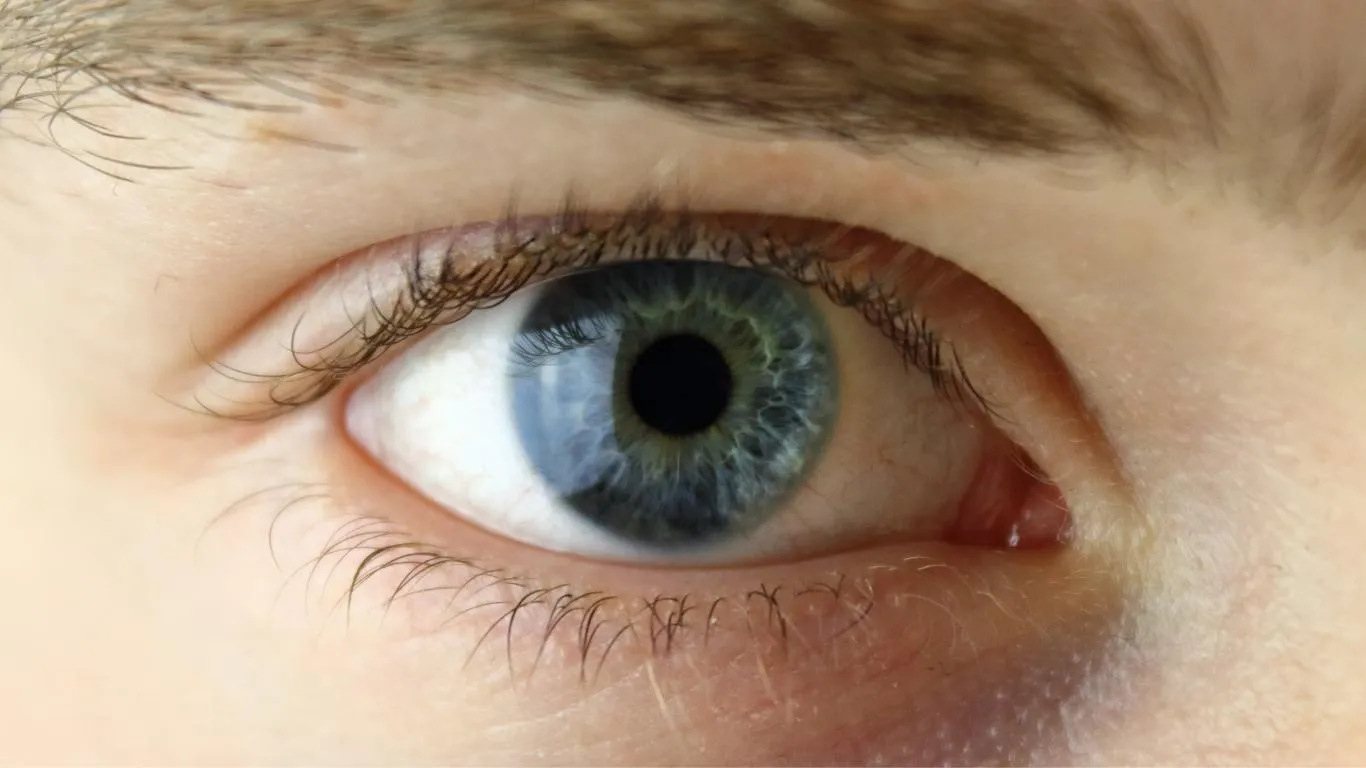
Of course, not every floater in an RA patient is due to the disease. Other factors could be at play. For instance, I once attributed a new wave of floaters to RA when it turned out to be a precursor to a retinal tear.
Some other potential causes to consider:
- Age-related vitreous changes (normal over 40)
- Eye trauma or past injuries
- Past or recent eye surgeries, like cataract removal
- Dehydration and eye dryness—both common in RA flares
Want a deep dive into common causes? This pillar article from Healthusias is a solid place to start.
When to Worry: Symptoms That Require Immediate Care
From personal experience, knowing when to panic and when to stay calm is crucial. If you’re seeing floaters, here are signs it could be an emergency:
- Sudden increase in floaters, especially paired with flashing lights
- Shadow or curtain-like loss of vision
- Pain or redness that doesn’t ease up
- Blurred or distorted central vision
If any of these show up, don’t wait. You might be dealing with something serious like a posterior vitreous detachment or even a retinal tear.
And here’s a comprehensive overview that ties together the basics: What Are Eye Floaters?. This main pillar article does a fantastic job explaining floaters from top to bottom, whether you’re dealing with autoimmune issues or not.
What Your Eye Exam Might Reveal (And Why You Shouldn’t Skip It)
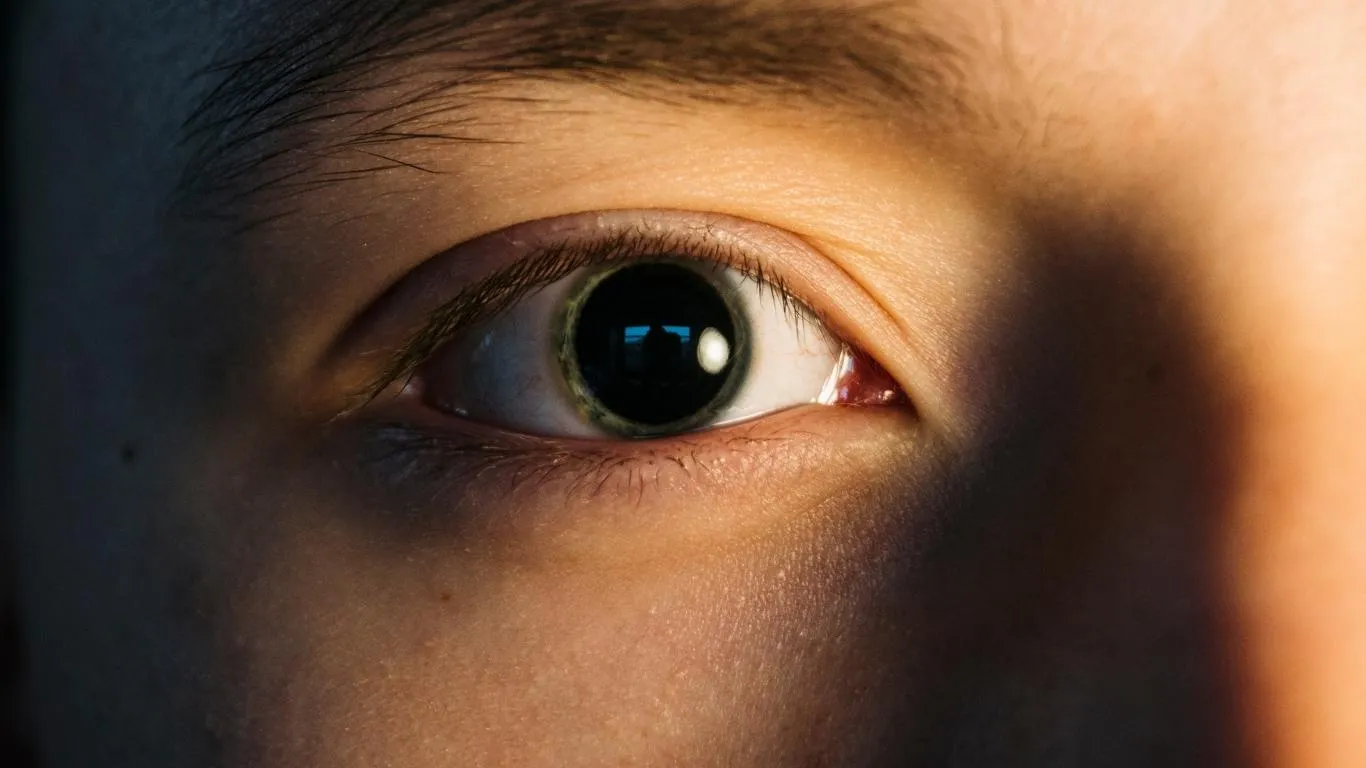
I used to assume my annual eye exams were just routine. But after dealing with floaters and an RA diagnosis, I learned how critical they are. A comprehensive eye exam can detect early signs of inflammation, retinal complications, and even issues with the optic nerve—sometimes before you notice symptoms.
Your ophthalmologist may use:
- Dilated eye exams to inspect the retina and vitreous for floaters or bleeding.
- OCT scans (Optical Coherence Tomography) to check for macular edema or uveitis-related swelling.
- Fundus photography to monitor long-term changes in your eye structure.
During one visit, my eye doctor spotted early posterior uveitis that hadn’t yet impacted my vision. Catching it early meant we adjusted my RA treatment before things got worse. RA flare-ups can sneak into your eyes without fanfare. Don’t wait for a vision crisis to take it seriously.
Managing Floaters When You Have RA
If you’re seeing floaters and have rheumatoid arthritis, there are ways to manage both. Not everything requires invasive treatment, and some floaters do fade or become less noticeable over time. Here’s what helped me:
Work Closely with Both Your Rheumatologist and Eye Doctor
Co-management is essential. RA medications may need adjustment if your eyes are being affected. I once had to switch from one DMARD to another because of recurring floaters tied to eye inflammation. The right team will look at your whole body—not just the joints.
Explore Non-Surgical Options First
For most RA-related floaters, the focus is on treating the inflammation—not removing the floaters. That said, severe floaters due to inflammatory debris might be treated with:
- Topical corticosteroids for localized inflammation
- Systemic corticosteroids during acute flares (with caution)
- Immunomodulators like methotrexate if your current RA meds aren’t protecting your eyes
You can read more about eye floater treatment options in this guide—it includes when surgery might be appropriate and when to just observe.
Minimize Your Flare Triggers
This one’s personal. After tracking my flare-ups, I noticed more floaters followed intense stress and dehydration. So I now make hydration a non-negotiable part of my routine. There’s also evidence that dehydration can worsen floaters, particularly in those with chronic conditions.
Getting enough rest, staying hydrated, and managing inflammation with anti-inflammatory foods might sound basic, but they help more than you’d think.
When Floaters Are a Sign of Something Bigger
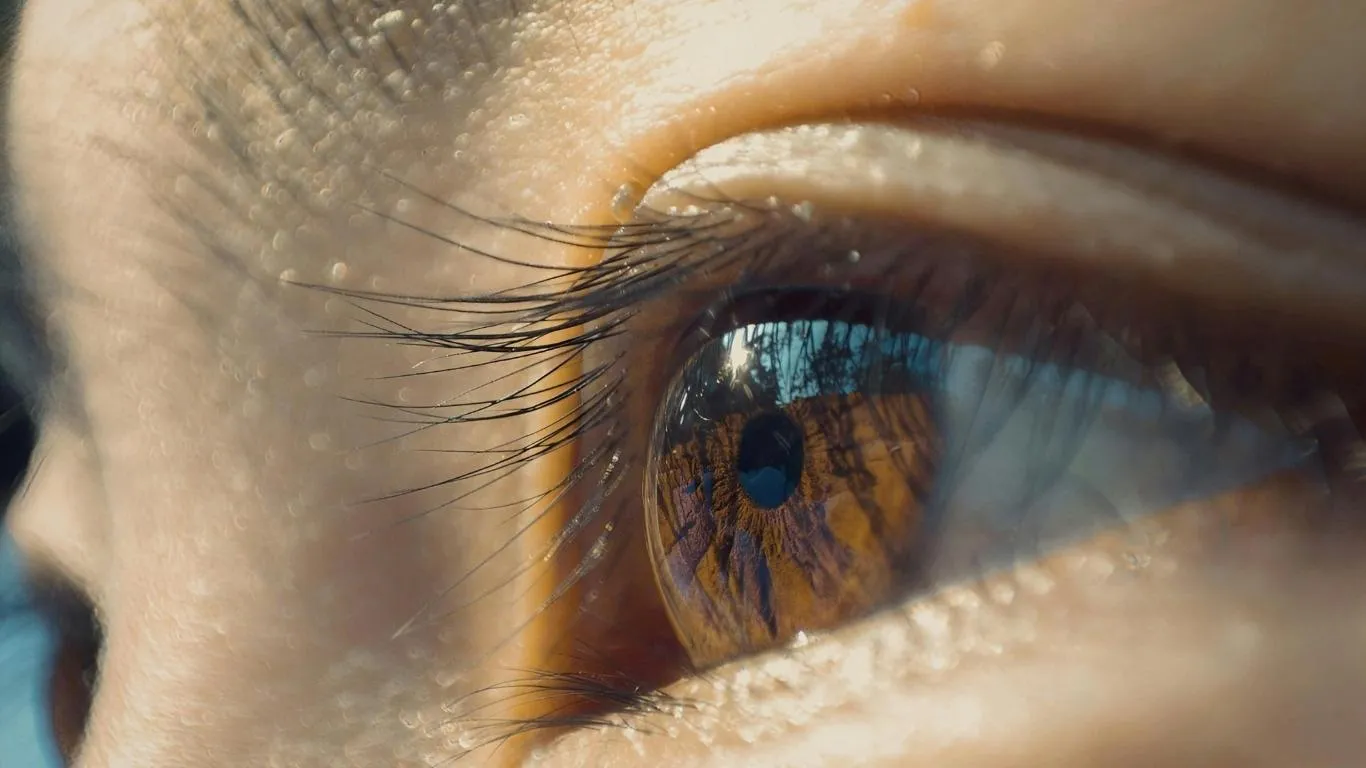
Floaters are often just an annoyance. But in some cases, especially for those of us with autoimmune diseases, they can hint at something far more serious. That includes:
- Autoimmune retinal vasculitis – where blood vessels in the retina become inflamed and leaky.
- Optic neuritis – inflammation of the optic nerve, sometimes confused with floaters due to blurred spots.
- Posterior Vitreous Detachment (PVD) – common with age, but can occur earlier with inflammation or RA meds.
In fact, some floaters could even precede serious problems like retinal tears or detachment. For more on this, check out the article on floaters before retinal tears.
Living with RA and Eye Floaters: A Balancing Act
I won’t lie—living with rheumatoid arthritis floaters requires a mental shift. Some days, I ignore them. Other days, they drive me nuts. But the key has been learning my body’s signals. Now, if I see a new floater or experience light flashes, I don’t second-guess it—I call my doctor.
Floaters might not seem urgent, but in the RA world, they can be your eyes whispering a warning. And once you learn to listen, you might just save your vision.
If you’re starting to wonder how RA really connects with these floaters, or suspect there’s more going on, I highly recommend this deeper resource on when eye floaters are dangerous. It’s one of the most insightful breakdowns I’ve found.
And if you’re new to the world of floaters, I also urge you to read the comprehensive breakdown here: Eye Floaters: Causes, Symptoms, and Treatments.

Camellia Wulansari is a dedicated Medical Assistant at a local clinic and a passionate health writer at Healthusias.com. With years of hands-on experience in patient care and a deep interest in preventive medicine, she bridges the gap between clinical knowledge and accessible health information. Camellia specializes in writing about digestive health, chronic conditions like GERD and hypertension, respiratory issues, and autoimmune diseases, aiming to empower readers with practical, easy-to-understand insights. When she’s not assisting patients or writing, you’ll find her enjoying quiet mornings with coffee and a medical journal in hand—or jamming to her favorite metal band, Lamb of God.