Are Floaters Post YAG Capsulotomy Temporary or Forever?
I remember staring at the ceiling one morning after my YAG laser procedure, blinking several times, hoping the strange squiggly shadows would disappear. They didn’t. It was the beginning of my journey into understanding what was happening inside my eye. If you’ve had YAG capsulotomy and now you’re seeing floaters, you’re definitely not alone—and no, it’s not all in your head. This experience can be unsettling, especially when no one warns you it might happen. Let’s talk honestly about floaters post YAG capsulotomy—what they are, why they show up, and whether they’re here to stay.
What Are Floaters After YAG Laser?

Floaters post YAG capsulotomy are those shadowy specks or cobweb-like streaks you may notice drifting across your vision after undergoing the laser procedure. YAG laser capsulotomy is often performed to clear up cloudiness that forms behind the lens implant after cataract surgery—a condition known as posterior capsule opacification (PCO).
But while the laser helps restore clarity, it sometimes causes other visual disturbances. Floaters are by far the most common of those disturbances. Some are temporary, others not so much. Why? Well, that’s where things get interesting (and slightly frustrating).
Why Do Floaters Happen After YAG Capsulotomy?
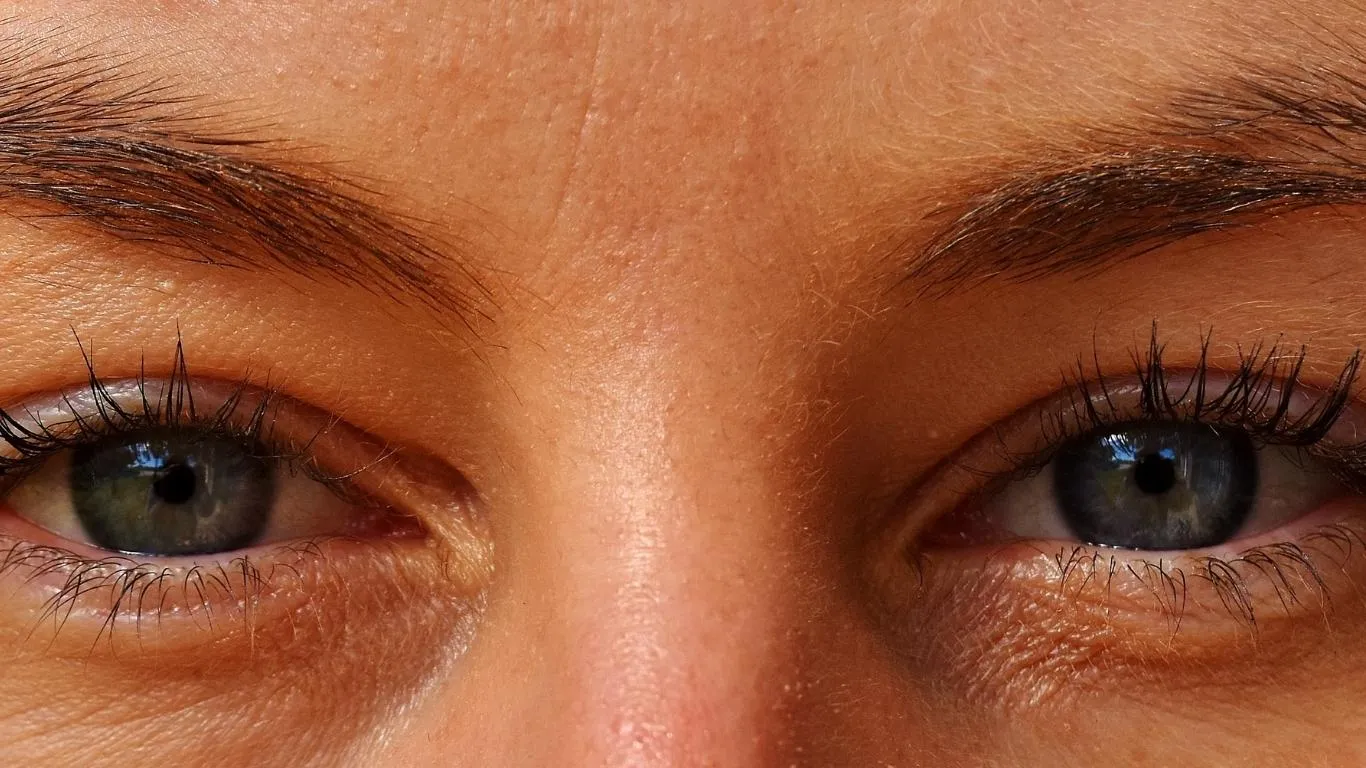
To put it simply: the laser zaps a hole in the posterior capsule of your eye. This helps light pass clearly to the retina, but it also sends energy through the vitreous—the gel-like substance inside the eye. That energy can cause minor disturbances, which sometimes leads to floaters.
Here’s what could be going on:
- Displaced Vitreous Material: The laser energy may jostle loose vitreous fibers or debris.
- Pre-Existing Floaters Become Noticeable: The clearer vision may just make old floaters more visible.
- Inflammatory Response: Minor inflammation may contribute to temporary floater formation.
- Vitreous Detachment: In some cases, the laser can accelerate posterior vitreous detachment (PVD), leading to more floaters.
According to the American Academy of Ophthalmology, these floaters are usually harmless, but in rare cases, they may be a sign of retinal damage. So while most people just need patience, others may need prompt evaluation.
When Are These Floaters Temporary?

Here’s where personal experience plays a big role. My first floater after YAG looked like a transparent jellyfish gliding through my vision. It annoyed me for about three weeks, then slowly faded into the background. This is typical for many patients.
Temporary floaters may:
- Appear immediately or within hours after the procedure
- Be more noticeable in bright light or on white backgrounds
- Fade within a few days to a few weeks
These are usually harmless and may be due to minor vitreous movement or transient debris. No treatment is usually required, but regular monitoring is recommended—especially if they suddenly multiply or come with flashes.
But What If They’re Permanent?

Unfortunately, not everyone gets off that easily. Some floaters stick around like uninvited guests. The good news? Most of them become less noticeable over time as your brain learns to tune them out. But a few can be disruptive enough to affect your quality of life.
In rare cases, floaters after YAG may be associated with more serious conditions like:
These cases demand prompt care. If you suddenly see a shower of floaters, a shadow curtain, or light flashes, don’t wait. Get to your ophthalmologist immediately.
How Common Are Post-YAG Floaters?

Honestly? More common than you’d think. While studies vary, anecdotal data suggests a good percentage of patients notice at least some new floaters after YAG. Most don’t need further treatment, and many go on to forget they ever had them.
Still, if you’re prone to floaters—or if you’ve already had them from cataract surgery—it’s worth managing your expectations. You may want to read this helpful resource on when floaters could mean something more serious.
What Can You Do About Them?

If you’re stuck with annoying floaters post-YAG, don’t panic. There are things you can try:
Natural Adaptation
Your brain is remarkably good at adjusting. Over time, you may simply stop noticing the floaters altogether. This was definitely true for me.
Lifestyle Tweaks
- Use sunglasses in bright environments
- Avoid staring at blank white screens (or switch to dark mode!)
- Stay hydrated—dehydration may make floaters more noticeable
Medical Options (Rarely Needed)
- YAG vitreolysis (not recommended for recent post-YAG cases)
- Pars plana vitrectomy (high risk; reserved for extreme cases)
For more about treatments, this in-depth guide on treatments for eye floaters is incredibly helpful. And if you’re looking for the bigger picture of what’s going on with your eyes post-laser, here’s our main explainer on eye floaters: causes, symptoms, and treatment options.
Still unsure what you’re dealing with? It may help to learn the difference between floaters and other eye conditions that mimic them—check out our guide on eye floaters vs. other eye problems.
Do Floaters Post YAG Get Worse Over Time?
This is a common question—and honestly, one I wrestled with myself. At first, it seemed like my floaters were multiplying, especially when I’d move my eyes quickly or look at a blue sky. But over the following months, they settled down. And according to several eye specialists I spoke with, that’s a pretty standard course.
Here’s the thing: floaters may feel worse before they feel better, especially as your eye adjusts to post-laser changes. You might start noticing floaters that were always there, simply because your visual clarity improved after the YAG procedure. It’s kind of like wiping a dirty window clean—you suddenly see all the specs you hadn’t noticed before.
When Worsening Floaters Might Signal a Problem
If the floaters:
- Suddenly increase in number
- Appear with light flashes
- Come with peripheral vision loss or dark shadows
You may be dealing with something more serious, like a retinal tear. Learn more about this possibility in our breakdown of why new floaters could signal a retinal issue.
Can YAG Itself Trigger Other Eye Conditions?
While YAG capsulotomy is generally safe and widely performed, it’s still a laser to the eye—so yes, complications are possible, even if rare. A few known (but uncommon) risks include:
- Increased intraocular pressure (IOP)
- Retinal detachment
- Macular edema
One potential link that surprised me: floaters can also worsen post-cataract surgery, especially if you’ve had multiple procedures like I did. That stacking effect—first cataract removal, then YAG—may increase your sensitivity to visual disturbances.
YAG is powerful and effective, but it can also disturb the delicate balance of your eye’s internal structures. If you already had a partially detached vitreous or fragile retina, it might tip the scale just enough to cause new symptoms. This is especially true for patients over 60 or with underlying eye conditions like lattice degeneration or high myopia.
Tips to Live With (or Forget) Floaters After YAG
Not all floaters disappear. Mine didn’t. But I can tell you—it gets better. Most of the time, I don’t even notice them anymore unless I go looking. Here’s what helped me (and many others):
1. Use Contrast-Smart Environments
Floaters love light backgrounds. So avoid bright screens with white backgrounds—try dark mode or blue light filters. I also swapped out white bedding for darker tones. Made mornings way less annoying.
2. Take Vision Breaks
Especially if you work on a screen all day. I now follow the 20-20-20 rule: every 20 minutes, look at something 20 feet away for at least 20 seconds. It reduces eye strain, which oddly enough, also makes floaters less distracting.
3. Keep Eyes Hydrated
Dry eyes can make floaters feel more intense. I keep preservative-free artificial tears at my desk. If you’re wondering whether dehydration plays a role, it absolutely can. Drink more water than you think you need.
4. Try Mindful Eye Movements
Looking up and then sharply to the left or right can sometimes move floaters out of your central field of vision. It’s not a fix, but it helps in the moment—especially if you’re trying to read something important.
Are Treatments for Persistent Floaters Worth It?
If your floaters are seriously interfering with your daily life, there are options—but they come with caveats.
YAG Vitreolysis
This procedure uses a laser to break up large floaters in the vitreous. It’s not widely available and isn’t always effective, especially for multiple small floaters. It also carries risk of retinal damage, so most doctors don’t recommend it right after YAG capsulotomy.
Pars Plana Vitrectomy
This is the most aggressive option: a surgical procedure to remove the vitreous gel entirely and replace it with a saline solution. It’s usually reserved for patients with debilitating floaters. The risk of complications—like retinal detachment and cataracts—isn’t trivial, so it’s not a first-line solution.
Personally? I’d rather adapt than risk my retina, but I totally get why some people go this route. It’s your vision. Your comfort matters.
Knowing When to Talk to a Doctor Again

Let’s be honest—it’s hard to know when you’re just being cautious and when you’re actually ignoring something serious. If your floaters are:
- Getting worse
- Accompanied by light flashes or vision loss
- Suddenly changing in shape, size, or number
Don’t wait. Call your eye doctor. Even if it turns out to be nothing, peace of mind is worth it. Floaters can be harmless—but they can also be your eye’s way of shouting for help.
Want to go deeper into the broader world of eye floaters? We have a comprehensive breakdown on common causes of eye floaters and another must-read on symptoms, causes, and treatment options that brings everything full circle.
Stay informed, trust your gut, and don’t let a few squiggly shadows ruin your vision journey.

Camellia Wulansari is a dedicated Medical Assistant at a local clinic and a passionate health writer at Healthusias.com. With years of hands-on experience in patient care and a deep interest in preventive medicine, she bridges the gap between clinical knowledge and accessible health information. Camellia specializes in writing about digestive health, chronic conditions like GERD and hypertension, respiratory issues, and autoimmune diseases, aiming to empower readers with practical, easy-to-understand insights. When she’s not assisting patients or writing, you’ll find her enjoying quiet mornings with coffee and a medical journal in hand—or jamming to her favorite metal band, Lamb of God.