Lack of Sleep and Sudden Increase in Eye Floaters
You know that feeling after a night of tossing and turning, where everything feels just a bit… off? Yeah, same. A few months ago, I was juggling work stress and a newborn at home—so, sleep was more of a fantasy than reality. Then, one morning, I noticed these weird squiggly shapes floating across my vision. At first, I thought I was imagining things. But nope—they were floaters. And they stuck around. That led me down a rabbit hole of figuring out whether my messed-up sleep schedule had anything to do with this sudden change in my vision. Turns out, sleep deprivation and eye floaters might be more connected than most people realize.
What Are Eye Floaters, and Why Are They So Annoying?
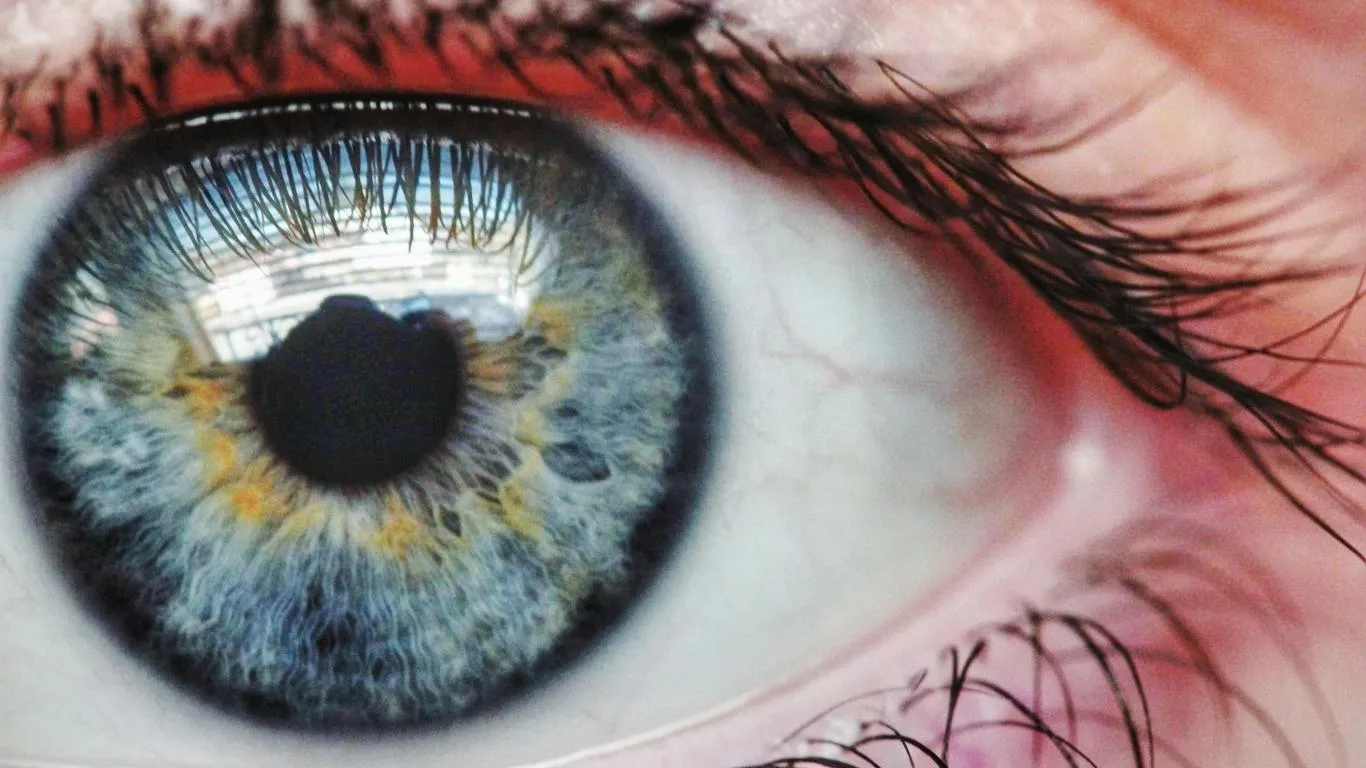
Eye floaters are those semi-transparent spots, strands, or cobweb-like things you sometimes see drifting across your line of sight. They’re most noticeable when looking at a bright surface like the sky or a computer screen. These floaters form when the vitreous—the gel-like substance in your eye—starts to liquefy or shrink, pulling away from the retina. This can create microscopic clumps or fibers that cast shadows on your retina, which is what you’re actually seeing.
Most of the time, they’re harmless and part of the natural aging process. But when they appear suddenly or increase rapidly, it can be a red flag—especially if combined with flashes of light or vision loss.
How Does Sleep Deprivation Tie Into All This?
Okay, here’s the kicker—while sleep deprivation isn’t officially listed as a direct cause of floaters in traditional ophthalmology textbooks, it definitely doesn’t help. In fact, chronic stress and fatigue from lack of sleep can indirectly trigger or worsen the appearance of floaters.
Here’s how:
- Oxidative Stress: Poor sleep increases oxidative stress levels in the body, including the eyes. Over time, this can accelerate the breakdown of the vitreous gel.
- Eye Strain: Sleep-deprived folks tend to spend more time squinting, straining, and rubbing their eyes—which adds more mechanical stress to the eyeball. Not ideal for vitreous health.
- Reduced Blood Flow: Sleep is when your body heals, and that includes your eyes. Lack of rest means less oxygen and nutrients delivered to retinal tissues. Poor circulation may lead to increased eye pressure or inflammation.
The Science Behind Floaters and Sleep Disturbance
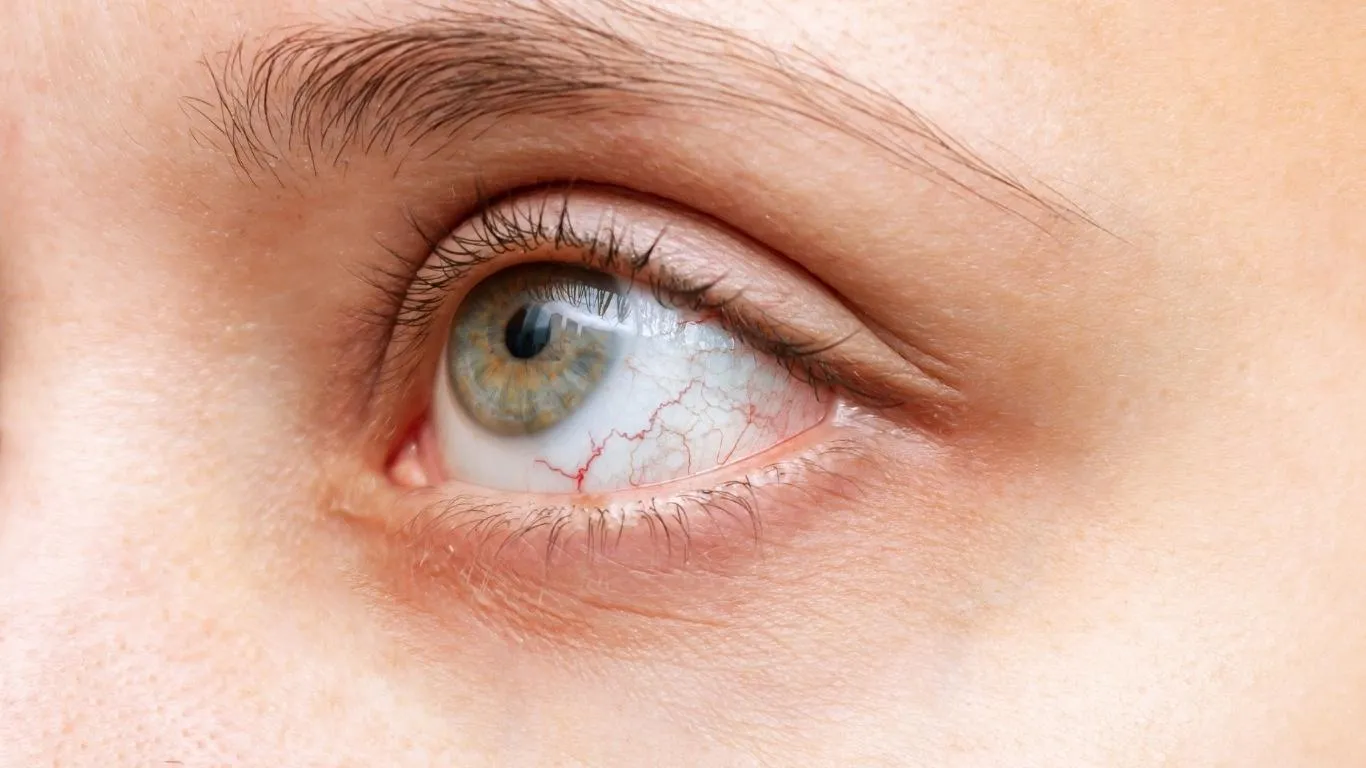
Let’s get a bit nerdy for a second. Studies suggest that melatonin, the hormone that regulates sleep, plays a protective role in eye health. It’s a potent antioxidant. When your circadian rhythm is disrupted—say, from pulling all-nighters or doom-scrolling at 2 AM—melatonin production drops. This can make your eyes more vulnerable to oxidative stress, which is a known factor in age-related vitreous degeneration.
Also, ever notice how floaters seem more noticeable when you’re tired? That’s because your brain’s ability to filter out “visual noise” drops with fatigue. So floaters you’d normally ignore become more apparent when you’re running on empty.
My Personal Wake-Up Call (Pun Intended)
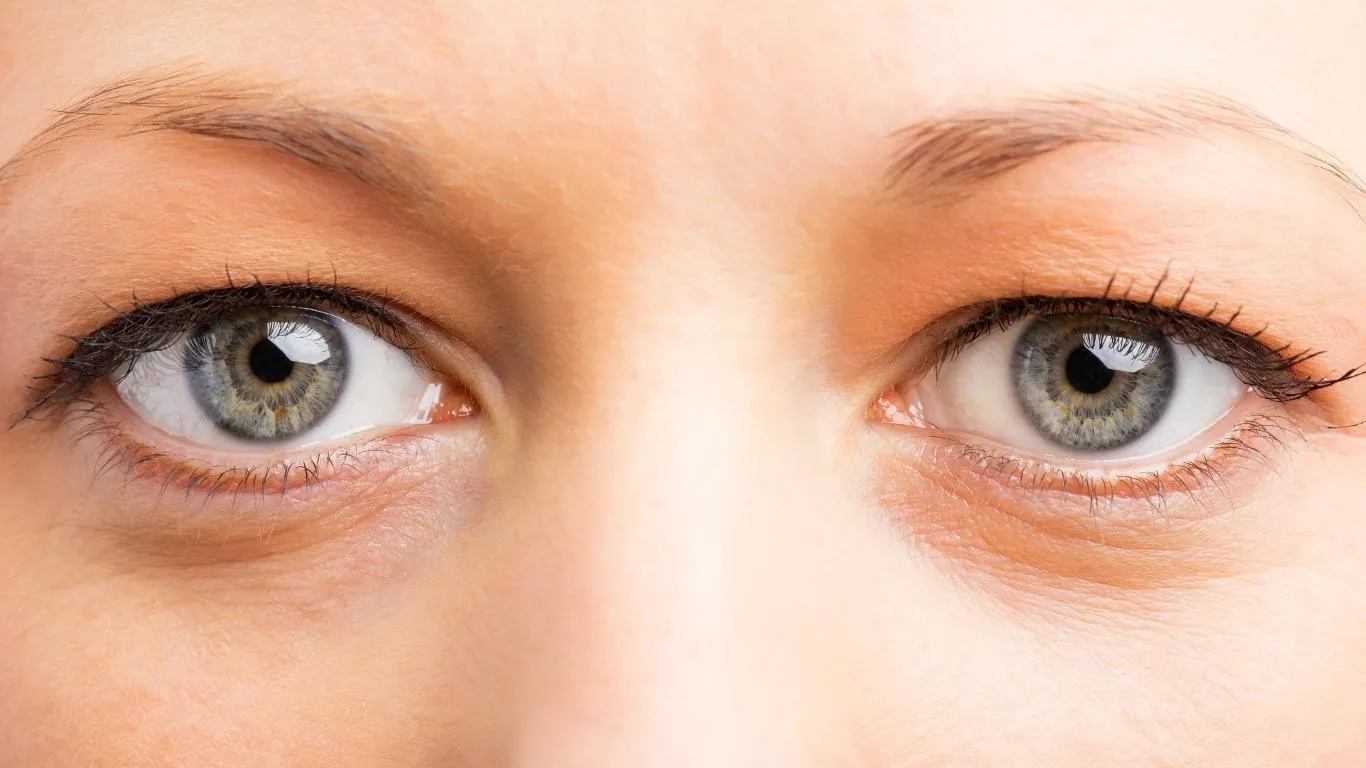
When I started noticing floaters, I brushed it off. “Probably just tired,” I thought. But then they started increasing. That’s when I did what we all do—I Googled it at 3 AM. Bad idea. Every result seemed to scream “retinal detachment!” Panic set in fast.
Thankfully, a visit to the eye doctor ruled out anything serious. He told me the floaters were likely benign but pointed out my chronic lack of sleep might be aggravating them. That was the nudge I needed to fix my sleep hygiene—and believe it or not, it helped.
Quick Tips That Worked For Me:
- Cutting out screens 90 minutes before bed – Blue light kills melatonin production.
- Using a sleep mask and blackout curtains – Total darkness made a difference.
- Reducing caffeine after noon – Even a 2 PM coffee messed with my sleep.
- Adding magnesium to my nightly routine – Helped with muscle relaxation and deeper rest.
When Should You Worry About Floaters?
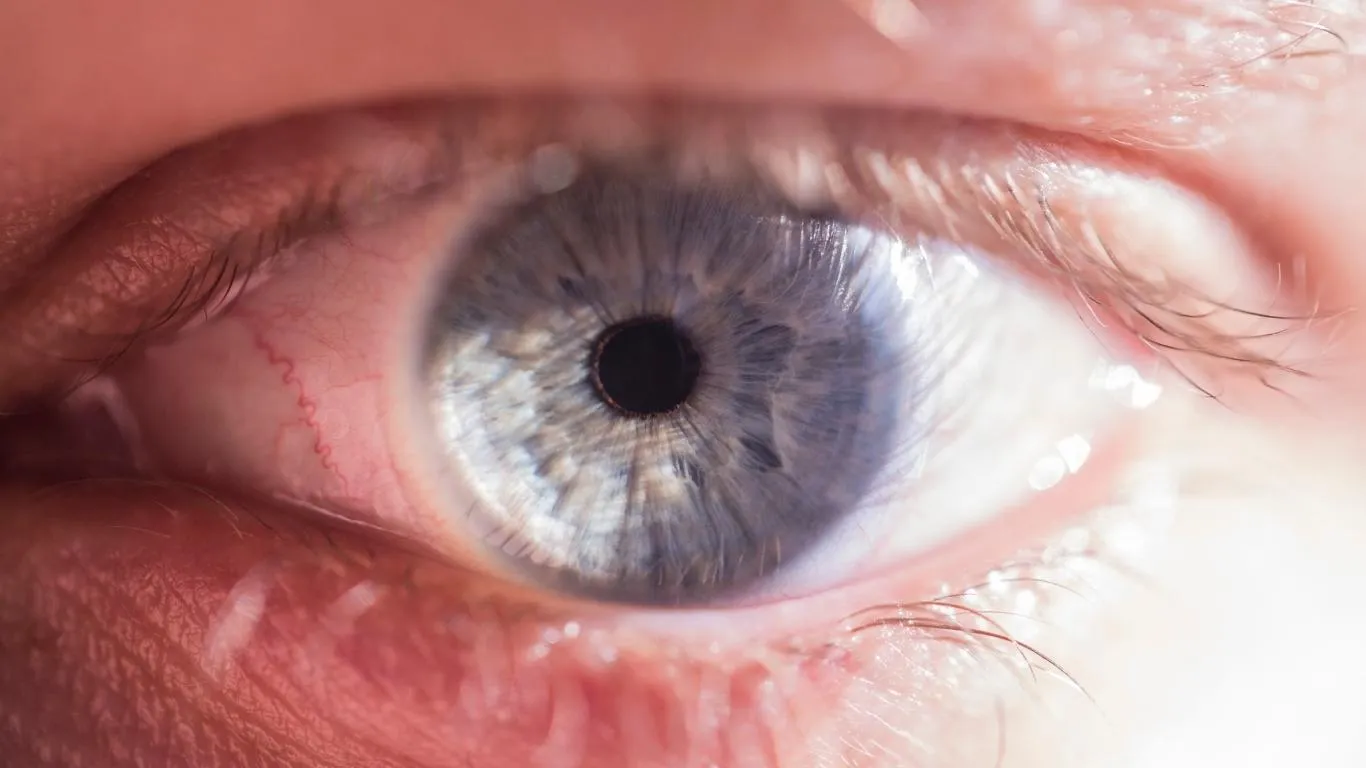
Not every floater situation is created equal. If you suddenly see a burst of floaters, or they come with light flashes or dark shadows in your vision, it might be something serious like a retinal tear or detachment. That’s a medical emergency—don’t sleep on it (pun also intended).
Learn more about when floaters are dangerous so you know when to act fast.
Don’t Underestimate Your Sleep—Your Eyes Depend on It
It’s easy to dismiss bad sleep as just part of life. But the reality is, it impacts everything—from mental clarity to how well your eyes function. If you’ve noticed new or worsening floaters, take a good look at your sleep patterns. You might be surprised at how much improving your rest helps reduce the severity and frequency of those annoying squiggles floating in your field of view.
For a deeper dive into all things floaters—causes, symptoms, and treatment options—check out this complete guide on eye floaters. And don’t miss our comprehensive article on the most common causes of eye floaters for even more insight.
Can Sleep Deprivation Actually Worsen Existing Eye Floaters?
Here’s something I learned the hard way: when your body’s running on fumes, even the smallest symptoms can get amplified. That’s exactly what happens with eye floaters. If you already have a few, sleep deprivation can make them more pronounced. Why?
- Lower visual processing efficiency: A tired brain doesn’t filter out visual distractions like it normally does. So floaters appear more vivid, more annoying, and frankly—more scary.
- Higher eye strain: If you’re burning the midnight oil on a laptop or phone, your eyes are working overtime. Eye strain, especially from dry eyes, can make floaters feel more intense.
- Hormonal imbalance: Sleep affects cortisol levels. When sleep-deprived, cortisol can spike, affecting fluid regulation and possibly contributing to minor shifts in the vitreous.
While none of this proves sleep deprivation *creates* floaters, it’s pretty clear it can make existing ones more noticeable—or at least harder to ignore. Screen time and digital fatigue are a massive part of this puzzle too.
Hidden Links Between Sleep Disorders and Eye Health
If you’re dealing with insomnia, sleep apnea, or irregular sleep cycles, your eyes may be quietly suffering the consequences. According to studies published in National Library of Medicine, people with chronic sleep disruption show increased signs of retinal thinning and optic nerve stress. That’s a big deal when it comes to eye health in general—not just floaters.
Conditions like posterior vitreous detachment (PVD), which often cause floaters, might not be triggered by sleep issues directly, but poor sleep can worsen symptoms. If you’re experiencing new floaters and also suffer from long-term sleep problems, it’s worth considering a connection. Learn more about PVD and how it affects floaters.
Natural Ways to Manage Floaters When You’re Sleep-Deprived
While not every case of floaters needs treatment, there are small things I did that genuinely helped. Especially on nights when sleep wasn’t ideal, I leaned into daily habits that eased the discomfort:
- Hydration: I can’t stress this enough—drink more water. Dehydration can worsen floater visibility. Yes, it’s a thing.
- Eye relaxation exercises: Palming, blinking routines, and taking regular screen breaks can make a real difference in comfort levels.
- Anti-inflammatory foods: Omega-3s from fatty fish, leafy greens, and turmeric all made it into my routine. Every little bit helps.
- Blue light blockers: I invested in a pair of glasses I now wear after 6 PM. They help with sleep quality and reduce eye fatigue.
It’s not a cure, but these habits made floaters less intrusive on days when sleep wasn’t on my side. More on natural floater management here.
When to Talk to a Doctor
Here’s my take: if you’re dealing with persistent sleep issues and you suddenly notice changes in your vision, don’t just brush it off. I nearly did—and I’m glad I didn’t.
Make an appointment if you experience:
- A sudden flood of floaters
- Flashes of light in your peripheral vision
- Shadowed or blurred patches, like a curtain falling over your eye
- Worsening floaters combined with eye pain or headaches
These might indicate a retinal tear, uveitis, or other issues that need immediate attention. Uveitis in particular can escalate quickly if not treated.
Why Sleep Hygiene Deserves a Spot in Eye Health Discussions
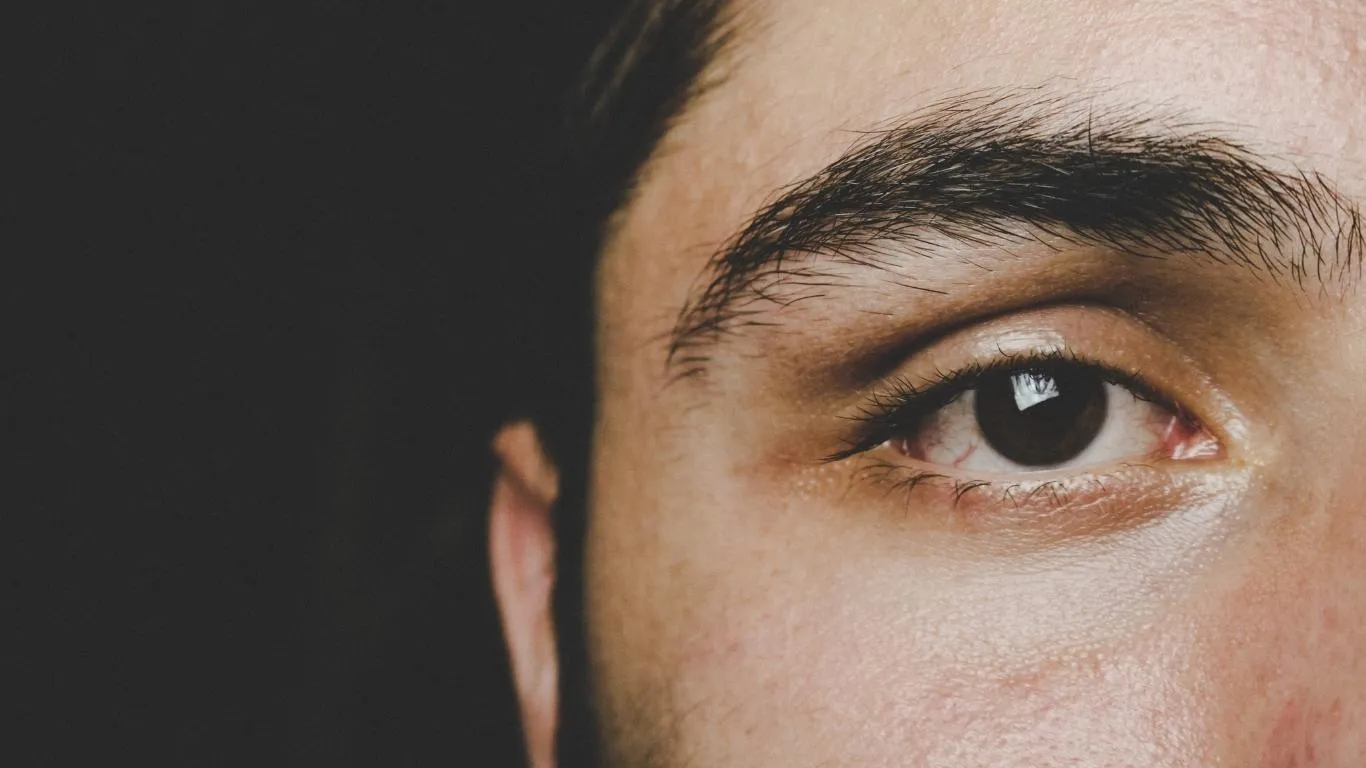
Let’s be honest—most people think of sleep as a “nice to have,” not a necessity. But if there’s one thing I took away from this experience, it’s that quality sleep is one of the best things you can do for your eyes. It’s when the body heals, detoxes, and balances itself—including your optic system.
Floaters may not vanish overnight (literally), but improved sleep can reduce how much they bug you. You’ll also lower your chances of developing more serious eye conditions tied to inflammation and stress.
For a complete picture of floater causes, treatments, and prevention, explore our in-depth pillar article on eye floaters. Also, don’t miss this detailed overview on treatment options for eye floaters to understand when lifestyle changes are enough and when you need medical intervention.

Camellia Wulansari is a dedicated Medical Assistant at a local clinic and a passionate health writer at Healthusias.com. With years of hands-on experience in patient care and a deep interest in preventive medicine, she bridges the gap between clinical knowledge and accessible health information. Camellia specializes in writing about digestive health, chronic conditions like GERD and hypertension, respiratory issues, and autoimmune diseases, aiming to empower readers with practical, easy-to-understand insights. When she’s not assisting patients or writing, you’ll find her enjoying quiet mornings with coffee and a medical journal in hand—or jamming to her favorite metal band, Lamb of God.