Best Caffeine-Free Drinks That Help Calm Anxiety Naturally
If you’ve ever caught yourself nervously sipping your third cup of coffee while simultaneously Googling “why am I anxious all the time,” yeah… same here. I didn’t think my caffeine habit was to blame either—until I cut it back. That’s when I realized the jittery nerves, heart palpitations, and feeling like a buzzing beehive in my chest had a culprit: caffeine. If you’re in the same boat, you’re definitely not alone. Exploring caffeine-free drinks for anxiety isn’t just about ditching coffee—it’s about rediscovering calm in your daily rituals.
Why Caffeine Can Quietly Worsen Anxiety
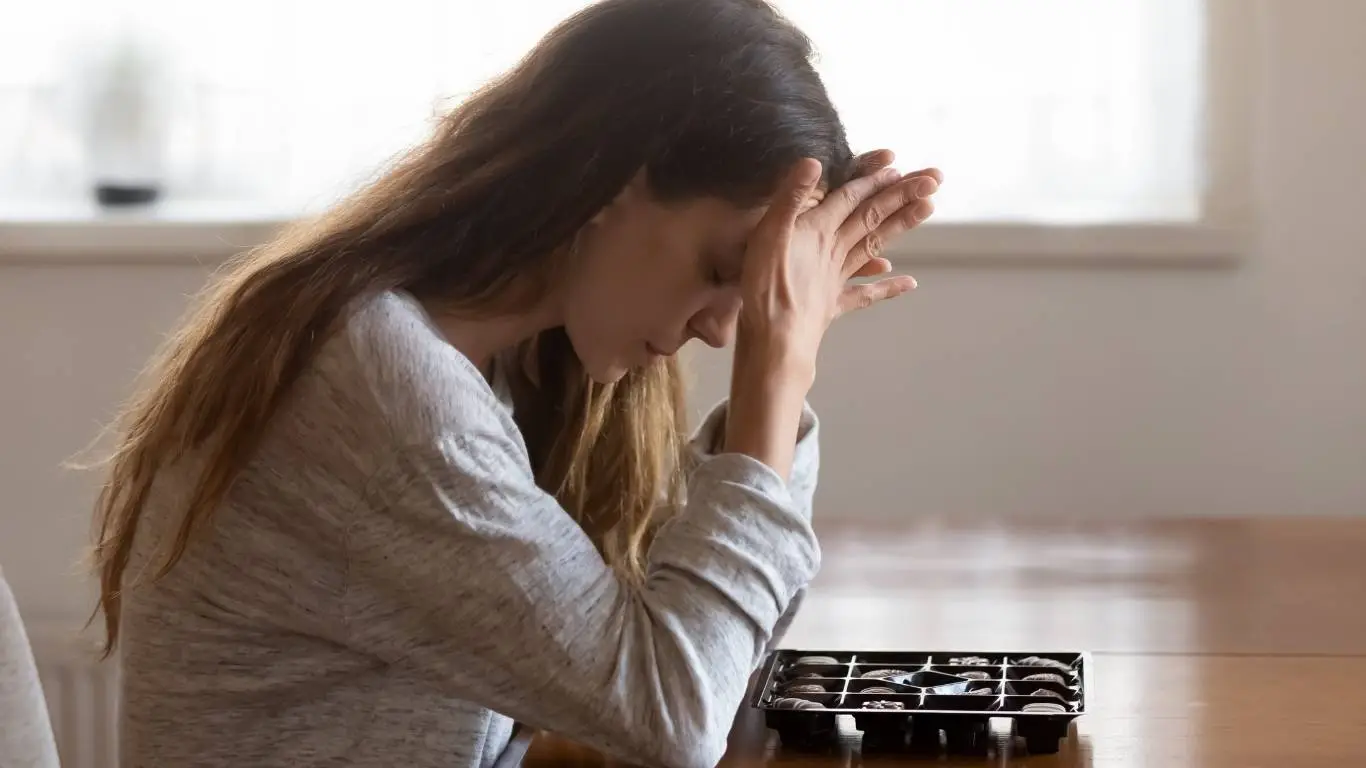
Here’s the uncomfortable truth: caffeine is a stimulant. That wired, on-edge feeling it gives you? It’s your central nervous system in overdrive. People with anxiety—especially those with Generalized Anxiety Disorder (GAD)—already have heightened sensitivity to stress. Toss caffeine into the mix, and it’s like pouring gasoline on a fire.
For me, it showed up as racing thoughts before bed, restless legs, and full-blown overthinking spirals after what should’ve been just a casual iced coffee. Once I started researching more, I discovered that even seemingly innocent drinks—like green tea or soda—had enough caffeine to tip the scale.
According to the National Institutes of Health (NIH), caffeine in sensitive individuals can increase symptoms of panic, irritability, and even contribute to insomnia. So yeah, that “just one cup” can easily trigger a domino effect of anxious symptoms.
Top Caffeine-Free Drinks That Genuinely Help With Anxiety
Swapping caffeine doesn’t mean sacrificing flavor or energy. It means making choices that support your nervous system instead of spiking it. These drinks have become daily staples in my own routine, and they’ve genuinely helped dial down the internal noise.
1. Chamomile Tea
This one’s a classic for a reason. Chamomile contains apigenin, an antioxidant that binds to receptors in your brain that may reduce insomnia and anxiety. After swapping my evening coffee for chamomile, my sleep quality noticeably improved in just a week.
2. Lemon Balm Infusion
Lemon balm is a total gem. It tastes citrusy-minty and helps regulate GABA levels in the brain—key for calming the nervous system. I found it to be particularly helpful during high-stress work weeks.
3. Warm Turmeric Golden Milk
Turmeric with a touch of black pepper and nut milk isn’t just cozy—it’s anti-inflammatory and packed with curcumin, which is being studied for its potential in reducing symptoms of anxiety. Bonus: it feels like a hug in a mug.
4. Ashwagandha Latte
Adaptogens like ashwagandha have gained serious traction lately—and for good reason. This ancient herb has been shown to lower cortisol levels, the hormone that fuels stress and anxiety. I personally mix it with almond milk and cinnamon—pure comfort.
5. Peppermint Tea
This one surprised me. Peppermint is naturally caffeine-free and soothing. It can help relax muscles and reduce tension headaches, which often accompany anxiety. I drink it after lunch to settle both my stomach and nerves.
6. Magnesium-Infused Waters
Magnesium plays a key role in regulating mood. Drinking magnesium-rich drinks or even coconut water can be a game-changer. If you’re curious, read more on magnesium-rich foods for anxiety relief.
Hidden Caffeine Traps to Avoid
You may think you’ve quit caffeine, but it’s sneaky. It hides in a lot of unsuspecting places. Here’s what I learned to watch out for after a week of “feeling weird” even though I thought I was caffeine-free:
- Decaf Coffee: Still contains trace amounts of caffeine (up to 15mg per cup).
- Green and Black Teas: Often marketed as healthy, but they’re still caffeinated unless labeled herbal.
- Dark Chocolate: The darker the chocolate, the more caffeine it packs.
- Energy Waters: Many “vitamin” or “focus” waters contain added caffeine for alertness.
- Over-the-Counter Medications: Some headache or weight loss pills contain caffeine as an active ingredient.
Once I learned to read labels religiously, I finally had a breakthrough with my anxiety symptoms. No more surprise jitters.
How These Swaps Changed My Daily Life

After cutting out caffeine entirely and swapping in anxiety-friendly drinks, my mornings went from chaotic to calm. My sleep improved, my heart didn’t randomly race throughout the day, and that background buzz of unease softened dramatically.
I also started becoming more mindful of how nutrition and hydration play a role in anxiety. It wasn’t just about quitting something—it was about adding soothing, supportive habits. That’s when I started to feel real progress.
It’s crazy how something as simple as what’s in your cup can shape your mental clarity, focus, and emotional baseline. The drinks you choose truly become part of your coping toolkit.
Takeaway: Support Your Mental Health Beyond Caffeine

If you’ve been feeling wired, restless, or just “off,” cutting back on caffeine could be a surprisingly effective move. Trust me—it doesn’t mean giving up joy or flavor. It just means finding new ways to nourish calm. You can dive deeper into how unexpected triggers like diet and lifestyle quietly affect anxiety.
For an even deeper understanding of how anxiety subtly shapes our days, I recommend reading this insightful breakdown on the hidden impact of anxiety disorders.
Rebuilding a Morning Routine Without Caffeine
I’ll admit it—mornings were the hardest part of going caffeine-free. That groggy fog? Brutal. But after some trial and error (and okay, a little crankiness), I figured out how to ease into the day without relying on a double espresso.
My game-changer? Ritual. I swapped the rush of caffeine with the comfort of routine. Lighting a candle, playing mellow music, and sipping something warm and calming helped create the same “ahhh” moment—without the post-caffeine crash or jitters.
- Start with hydration: A glass of lemon water before anything else made a noticeable difference in how alert I felt.
- Swap coffee for herbal blends: My current favorite? A cinnamon-licorice blend that gives just enough of a “kick” without any anxiety spike.
- Add gentle movement: Stretching or walking while sipping something warm keeps my energy steady and natural.
For those of us with anxiety, replacing caffeine isn’t just about cutting—it’s about rebuilding something better. The key? Make it feel intentional, not like deprivation.
Unexpected Benefits of Going Caffeine-Free for Anxiety

Let’s be real, I was skeptical. I thought giving up caffeine would just make me tired and cranky. But after just a week, here’s what I noticed:
- More stable mood: No more emotional rollercoasters between super-energized and emotionally drained.
- Improved focus: I could actually concentrate longer, without feeling “scattered” halfway through a task.
- Better sleep: Even though I wasn’t drinking coffee at night, ditching it altogether helped me fall asleep faster—and stay asleep.
- Less physical tension: The twitchy legs and chest tightness that I chalked up to stress? Gone.
Turns out, a lot of what I assumed was just “how my anxiety works” was actually being aggravated by caffeine. I didn’t fully realize it until it was out of my system. It’s one of those things you have to experience to believe.
If you’re curious how your body might react, this guide on progressive muscle relaxation might help you notice subtle physical improvements too.
Creating a Personalized Anxiety-Friendly Beverage Toolkit

Everyone’s anxiety shows up differently. That’s why finding the right drinks isn’t a one-size-fits-all situation. Over time, I started building a little “toolkit” of go-to drinks based on my mood, time of day, and energy needs.
Here’s what’s in my current lineup:
- Morning: Warm lemon water with a few drops of ashwagandha or maca root.
- Midday: Chilled hibiscus tea with a splash of pomegranate juice for a subtle antioxidant boost.
- Late Afternoon: Roasted chicory root latte with oat milk (super coffee-like, no buzz).
- Evening: Chamomile-lavender tea or golden milk with nutmeg.
And when things feel extra heavy, I turn to this amazing list of natural herbal remedies for anxiety. Some of these herbs can easily be added to your favorite drink blends for extra support.
Rewiring the Anxiety-Caffeine Loop

Caffeine and anxiety can create a vicious cycle: you feel anxious → you drink coffee to “wake up” → the caffeine spikes your anxiety → you feel more anxious → repeat. I was stuck in that loop for years and had no idea.
What helped me break it was understanding how deeply anxiety affects not just how we feel—but how we fuel ourselves. I realized that anxiety doesn’t always scream; sometimes it whispers through restlessness, disrupted sleep, or tightness in your chest.
Learning more about how daily habits can either ease or amplify anxiety was a wake-up call. The coffee was just a piece of the puzzle. My body wasn’t wired wrong—I was just overstimulated in ways I hadn’t realized.
Other Non-Caffeinated Ways to Boost Energy Without Anxiety

If your main concern about ditching caffeine is, “But how will I get through the day?” I get it. That was my fear too. The good news? There are so many anxiety-friendly ways to feel alert and energized without compromising your mental peace.
- Light morning workouts: Even 10 minutes of stretching or a walk can wake you up better than coffee.
- Cold showers: Not everyone’s favorite, but trust me—invigorating without the crash.
- Balanced meals with healthy fats and protein: Keeps energy stable instead of spiking and crashing.
- Breathwork: Try these breathing techniques for anxiety relief. Many of them give a surprising boost of clarity and calm.
I realized I had to redefine what “energy” felt like. It’s not a buzz or a rush—it’s steadiness. It’s being able to stay present, make decisions, and move through the day without feeling like I’m on the verge of overwhelm.
You Deserve Calm—Right Down to What’s in Your Cup

Once I gave myself permission to step away from caffeine, I realized how many moments of my day were dominated by anxiety I thought was “normal.” Now, my drinks serve a new purpose—they ground me, support me, and don’t come with any unwanted strings attached.
If you’ve ever wondered whether your anxiety could be tied to what you’re sipping, I say try a week caffeine-free. Build your toolkit, sip slowly, and notice the difference. You might be surprised at what happens when you let your nervous system finally exhale.
For a comprehensive understanding of anxiety’s triggers and lifestyle impacts, explore the full guide on the overlooked causes of anxiety. And don’t miss this in-depth look at how anxiety subtly shapes our routines.

Camellia Wulansari is a dedicated Medical Assistant at a local clinic and a passionate health writer at Healthusias.com. With years of hands-on experience in patient care and a deep interest in preventive medicine, she bridges the gap between clinical knowledge and accessible health information. Camellia specializes in writing about digestive health, chronic conditions like GERD and hypertension, respiratory issues, and autoimmune diseases, aiming to empower readers with practical, easy-to-understand insights. When she’s not assisting patients or writing, you’ll find her enjoying quiet mornings with coffee and a medical journal in hand—or jamming to her favorite metal band, Lamb of God.