Parenting with Anxiety Challenges Can Quietly Drain Your Joy
Trying to be a great parent is hard enough on its own. Add anxiety into the mix, and suddenly, even the simplest tasks feel like you’re juggling knives while blindfolded. I’ve been there—panic spiraling because my toddler skipped lunch, or staying up all night overanalyzing a tantrum that probably meant nothing. Parenting with anxiety challenges doesn’t mean you’re broken or unfit. It just means the stakes feel higher, the doubts louder, and the mental load—heavier. But you’re not alone, and more importantly, you’re not powerless.
The Quiet Chaos: How Anxiety Sneaks Into Parenting Moments
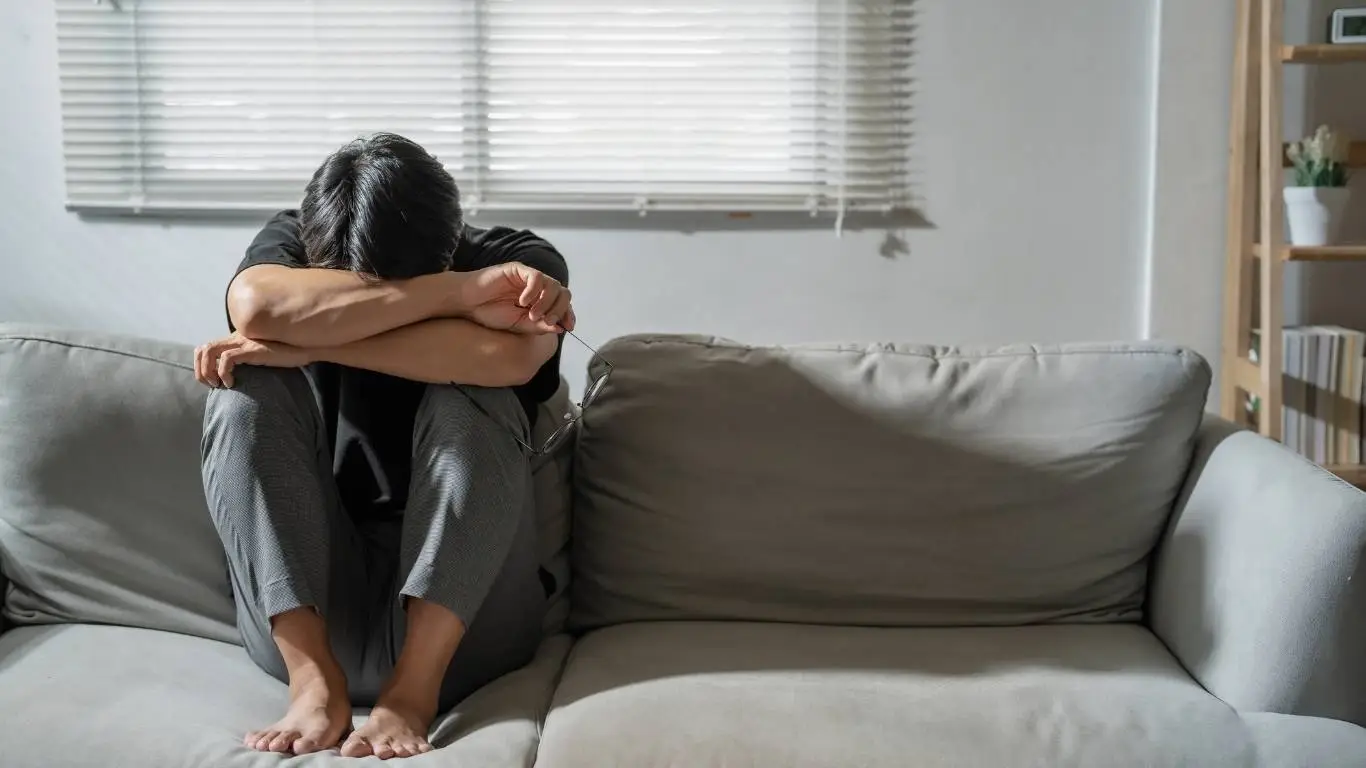
Most people assume parenting stress is just part of the deal—and sure, it is. But anxiety goes beyond that. It’s not just stress from the toddler meltdown in Target. It’s the overwhelming fear that one meltdown means you’re failing. It’s the intrusive thoughts that keep whispering: “You’re not doing enough.”
Overthinking Everyday Decisions
Choosing a daycare, introducing new foods, setting boundaries—all typical parenting stuff. But with anxiety? These decisions feel like Olympic trials. You replay scenarios a hundred times in your head. What if that tiny choice causes long-term trauma? That voice isn’t you—it’s the anxiety talking.
Guilt, Then More Guilt
I’ve cried after snapping at my kid, not because I was mean, but because I was so emotionally tapped out. Anxiety breeds guilt like wildfire. You second-guess everything, and that guilt loops back into the anxiety. This cycle is one of the most brutal parts of parenting with anxiety.
The Pressure to “Get It Right” Every Single Day

The world doesn’t talk enough about how anxiety feeds on perfectionism. Social media paints curated pictures of “perfect” families, and it’s easy to feel like you’re the only one drowning in the mess.
Comparing Your Parenting Style
Ever feel like you’re falling behind because your neighbor’s kid is already reading chapter books, while yours is still eating crayons? Anxiety convinces you that you’re the problem. That somehow, you’ve already failed them at age four.
High-Functioning Anxiety: The Invisible Burden
You might be the one who’s always early for school pickup, packs bento-box lunches, and signs up for PTA events—but inside, you’re unraveling. High-functioning anxiety hides well in parenthood, making it even harder to identify and address.
If this sounds familiar, you’re not alone. Many parents wrestle with hidden anxiety that shapes daily behavior in ways that don’t look like the textbook version of mental health struggles.
Triggers You Didn’t See Coming

Parenting with anxiety isn’t just hard because of the parenting—it’s also about how your body reacts to your environment. Many common parenting situations are full-blown anxiety triggers in disguise.
Medical Appointments & Health Fears
My heart used to pound through my ribcage every time we had a pediatrician appointment. Even for routine checkups. I’d mentally prepare for the worst, imagining scary diagnoses from a cough or a rash.
Turns out, I wasn’t alone. Anxiety and physical symptoms often feed into each other, especially for parents. This post about panic disorder vs. heart attack breaks down how real—and confusing—these episodes can feel.
School Issues and Performance Pressure
The moment my kid got their first C in spelling, I spiraled. I went straight to Google: “What if poor spelling means dyslexia? Should I request a test? What if the school misses it?” And down the rabbit hole I went.
This is where professional guidance matters. If you feel like these patterns are frequent, consider looking at actual diagnostic tools to understand what you’re facing.
Breaking the Cycle: Tools That Help (and Ones That Don’t)

I tried a lot before I found what worked. Some things helped, some didn’t—but the key was realizing that managing anxiety isn’t a one-size-fits-all approach. It’s personal.
What Actually Worked For Me
- CBT techniques: Learning how to spot and reframe irrational thoughts helped massively. This CBT guide was my go-to.
- Deep breathing exercises: I know, I rolled my eyes too—but it genuinely worked when I was mid-spiral. Try this breathing technique when you feel panic creeping in.
- Daily routines: Predictability helped both me and my child. Even small rituals made our days feel more grounded.
What Didn’t Work (At Least for Me)
- Endless Googling: Instead of reassurance, it just fed my worries. I had to learn when to stop.
- Trying to “power through” alone: Asking for help wasn’t weakness—it was wisdom. Therapy, even a few sessions, gave me tools I still use.
If you’re exploring structured help, check out the broader perspective in this pillar guide on psychotherapy for anxiety. It covers approaches that align with real-life challenges, not just textbook symptoms.
Why Parenting Triggers Old Wounds

One of the biggest surprises for me was how becoming a parent made my own childhood traumas bubble back up. Things I thought I’d buried resurfaced—fears of abandonment, insecurity, people-pleasing tendencies.
There’s a strong link between childhood experiences and present-day anxiety. If you’ve ever felt like your reactions are “too much,” consider reading this piece on childhood trauma’s role in adult anxiety. It helped me make sense of feelings I never fully understood before.
And if you’re curious about the deeper causes of anxiety and how they tie into everyday triggers like parenting, this comprehensive breakdown from the anxiety disorders pillar series is an eye-opener.
When Your Anxiety Affects Your Kids

This one hit me hard. I used to think I was hiding my anxiety well—keeping it behind smiles and cheerful dinner chats. But kids are sharp. They pick up on the tone, the body language, the tension in your voice when the dog barks too loud or when the house isn’t “clean enough.”
Emotional Contagion is Real
Children mirror your nervous system. When you’re on edge, they absorb it. I noticed my daughter fidgeting more during bedtime, or my son asking, “Are you okay, Mom?” more than a seven-year-old should. That’s when I realized anxiety wasn’t just something I carried—it was something I could unintentionally pass down.
Research shows that family history plays a significant role in how children develop anxiety tendencies. This article on family anxiety history really opened my eyes to how generational patterns can quietly repeat themselves unless we interrupt them.
Creating an Anxiety-Aware Home

No, this doesn’t mean walking on eggshells or hiding every feeling. What it means is building an environment where emotional regulation is practiced and modeled, not suppressed. Here’s what made a difference in our household:
- Labeling emotions: When I’m anxious, I say it out loud in an age-appropriate way. “Mom’s feeling a little nervous, I need a minute.” It teaches them that it’s okay to name feelings instead of pretending they don’t exist.
- Creating calming rituals: We started doing a “wind-down” time together—soft music, puzzles, low light. It helps all of us decompress without screens or overstimulation.
- Validating their fears too: I don’t jump in with “You’re fine!” anymore. Instead, I say, “That does sound scary. Want to talk about it?” It makes a huge difference in their emotional security.
Being Honest But Reassuring
You don’t have to be a perfectly regulated parent to be a great one. But letting your child know that feelings don’t make someone bad or weak sets a foundation they’ll carry for life. And it also helps release the pressure valve on your own perfectionism.
This shift aligns with broader parenting strategies found in lifestyle-based approaches to anxiety. The small daily adjustments really add up.
Managing Panic in Real-Time (Yes, Even at School Drop-off)

There have been mornings when I had to pull over after dropping my son off, just to breathe. I’d have chest tightness, shallow breathing, sometimes even dizziness—and yet, I’d still try to push through.
Here’s the truth: anxiety doesn’t care if you’re on a tight schedule. It shows up uninvited, and parenting life doesn’t always allow you to “step away.” But having a few tools on hand can really help.
In-the-Moment Tools I Rely On
- Square breathing: Inhale for 4, hold for 4, exhale for 4, hold for 4. It gives your brain something to do besides spiral.
- Grounding with senses: “Name 5 things you see” trick—especially useful in chaotic environments.
- Soothing sounds: I keep a calming playlist in my car. It’s not cheesy spa music—just soft, instrumental stuff that keeps me anchored.
This look at dizziness and anxiety explained a lot of the physical symptoms I’d been brushing off or misreading.
How I Made Peace With Medication (and Why That’s Okay)

There’s so much stigma around anxiety meds—especially in parenting circles where “natural” is worn like a badge of honor. I resisted for years, thinking I should be able to yoga, journal, or green smoothie my way out of anxiety.
But I hit a wall. And when I finally spoke to my doctor, she didn’t shame me. She helped me find an SSRI that supported—not numbed—me. And for the first time in years, I wasn’t white-knuckling my way through the day.
This breakdown on SSRIs helped dispel a lot of the myths that held me back. It’s not about “giving up”—it’s about giving yourself a shot at functioning better.
That said, medical treatment options go beyond just pills, and it’s worth exploring what aligns with your body, values, and lifestyle.
Building a Personal Parenting-Anxiety Toolkit

Managing anxiety as a parent isn’t about “fixing” yourself. It’s about equipping yourself. What’s in your toolkit might look different from mine—but having one is crucial.
Some Toolkit Ideas to Consider
- Daily check-ins with yourself (even just 5 minutes)
- A short list of people you can text when your brain spirals
- One go-to calming activity you can do with your kids (coloring, baking, walking)
- Access to professional support when needed
Don’t underestimate the power of nutrition and supplements either. This look at Omega-3s and anxiety helped me rethink how food affects my mood on a daily basis.
You’re Doing Better Than You Think
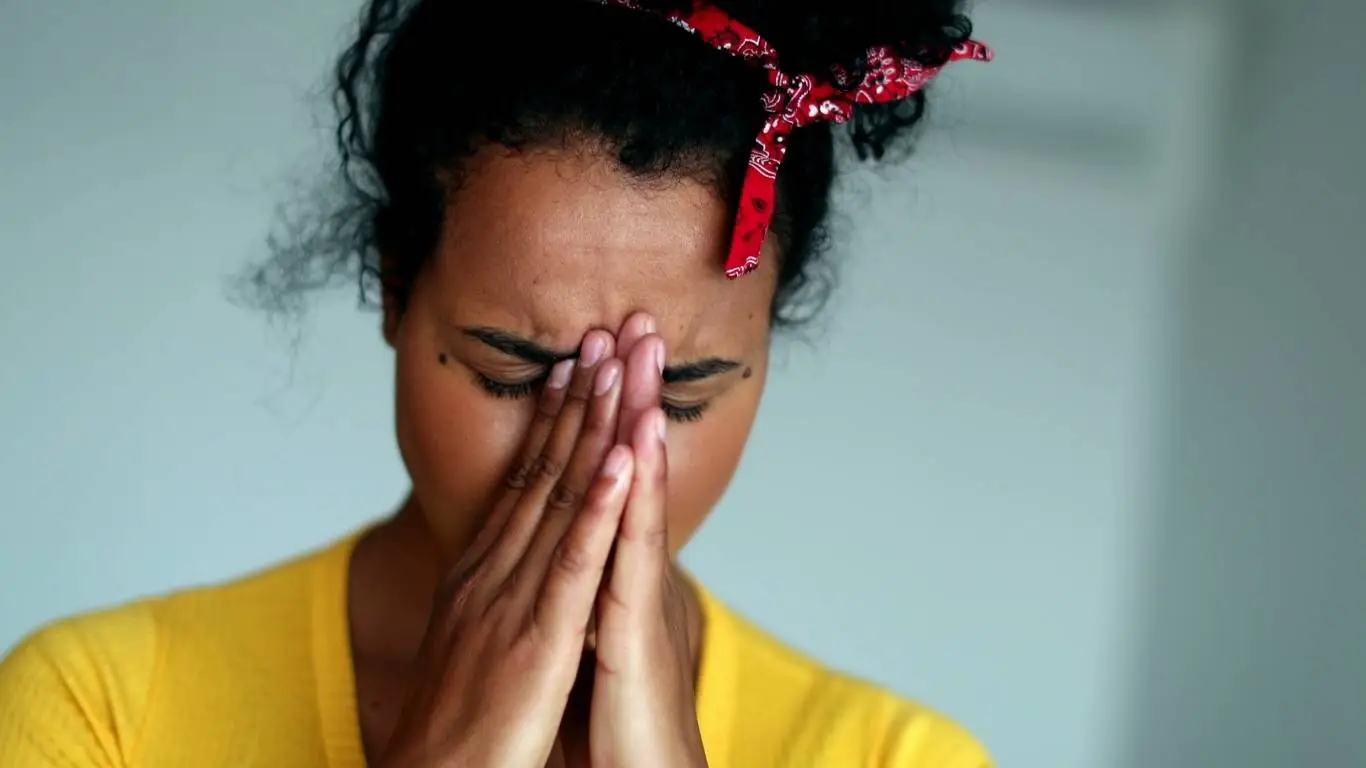
If no one’s told you this lately: you’re showing up. You’re doing the work. And while it might not feel like it now, your efforts—big and small—are shaping a strong, emotionally-aware family foundation.
Parenting with anxiety challenges isn’t about overcoming anxiety completely. It’s about learning to live with it, work with it, and not let it define your worth or your role as a parent.
For a deeper dive into the everyday ripple effects of anxiety, don’t miss the core breakdown in this main pillar article. And if you’re ready to expand your support strategy further, the broader assessment and diagnosis guide is a great place to continue.

Camellia Wulansari is a dedicated Medical Assistant at a local clinic and a passionate health writer at Healthusias.com. With years of hands-on experience in patient care and a deep interest in preventive medicine, she bridges the gap between clinical knowledge and accessible health information. Camellia specializes in writing about digestive health, chronic conditions like GERD and hypertension, respiratory issues, and autoimmune diseases, aiming to empower readers with practical, easy-to-understand insights. When she’s not assisting patients or writing, you’ll find her enjoying quiet mornings with coffee and a medical journal in hand—or jamming to her favorite metal band, Lamb of God.