Age Spots vs Eye Floaters: Why They Matter More Than You Think
Not too long ago, I was staring at my computer screen, thinking a smudge was on my glasses—turns out, it wasn’t the lenses, it was something *in* my eye. Welcome to the weird world of eye floaters. But you know what made it more confusing? A few days later, I noticed some small, dark discolorations on my cheek. That’s when the Googling spiral began: “Are age spots and eye floaters connected?” Let’s just say—this comparison between age spots vs eye floaters isn’t as straightforward as you might think.
What Exactly Are Age Spots and Eye Floaters?
Understanding Age Spots: Skin’s Reminder of the Sun
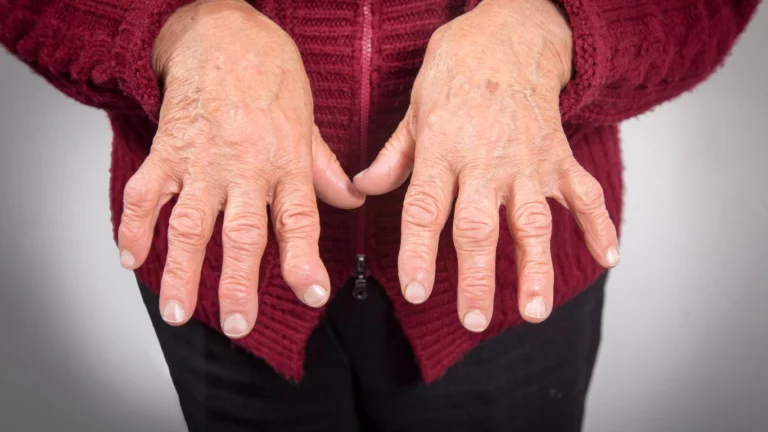
Age spots, or solar lentigines if we’re being fancy, are those flat, brown, gray, or black spots that often pop up on the skin—especially in sun-exposed areas like the face, hands, shoulders, and arms. And yes, they’re more common as we age, but they’re not exclusive to senior years. Even in my mid-thirties, I’ve seen a couple creep up after too many summers ignoring sunscreen.
They’re essentially the skin’s way of saying, “Hey, remember that beach trip where you didn’t reapply SPF?”
- Caused by prolonged UV exposure
- Most common after age 40
- Benign, but occasionally checked for skin cancer if irregular
Eye Floaters: Those Annoying Drifters in Your Vision
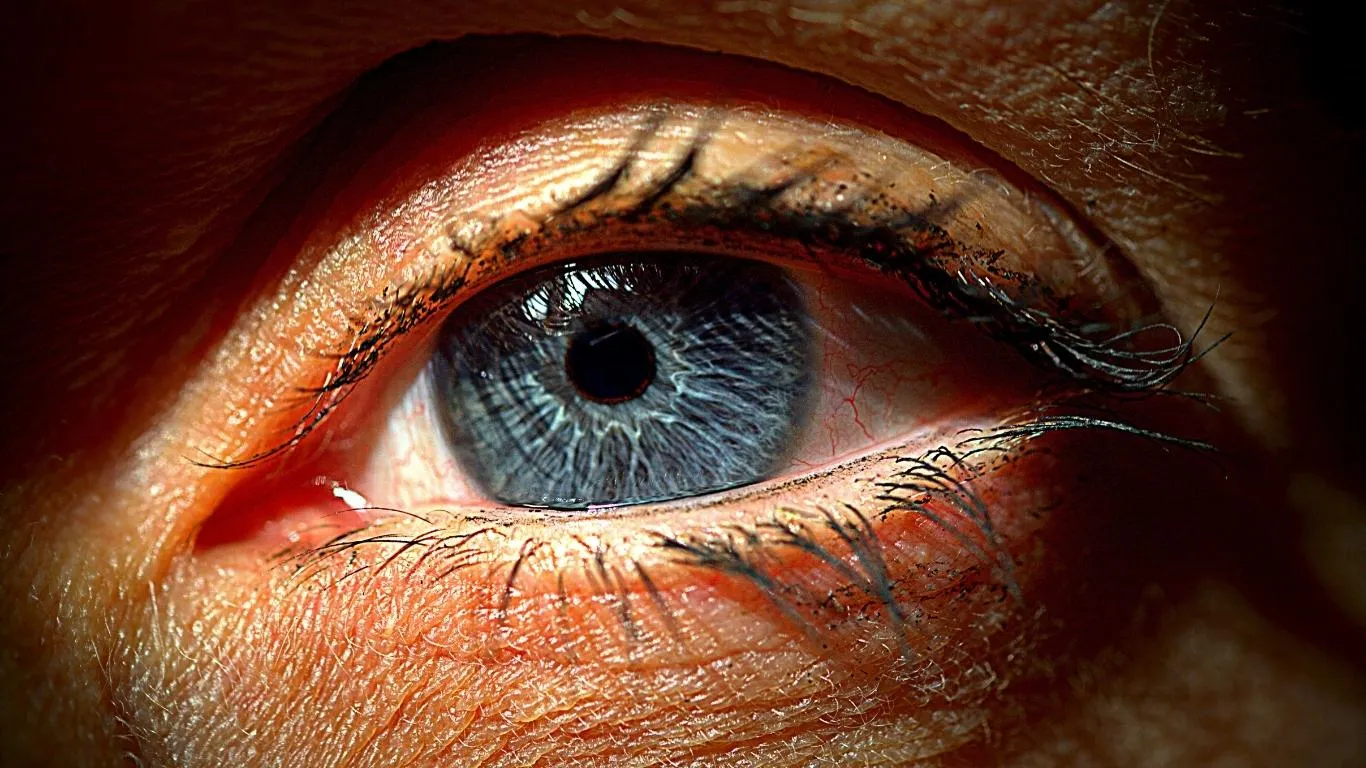
Eye floaters are quite literally floating bits—tiny clumps of collagen or cells inside the vitreous (the gel-like substance inside your eye). They move as your eye moves and tend to dart away when you try to look directly at them. I remember seeing one that looked like a tiny transparent tadpole!
They might look like:
- Black or gray dots
- Squiggly lines
- Spiderweb-like threads
Unlike age spots, which sit on your skin and pose minimal danger, floaters mess with your vision. And sometimes, they’re harmless. Other times, they’re not. Here’s when they might signal something more serious.
Similar Name, Totally Different Game

So Why the Confusion Between the Two?
It’s funny how just the term “spots” can lead to some real head-scratching. “Are those brown dots in my vision or on my skin?” I’ve had patients, friends, and even my mom ask about “seeing age spots” when they were actually describing floaters. Let’s break it down:
- Age spots = Visible on the skin, static
- Floaters = Inside the eye, move with your gaze
Still, some confusion is understandable. Floaters can appear as dark specks that might be mistaken—especially in early stages—for shadows or pigmentation issues.
Curious how eye floaters compare to other vision issues? The differences are subtle, but important.
Age Plays a Role in Both
Natural Aging: The Root of It All
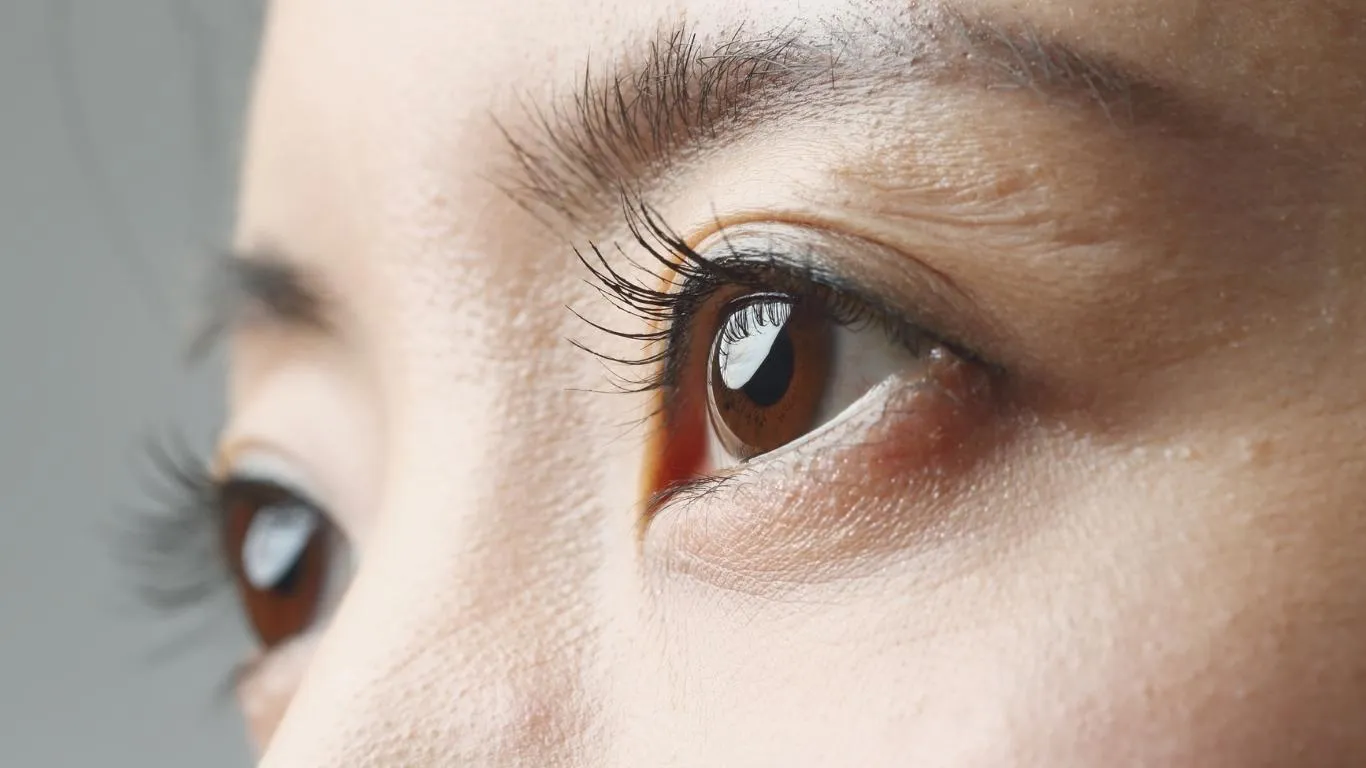
With each passing birthday, the risk of developing both these nuisances rises. Floaters typically show up as we hit our 40s and 50s—often due to posterior vitreous detachment (PVD). Age spots, meanwhile, are simply cumulative sun damage expressing itself through your skin’s pigment cells.
In a way, they’re like scars from time—just in different places.
Why You Shouldn’t Ignore Either
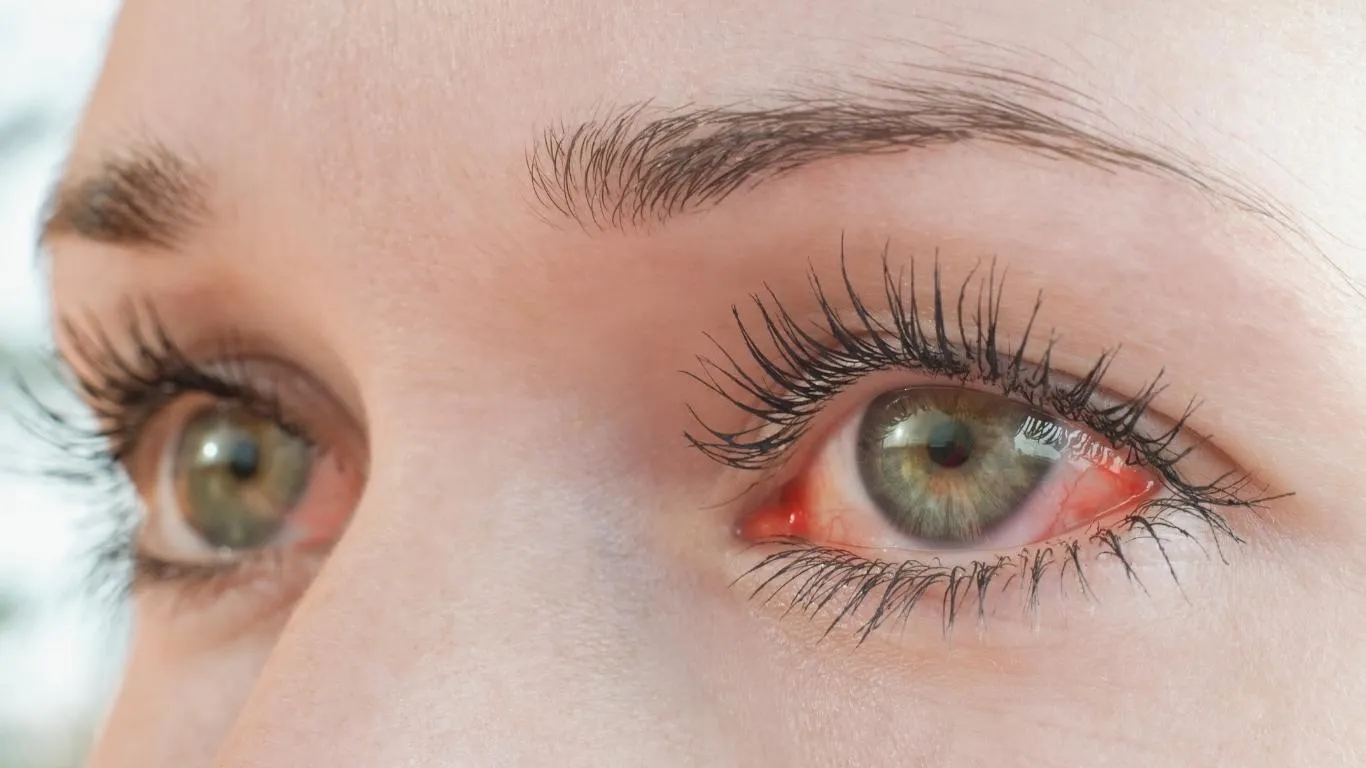
While age spots are generally harmless, they can occasionally mimic melanoma, which is why any new or changing skin spot deserves a derm check. Eye floaters, meanwhile, can be an early warning sign of a retinal tear or detachment, especially if they suddenly appear with flashes of light or loss of side vision.
So yeah, I learned the hard way not to just shrug them off.
Treatments: Skin Creams vs Eye Procedures
Addressing Age Spots
These days, there’s a cream, peel, or laser for almost every skin concern—and age spots are no exception. I tried a retinol cream for a stubborn spot on my cheek last winter. It faded, slowly. But if you’re not into the DIY approach, dermatologists can use:
- Laser therapy
- Cryotherapy
- Chemical peels
- Prescription lightening agents
Still, the most effective remedy? Sunscreen. Daily. Even when it’s cloudy. You can thank me later.
Treating Eye Floaters: Trickier Terrain
Unlike skin spots, floaters don’t always respond well to treatment. In most cases, doctors recommend observation unless they significantly impair vision. However, if floaters are severe, options include:
- Laser vitreolysis (uses lasers to break them up)
- Vitrectomy (surgical removal of vitreous gel)
To dive deeper into treatment options, check this comprehensive guide on eye floater treatments.
Surprisingly, lifestyle factors like hydration, stress, and diet may also influence floater visibility. Dehydration can make them more noticeable, and some believe antioxidant-rich foods may help—though evidence is still emerging.
Can They Be Prevented?
Sort of… But It’s Complicated
You can’t really stop time—but you can slow its signs. For age spots, I swear by wide-brim hats and SPF 50. For floaters? Regular eye exams have become part of my routine since I hit my 40s. Preventive care is underrated.
- Wear UV-protective sunglasses
- Manage chronic conditions like diabetes or high blood pressure
- Hydrate like your life depends on it (because it kind of does)
- Get annual eye check-ups, especially after 40
Also, be mindful of how your vision changes with age. Here’s why eye floaters become more common with age.
If you’re curious about how floaters differ from similar visual issues, the eye floaters vs other eye problems guide from Healthusias is worth a read. And for a deep dive into everything floaters—from cause to treatment—check out the main article: What Are Eye Floaters? Causes, Symptoms, and Treatment Options.
What Do Age Spots and Eye Floaters Reveal About Your Health?
They’re Often Harmless, But Not Always
When I first started noticing these things—those little brown patches on my cheek and those annoying floaty dots in my sight—I brushed them off as just “getting older.” But here’s what surprised me: sometimes, they’re your body waving a subtle red flag.
Age spots might point to a history of heavy sun exposure. They don’t scream emergency, but they do suggest your skin’s had its fair share of UV damage. On the flip side, eye floaters can sometimes be tied to serious eye conditions. If they appear suddenly, worsen quickly, or come with flashes of light, it could be a sign of a retinal tear—and you definitely don’t want to ignore that.
In some cases, floaters may also hint at broader health concerns. For example:
Common Misconceptions: Let’s Clear the Air
Myth 1: Age Spots Are a Type of Skin Cancer
This is a big one I’ve heard from friends—and I’ve asked it myself. But no, age spots aren’t skin cancer. However, anything new or changing on your skin should always be checked out. Skin cancers like melanoma can sometimes mimic the appearance of age spots, which is why dermatologists stay vigilant.
Myth 2: Eye Floaters Are Always Normal
Another popular myth. People often say, “Oh, everyone gets them.” While that’s *mostly* true, it doesn’t mean they’re always innocent. A sudden explosion of floaters, especially if paired with light flashes or a shadow creeping over your vision? That could mean a posterior vitreous detachment or worse—a retinal tear.
Myth 3: There’s Nothing You Can Do About Either
This one gets me. People assume that once you have them, you just live with them. But that’s not entirely true. While neither age spots nor eye floaters disappear overnight, there *are* options. As mentioned in this guide on floater treatments, procedures like vitrectomy or laser therapy can help. Similarly, for age spots, derm procedures and topicals can lighten or remove them over time.
Lifestyle Habits That Impact Both
The Sun Factor
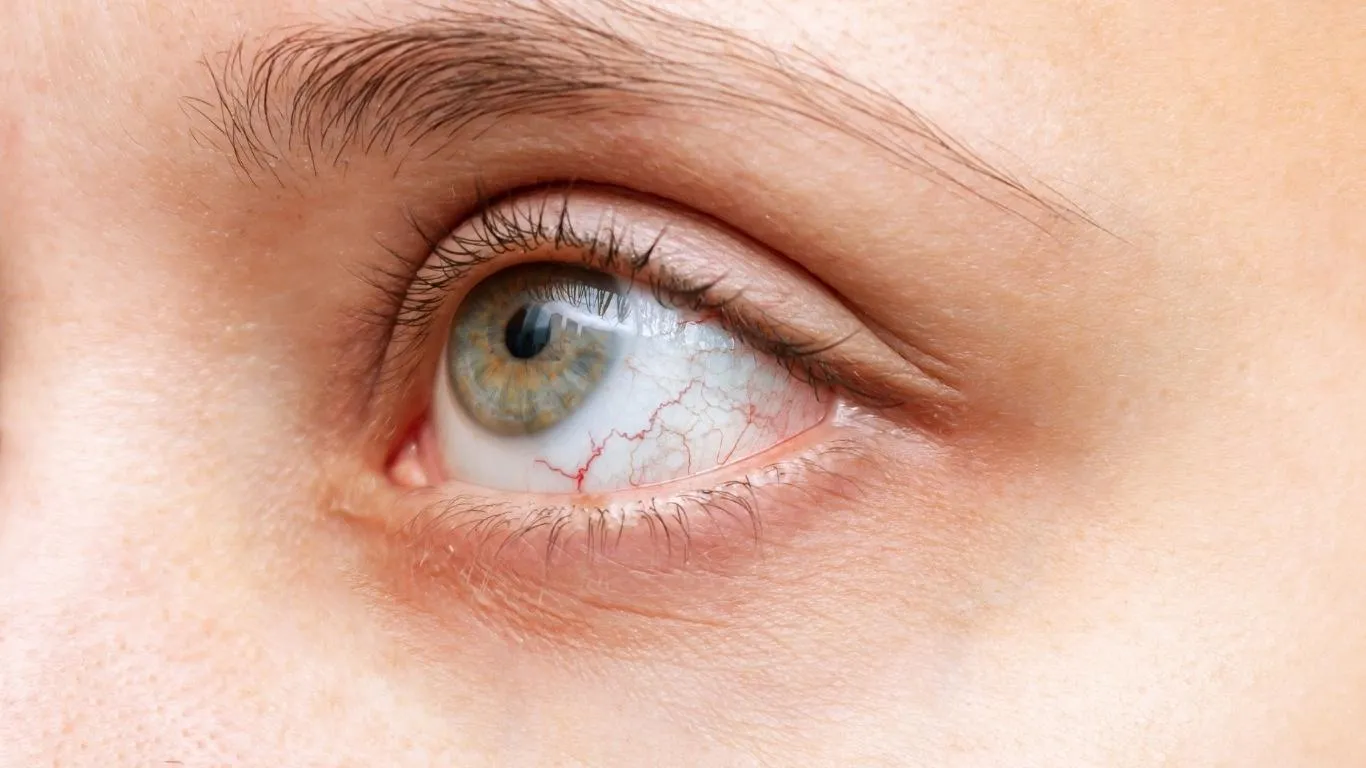
Sunlight is the common enemy for both. While it directly causes age spots, it can also play a sneaky role in accelerating eye aging. I’ve made sunglasses and SPF part of my non-negotiable daily habits. If you’re not wearing UV-blocking lenses when you’re outside—especially around water or snow—you’re missing a huge opportunity to protect your eyes and skin.
Hydration and Diet
This one hit home for me. After reading up on floaters, I realized my coffee-to-water ratio was way off. I started drinking more water and incorporating foods rich in vitamin C, lutein, and omega-3s—think spinach, oranges, and salmon. There’s no magic cure, but these nutrients support both skin health and eye clarity.
Some folks have even linked dehydration with worsened floaters, which I’ve personally noticed when I slack on water intake.
Hormones, Stress, and Other Underestimated Triggers
Hormonal Shifts
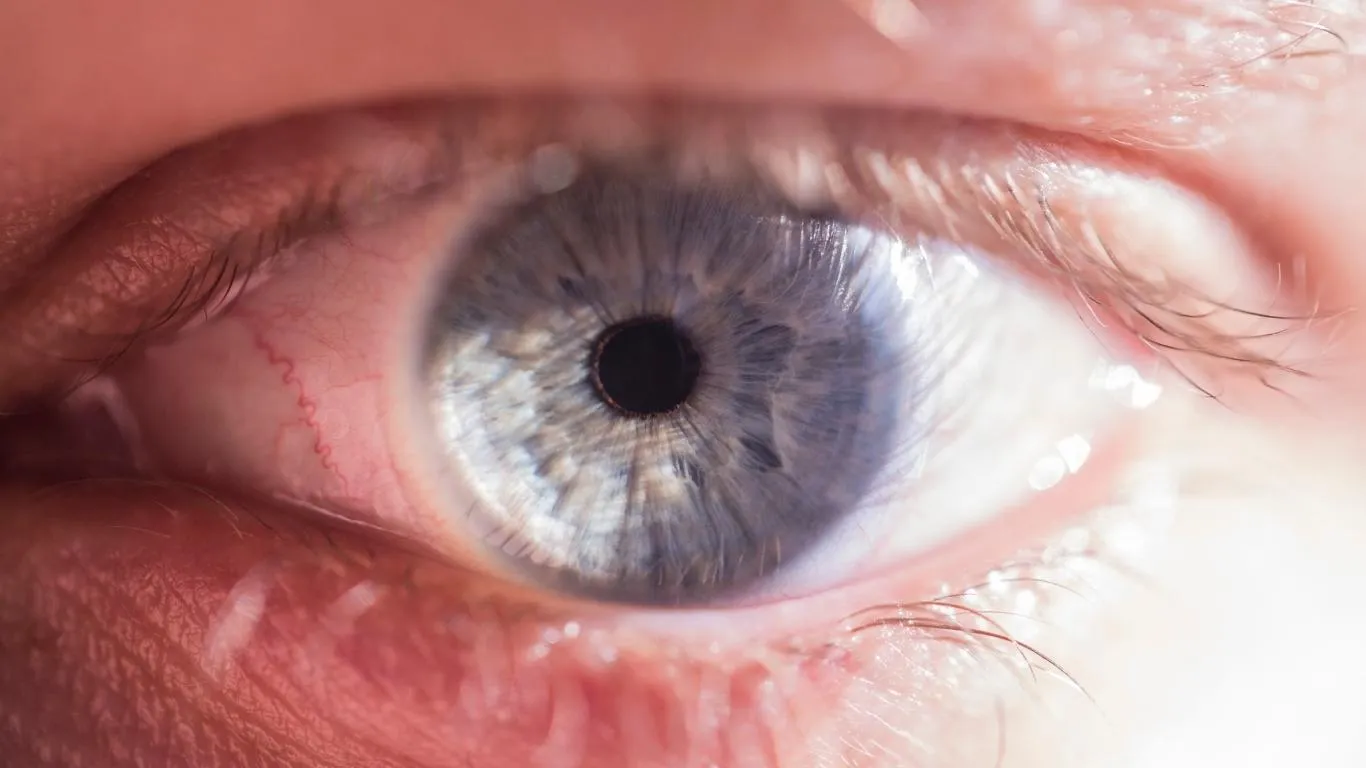
If you’ve ever noticed skin changes or new floaters during pregnancy, menopause, or even birth control changes—you’re not alone. Hormones can throw your body’s pigmentation and vitreous structure for a loop. One of the most surprising things I stumbled on was how floaters can show up during pregnancy—something I’d never even considered before.
Stress and Eye Health
Another underrated factor? Stress. We already know stress impacts skin, but it can also affect blood pressure and circulation—which in turn mess with the eyes. Some people report flare-ups in floaters during high-stress periods. I’ve personally had more intense floater days when I’m exhausted and running on too much caffeine.
Curious about that connection? This article explores whether stress makes floaters more noticeable.
When to Actually Worry
Know the Red Flags
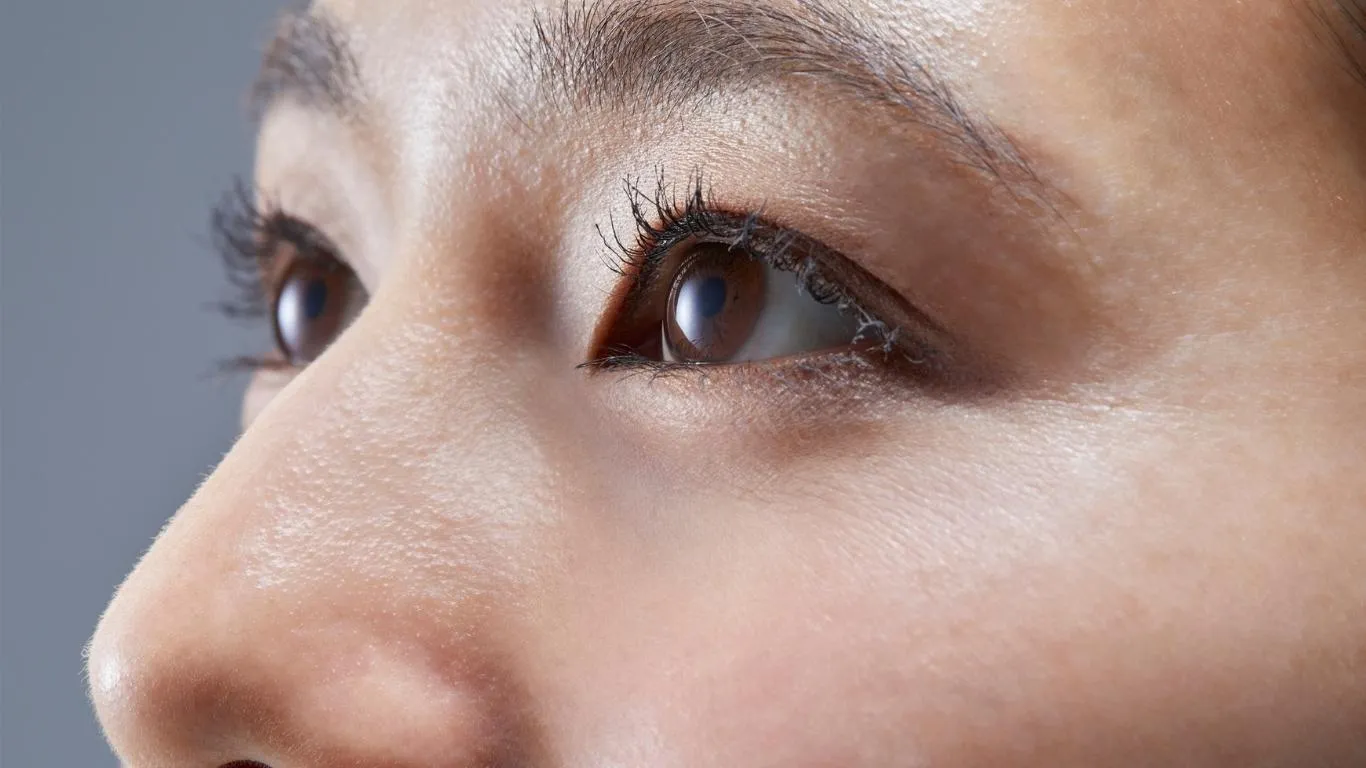
Here’s the truth: 90% of the time, both age spots and floaters are harmless annoyances. But if you notice any of these signs, get them checked out ASAP:
- Rapid appearance of floaters with light flashes
- Shadow or curtain over your vision
- Skin spots that are irregular in shape, color, or border
- New floaters after head trauma or surgery
If floaters show up after surgery, for example, here’s what you should know about floaters after cataract surgery and what’s normal vs concerning.
And if you’re in your 40s or beyond, don’t ignore the rise in floater frequency—check out this article on what’s normal and what’s not.
Putting It All Together
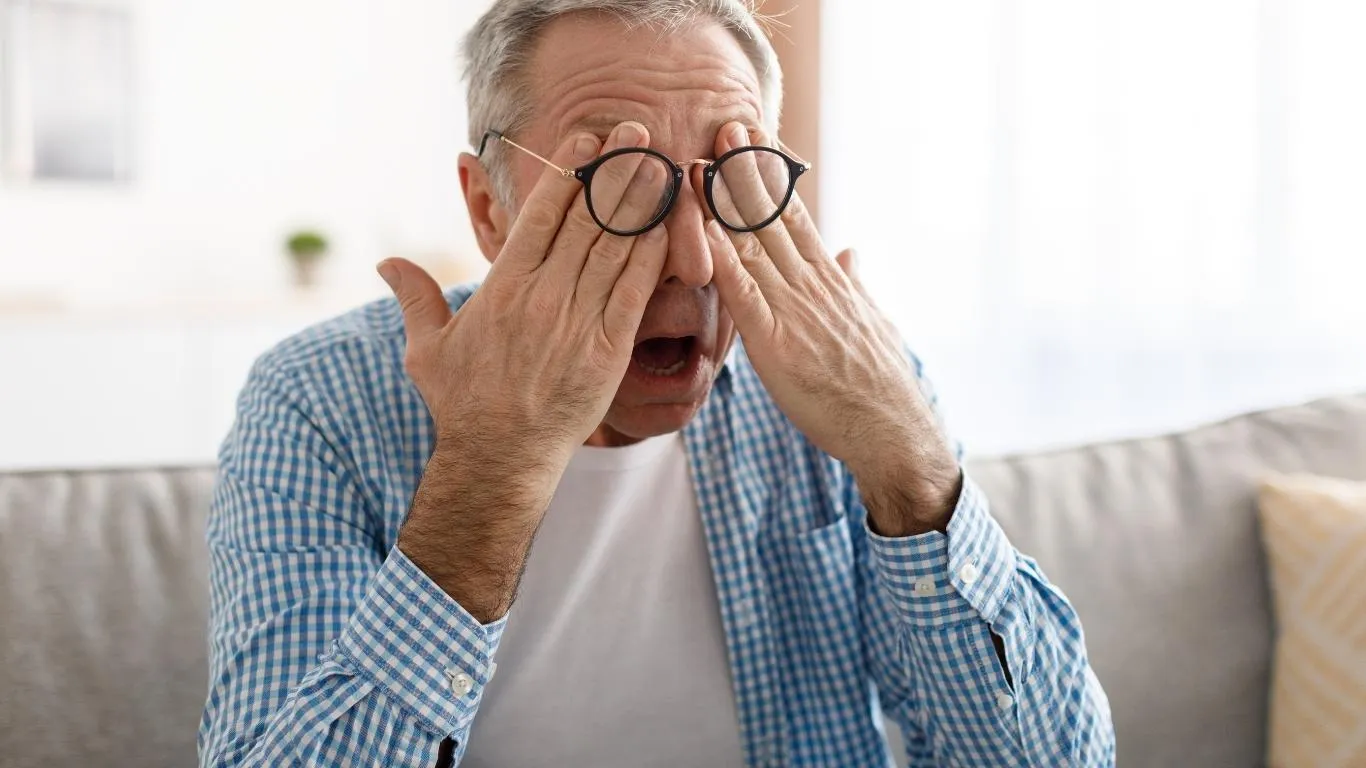
Even though they sound similar and often appear around the same time in life, age spots and eye floaters are two very different characters in the aging process. One is a sign of what your skin’s endured; the other, a signal from your eyes that something may be shifting inside.
They might not be dangerous, but they’re worth understanding. And just like I did—don’t be afraid to ask your doctor or dermatologist about them. Better safe than sorry, right?
Need the full scoop on causes, symptoms, and what to do about floaters? Check out the full breakdown on the causes of eye floaters and don’t miss the main guide: What Are Eye Floaters?

Camellia Wulansari is a dedicated Medical Assistant at a local clinic and a passionate health writer at Healthusias.com. With years of hands-on experience in patient care and a deep interest in preventive medicine, she bridges the gap between clinical knowledge and accessible health information. Camellia specializes in writing about digestive health, chronic conditions like GERD and hypertension, respiratory issues, and autoimmune diseases, aiming to empower readers with practical, easy-to-understand insights. When she’s not assisting patients or writing, you’ll find her enjoying quiet mornings with coffee and a medical journal in hand—or jamming to her favorite metal band, Lamb of God.