Health anxiety symptoms that quietly disrupt your daily life
For the longest time, I couldn’t figure out what was wrong with me. Every little twinge in my chest? Must be a heart attack. That weird pressure in my head? Brain tumor. I practically had WebMD bookmarked. If you’ve ever Googled your symptoms at 2 a.m., convinced you’re on the verge of collapse, you’re not alone. Health anxiety symptoms are more common than most people think—and often misunderstood, even by those experiencing them.
What Exactly Are Health Anxiety Symptoms?
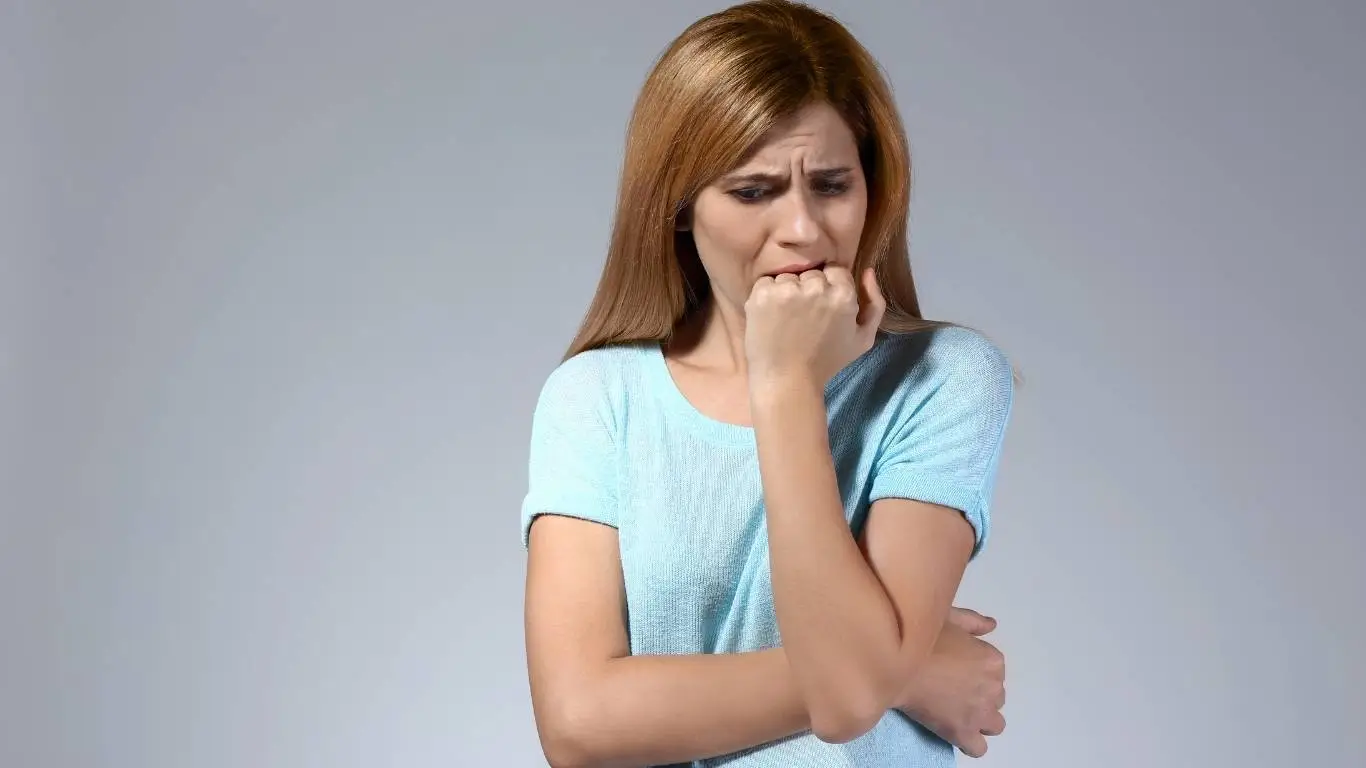
Health anxiety, sometimes referred to as hypochondria or illness anxiety disorder, is when normal body sensations or minor symptoms trigger excessive worry about having a serious illness. But it’s more than just “overreacting.” It’s a mental pattern that convinces your brain that danger is always imminent—even when you’re medically fine.
Common Symptoms That Feel Too Real
Here’s the kicker—health anxiety often mimics actual physical symptoms. It’s not all “in your head,” at least not in the way people assume. Your body responds to stress and fear in tangible ways. Here are some of the common health anxiety symptoms people experience:
- Chest tightness or pain – Often mistaken for heart issues
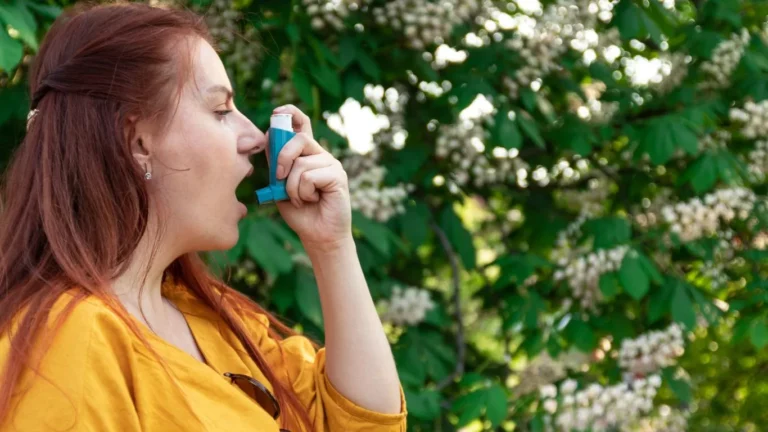
- Shortness of breath – You’re not imagining it, even if anxiety is the root cause
- Dizziness or lightheadedness – Common during panic spirals
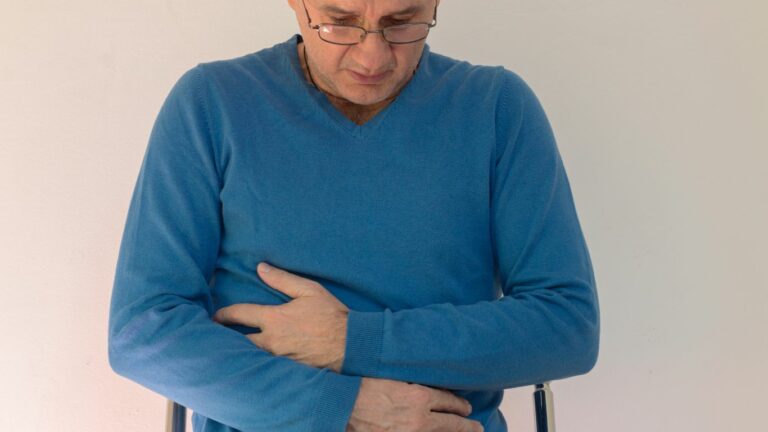
- Stomach discomfort – Including nausea, cramping, or digestive issues
- Heart palpitations – The feeling your heart is skipping or pounding
- Muscle tension – Especially in the neck, shoulders, and jaw
More often than not, these sensations push people to repeatedly seek reassurance. You know the drill—frequent doctor visits, online symptom checkers, even asking friends to weigh in on how “normal” your symptoms seem.
Why It Feels So Real (Because It Kind of Is)
The physical sensations caused by anxiety aren’t imagined. They’re the body’s genuine response to perceived threats. In the case of health anxiety, your brain is misfiring, interpreting harmless symptoms as dangerous. This triggers the fight or flight response, flooding your system with adrenaline and stress hormones. The result? Very real physical discomfort.
According to National Institute of Mental Health, anxiety disorders affect over 30% of adults at some point, and health anxiety sits quietly among the lesser-discussed variations. That silence makes it lonelier and harder to recognize.
How It Quietly Controls Daily Life

From the outside, it might look like someone is just overly cautious. But when you’re living with health anxiety symptoms, it’s exhausting. Every single sensation can hijack your entire day. I’ve canceled plans, skipped meals, and sat frozen in bed because my heart felt “off.”
It doesn’t stop at body sensations. People with health anxiety often:
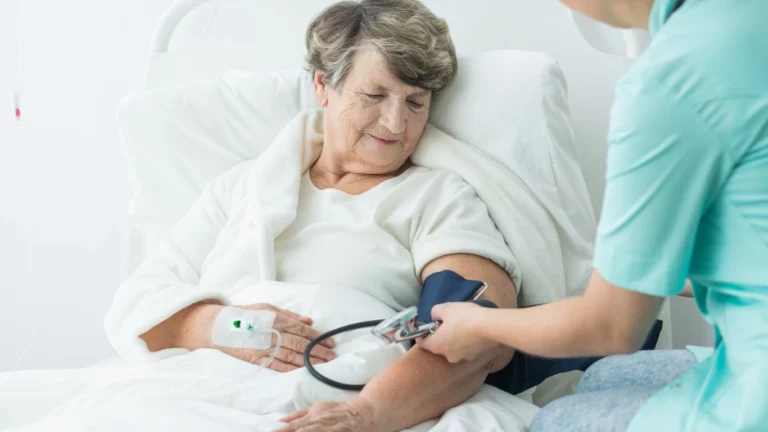
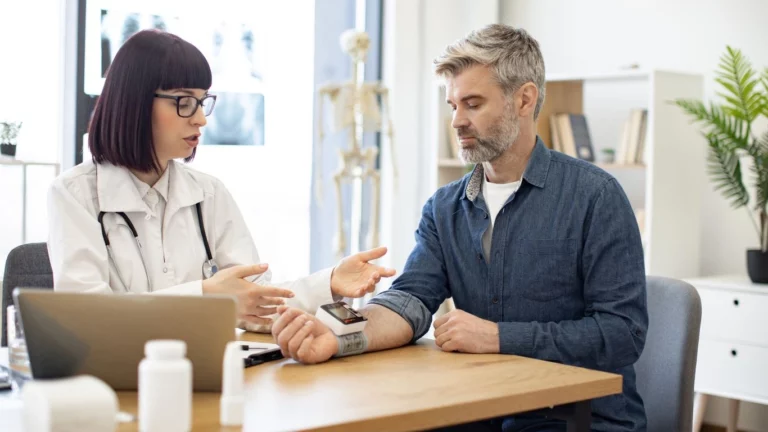
- Check their pulse or blood pressure constantly
- Re-read test results multiple times hoping to feel reassured
- Google rare diseases for hours
- Avoid places or people out of fear of getting sick
This constant vigilance disrupts relationships, work, sleep—you name it. And here’s the thing: reassurance doesn’t fix it. Even if your doctor says you’re fine, the doubt creeps back in. That’s why this piece from Healthusias on chest pain caused by anxiety really hit home for me. It puts into words what many of us feel but struggle to explain.
The Hidden Loop That Keeps It Going
What keeps health anxiety symptoms coming back isn’t just the physical stuff—it’s the thinking loop. Here’s how it usually plays out:
- You notice a sensation (e.g., tingling)
- You interpret it as dangerous (“What if it’s MS?”)
- You feel anxious, which intensifies the sensation
- The stronger sensation makes you more convinced
This loop can go on for days, even weeks. And because the symptoms change and shift, there’s always something new to worry about.
What Causes Health Anxiety to Start?
No one wakes up and decides to have health anxiety. For many, it starts with a specific trigger—a health scare, an illness in the family, or even just reading about a rare disease online. But there’s usually a deeper layer. The article on how family history plays a role in anxiety really nails this.
For me, it began after a rough flu season where I felt sick for weeks. Even after I recovered, I kept “waiting” to feel worse again. That anticipation created a pattern. Over time, every new sensation became a threat. Your mind starts scanning constantly, interpreting everything as a signal of doom.
There are also brain chemistry aspects. Neurotransmitters like serotonin and norepinephrine regulate fear and mood. An imbalance in these can heighten anxiety. If you’re curious about the science, the Healthusias guide on neurotransmitters and anxiety breaks it down beautifully.
Is There a Way Out of This?

Yes, but it’s not as simple as “just stop worrying.” Managing health anxiety symptoms requires understanding what’s driving them and then gradually challenging those thought patterns. I’ve personally found that structured therapy—especially CBT—has been a game changer. Small shifts like journaling, limiting health-related Googling, and practicing grounding techniques helped rebuild my trust in my body.
And if you’re curious about where to even start exploring options, check out this foundational article on how anxiety disorders are assessed. It’s one of the most helpful overviews I’ve seen, especially if you’re just starting to understand what’s going on.
To dig deeper into how anxiety quietly disrupts daily life beyond health obsessions, the main guide on how anxiety disorders can control your daily life is a must-read. It’s validating to know you’re not the only one feeling trapped in a cycle that others barely notice.
How to Recognize When Health Anxiety Is Taking Over

At some point, I realized it wasn’t just the symptoms that were ruining my day—it was how I reacted to them. If you’re wondering whether your concern about health has turned into health anxiety, here’s the thing: it’s not just about how often you worry, it’s about how that worry affects your choices, thoughts, and quality of life.
Ask yourself:
- Do you avoid certain foods or activities “just in case” they make you sick?
- Have you had multiple unnecessary medical tests in the past year?
- Do you check your body for signs of illness several times a day?
- Are you constantly seeking reassurance from doctors or loved ones?
- Does health anxiety interfere with your sleep, work, or relationships?
If you nodded “yes” to more than one, you’re not alone—and you’re not broken. You’re human. I’ve been there too. The good news? There are ways to take back control.
Strategies That Actually Work

Health anxiety doesn’t just disappear, but with the right tools, you can learn to manage it so it doesn’t run your life. What worked for me—and many others—is combining practical strategies with consistent self-awareness. Let’s talk about what truly helps.
Cognitive Behavioral Therapy (CBT)
CBT is hands-down one of the most effective treatments for health anxiety. It helped me challenge my anxious thoughts and understand the patterns I’d unknowingly created. This resource on CBT for anxiety really captures the step-by-step process and how empowering it can be.
With CBT, you learn to:
- Identify irrational thoughts (“This mole is definitely cancer”)
- Challenge those thoughts logically (“What evidence do I have for that?”)
- Reduce reassurance-seeking and checking behaviors
- Gradually expose yourself to feared situations or triggers
Limit Google and Symptom Checkers
Sounds obvious, right? But if you’ve dealt with health anxiety, you know how easy it is to spiral down the “What if?” rabbit hole. A minor headache becomes a brain tumor in five minutes flat. That constant need to know everything about a symptom often fuels the fear instead of easing it.
What helped me was scheduling “worry time”—a short window in the day where I let myself read, journal, and obsess. Outside of that? No Googling. It’s not perfect, but it builds mental boundaries.
Body Awareness Without Obsession
Weirdly enough, many people with health anxiety feel both hyper-aware and disconnected from their bodies. One way I began healing was through techniques that helped me listen to my body without panicking.
- Progressive muscle relaxation to ease tension
- Breathing techniques that activate calm responses
- Gentle movement like yoga or mindful stretching
These practices helped me feel safer in my body—and trust it again.
Building a Healthy Lifestyle That Doesn’t Trigger Fear
Here’s where I messed up at first: I tried to eat “perfectly,” avoid all caffeine, never touch sugar, and workout every day… because I was terrified of getting sick. Ironically, that made my anxiety worse. It became another form of control.
Eventually, I had to unlearn the fear-based motivation and focus on balance. I started exploring calming alternatives and found gems like caffeine-free drinks that don’t leave me jittery. Plus, tweaking my diet with guidance from this article on anxiety nutrition was a total game changer.
Some simple upgrades that helped:
- Adding magnesium-rich foods (spinach, dark chocolate, almonds)
- Swapping out sugar-loaded snacks for fruit or complex carbs
- Including omega-3 sources like walnuts and flaxseed daily
This wasn’t about chasing “health perfection.” It was about making peace with my body by treating it kindly.
When to Consider Medical Support

There’s a stigma around seeking help for mental health—especially if the symptoms are physical. But here’s what I’ve learned: there’s no award for suffering in silence.
If your health anxiety is spiraling, talk to a mental health professional. Medication can help, especially in the beginning, when anxiety feels unrelenting. The reality is that anxiety can affect your brain chemistry, and sometimes we need extra support to stabilize things before we can do the deeper work.
This overview on anxiety disorder treatment options breaks down what’s out there—without the scary jargon. I also found comfort in the main guide on how anxiety can quietly take over your life because it reminded me that I wasn’t alone in this battle.
And if you’re looking for the bigger picture, I’d recommend diving into this excellent pillar article on psychotherapy and counseling for anxiety disorders. It lays out realistic paths forward and reaffirms that healing is possible—even when it feels miles away.
Reclaiming Peace in a Loud, Overstimulated World

These days, my symptoms still pop up. My chest still tightens sometimes. I still get weird headaches. But now, I pause. I breathe. I remind myself that discomfort isn’t danger. And in doing that, I’ve started to live again—not just exist in fear of what could go wrong.
Health anxiety symptoms may feel like they’re stealing your life, but you can learn to live alongside them—without letting them lead. Start small. Be patient. And most importantly, remind yourself that peace isn’t something you earn by being symptom-free. It’s something you can find, even in the middle of the chaos.

Camellia Wulansari is a dedicated Medical Assistant at a local clinic and a passionate health writer at Healthusias.com. With years of hands-on experience in patient care and a deep interest in preventive medicine, she bridges the gap between clinical knowledge and accessible health information. Camellia specializes in writing about digestive health, chronic conditions like GERD and hypertension, respiratory issues, and autoimmune diseases, aiming to empower readers with practical, easy-to-understand insights. When she’s not assisting patients or writing, you’ll find her enjoying quiet mornings with coffee and a medical journal in hand—or jamming to her favorite metal band, Lamb of God.