Why Sweating During Anxiety Attack Feels So Overwhelming
Ever found yourself suddenly drenched in sweat, your palms clammy, your shirt sticking to your back, and your heart pounding — all without lifting a finger? I have. And no, it wasn’t during a workout or on a hot summer day. It happened while I was standing completely still, in a grocery store line, minding my own business. That’s when I realized how sneaky and disruptive sweating during an anxiety attack can be. It’s not just uncomfortable — it’s embarrassing, confusing, and at times downright alarming. But here’s what I learned from personal experience and digging into the science: sweating during anxiety is a lot more common (and manageable) than most people think.
Why Does Anxiety Make You Sweat So Much?
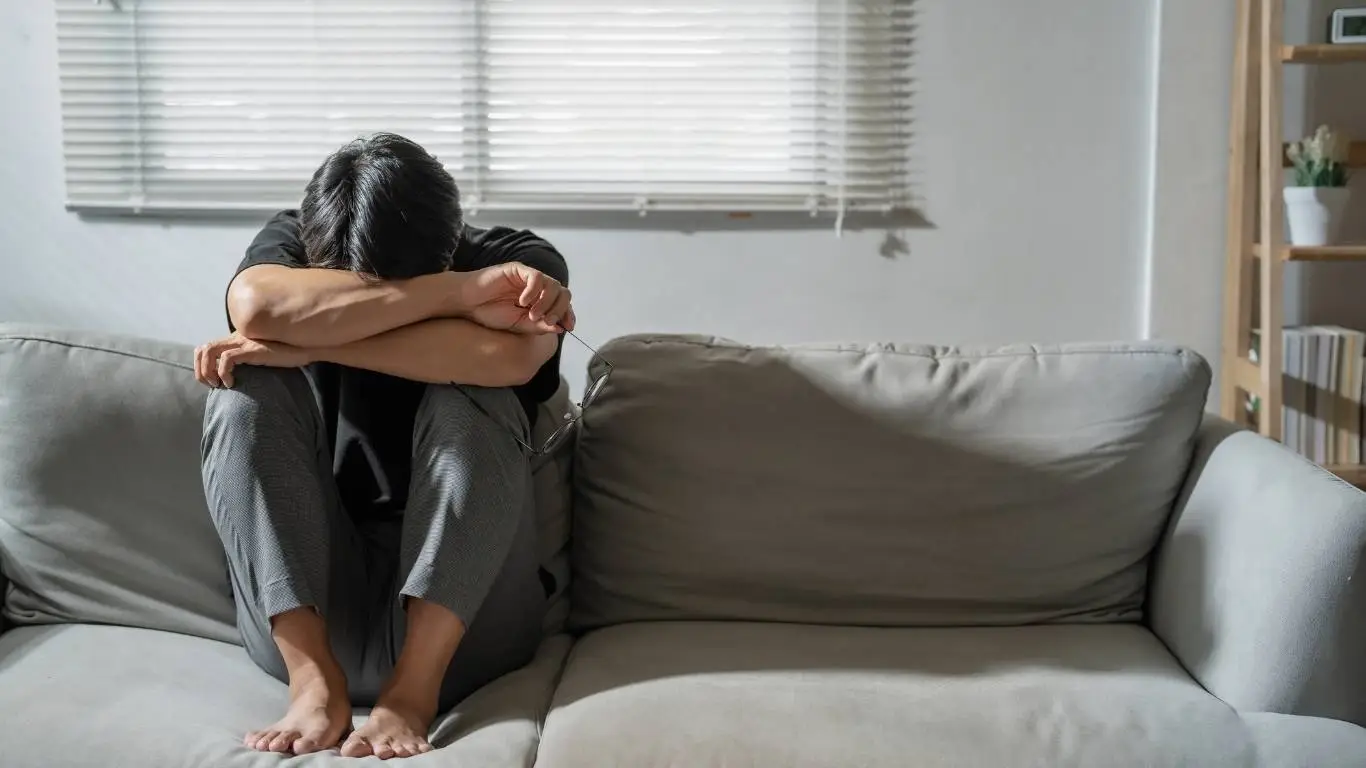
When anxiety strikes, your body flips a switch into “fight or flight” mode — whether there’s a real danger or not. One of the first physical responses? Sweat. And lots of it. That’s your nervous system’s way of prepping you to escape a threat, even if that threat is just an awkward conversation or a looming deadline.
What I didn’t realize at first was that this type of sweating is triggered by the sympathetic nervous system, and it tends to target areas like the hands, feet, armpits, and face. It’s called emotional sweating, and it feels wildly different from sweating due to heat or exercise. Sometimes it’s cold, clammy, and it hits in waves.
Here’s what typically happens when anxiety-induced sweating kicks in:
- Sudden increase in body temperature due to adrenaline
- Hyperawareness of bodily sensations
- Palms, soles, and underarms go into overdrive
- You feel soaked, even if the room is freezing
When Sweat Feels Like a Panic Alarm
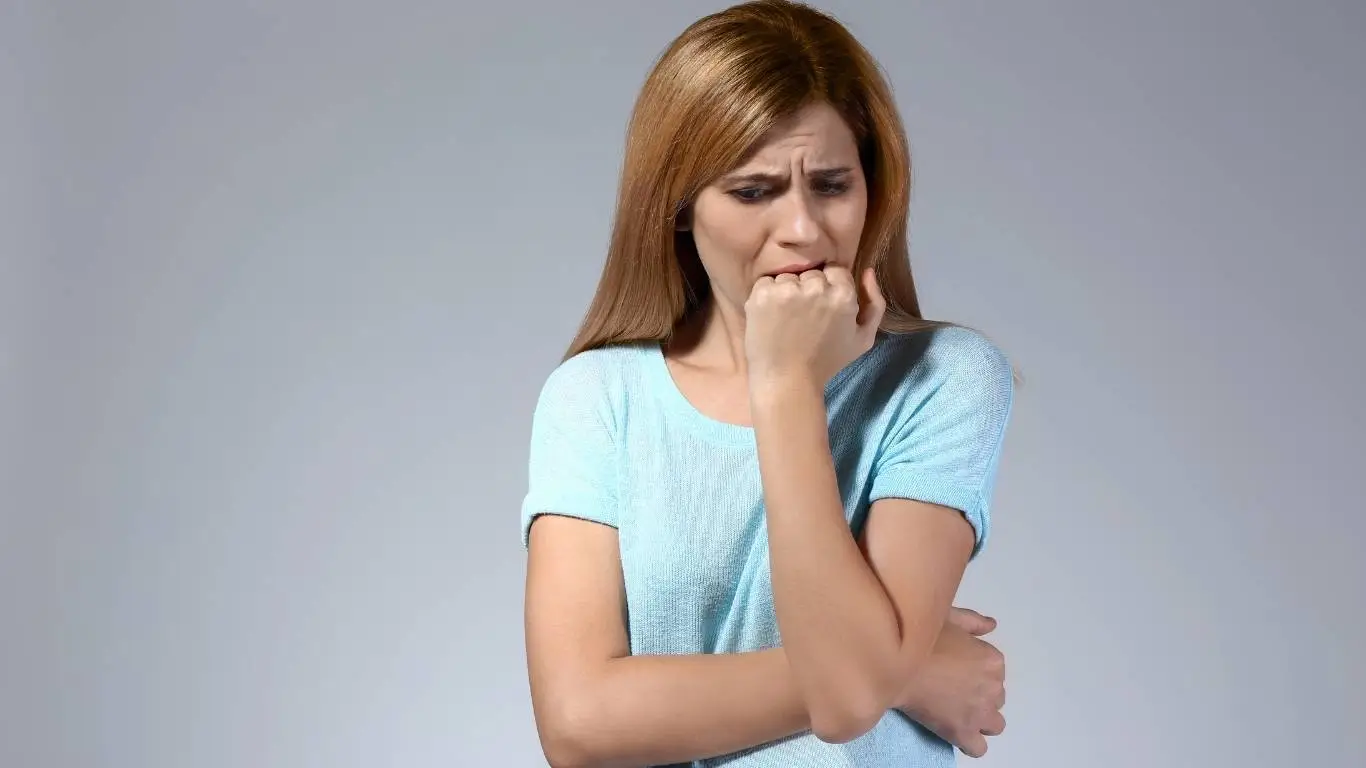
For some people — like me — the worst part isn’t the sweating itself. It’s what your mind does because of the sweat. I used to panic the moment I felt it start. “Everyone can see I’m freaking out,” I’d think. That only fueled the anxiety, and yep, more sweat. It became a vicious cycle.
This physical symptom often triggers health worries. Many confuse it with signs of something more dangerous, like a heart condition. According to this article, it’s incredibly common to misinterpret anxiety-related symptoms like sweating, chest tightness, or dizziness.
In fact, excessive sweating during an anxiety attack is so alarming because it doesn’t match your environment. You could be in an air-conditioned office, and still feel like you just ran a mile.
How to Tell If the Sweating Is Anxiety-Related

If you’re constantly wondering, “Is this normal?” — you’re not alone. One thing that helped me was learning to track patterns. Does the sweating come with racing thoughts, rapid heartbeat, or a sense of impending doom? Then it’s likely anxiety-related.
You might also notice:
- Sweat shows up right before or during a stressful event
- It’s paired with mental unease or social discomfort
- It disappears once the anxiety eases up
There are also tools out there to help self-assess anxiety symptoms. The Beck Anxiety Inventory is a helpful starting point for those unsure if their symptoms — including sweating — tie back to anxiety.
How I Started Taking Control (and Sweat Less)

Truthfully, I used to think I’d just have to live with it. But that changed once I started paying attention to my triggers and building small coping strategies. One major shift? Learning to calm my nervous system before the sweat started. It turns out techniques like deep breathing can stop a full-blown sweat storm from taking over.
Some other things that helped:
- Magnesium-rich foods that stabilized my nervous system
- Cognitive Behavioral Therapy (CBT) techniques to reframe stress responses
- Switching to natural, breathable fabrics (seriously, game changer)
I also discovered that lifestyle adjustments can have a serious impact on anxiety symptoms. You don’t always need medication to start feeling more in control — though for some, it’s definitely a necessary and life-changing option.
When Sweating Turns Into Avoidance
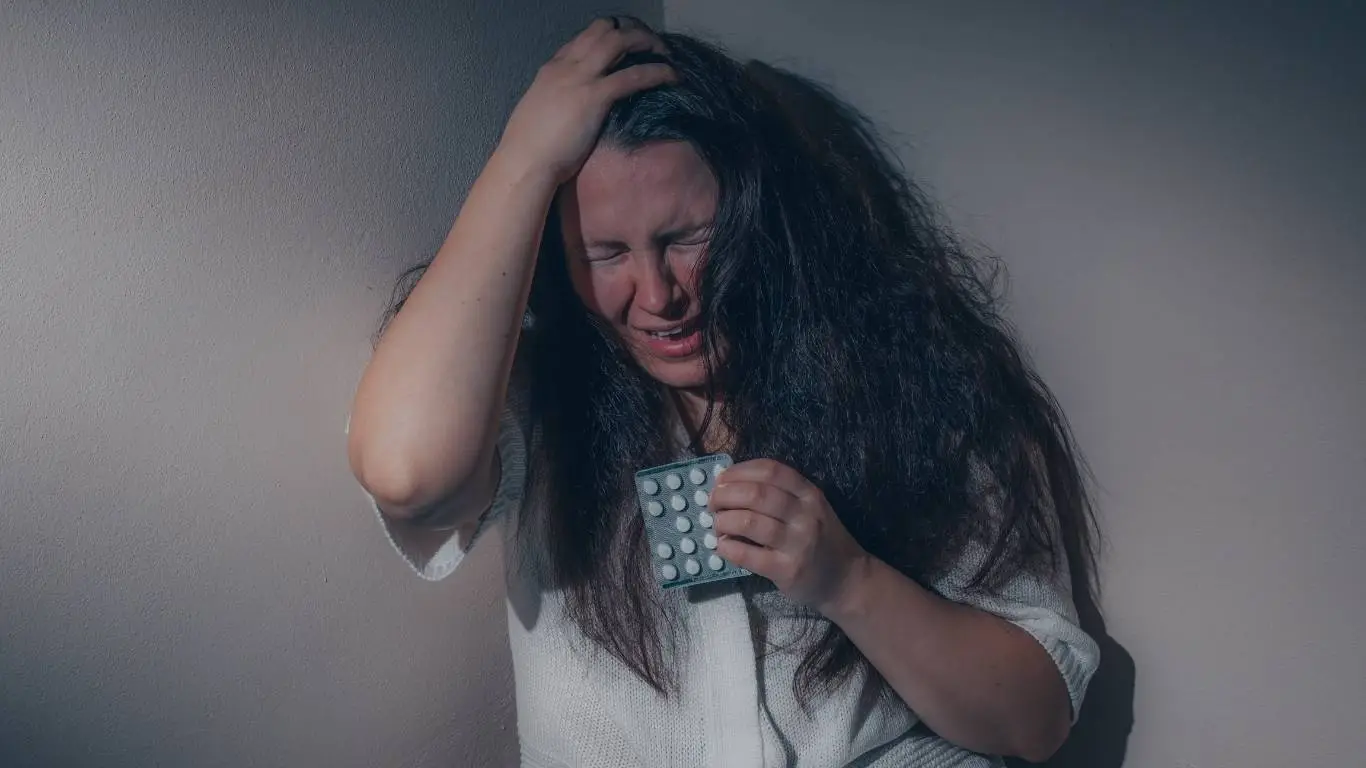
There were times I skipped events, avoided certain clothing, or even stopped dating for a while just because of the fear of sweating during an anxiety episode. Sounds dramatic, but it’s real. Anxiety-driven behaviors can creep into everyday life without you realizing it.
Work presentations? Nightmare. Long car rides with friends? Torture. I’d constantly worry about pit stains or sweat showing up at the worst possible moment. The irony is, the more I worried about it, the more it happened.
This article on anxiety and workplace performance really hit home. So many people are silently struggling with symptoms like these while trying to keep it together professionally.
Sometimes, just knowing that others deal with the same thing can make all the difference. You’re not weird. You’re not broken. You’re just human, and your nervous system is doing its best to protect you — even if it’s going a little overboard.
To get a deeper understanding of how anxiety physically manifests in day-to-day life, check out this breakdown of how anxiety quietly controls your routine. It’s helped me see the full picture and not just isolate one symptom like sweating.
And if you’re wondering whether your anxiety is a more deeply rooted issue, this comprehensive look into diagnosis and assessment might be a helpful next read.
Proven Ways to Manage Anxiety-Induced Sweating Without Losing Your Cool

Let’s get real: there’s no magic switch to shut off anxiety-induced sweat. But there are things that work — and not just in theory. I’ve tried a lot of them myself, and while it’s not about perfection, it is about gaining back control one strategy at a time.
One of the most surprising shifts came when I stopped trying to fight the sweating and instead started preparing for it. Once you take the shame out of it, you gain power back. Here’s what’s helped me and countless others ease the sweat spiral:
- Layering Smart – Lightweight undershirts absorb excess sweat and give you peace of mind in social settings.
- Strategic Antiperspirants – Clinical-strength formulas on hands and feet? Game-changing.
- Mindfulness Techniques – When I feel it creeping in, I use progressive muscle relaxation to anchor myself.
These aren’t gimmicks — they’re ways to work with your body, not against it. The key is consistency, and knowing that no single method will “cure” the sweat, but together they reduce it to something manageable.
Targeting the Root: Calming the Nervous System Long-Term

If you’re constantly battling sweating episodes, it’s a sign your anxiety needs deeper attention. I avoided therapy for a long time because I thought my symptoms weren’t “serious enough.” Spoiler: they were. And therapy didn’t just help — it rewired how I relate to anxiety.
There’s strong evidence that psychotherapy and counseling — especially CBT and exposure-based approaches — are incredibly effective for breaking the cycle between fear and physical symptoms. One session at a time, I started to reclaim confidence in places I used to sweat through my shirt just walking into.
And for some, medication can offer relief when symptoms hijack daily life. If you’re curious, this detailed look at anxiety disorder treatment options outlines what’s available — from SSRIs to more holistic routes. It helped me feel informed enough to start a conversation with my doctor.
Natural & Complementary Options I Swear By
I’ll be honest — I was skeptical about natural remedies at first. But I was also desperate to stop feeling like I was leaking stress out of my pores. What surprised me most? Some of these non-pharmaceutical tools actually made a visible difference:
- Omega-3s — I noticed my overall tension drop after just a couple weeks.
- CBD oil — while not a miracle, it took the edge off enough to keep me out of panic territory.
- Journaling — especially when I tracked my sweat triggers and what helped.
There’s a whole world of complementary therapies that don’t require a prescription. Some people find acupuncture, reiki, or herbal supplements effective too — just make sure to vet the sources and consult a pro before diving in.
Everyday Lifestyle Changes That Quiet the Sweat

Here’s the truth I had to accept: my lifestyle was quietly feeding my anxiety. Once I made peace with that, I started making small, realistic changes that lowered my baseline stress and helped curb the sweating:
- Swapping morning coffee for caffeine-free calming drinks
- Cutting sugar way down (this article blew my mind)
- Moving my body daily — even just 10 minutes of stretching
I also underestimated how much my gut and anxiety were linked. Once I started tuning in to my diet and nutrition, I noticed fewer symptoms. No bloating, fewer jitters, and yes — less sweating when anxiety crept in.
What If You’re Still Struggling? You’re Not Alone
Even after trying everything, there were weeks I’d backslide. I’d get hit with unexpected triggers, and the sweat would pour like nothing had changed. But it had. I had better tools. I rebounded faster. I wasn’t stuck anymore.
It’s also worth remembering that anxiety doesn’t exist in a vacuum. It’s often rooted in deeper stuff — trauma, perfectionism, overstimulation, burnout. This piece on how childhood trauma shapes anxiety really reframed things for me.
When nothing else helps, sometimes what you really need is to stop isolating. There’s zero shame in leaning on professionals or support groups. Or just being honest with the people in your life about what you’re navigating.
If anxiety-induced sweating is controlling your days, just know it doesn’t have to stay that way. You’ve got options. You’re not the only one sweating through a battle nobody else can see.
For a full picture of how anxiety influences daily life beyond physical symptoms, check out this in-depth breakdown from our main anxiety disorders resource.

Camellia Wulansari is a dedicated Medical Assistant at a local clinic and a passionate health writer at Healthusias.com. With years of hands-on experience in patient care and a deep interest in preventive medicine, she bridges the gap between clinical knowledge and accessible health information. Camellia specializes in writing about digestive health, chronic conditions like GERD and hypertension, respiratory issues, and autoimmune diseases, aiming to empower readers with practical, easy-to-understand insights. When she’s not assisting patients or writing, you’ll find her enjoying quiet mornings with coffee and a medical journal in hand—or jamming to her favorite metal band, Lamb of God.