Why Caffeine Might Be Making Your Anxiety Worse
If you’re like me, you probably start your day with a steaming cup of coffee. It’s comforting, energizing, and honestly, a bit of a ritual. But here’s the kicker—while I used to rely on caffeine to kickstart my mornings, I never realized just how much it was quietly ramping up my anxiety. It took me years to make the connection. And if you’re someone who struggles with anxious thoughts or panic attacks, it might be time to take a closer look at that latte in your hand.
How Caffeine Impacts the Anxious Brain

Caffeine isn’t inherently evil. It stimulates the central nervous system, making us feel more alert and focused. But the same mechanism that perks us up can also stir up symptoms that feel eerily similar to anxiety: racing heart, jitteriness, restlessness, and trouble sleeping. Sound familiar?
Research has shown that caffeine can increase levels of cortisol—the stress hormone—in people prone to anxiety. And while some of us can handle a couple of espresso shots without breaking a sweat, others (like me!) end up spiraling into worry just from a single cup. A study published by the NIH found that individuals with panic disorder are particularly sensitive to even low doses of caffeine.
Common Physical Reactions to Caffeine
- Increased heart rate
- Heightened alertness
- Muscle tension
- Shaky hands
- Insomnia or poor sleep
Now, mix that with a predisposition for anxiety, and you’ve got a recipe for mental chaos. I used to brush off my symptoms as “just stress from work.” Turns out, my afternoon cold brew was making everything worse.
The Hidden Link Between Caffeine and Panic Attacks
If you’ve ever had a panic attack, you know how terrifying it feels. When it happened to me for the first time, I genuinely thought I was having a heart attack. And guess what I’d had that morning? A venti iced coffee and a pre-workout with extra caffeine.
According to psychiatry.org, people who experience panic disorder are highly reactive to physiological changes in their bodies. Caffeine can cause the same symptoms as a panic attack—rapid heartbeat, lightheadedness, shortness of breath—which then fuels fear and escalates the panic.
Here’s a great breakdown of how panic and caffeine intersect:
- Caffeine stimulates your central nervous system
- This causes physical sensations (racing heart, nausea, etc.)
- Your brain misinterprets them as a threat
- You spiral into a panic response
Sound overwhelming? It is. And the worst part is that it’s all avoidable.
This is where understanding how panic disorder mimics other conditions becomes essential. If caffeine triggers this, it’s time to reassess how much you’re consuming.
How to Know if Caffeine is Fueling Your Anxiety
Let me be real for a second. Cutting back on caffeine wasn’t easy. I love coffee. But once I started tracking my intake and anxiety levels in a journal, I noticed something wild—on the days I skipped caffeine, I didn’t feel like my chest was caving in. I wasn’t overthinking every little thing. That was enough proof for me.
Ask Yourself:
- Do you feel more anxious within 30 minutes to 2 hours of drinking caffeine?
- Do you struggle with sleep, even if you’re not drinking it late in the day?
- Are your panic attacks unpredictable?
- Does your heart race even when you’re doing nothing?
If you answered “yes” to any of these, caffeine might be quietly working against you. It’s not just about coffee either—sodas, energy drinks, pre-workouts, even chocolate can have surprising effects.
This resource on beta blockers for anxiety actually helped me understand the relationship between heart rate and mental state. When I lowered my caffeine intake, my need for “calming” interventions dropped drastically.
Small Adjustments, Big Results

Going cold turkey isn’t for everyone—I personally weaned myself off over a month. I swapped my usual coffee with some of these caffeine-free calming drinks, and believe me, it was life-changing. My sleep improved, I wasn’t obsessing over every small problem, and my body didn’t feel like it was constantly in fight-or-flight mode.
Better Substitutes You Can Try:
- Herbal teas like chamomile or lemon balm
- Warm water with lemon
- Decaf green tea (still calming, way less caffeine)
- Golden milk with turmeric
- Adaptogen-based drinks
And no, it doesn’t mean you have to give up the taste or comfort. It’s about being mindful of what’s helping versus what’s hurting.
For a deeper dive into how lifestyle changes can ease anxiety naturally, you’ll find a wealth of practical strategies that made a huge difference for me too.
And if you’re still wondering why anxiety seems to seep into every corner of life, check out this powerful overview on the hidden control anxiety has—it was a major wake-up call for me.
Why Quitting Caffeine Isn’t a Magic Fix—But It’s a Powerful Start
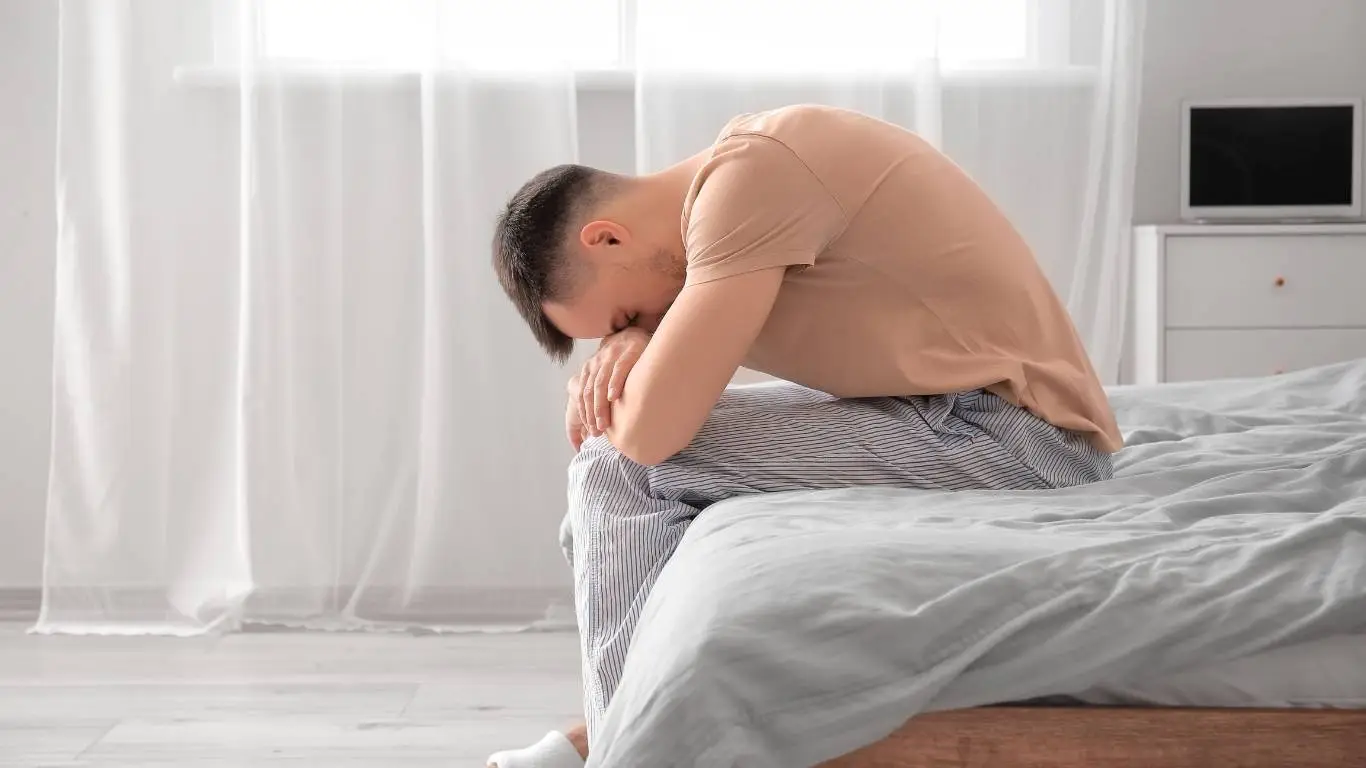
Let’s be real—just cutting caffeine won’t suddenly erase all your anxiety. I wish it were that simple. Anxiety is complex, layered, and deeply personal. But when I finally acknowledged that caffeine wasn’t helping, I gave my nervous system a break. It was like taking my foot off the gas.
What surprised me the most? My thoughts slowed down. My body felt less reactive. And I started noticing which triggers were emotional… and which were physiological. Before, everything was one chaotic blur. After stepping back from caffeine, I had clarity for the first time in years.
Things That Became Easier After Cutting Caffeine
- Falling—and staying—asleep
- Managing emotional triggers with less reactivity
- Listening to my body without constant noise
- Feeling stable during work meetings and public speaking
It didn’t fix everything. I still needed therapy, better boundaries, and more self-compassion. But the background panic that followed me everywhere? It finally quieted down. If you’re wondering why public speaking anxiety feels unbearable, trust me—caffeine might be intensifying that fear loop.
Handling Caffeine Withdrawal Without Losing Your Mind
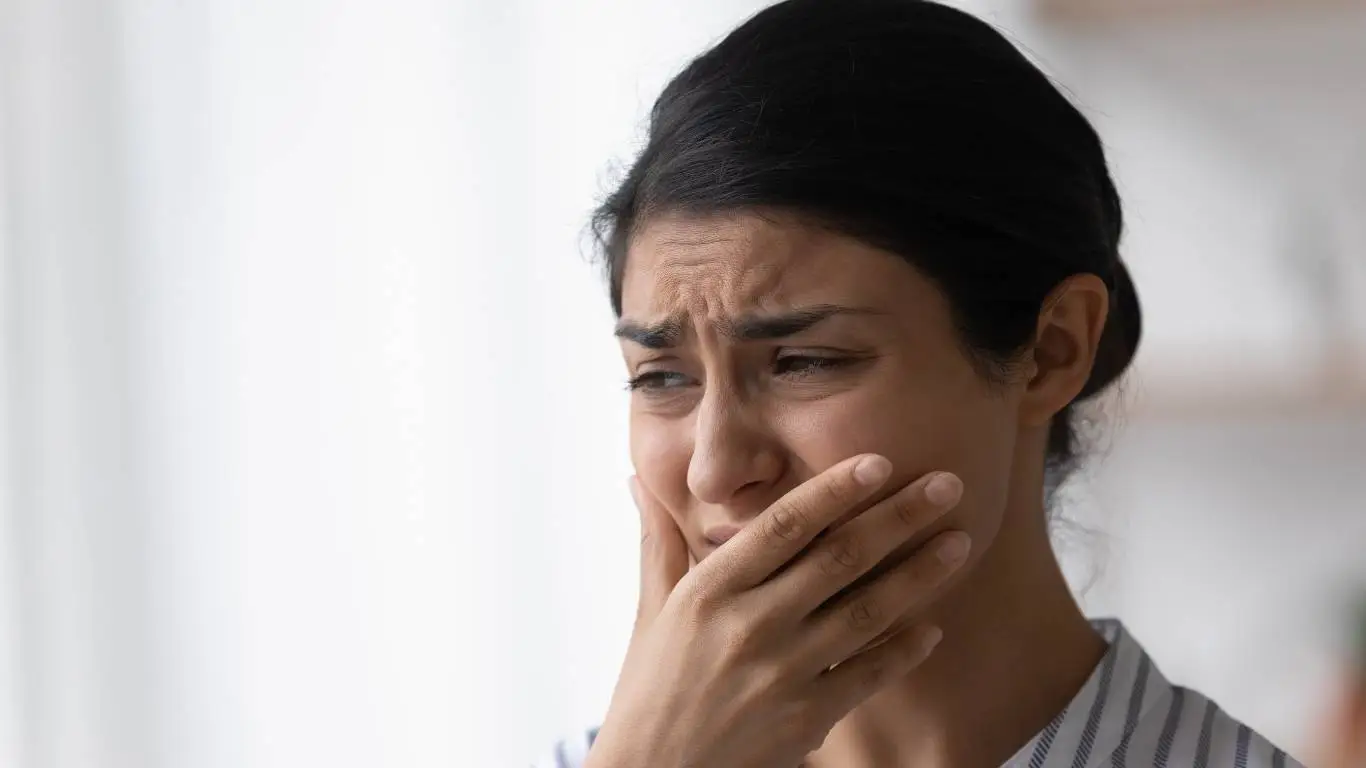
I won’t sugarcoat it—withdrawal wasn’t fun. The first week off caffeine felt like I was wading through brain fog with a headache the size of Texas. But knowing it was temporary helped. And honestly? The anxiety I had while on caffeine felt worse than the discomfort I had quitting it.
What Helped Me Push Through:
- Hydration—tons of water and coconut water
- Adaptogens like ashwagandha (check with your doc first)
- Regular meals with complex carbs and protein
- Short walks to clear mental fog
- Reassuring myself: “This is temporary. It’s not forever.”
One thing I leaned on heavily during this phase was breathing techniques to calm my nervous system. They made the detox way more manageable. I also started practicing progressive muscle relaxation, which helped reset my baseline stress level.
Addressing the Root—Not Just the Habit

Once the fog lifted, I started looking deeper. Why was I so reliant on caffeine in the first place? The answer was obvious: exhaustion, overworking, perfectionism—classic anxiety fuel. I was using caffeine to function in a system that didn’t support my mental health.
This is where support matters. Whether it’s working with a therapist, adjusting your routines, or simply having honest conversations about your limits, healing is not a solo sport. The caffeine piece is just one spoke in the wheel.
If you’re still unsure whether your anxiety is truly related to caffeine or something deeper, consider getting a clinical assessment. It gave me the validation I needed to stop guessing and start making changes that actually worked.
How to Reintroduce Caffeine (If You Want To)

I know not everyone wants to quit caffeine forever. And that’s totally fair. Some people can enjoy a morning brew without spiraling into a panic attack. After 3 months off, I tested the waters—half a cup of low-acid decaf coffee on a Saturday morning. No meetings. No stress. Just me and the mug.
It went okay. I didn’t feel amazing, but I didn’t feel terrible either. The point is: if you choose to reintroduce caffeine, do it mindfully. Pay attention to timing, quantity, and how your body reacts. I now only have caffeine when I truly need it—and I no longer use it as a crutch.
Tips for Cautious Reintroduction:
- Try matcha or low-caffeine green tea first
- Drink it after food to minimize jitteriness
- Stick to mornings only
- Avoid high-sugar pairings
- Listen to your body before, during, and after
If you’re someone dealing with high-functioning anxiety, this guide on how anxiety shows up in daily routines might open your eyes to habits that feel “normal” but aren’t helping at all.
Why This Journey is Personal—And Worth It

I never thought caffeine was the enemy. I didn’t want to let go of something that made me feel energized, social, and productive. But now that I have, I’ve never felt more in tune with myself. My anxiety isn’t gone, but I’m no longer fighting it with one hand tied behind my back.
If you’re on the fence about making a change, start small. Track your intake. Experiment with caffeine-free days. See how your body reacts. You might be surprised by how much calmer, clearer, and grounded you feel.
For a deeper look at the hidden causes behind anxiety, this resource helped me realize just how layered this condition really is—and why caffeine was just one piece of a bigger picture.
And if you’re serious about transforming your relationship with anxiety overall, this main guide on anxiety’s role in everyday life is a must-read. It changed how I saw my own mental health—and gave me permission to do things differently.

Camellia Wulansari is a dedicated Medical Assistant at a local clinic and a passionate health writer at Healthusias.com. With years of hands-on experience in patient care and a deep interest in preventive medicine, she bridges the gap between clinical knowledge and accessible health information. Camellia specializes in writing about digestive health, chronic conditions like GERD and hypertension, respiratory issues, and autoimmune diseases, aiming to empower readers with practical, easy-to-understand insights. When she’s not assisting patients or writing, you’ll find her enjoying quiet mornings with coffee and a medical journal in hand—or jamming to her favorite metal band, Lamb of God.