Why Sarcoidosis Floaters Can Be a Serious Eye Warning
One morning I woke up, stretched, looked out the window—and there it was again. That elusive dark speck drifting across my vision like a gnat I could never swat. I blinked, rubbed my eyes, but it just danced around like it owned the place. It wasn’t the first time either. After weeks of pretending it was just dryness or fatigue, I finally gave in and started researching. That’s when I stumbled upon something I never considered: sarcoidosis floaters. It sounded rare and niche, but as I learned, this strange immune condition can quietly mess with your eyes in a way that’s way too easy to dismiss.
What Are Sarcoidosis Floaters, Really?
Sarcoidosis is an inflammatory disease that can affect multiple organs—but when it decides to target your eyes, things get complicated fast. One of its lesser-known effects? Eye floaters. These aren’t your garden-variety, harmless floaters from aging. We’re talking persistent, distracting floaters caused by granulomas—those little clusters of inflamed cells—that settle into your eye’s delicate tissues.
In my case, the floaters didn’t come alone. There was a slight redness, some sensitivity to light, and this gritty feeling that drops wouldn’t fix. That’s when my ophthalmologist raised the possibility of ocular sarcoidosis.
But Wait—How Can Sarcoidosis Even Reach Your Eyes?
Here’s the thing about sarcoidosis: it’s sneaky. Most people associate it with lungs (and that’s still the most common), but around 25-50% of sarcoidosis patients develop eye involvement. It usually comes in the form of uveitis, which is inflammation of the uvea (the middle layer of the eye). That inflammation, in turn, leads to debris or inflammatory cells floating around in the vitreous humor.
And that’s how you get sarcoidosis floaters. It’s not just shadows on the retina—it’s actual cellular gunk drifting through your eye’s jelly-like center.
Common Symptoms That Set Sarcoidosis Floaters Apart
When people hear “eye floaters,” they usually think of faint threads or specks that drift when you move your eyes. But with sarcoidosis, floaters might come with a few extra red flags:
- Light sensitivity (photophobia) that feels intense and stubborn
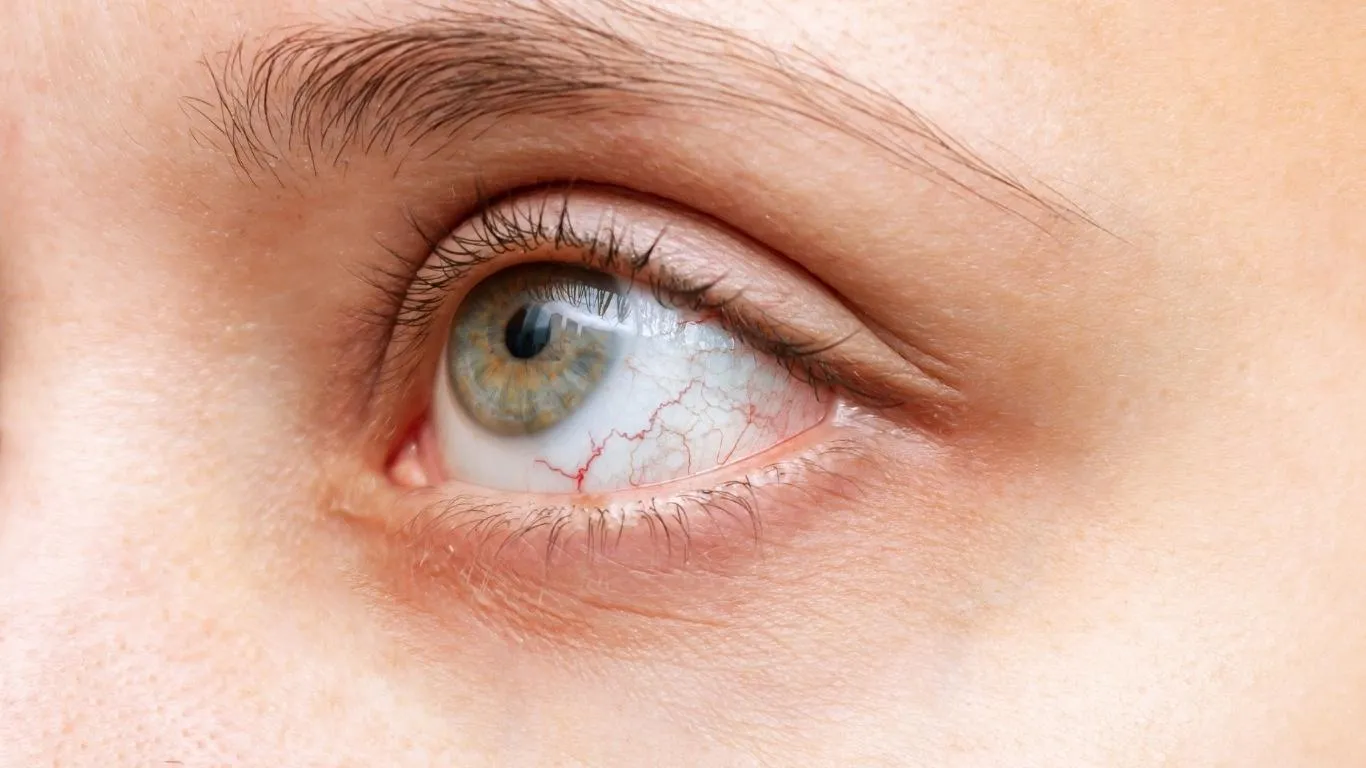
- Persistent eye redness, especially around the iris
- Blurred vision that fluctuates without warning
- Pain or pressure in or around the eyes
- Watery discharge that isn’t from allergies or dryness
In my own case, the floaters weren’t just shadows—they had weight. They looked denser, like dark globs rather than fuzzy spots. That difference alone convinced me I wasn’t dealing with simple age-related vitreous changes.
How Is It Diagnosed?
Getting a diagnosis isn’t exactly straightforward. There’s no single test that shouts “ocular sarcoidosis.” Instead, it’s usually a combo of:
- Detailed eye exam with slit lamp to spot inflammation or granulomas
- Chest X-rays or CT scans to look for lung involvement (still common even in eye cases)
- Blood work for angiotensin-converting enzyme (ACE) levels, which are often elevated in sarcoidosis
- Biopsy in more serious or unclear cases, sometimes from conjunctival tissue
Here’s a good reference if you want to dig into autoimmune-related floaters and what they might mean for long-term vision.
Can It Be Treated or Managed?
Yes—though it depends on how early you catch it. Inflammation is the enemy here, and steroid treatment is usually the go-to weapon. Depending on how your sarcoidosis is acting up, your doctor might recommend:
- Steroid eye drops for mild to moderate inflammation
- Oral corticosteroids if the disease is systemic or not responding locally
- Monitoring floaters post-steroid use because ironically, steroid use can also trigger new floaters
- Immunosuppressants in long-term or recurring cases
In my case, I was lucky enough to catch it early. Steroid drops twice a day and some follow-up imaging kept things from spiraling. But it took months to feel normal again.
When Should You Be Worried?
If you have sarcoidosis—even if it’s just in your lungs or skin—you need to keep a close eye (pun fully intended) on your vision. Sudden changes in floaters, especially if they’re accompanied by flashes of light, pain, or blurry vision, need a specialist’s attention fast. One of the most important signs is floaters that precede retinal damage. That’s not something you can shrug off.
It’s worth noting that sarcoidosis isn’t the only condition that mimics these symptoms. Sometimes what you think is floaters from sarcoid inflammation turns out to be a completely different beast. That’s why I always recommend reading this full guide on how to tell eye floaters apart.
Also, check out this main reference on what floaters really are—it’s a great starting point for anyone feeling overwhelmed.
If you’re trying to understand all the causes behind floaters, not just sarcoidosis, I also recommend reading the detailed breakdown at common floaters causes. It helps connect the dots and makes you more prepared for your next doctor visit.
And if you’re the curious type like me, check a few expert sources like American Academy of Ophthalmology, NCBI, and Mayo Clinic for solid, up-to-date info.
Living with Sarcoidosis Floaters Daily
Once the diagnosis sinks in, the next question hits hard: How do I live with this every day? At first, I found myself obsessively tracking every speck in my vision. Were they multiplying? Were they darker today? Did the light in my office make them worse? It’s a head trip—and not a fun one.
But the reality is, you learn to adapt. You start modifying your environment to minimize visual triggers. You adjust your routine so that flare-ups don’t throw your whole week off. You build a kind of “floaters muscle”—the ability to carry on even while your vision occasionally feels like a snow globe in motion.
Tips That Helped Me Cope Day-to-Day
- Dim the screens: Harsh lighting made my floaters more obvious. Using warmer light filters like f.lux or night shift mode helped reduce glare.
- Stop chasing the floaters: I tried to “see around them,” which only made things worse. Training my eyes to focus beyond them—not on them—was a game changer.
- Manage inflammation through diet: I started following a more anti-inflammatory approach—less sugar, more omega-3s. It didn’t cure anything, but flare-ups felt less frequent.
- Take breaks from screen time: Sarcoidosis floaters became far more noticeable when I was glued to my laptop. Now I follow a modified 20-20-20 rule: every 20 minutes, I look 20 feet away for at least 30 seconds.
More details on lifestyle adjustments? I highly recommend this page on screen time and eye floaters. It really helped me rethink how digital habits affect ocular health.
What If the Floaters Get Worse?
If your floaters suddenly go from “annoying” to “alarming,” don’t wait. Sarcoidosis floaters can occasionally be the first sign of deeper trouble—especially when they coincide with eye trauma or if you’re taking meds like steroids or immunosuppressants long term.
Some warning signs include:
- Sudden shower of new floaters
- Accompanying flashes of light
- Peripheral vision loss
- Black curtain or dark shadow moving over your field of vision
That last one? It’s not just scary—it could be a retinal tear or detachment. Inflammatory diseases like sarcoidosis make your retina more vulnerable, especially during flare-ups. It’s not paranoia—it’s smart to act quickly.
Bookmark this detailed warning guide on when floaters are serious so you know when it’s time to get help.
How Doctors Monitor Sarcoidosis-Related Eye Changes
Eye floaters caused by sarcoidosis aren’t something your doc will shrug off—at least they shouldn’t. Over time, you’ll probably become very familiar with eye imaging tools like OCT (Optical Coherence Tomography) and fluorescein angiography. These tests help map inflammation and check for hidden complications.
Your care may include a team effort: an ophthalmologist, a rheumatologist, maybe even a pulmonologist, depending on how your sarcoidosis is behaving.
Is Surgery Ever an Option?
Usually, no. But in cases where floaters severely impact vision or quality of life—and inflammation is under control—vitrectomy might be considered. It’s a surgical procedure to remove the vitreous humor and replace it with a clear solution.
Sounds intense, right? That’s because it is. I haven’t gone that route, but I’ve read plenty from those who did. Results vary, and there are risks (like retinal detachment or infection). For many with autoimmune-linked floaters, it’s a last resort.
Read this full overview on treatment options for floaters to get a feel for when it might be worth exploring surgery.
Emotional Impact and Mental Drain
This is the part no one warns you about. Having a chronic condition is hard enough. Add unpredictable vision changes and it starts messing with your head. I’d find myself panicking at night, wondering if today’s new floater meant something worse was coming.
Even worse was trying to explain it. “They’re just floaters, right?” people would say, not realizing that for some of us, they aren’t benign. They’re signs of a disease that’s quietly doing damage behind the scenes.
It’s okay to acknowledge that emotional toll. Whether it’s through therapy, online communities, or just talking to a friend who gets it—you’re not crazy for being frustrated. Chronic illness has layers, and floaters are just one frustrating reminder that your body’s waging a battle you can’t always see.
Managing the Bigger Picture
Managing floaters means managing sarcoidosis overall. That’s why regular checkups and a collaborative care team are so crucial. Even small changes—like stress management, hydration, or sleep—can reduce flare frequency.
Here’s something I didn’t expect: my floaters decreased noticeably when my systemic inflammation improved. As my rheumatologist adjusted my meds and I made lifestyle shifts, the intensity of ocular symptoms dropped. Not overnight—but enough that I stopped obsessing.
And that’s something no one tells you: progress with sarcoidosis is slow, but possible.
To learn more about how different triggers affect floaters, you might want to check this guide on diabetes and eye floaters—it shows how systemic diseases intertwine with visual symptoms.
Stay Educated, Stay Empowered
The more you understand your condition, the less power it holds over you. And with sarcoidosis floaters, that knowledge is key. It helps you communicate better with your doctors, manage flare-ups faster, and avoid unnecessary panic when something feels off.
Bookmark a few solid resources. Start with this main reference on understanding floaters. Then, dig into the condition-specific guide at when floaters become dangerous.
If you’re serious about understanding what causes floaters, especially in rare conditions like sarcoidosis, I can’t recommend this enough: natural floaters management—whether you’re skeptical or curious, it’s a thoughtful read.
Don’t let this condition call all the shots. There’s plenty of control you can take back, and it starts with knowing what’s really going on in those unpredictable little specks crossing your vision.

Camellia Wulansari is a dedicated Medical Assistant at a local clinic and a passionate health writer at Healthusias.com. With years of hands-on experience in patient care and a deep interest in preventive medicine, she bridges the gap between clinical knowledge and accessible health information. Camellia specializes in writing about digestive health, chronic conditions like GERD and hypertension, respiratory issues, and autoimmune diseases, aiming to empower readers with practical, easy-to-understand insights. When she’s not assisting patients or writing, you’ll find her enjoying quiet mornings with coffee and a medical journal in hand—or jamming to her favorite metal band, Lamb of God.